The German wind and solar developer Sowitec has gone bankrupt. The company leaves behind a project portfolio of around 32 gigawatts, corresponding to about 5,000 turbines. This is significantly more than Sweden’s installed wind power capacity, which is around 18 gigawatts.
The bankruptcy proceedings for the parent company and several subsidiaries opened on September 1. As early as July, the companies had applied for bankruptcy, citing both insolvency and over-indebtedness. This is reported by Affärsvärlden, referring to the company’s insolvency documents.
The parent company’s debts amounted to 33 million euros at the end of 2024, while Sowitec Operation reported almost 14 million euros in losses for the same year.
Sowitec was founded in 1993 and for over 30 years has developed weather-dependent electricity production. The business model is based on finding land, obtaining permits, and selling projects onward to investors and energy companies—similar to Swedish developers like Eolus Vind and OX2.
Now up for sale are projects amounting to about 32,000 megawatts in Germany, Argentina, Brazil, Colombia, and Mexico. Only about 330 megawatts are in Germany. The rest mostly consists of development rights, not completed parks.
ALSO READ: Massive expansion of solar and wind power—at the same time electricity production collapses
With around 200 employees, Sowitec thus held a portfolio larger than all of Sweden’s wind power. Yet the company was forced to throw in the towel as losses and debts grew.
Affärsvärlden’s expert Christian Sandström notes that developers who long benefited from wind power’s expansion can quickly be left with worthless projects when the market becomes saturated.
Closed Nuclear Power – Focused on Wind
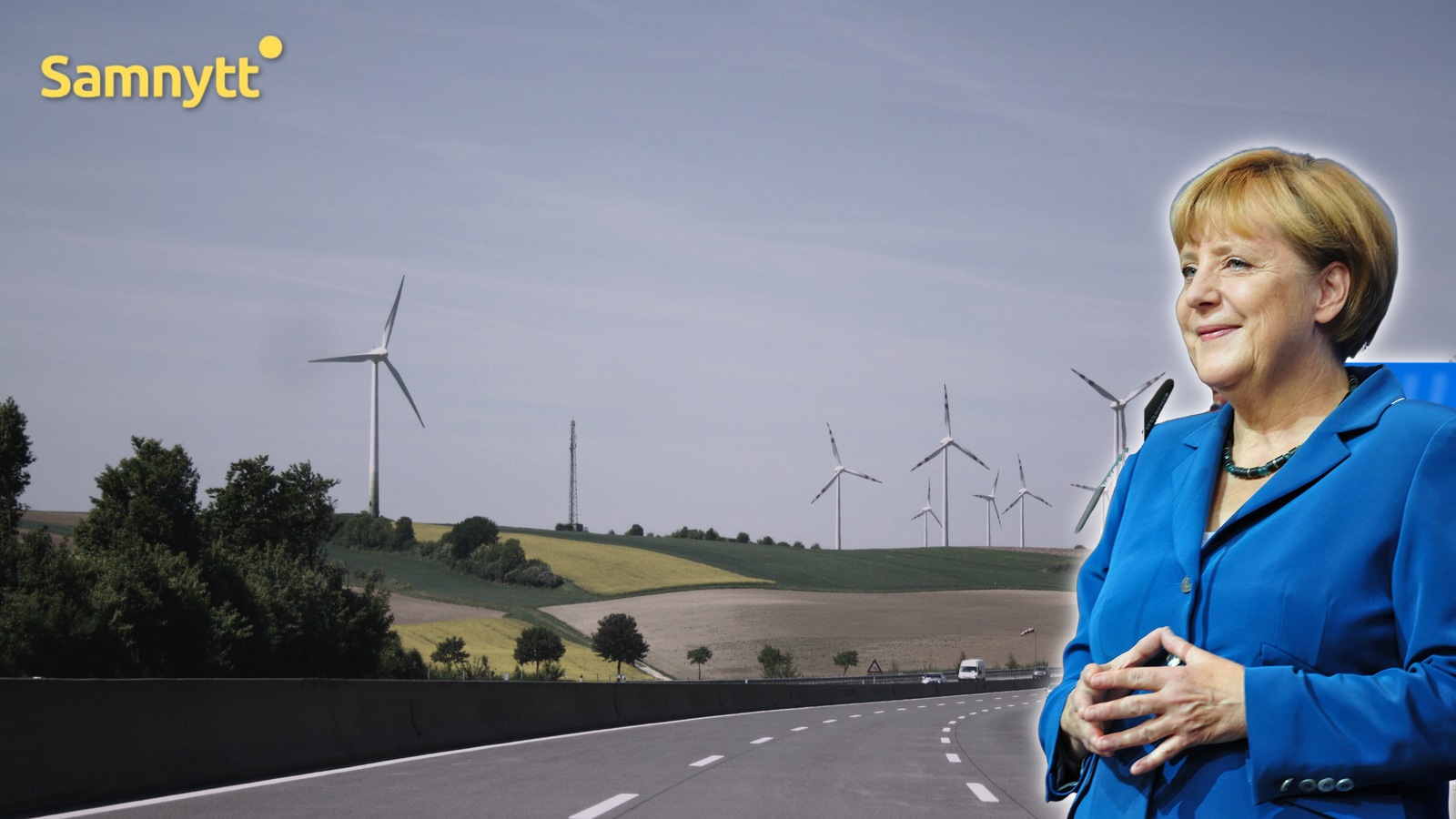
Germany’s energy policy has been fundamentally shaken since Angela Merkel and her government pushed through the phase-out of nuclear power. The Fukushima disaster became an important argument, as did the ambition to transition to a greener energy supply.
In April 2023, the last three plants were closed, and the country fully exited nuclear power. At the same time, the German government invested heavily in expanding wind and solar energy. Without controllable electricity production, the system becomes unstable and dependent on weather conditions.
The bankruptcy administrator is now trying to sell off parts of the operations while business continues. The goal is to turn the future project values into cash for creditors. Affärsvärlden notes that developers have long benefited from wind power’s expansion, but a large portfolio can quickly become worthless when the market becomes saturated.