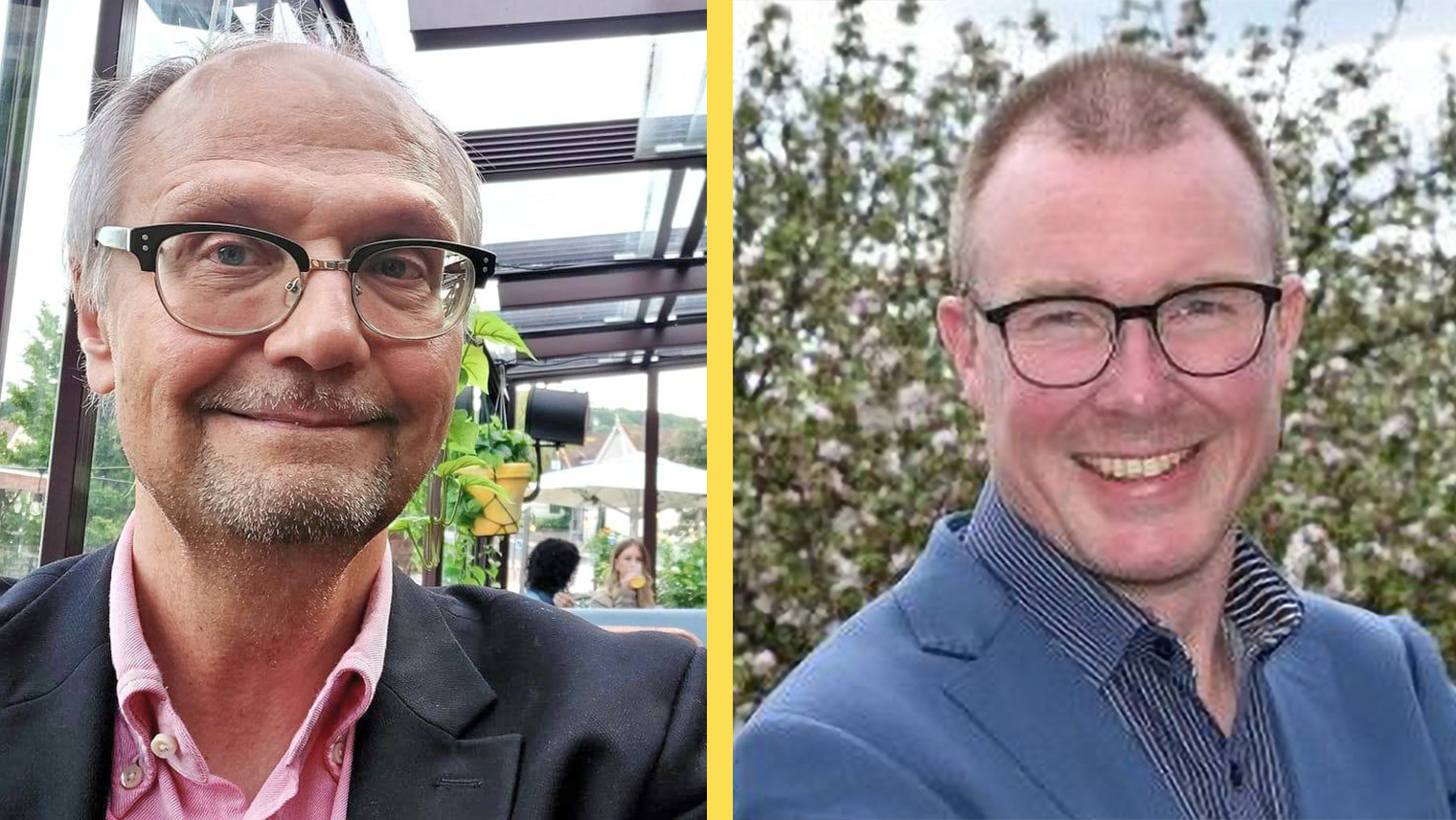
The debate about the Church of Sweden’s role in social issues has intensified. Is the church merely a voice of general morality in politics – or has it become left-leaning and party political? Two insiders with insight into the church assembly give completely different answers, and their perspectives expose a deeper conflict over the church’s identity, mission, and future.
The question of whether the Church of Sweden is political is answered differently depending on whom you ask. For Ulf Bjereld, the clearly Social Democratic political scientist who serves as a representative for his party in the Church Assembly—where the party also holds by far the largest share with 72 seats—the answer is clear: the church is and should be political.
In an interview with Kyrkans Tidning, he argues that the church’s mission to protect human dignity, stand up for vulnerable groups, and defend creation inevitably has political consequences. According to him, engaging in issues related to refugees, poverty, and climate is a natural part of the church’s responsibility.
That this engagement almost entirely overlaps with his own party’s political position outside the church as well, he sees as an inevitable and natural result of this moral imperative. He does not think it is correct to conclude that the Church of Sweden is Social Democratic and party political simply because the two positions cannot be distinguished from each other.
Criticism: “Party Politics Has Taken Over”
Per Ewert, PhD in political history and involved in the church assembly for Frimodig kyrka with a modest 9 seats, presents a completely different picture. He argues that the Church of Sweden has long become increasingly party politicized, and that this trend dates back almost a century, when political parties took control of the church’s decision-making bodies.
READ ALSO: The Church of Sweden Celebrates Trans Day: “Inspiration Day”
Despite the separation between state and church at the turn of the millennium, according to Ewert, this system remains—something he says is unparalleled in other international churches.
He believes that this structure not only affects decision-making, but also the church’s public profile. An analysis of the church’s public statements, which he references, according to him points to a clear left-leaning bias in how the church positions itself on social issues.
What Should the Church Speak Out About?
This is where the differences in viewpoints become particularly clear. Bjereld argues that the church’s core values—all people’s equal worth and solidarity with the most vulnerable—are so central that they should permeate practically all political issues. It’s not individual issues that are decisive, but the perspective the church brings.

Ewert, on the other hand, emphasizes that the church should speak clearly on issues where the Bible and the Christian tradition provide clear guidance. He especially highlights the importance of daring to stand for positions that go against contemporary trends, when these clash with Christian faith.
Where is the Line?
Regarding which issues the church should avoid expressing opinions on, there are again different emphases. Bjereld believes that the only issues the church should not engage in are technical or administrative matters that lack connection to human dignity and ethics.
READ ALSO: The Church of Sweden Opposes the Government on Revoked Residence Permits
Ewert calls for a more restrained approach. He believes the church should refrain from taking a stand on issues where there are legitimate and reasonable differences in political opinion even among believers. He gives examples such as tax policy, welfare systems, or rules regarding migration and citizenship.
A Church in a Field of Tension
The debate exposes the fundamental question of whether the Church of Sweden should primarily be a spiritual community where all believers—regardless of political alignment—can feel at home, or if it should stand on the barricades as a radical social actor with an agitational political voice.
The Church of Sweden has long been losing members. This has been attributed to the secularization that Swedish society has undergone. But in recent decades, many who have left the church have instead pointed to feeling alienated by the Church of Sweden’s political stances, particularly on migration and identity politics, in ways they perceive as clearly left-leaning.