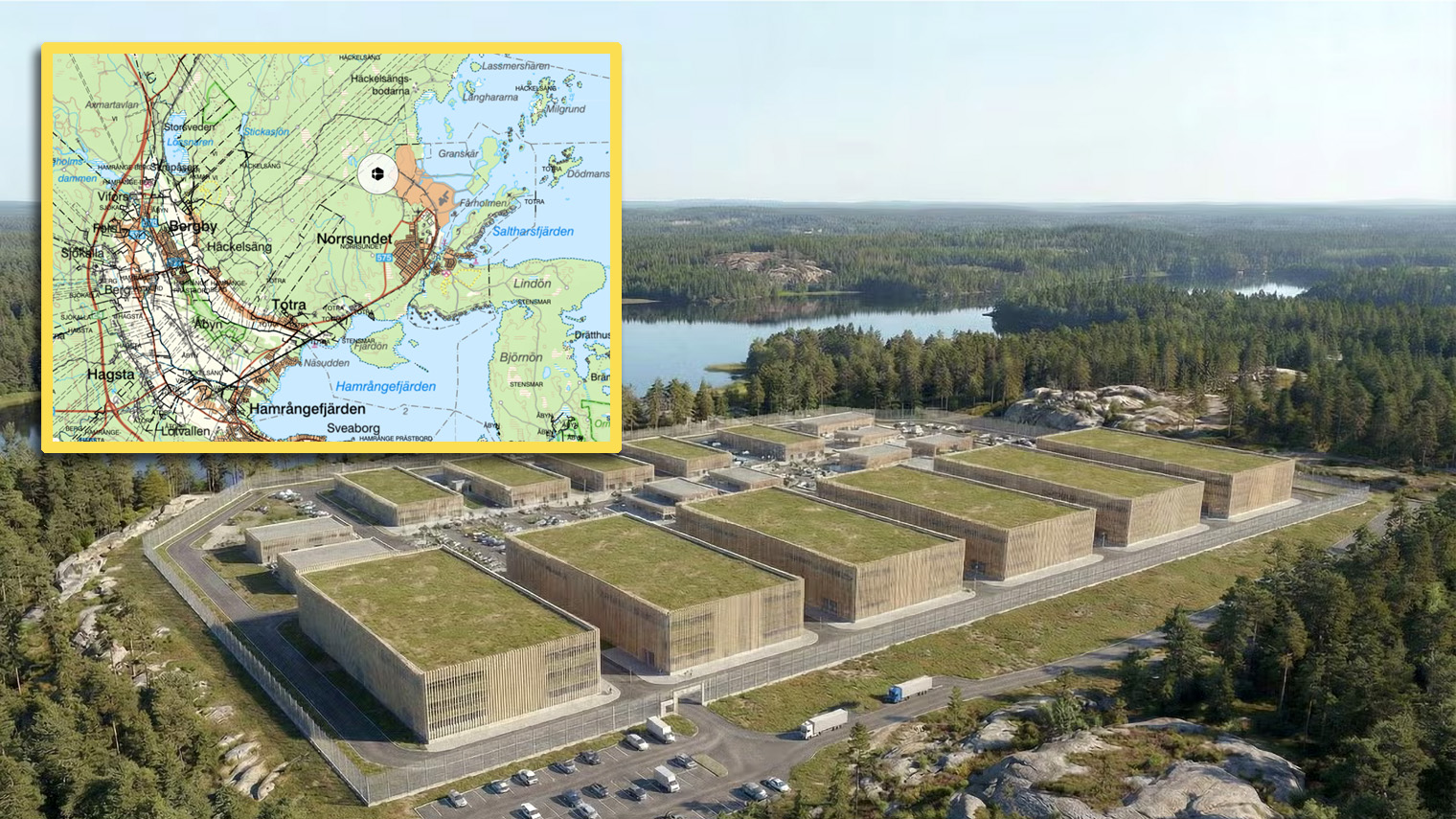
Gävle may be facing a historic breakthrough in energy supply. Plans for up to six small nuclear reactors in Norrsundet are now advancing, and the initiative could mean both new jobs and a significant addition of fossil-free electricity to the region.
Energy company Blykalla is taking further steps toward establishing a park of small modular reactors (SMR) in Norrsundet, outside Gävle. During an information meeting with local stakeholders, the company’s establishment manager, Andreas Törnblom, presented the plans and confirmed that the goal is to launch the permit process as early as 2026.
According to the company, the location is particularly attractive due to its infrastructure. The combination of a port, railway, and European highways, together with a relatively secluded setting, makes the area well suited for energy production on a large scale.
Blykalla has evaluated several locations in Sweden but sees Norrsundet as one of its most promising establishments.
Can Supply 150,000 Households
The planned facility consists of six lead-cooled reactors of the SEALER type, with a total capacity of about 300 megawatts. This corresponds to the electricity consumption of about 150,000 households – or several energy-intensive industries and data centers.
The background is a growing need for stable and fossil-free electricity in the region. For several years, concerns have been raised that electricity shortages risk stalling industrial development in the Gävle area, where demand already exceeds supply.
Blykalla’s CEO, Jacob Stedman, emphasizes that the initiative is not just about energy, but about growth.
– Gävle is a strategically important location where new electricity production can contribute to long-term growth and a stronger competitive edge, he said in a comment to GD.
New Technology with High Safety
The reactors planned for Norrsundet are based on Swedish-developed technology backed by over 25 years of research. Unlike traditional nuclear power plants, they are cooled with liquid lead, which offers several safety advantages.
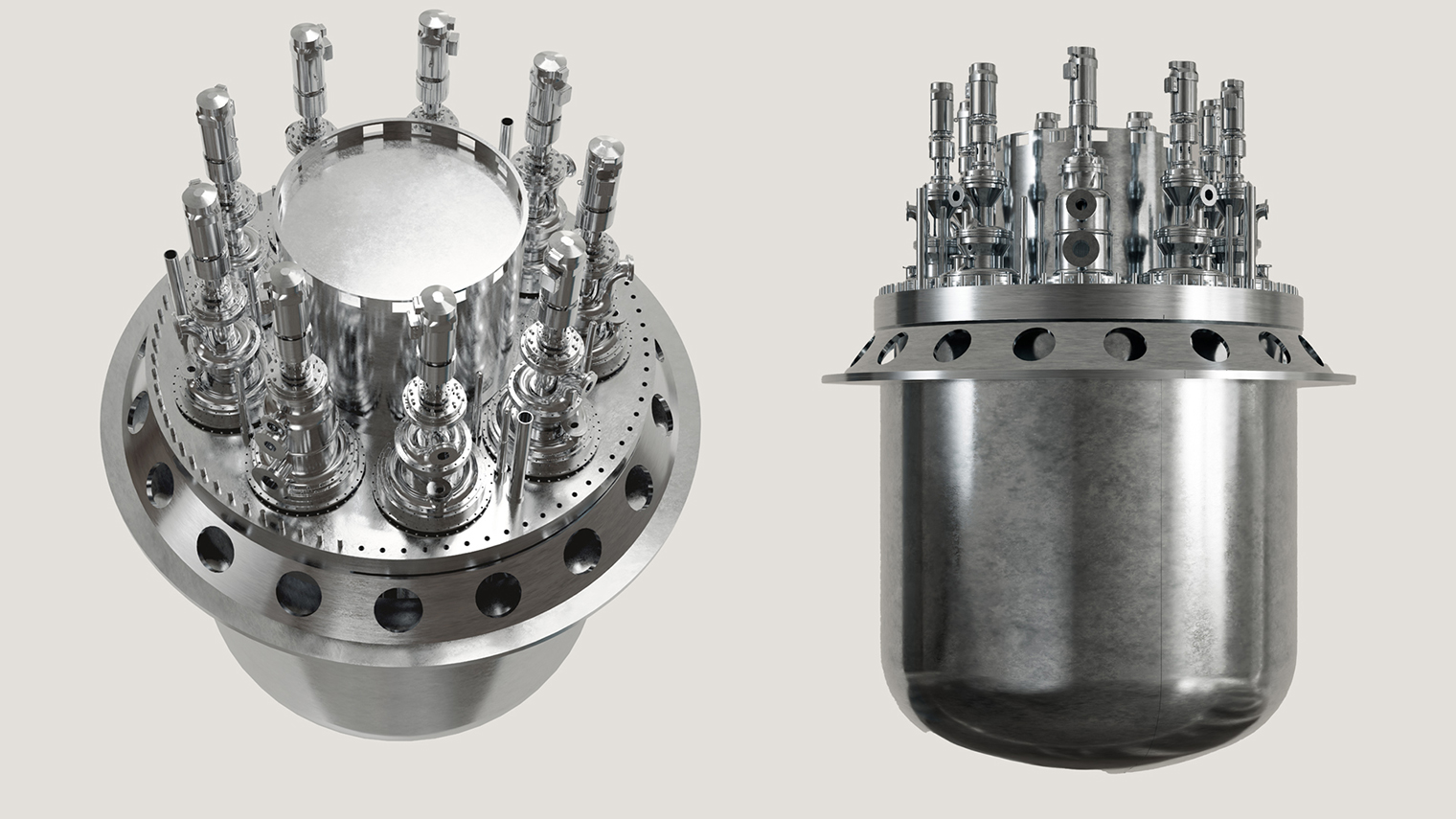
The lead has a very high boiling point and is chemically stable, which means the reactor can operate at low pressure. In addition, heat can be dissipated naturally without the need for advanced external systems. The material also serves as an extra shield against radiation.
Although the technology is not yet used commercially, Blykalla already has a research reactor in Oskarshamn and also plans a demonstration reactor in the USA. Törnblom emphasizes that experience from these facilities will serve as the basis for a future plant in Gävle.
Jobs and Regional Development
The project is expected to have a significant effect on the local labor market. The facility alone is estimated to create between 300 and 400 direct jobs, and several thousand indirect jobs in the region.
It has already been discussed that the establishment of both reactors and potential manufacturing could attract more industries to the area – something that has long been in demand.
Professor Janne Wallenius, one of the initiators behind Blykalla, has previously pointed out that the lack of local electricity production sometimes means new establishments have to be turned down.
Broad Political Support – but Opposition from the Left
The municipality has already opened the door to nuclear power by initiating dialogue with interested companies. The decision has gained support from a broad political majority, who see the initiative as an important step for the future energy supply.
At the same time, the Green Party and Left Party have chosen to oppose the plans. They have raised objections regarding the maturity of the technology and would prefer to prioritize other energy sources, despite the growing need for stable baseload power.
Other parties believe that it is precisely the combination of different energy sources – with nuclear power providing plannable production – that is crucial for a robust electricity system.
Long Process – but Clear Direction
Although the plans are now moving forward, a comprehensive permit process remains. The project must be approved by, among others, the Swedish Radiation Safety Authority, the Land and Environment Court, the government, and Gävle Municipality.
But if all decisions fall into place, the facility could be ready as early as the first half of the 2030s.
Blykalla also emphasizes the importance of local dialogue and continued cooperation with residents and authorities. Interest in the area has already proven to be high, with well-attended information meetings where both questions and engagement have been lively.
A Possible Breakthrough
With its six planned reactors, Norrsundet could become one of Sweden’s first sites for next-generation nuclear power. For Gävle, this would mean not just a significant increase of fossil-free electricity—but also an opportunity to take a leading role in the industrial transition.
After years of investigations and discussions, the project now looks set to move from idea to concrete reality.