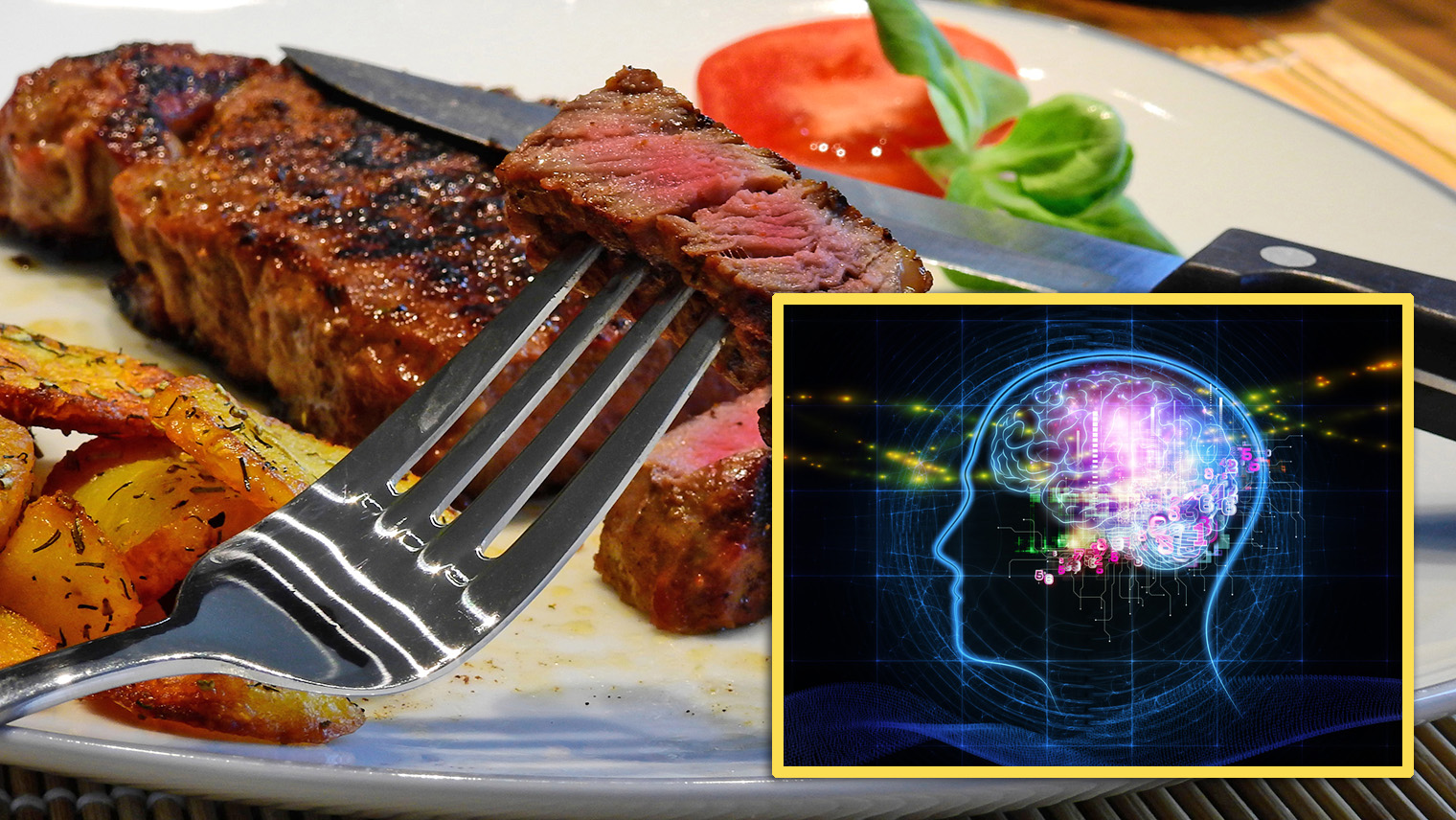
New research suggests that the composition of your diet could play a decisive role in how genetic risk factors for dementia develop. A long-term study reveals a particular pattern – a high intake of meat may prevent the development of Alzheimer’s and other dementias and improve cognitive health.
Scientists have long known that certain genetic variants increase the risk of Alzheimer’s disease. One of the most significant is the APOE gene, with the 3/4 and especially the 4/4 variants being linked to a markedly higher risk of both cognitive decline and dementia.
Against this backdrop, researchers at the Karolinska Institute in Stockholm wanted to examine whether lifestyle factors – particularly diet – could influence how this genetic risk actually manifests. The hypothesis was based on an evolutionary idea: that the APOE4 variant may have evolved during a period when human diets contained more animal foods.
Recently, climate arguments have increasingly urged us to avoid eating meat. But the price of this, in addition to the general problems of meeting the body’s need for high-quality protein, could also be worsened cognitive health and dementia.
Less Meat – Twice the Dementia Risk
To investigate the connection, just over 2,100 elderly people were followed for up to 15 years. All participants were over 60 and free from dementia at the start of the study. By analyzing their dietary habits and cognitive development over time, the researchers identified clear patterns.
READ ALSO: Young people choose meat – health and everyday life outweigh climate alarms
The results showed that people with genetic risk who ate less meat had more than twice the risk of developing dementia compared to those without these genetic variants. But the picture changed as meat consumption increased.
High Meat Intake Linked to Good Brain Health
Among the group who ate the most meat – about 870 grams per week – the expected increase in dementia risk was not observed. On the contrary, these individuals had more favorable cognitive development.
Interestingly, this effect was primarily seen in people with the high-risk gene variants. For them, a higher meat intake seemed to be able to mitigate or even counteract the otherwise increased risk.
The researchers state that this points to genes and diet interacting in a more complex way than previously thought, and that standardized dietary advice may not suit everyone.
The Quality of Meat Matters
The study also showed that it’s not just about the amount, but also the type of meat consumed. A lower proportion of processed meat – such as cold cuts and sausages – was linked to a lower risk of dementia regardless of genetic background.
This indicates that unprocessed meat may be a better option when it comes to supporting both brain health and general health.
High Meat Intake – Low Mortality
The researchers also found that people with genetic risk who ate more unprocessed meat had lower overall mortality. The results suggest that the importance of diet may stretch beyond cognitive function and affect health more broadly.
READ ALSO: Study: Meat-eaters live longer – or?
Despite the promising results, the researchers caution that the study is observational. This means that causation has not yet been established, only the beneficial associations observed. For deeper understanding, controlled clinical studies – where the effects of diet are more directly tested – are required.
At the same time, the results open up a new way of looking at dietary advice – taking genetic differences into account. In regions such as the Nordics, where the APOE4 variant is relatively common, this may be particularly relevant.
Health and Climate
The study provides a new view of how diet and genetics work together in the development of dementia. For those with high genetic risk, a higher intake of unprocessed meat may be linked to better cognitive health and lower risk of dementia.
If you want to feel good physically and intellectually, a high meat intake may be a guarantee – in contrast to the recommendations in the climate policy debate.