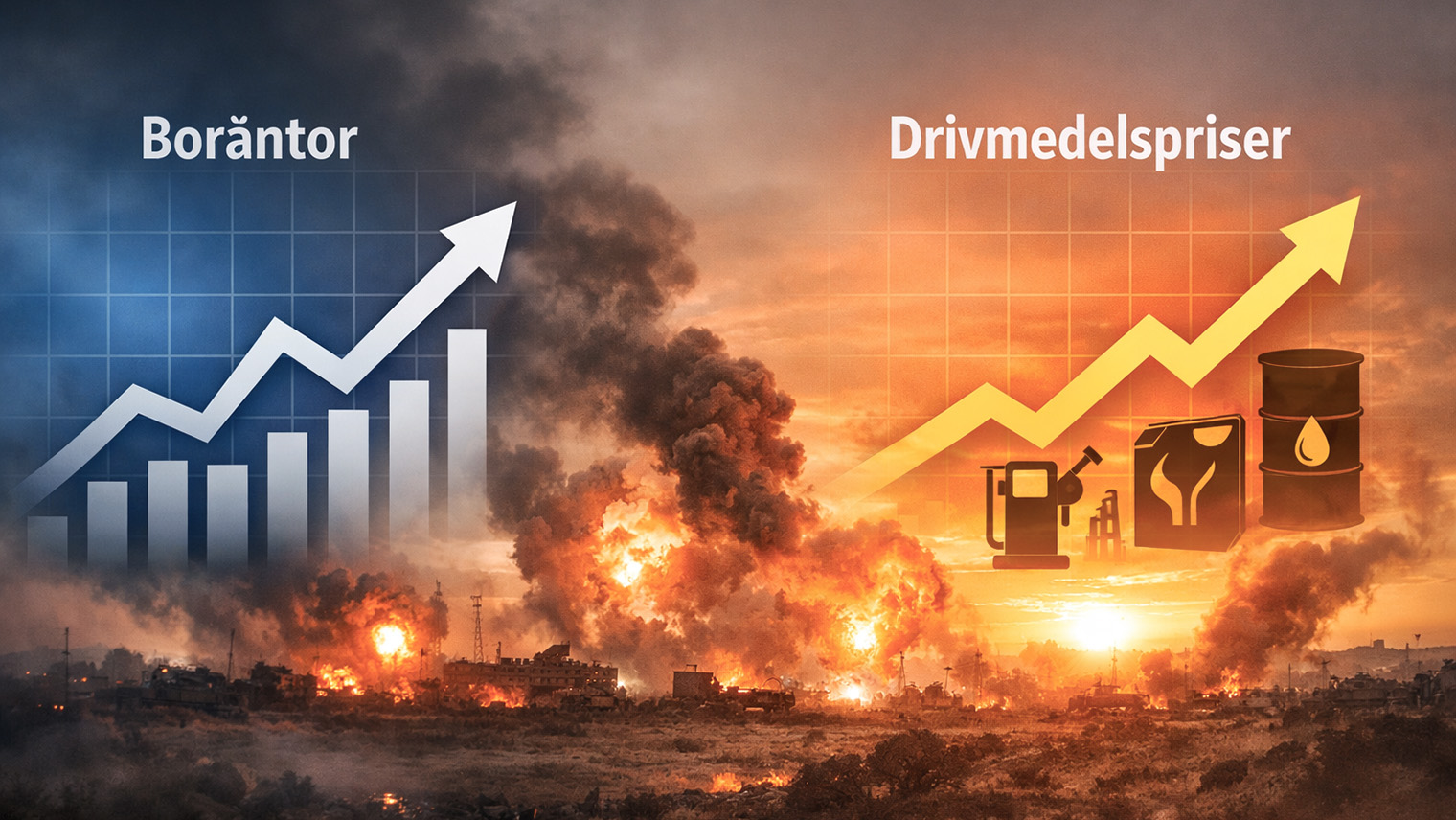
The escalating conflict in the Middle East is having increasingly apparent economic consequences far beyond the region. In Sweden, experts warn that both mortgage rates and inflation could rise faster than expected—while oil prices risk skyrocketing to levels reminiscent of previous energy crises.
The Riksbank recently chose to keep the policy interest rate unchanged at 1.75 percent, a level that has remained steady since autumn 2025. Currently, this is contributing to relatively stable mortgage rates.
But behind this decision lies unusually high uncertainty. In its latest announcement, the Riksbank emphasizes that developments in the wider world can quickly change the situation.
“The situation calls for vigilance. Besides the war in the Middle East, there are several other risks, and the range of possible outcomes is wide. The Riksbank is closely monitoring developments and will adjust monetary policy if the inflation and economic outlooks require it,” the bank writes in its press release.
The authority also underlines that “it is important to be prepared for the future to develop differently”
The background to the forecast is that the war situation in the Middle East has already led to major shifts in energy prices, currencies, and market interest rates. The dollar has strengthened, energy prices have risen, and growth is at risk of slowing down—while inflation could be reignited.
Experts: Several Rate Hikes May Be on the Table
Several economists now warn that the interest rate situation could change rapidly if the conflict becomes protracted.
SBAB’s chief economist Robert Boije points out that a more prolonged war could create broader inflationary pressures.
– If the conflict continues for much of the year, we’ll be in a completely different situation. Then it could well become necessary to implement rate increases if we see broader inflationary pressures, he said in a comment to Dagens Industri.
And it may involve more than just one hike. “Then we’re not just talking about one policy rate increase, but two, maybe three,” he predicts.
READ ALSO: Trump’s anger as Israel bombs gas field in Iran: ‘We didn’t know anything’
Other analysts also see a shift in the Riksbank’s behavior. SPP’s savings economist Shoka Åhrman believes the central bank may act faster than during previous inflation surges.
At the same time, the market has already started to price in higher interest rates, particularly affecting fixed-rate mortgages. The result is that Swedish households may again need to prepare for mortgage rates above three percent—or even higher—if inflation gains momentum.
Energy Prices Driving Inflation
The core of the concern is the energy market. When the conflict level rises in the Middle East, the oil price reacts quickly—which in turn impacts the entire economy.
Higher energy prices broadly hit transportation, food, and production that become more expensive. Darush Yazdanfar, professor of business administration and finance, describes the effect.
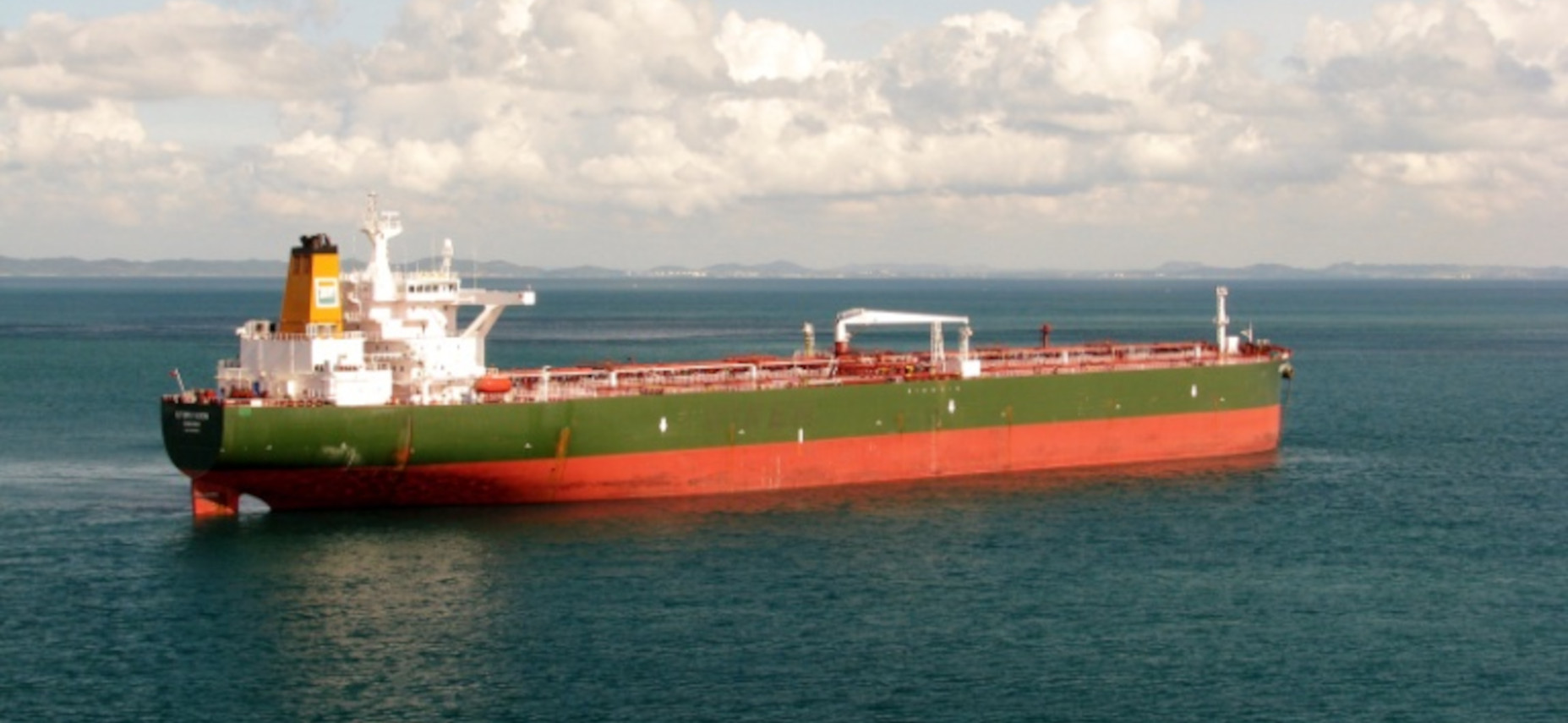
– Inflation will shoot up because the price of energy, crude oil, will rise. This will be seen across the Western world. For some countries, like Sweden, it will be more noticeable because we import much of what we consume, he said in a comment to Aftonbladet.
This is also the mechanism that may force central banks—including the Riksbank—to raise rates again, despite a weakening economy.
Oil Prices in Focus – Risk of Sharp Increases
While the interest rate market is on edge, the energy market is witnessing an extremely volatile phase.
Since the outbreak of war at the end of February, oil prices have moved sharply upward. Brent crude has reached around $119 per barrel, and analysts see a risk of significantly higher levels.
READ ALSO: Chief Economist: Iran War Could Hit the Economy Hard
Analysts point to several scenarios: $90–100 with ongoing uncertainty, $120–150 with serious disruptions, and up toward $180 per barrel in a worst-case scenario. Saudi Arabia warns that the price could exceed $180 if disruptions in the Strait of Hormuz persist.
Not Just Hormuz – New Threats to Energy Flows
Previously, the focus was entirely on the risk of a blockade of the Strait of Hormuz, one of the world’s most important oil transport routes. But now experts are pointing to a broader and more serious threat.
Commodity analyst Christian Kopfer warns of attacks on the energy infrastructure itself:
– If this escalates to attacks on oil and gas production, refineries, infrastructure, or ports, then we’re on another level. Then the Strait of Hormuz is no longer the biggest problem, he said in a comment to DN.
In recent days, several facilities in the region have been attacked or threatened, including in Saudi Arabia, Qatar, and Kuwait. A refinery in Yanbu has already been forced to close after an incident.
This creates a risk of more prolonged supply disruptions—which could drive prices further up.
Direct Effects on Households
For Swedish consumers, the effects are noticeable quickly, even if they don’t always appear immediately. Fuel prices are affected with some delay, but the correlation is clear. An increase in the oil price of ten dollars per barrel typically raises the gasoline price in Europe by about 0.8 to 1.2 kronor per liter.
Energy economist Claes Hemberg estimates that consumers will at least temporarily need to count on one or even two kronor higher gasoline prices. In a more negative scenario, prices may approach—or exceed—the levels seen during the 2022 energy crisis.
Double Pressure: Rates and Energy
All in all, Swedish households face a potential double blow. Higher energy prices driving up the cost of living, and rising interest rates making mortgages more expensive.
If the conflict drags on, these effects may reinforce each other. That’s also why both the Riksbank and economists are now urging caution—the situation can change rapidly, and the consequences may be felt in your wallet.