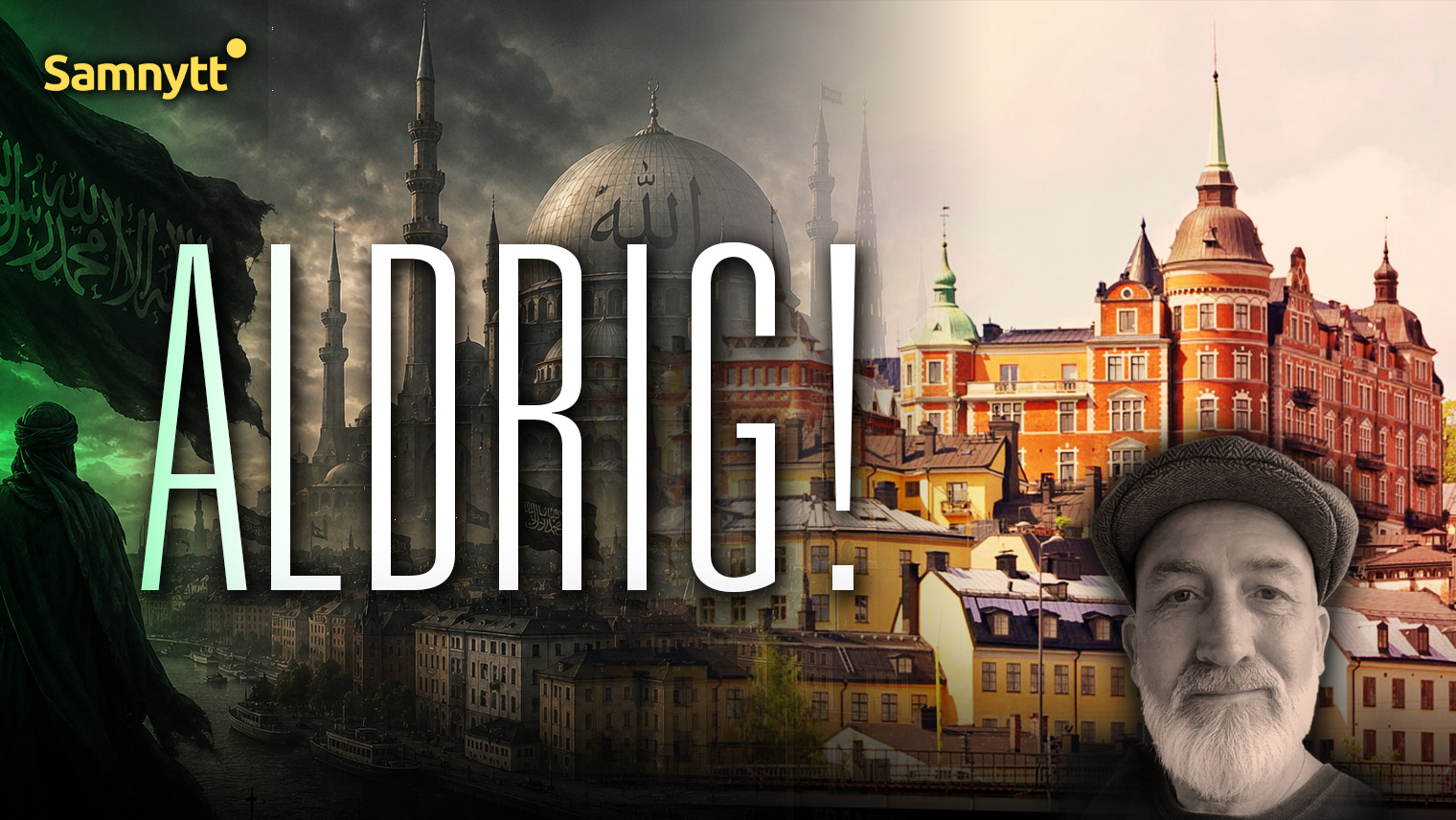
COLUMN • For years, warnings were issued about Islamism, honor culture, clan structures, and parallel societies. Those who raised the alarm were often met with accusations of exaggeration, xenophobia, or “Islamophobia.” Meanwhile, the developments continued. Now that sharia is being used for mediation and conflict resolution in Sweden, it serves as yet another reminder of something we should have understood long ago—a parallel society does not arise overnight. It is built piece by piece—while the surrounding community gets used to it, explains it away, and looks elsewhere.
There is a pathological streak in the Swedish debate on Islamism. We almost always discuss every new event as if it appeared out of thin air, completely disconnected from what happened last week, last year, or ten years ago.
An Islamist commits a terrorist act. An organization with ties to political Islam receives public funding. A mosque preaches values in direct conflict with those of a secular society. And now we’re discovering activities where sharia is used to resolve disputes between people in Sweden.
Each time, the discussion starts from scratch. What does this actually mean? Is it really an issue? Is it representative? Can it really be called Islamism? And above all—doesn’t the discussion itself risk stigmatizing Muslims?
And so the years pass. And while we debate the words, reality changes. The grip of Islamism tightens.
What We Said Would Never Happen
For many years, the Swedish self-image was built on a rather remarkable notion—that it is possible to receive people from cultures and societies with entirely different religious beliefs, political conflicts, and social structures on a large scale—without Sweden fundamentally changing.
READ ALSO: Police Officer Maria Rosander warns of Islamization: “Society is being eaten from within”
The Swedish society was supposed to absorb everything. The institutions would remain, the values would remain, secularism would remain. Views on women, homosexuality, religion, freedom of expression, and individual rights would, in some almost magical way, remain unchanged.
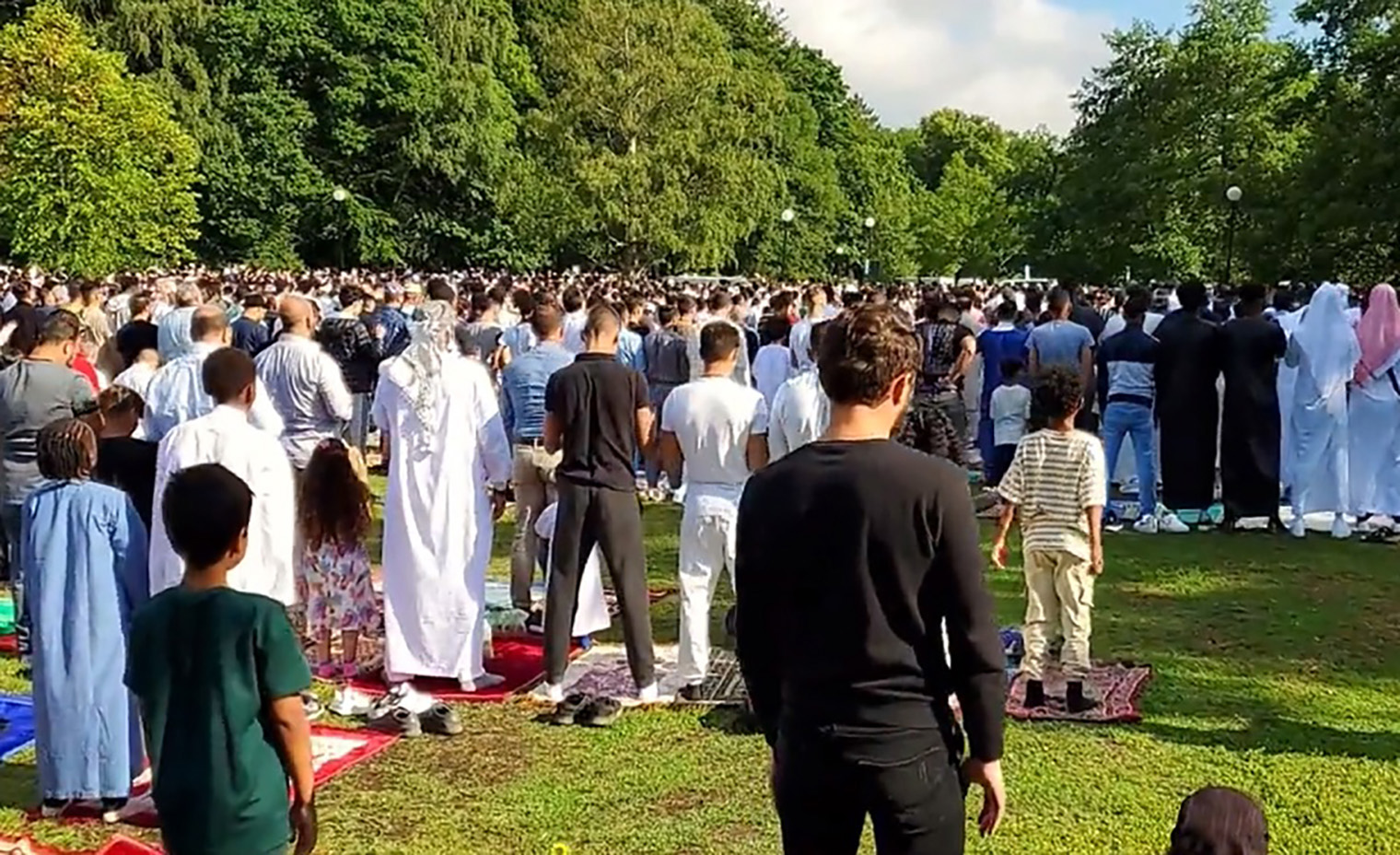
The people who warned about the opposite were, for a long time, accused of exaggerating, generalizing, or casting suspicion on minorities. The problem is that reality does not care about our good intentions. It continues, regardless of what we choose to call it. And now, here we are.
READ ALSO: The Prime Minister defends Islamization: “In Sweden, we do not demolish places of worship”
Sharia Needs No Judge’s Gavel
This is why the information about operations in Sweden where Islamic law is used for mediation and conflict resolution is so fundamentally interesting—and at the same time, so utterly unacceptable. When people hear the term “sharia court,” they might imagine a judge in a turban, a gavel, and a rival judiciary that has openly declared war on Swedish law.
READ ALSO: A Shift Nobody Voted For – Concrete Traces of Islamization in Sweden
That is, of course, not necessary. Parallel societal structures rarely arise because someone solemnly declares that the state will no longer apply as of Monday.
They emerge because people start turning elsewhere. To the imam, the family, the clan, religious mediators, or organizations whose authority ultimately comes not from Swedish law but from religion, tradition, and social pressure.
On paper, Swedish law still applies. But the truly interesting question is what actually governs people’s lives, their marriages, divorces, family conflicts, and daily routines. Power may reside somewhere entirely different from Sweden’s parliament and courts.
READ ALSO: Green Party Member Behind New Swedish Sharia Court—Wants Agreements With Mosques
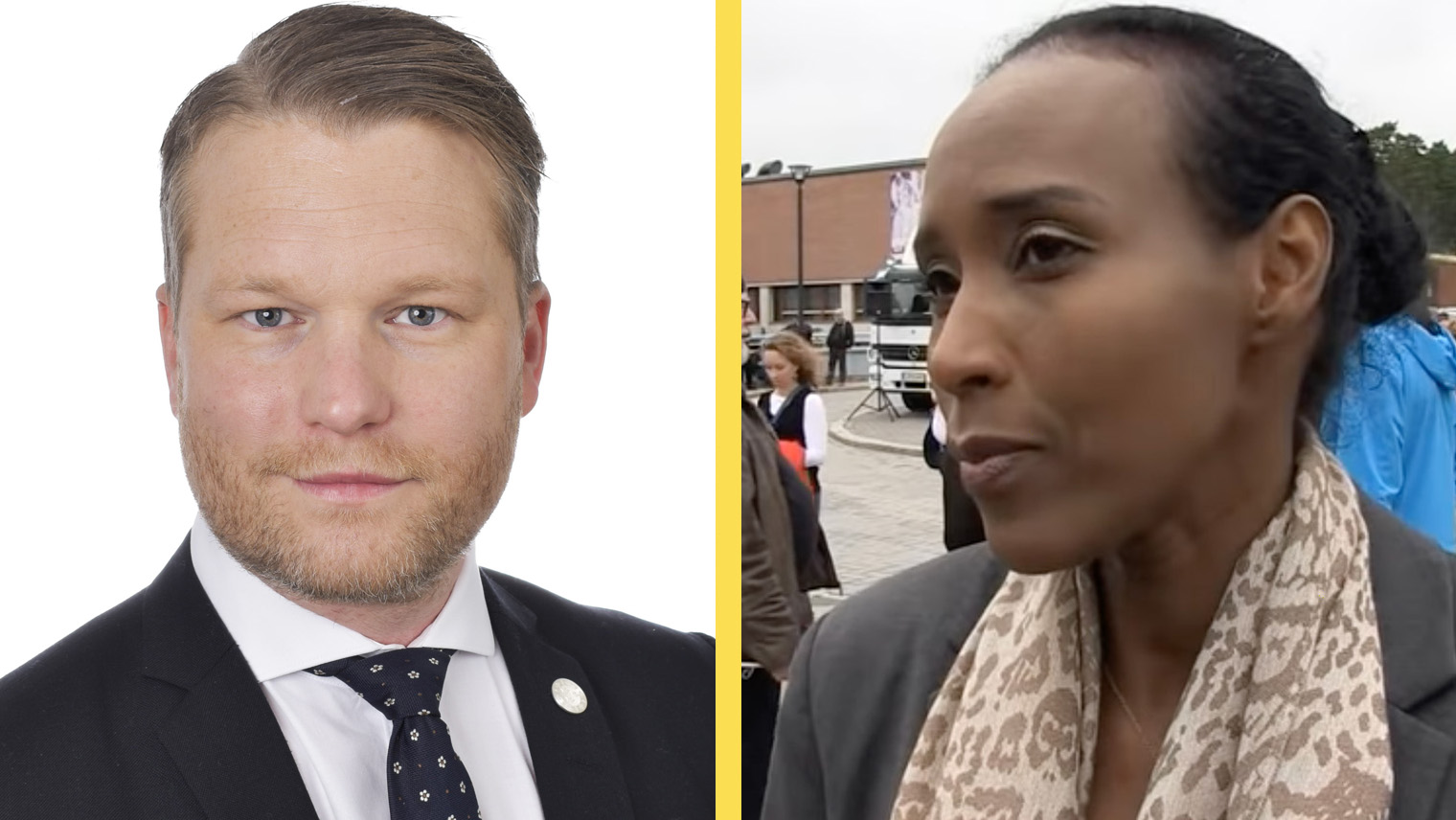
When I interviewed the Sweden Democrat Alexander Christiansson about this, he pointed to the UK, where the discussion about sharia councils and parallel religious structures has been ongoing for much longer. His warning is that Sweden is heading in the same direction.
Mona Walter, whom I have interviewed several times, believes that the issue isn’t just Islamism—but Islam itself. She warns of a doctrine with political and legal ambitions, sharia, and a view of women that, according to her, is in direct conflict with a free and secular Europe.
READ ALSO: INTERVIEW: Mona Walter’s Warning to Sweden
Of course, one can get stuck in the semantic debate over whether each such activity should legally be described as a “court.” But the more important question is why the need exists at all. Why isn’t Swedish law and Swedish institutions enough?
READ ALSO: “We Already Live as Dhimmis” – Mona Walter on Islamism’s Silent War on Sweden
And above all—what happens to individuals who formally have all the rights Swedish law offers, but who live in an environment where the family, congregation, or religious collective expects something entirely different?
This is where the issue becomes bigger than law. It’s about power. And without a doubt, it’s about an invasive ideology.
The person who most needs a strong secular society is not the religious patriarch who already has power over his family. It is his daughter. It is the woman who wants to divorce, the homosexual son, the young man or woman who no longer believes, and the Muslim who wants to practice his faith in his own way without submitting to the Islamists’ interpretation.
Jonas Andersson
Islam has a long history of conquest and imperial expansion. From the 7th century onward, Muslim armies left the Arabian Peninsula, conquered large parts of the Christian Middle East and North Africa, crushed the Persian Sassanid Empire, and continued deep into Europe.
If Europe’s expansion can be described as colonialism, there is no reason to use a beautifying language here—vast territories were conquered with military force and were Islamized and Arabized over the centuries that followed.
Slavery was never a European monopoly either. For centuries, Muslim Barbary corsairs from North Africa abducted Europeans from ships and coastal communities—from Italy and Spain to the UK and as far as Iceland—to sell them as slaves.
Historian Robert C. Davis, professor emeritus at Ohio State University, has estimated that between one and 1.25 million European Christians were enslaved by Muslim powers on the North African Barbary Coast between 1530 and 1780.
READ ALSO: Douglas Murray: The USA Has All the Prerequisites for Civil War
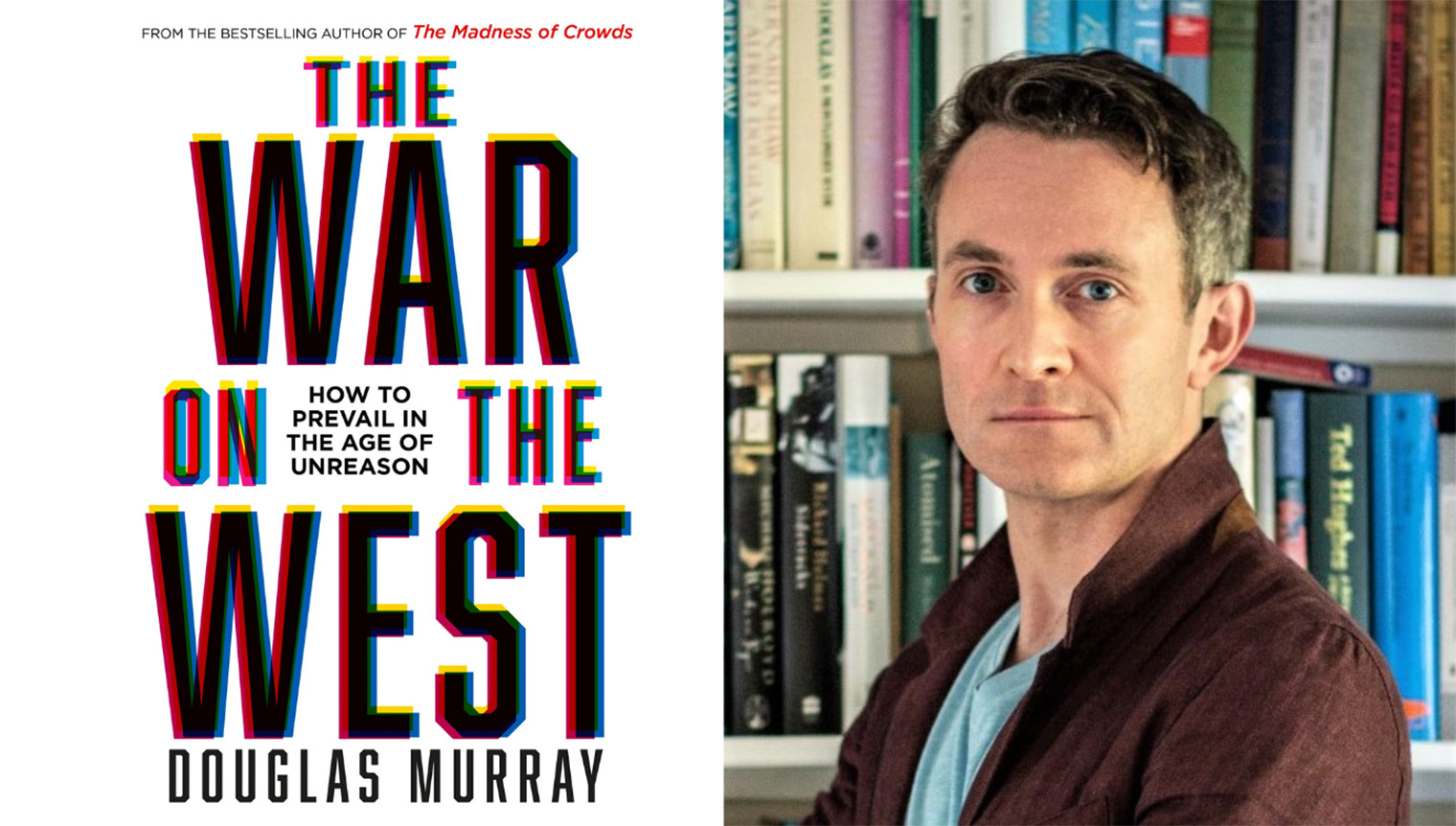
The author, commentator, and journalist Douglas Murray has repeatedly pointed to this as the forgotten mirror image of our modern narrative about slavery—Europeans were not just perpetrators in history—they were also commodities in Muslim slave markets.
And the British eventually became one of the foremost forces in abolishing slavery—they did not invent it.
The Weakest Pays the Price
We must also stop pretending that all people within Muslim communities have the same interests. Of course they do not, and that’s precisely why the Swedish reluctance to engage with this issue is so problematic.
READ ALSO: SD Senior Releases Book on Islam: “The Threat Is Existential”
The person who most needs a strong secular society is not the religious patriarch who already has power over his family. It is his daughter. It is the woman who wants to divorce, the homosexual son, the young man or woman who no longer believes, and the Muslim who wants to be a Muslim in their own way without submitting to the Islamists’ interpretation.
So when Western institutions, out of fear of seeming intolerant, accept religious parallel structures, it is far from obvious that they are helping minorities—quite the opposite. They may just as well be helping the minority’s power holders retain control over those at the bottom of the hierarchy.
READ ALSO: Police: Sweden’s Islamization Has Been Going on for 30 Years
This is a distinction much of the Swedish identity-political left has had a terribly hard time understanding. For so long, they have viewed the world through the categories of majority and minority—or victim and perpetrator—that they seem to have forgotten the individual.
And when Islam becomes the majority, well, then it will be too late.
“Islamophobia” – The Perfect Weapon
Here, too, comes one of Islamism’s most effective political weapons—the sham concept of “Islamophobia.” It works because it mixes two entirely different things and deliberately blurs the line between them.
Hatred of people because they are Muslims is, of course, reprehensible. But criticism of Islam, sharia, Islamist organizations, religious oppression of women, or political Islam is something else entirely.
Perhaps we have therefore been asking the wrong question all along. The question is not just how do we stop Islamism. The question is how do we stop Islam. A secular and liberal Europe must relate to the Islamic doctrine and those traditions that collide with the freedoms Europe is built on. Islam is incompatible with Europe. It always has been, and it still is.
Jonas Andersson
Yet the categories are constantly mixed. The result is almost perfect for those who wish to advance the position of Islamism—criticism of a political or religious idea can be turned into an attack on people. Suddenly the critic is the problem—not the Islamist.
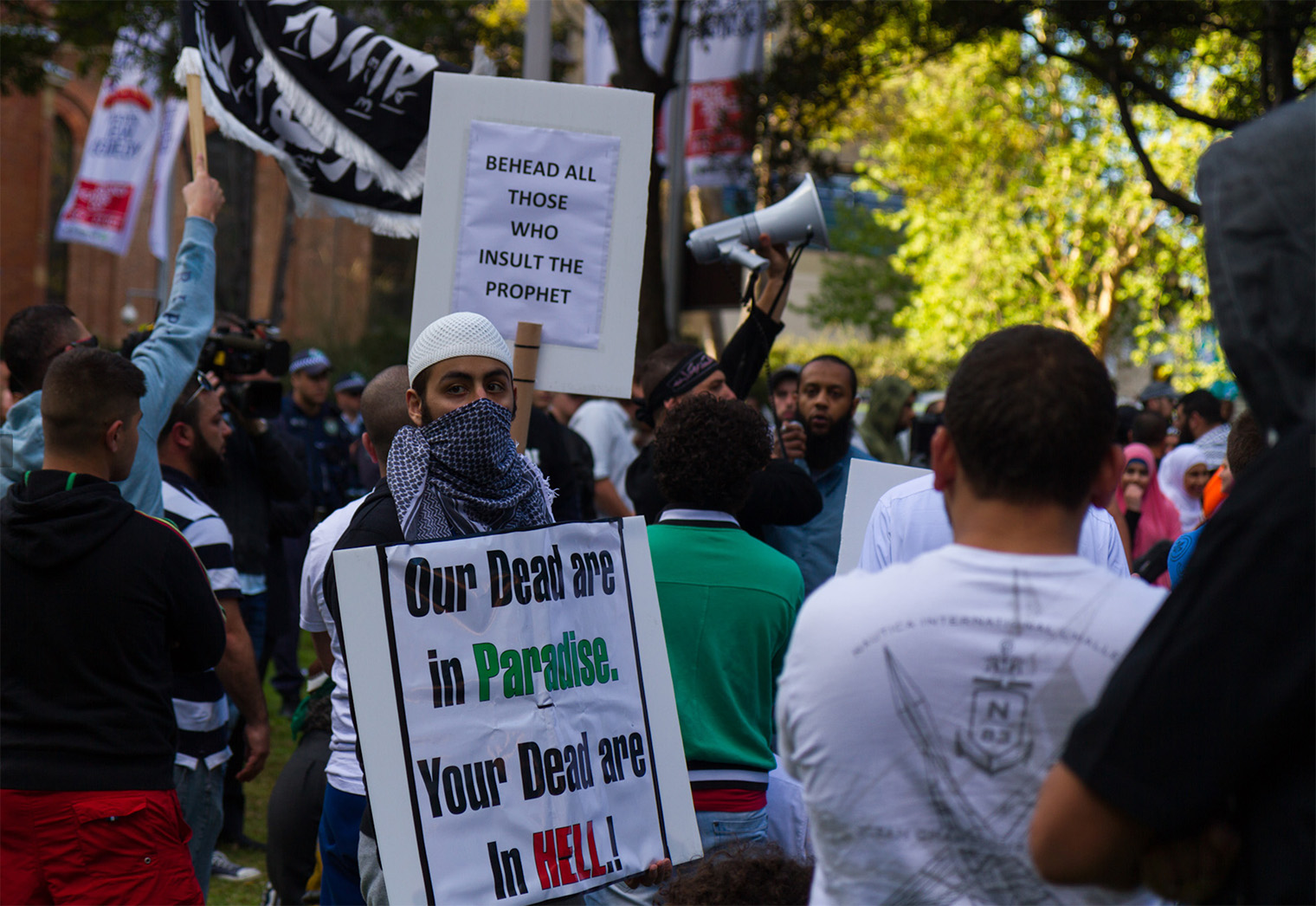
I have seen the same mechanism again and again in my work on articles about Islamism. After Islamist terrorist acts, it often doesn’t take long before a second narrative begins to compete with the first.
Not the narrative about the ideology behind the act, but the narrative about our response to it. Will Muslims be exposed to suspicion? Will right-wing extremism grow? Will someone generalize and express themselves inappropriately?
READ ALSO: The Only Thing That Must Never Be the Problem
The questions can, of course, be legitimate. But the proportions say something about our society. We have become so afraid of reacting wrongly to Islamism that the fear of our own reaction sometimes seems greater than the fear of Islamism itself.
And that could bring about our downfall.
It Is No Longer About the Future
For decades, the issue of Islamization could be treated as a prognosis. What happens if the parallel societies grow, if sharia becomes more significant, and if Islamic norms gradually push aside the values on which secular Sweden was built?
We have left that stage behind. When religious normative systems take institutional forms, when sharia is used for dispute resolution, when honor and clan structures coexist with Swedish institutions and people actually submit to norms that contradict those of the secular society, we are no longer discussing a possible future. We are discussing Sweden, here and now.
And on this point, I differ from those who stubbornly wish to draw a sharp line between Islam and Islamism. I believe this division is all too often used as an intellectual life buoy—each time Islamic texts, traditions, or legal notions collide with Western values, the problem is explained away as a distortion of the “real” religion.
We are waiting for the point when the development becomes so obvious that no one can deny it. But that point never arrives, because every time a new line is crossed, we get used to the new reality and shift the definition of what is considered normal. Sharia does not need to replace Swedish law to change Sweden. Islamism does not need to conquer Rosenbad to gain power. It is enough if we, step by step, accept that some people in Sweden will live under different rules, under different authorities, and with different freedoms than the rest of us.
Jonas Andersson
I don’t buy that explanation. Islamism has not arisen out of a vacuum; it draws ideas, legitimacy, and legal concepts from Islamic sources and traditions. This does not mean that all Muslims wish to live under sharia or despise Western freedoms, but it does mean we must dare to discuss the content of the religion—not just its most extreme political expressions.
READ ALSO: When Language Becomes Ideology: The Sham Concept Islamophobia and the West’s Self-Censorship
Of course there are secular, liberal, and reform-minded Muslims. The question I ask myself is rather how weak that force actually is when set against the conservative and literalist interpretations that prevail in most of the Muslim world.
So perhaps we have been asking the wrong question all along. The question is not just how we stop Islamism. The question is how do we stop Islam. A secular and free Europe must engage with Islamic doctrine and the traditions that collide with the freedoms Europe is built on.
Islam is incompatible with Europe. It always has been, and it still is.
We Don’t Need More Warnings
Sweden has been warned. By people who have fled Islamism, by women who have lived under honor oppression, by secular Muslims, ex-Muslims, researchers, police officers, journalists, and politicians. We have had decades to listen.
Yet the response has all too often been to attack the messenger, debate terminology, or reassure ourselves that the developments cannot possibly go as far here as they have elsewhere. That is perhaps the most Swedish part of the whole story.
SEE ALSO: VIDEO: Watch Jomshof’s Lecture on Islam
We wait for the point when developments become so obvious that no one can deny them. But that point never arrives, because every time a new line is crossed, we become accustomed to the new reality and move the definition of what is considered normal.
Sharia does not need to replace Swedish law to change Sweden. Islamism does not need to conquer Rosenbad to win power. It is enough if we, step by step, accept that some people in Sweden will live under different rules, different authorities, and different freedoms than the rest of us.
And perhaps that is precisely where the real battle takes place—a battle a freedom-loving Western society must be able to wage, now just as before in history. With pride and without apology.