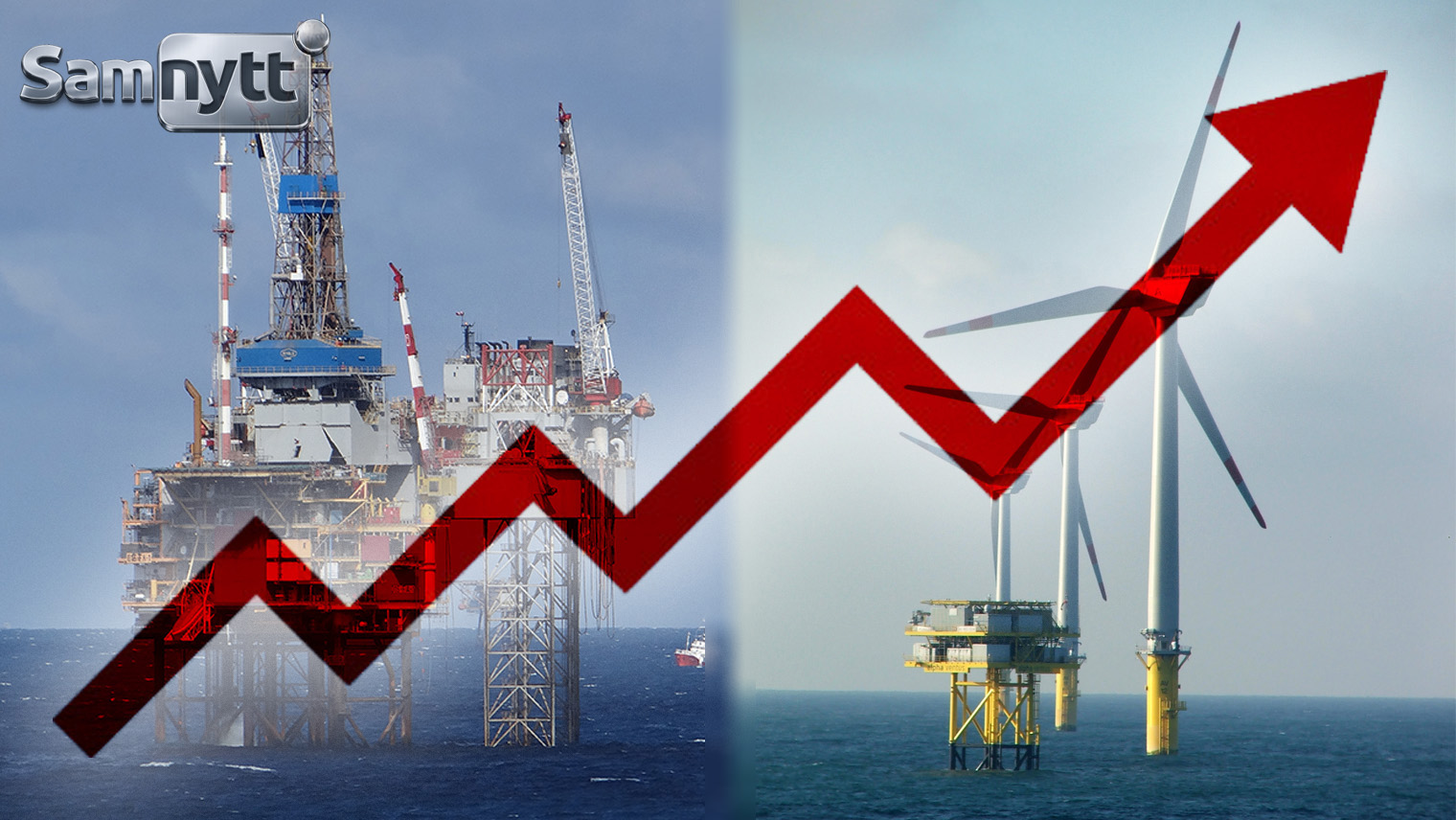
The unrest surrounding Iran has shaken energy markets—but also strengthened the results for both fossil and renewable companies. At the same time, the focus of the energy transition is shifting from climate to security, which could nevertheless give wind power a boost.
The geopolitical conflict in the Middle East has become the new catalyst for the energy transition. As countries worry about the supply of oil and gas, interest in domestic energy sources increases—especially renewables, where these energy sources’ disadvantages tend to fade into the background.
Danish company Vestas reported a significantly higher profit than expected in the first quarter of this year. The company points to improved efficiency in both onshore and offshore wind power, despite a more uncertain political climate. Ørsted also exceeded forecasts, highlighting developments in the Middle East as an argument for increasing investments in green technology.
Oil Companies Profit—But Invest in Green Energy
At the same time, traditional energy companies continue to perform strongly. Norwegian Equinor reported its best quarterly profit in three years, driven by rising fossil fuel prices after the outbreak of war.
But the company also sees opportunities in the transition. CFO Torgrim Reitan believes that the drivers have changed, with less focus on climate goals and more on energy security and self-sufficiency.
READ ALSO: Trump: “To be honest—my favorite thing is to take the oil in Iran”
Many have interpreted the decreased focus on climate as synonymous with fewer investments in solar and wind. But in times of fossil energy crises, the effect is the opposite. The shift is expected to benefit investments in Equinor’s renewable energy ventures, such as large offshore wind farms in the USA, Poland, and the UK.
Europe Wants to Reduce Its Dependence
For Ørsted, the message is clear—Europe needs to lessen its dependence on imported fossil fuels. CEO Rasmus Errboe points out that the continent spends enormous sums every week on energy imports—money that could instead be invested in domestic production.
Offshore wind power in particular is highlighted as a solution that can strengthen energy security while lowering costs in the long run. Whether increased investments in renewables will truly enhance energy security, however, remains unclear. The problems persist: wind and solar do not deliver when the wind isn’t blowing or the sun isn’t shining.
Political Disagreement Doesn’t Hinder Progress
Despite criticism from US President Donald Trump, long a skeptic of wind power, development continues. Whether this is for better or worse remains to be seen.
EU Climate Commissioner Wopke Hoekstra has—not entirely unexpectedly—dismissed the criticism and emphasized that Europe has a completely different view on the need to move away from fossil fuels compared to the US.
READ ALSO: Hidden Billions Keep Wind Power Alive
Vestas CEO Henrik Andersen underlines that individual political opinions won’t stop the :censored:6:cdd6bbaa89: trend toward electrification and renewable energy. Still, he has a financial interest in saying so.
Another factor claimed to strengthen wind power’s future is the growing energy demand from data centers and AI development. Vestas is in discussions with players in the data center industry about how renewable electricity can support expansion—something hoped to become a key growth driver going forward.
Not Everyone Is Convinced
Despite the optimism, some analysts urge caution. Several observers say it is still unclear whether the conflict will actually lead to a rapid increase in renewable investments in the short term.
The assessment is that Vestas may benefit the most from a potential acceleration, while Ørsted is mainly focused on carrying out already planned projects. And even if development heads in that direction, not everyone is convinced that it leads to a more secure energy supply. According to skeptics, the answer is spelled nuclear power.
A Paradoxical Situation
The war around Iran has created a paradoxical situation. Fossil energy companies are profiting from rising prices. Meanwhile, renewable energy is gaining increased strategic value.
The decisive shift is that the energy transition is no longer driven solely by the climate issue, but increasingly by geopolitics and the need for energy security. Time will tell whether new thinking—but the same types of energy investments—will make a difference.