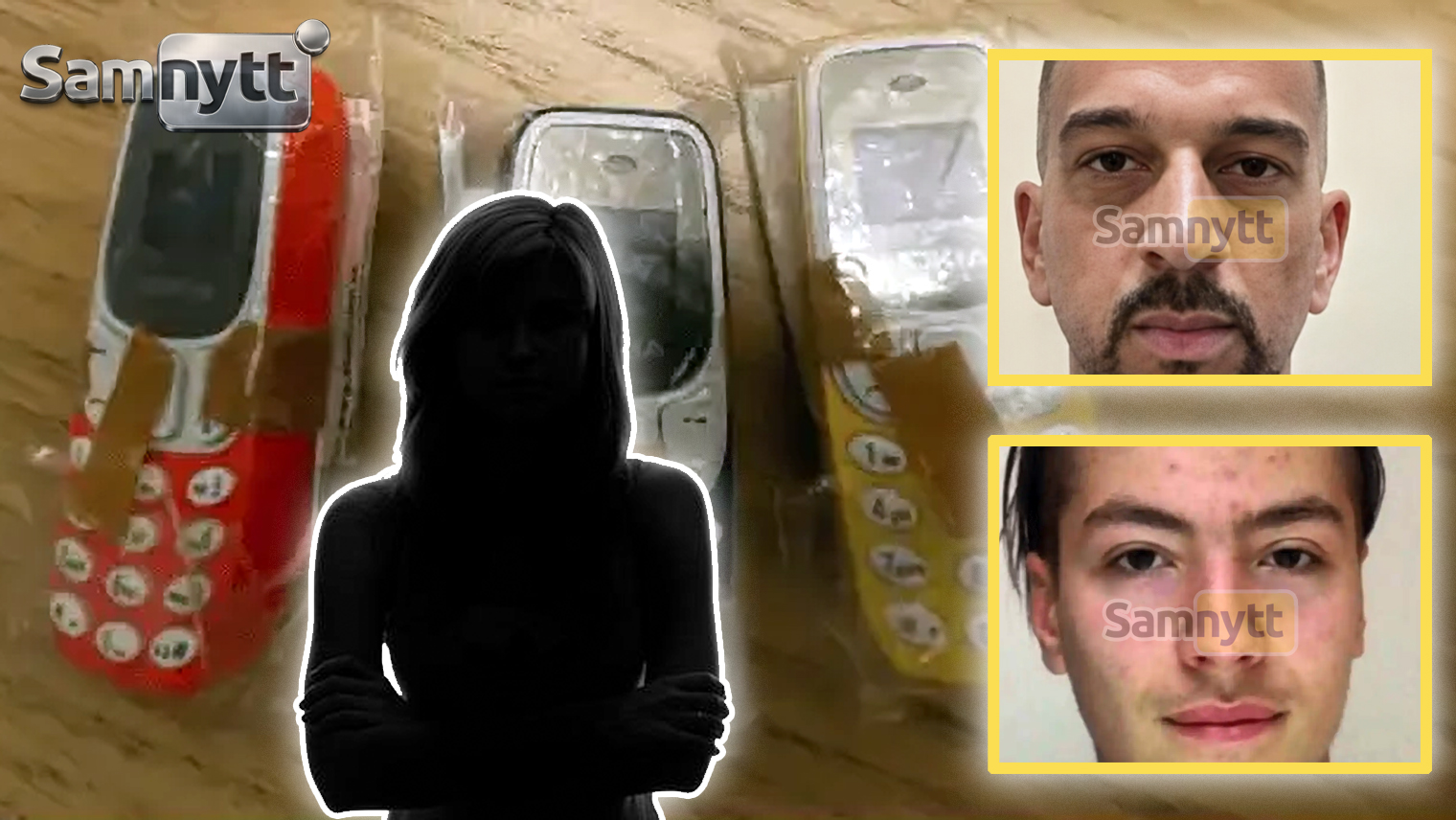
A female prison officer had decided to quit. But before she left her job at the Norrtälje Prison, she would become a central figure in a bribery scandal involving miniature mobile phones being smuggled to hardened gang criminals. Now, the unfolding events expose how relationships, manipulation, and money can undermine the security in Sweden’s most guarded prisons.
It began with what seemed like a strange Google search. On September 21st, the female prison officer, in her 30s, typed in a question about whether metal objects would be detected by a security scanner if hidden inside the body. Just over a month later, the police raided her home.
By that point, investigators had been wiretapping her, a male colleague, and several inmates with links to serious, organized migration-related crime for some time.
One of the contacts in her phone led to an inmate from Gothenburg — described by staff as both charismatic and highly influential over those around him.
“He’s quite charming, you know. He tries to charm — and all the clients try that with the women,” said a prison officer during questioning.
The same colleague believed that the tactic proved successful with the woman, who had fallen deeply in love with the gang criminal.
Miniature Mobile Phones
Despite strict controls, several inmates suddenly gained the ability to communicate freely — making calls and receiving messages without supervision. These weren’t regular mobile phones, but extremely small devices — barely bigger than half a pen — easy to hide in a cell environment.
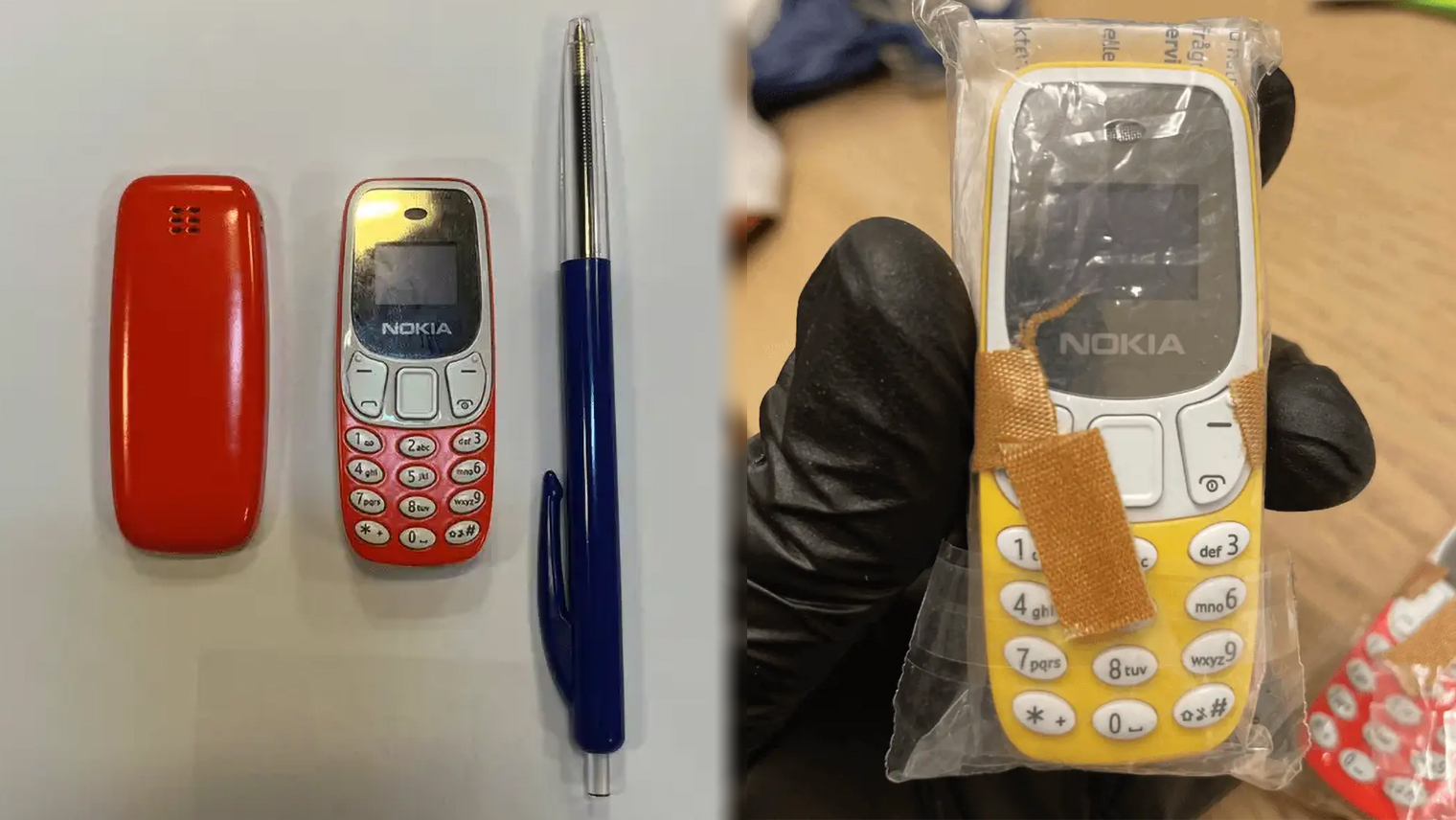
The investigation revealed that the phones were bought in Gothenburg and sent to Stockholm. But getting them into the prison required more than just planning. The woman didn’t trust that they would pass through security unnoticed.
She wore a bra with a metal underwire, allowing her to explain away the alarm in the security arch. When she was searched, the check was superficial — and she was let in.
She later recounted that she had hidden the phones inside her body — in her vagina — and only removed them at work, where they were handed over to a colleague. Soon after, the phones began connecting to the mobile network around the prison.
A Network Takes Shape
Prosecutor Oskar Edvardsson charged eight people in the network. The female officer was later convicted of gross bribery and gross misconduct in office. According to the investigation, she received at least 32,000 kronor.
READ MORE: Charges: Gang Leader Bribed Prison Officer in Prison
Her male colleague was found guilty of similar crimes, after taking money and helping to pass the phones along. Several people were identified as being behind the bribes — among them gang leader Eddie Jobe, a key figure in the conflicts in Biskopsgården, Gothenburg.
Orders from Abroad
Wiretapped calls show that the smuggling was coordinated even from outside prison walls.
In one of the calls, Eddie Jobe is heard saying: “But I’m just thinking, brother, let them pay her so she’s not disappointed, you know…”
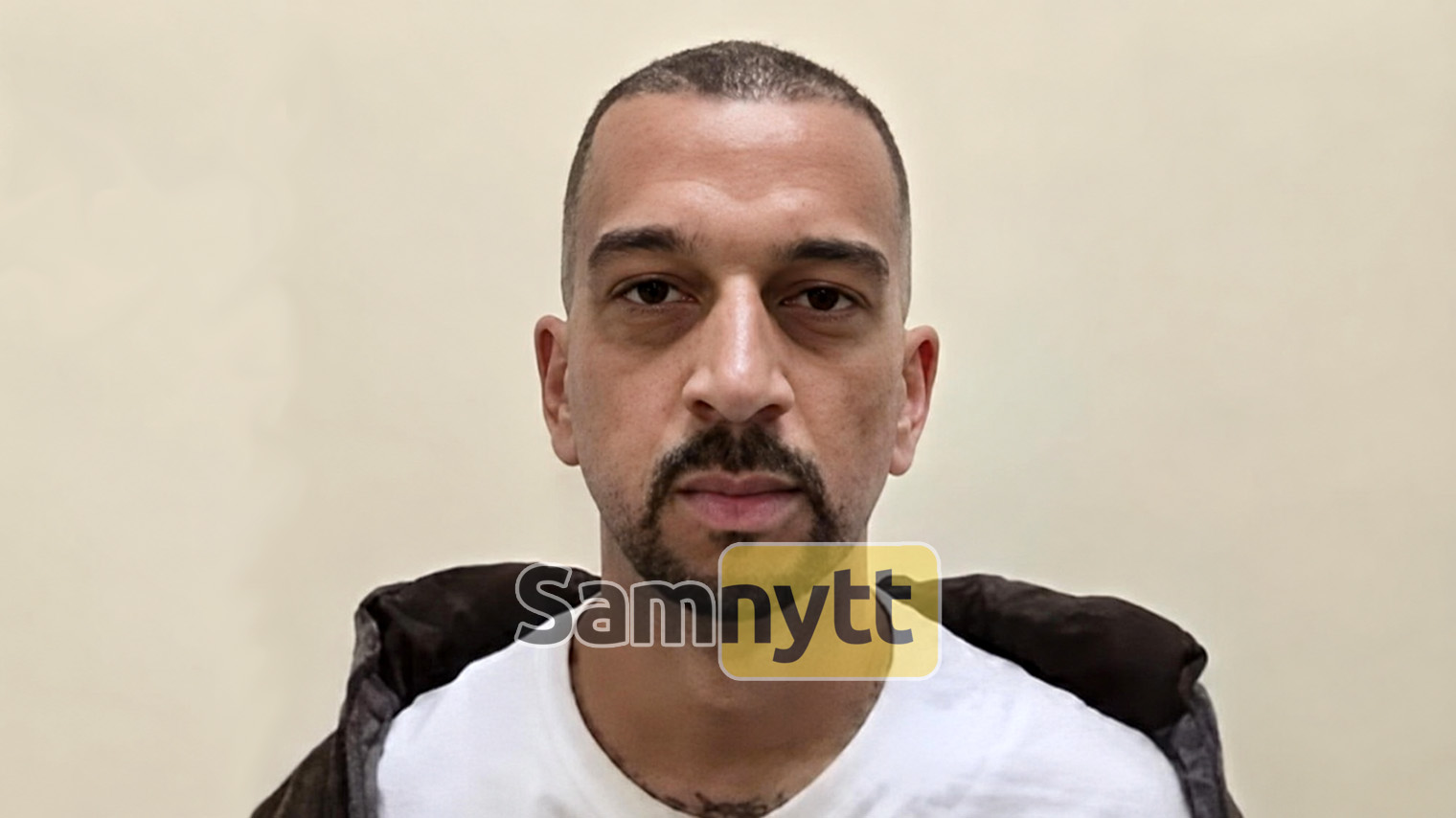
Soon after, he was arrested in Vienna, Austria, suspected of an older murder case. News of the arrest spread quickly — and caused confusion among his contacts.
“Bro, first of all, what’s he doing in Austria? … I thought he was in Mexico,” one person says in an intercepted call.
Life Inside – Boundaries Become Blurred
Inside the prison, the work environment is described as one where the boundaries between staff and inmates have sometimes become unclear. The male prison officer reportedly had especially close cooperation with certain inmates and called his working style “trust-based.”
He himself claimed the money he accepted related to plans for a future business venture.
“I don’t close any doors because I’m also interested and want to make money and create a good life for myself.”
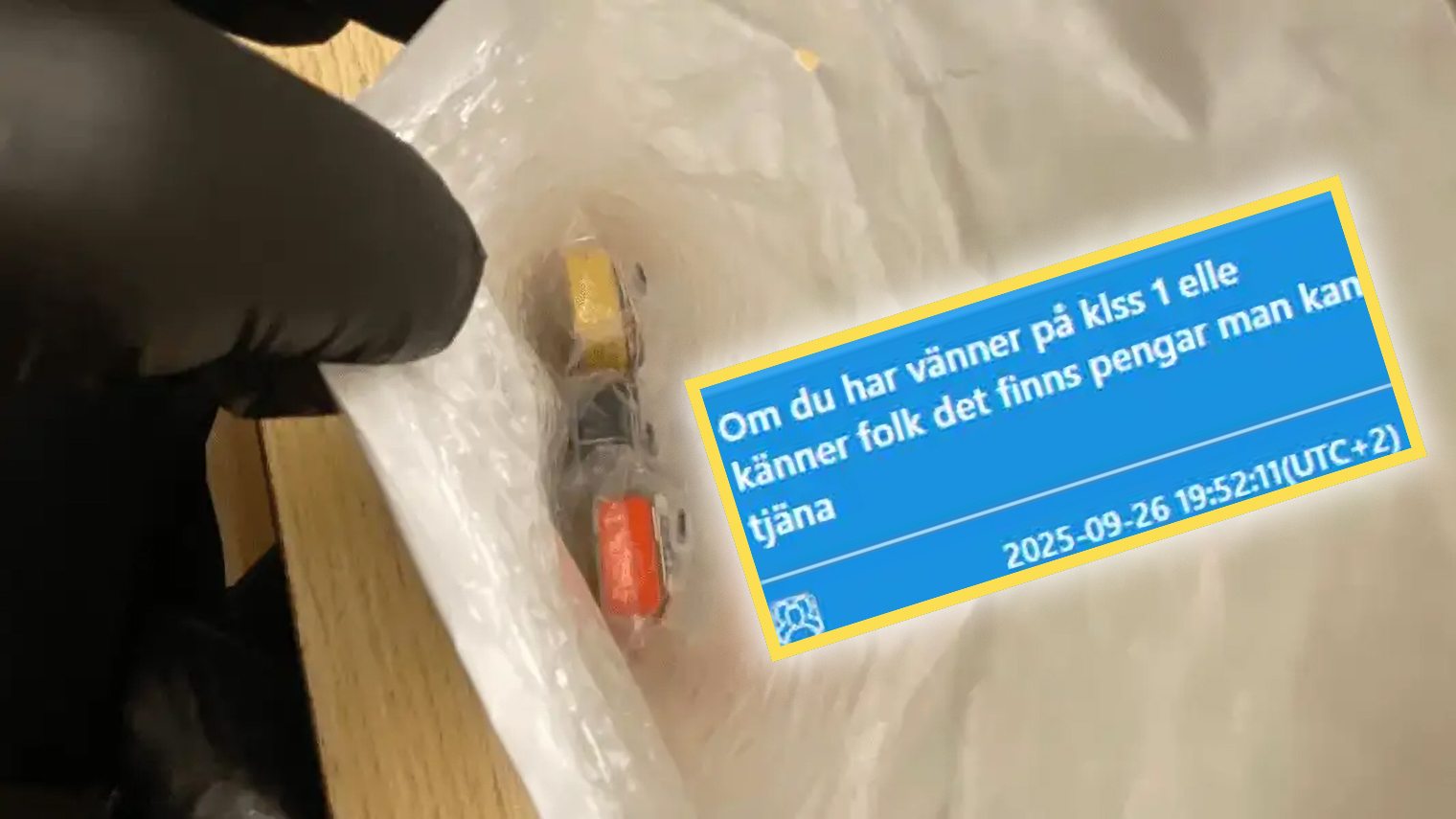
For the female colleague, the situation was more complex. She stated she felt isolated at work and also had problems in her private life.
She also spoke about harassment from inmates — including highly offensive drawings. None of this was reported to police.
“In the End, I Couldn’t Say No Anymore”
Shortly before the summer of 2025, the woman resigned. But before leaving, she took the decisive step. In questioning, she described how the inmate repeatedly asked for her help — and how her resistance eventually broke down.
“And in the end, I just couldn’t say no anymore. So I said okay.”
When asked why, she explained it was about “friendship, contact, and belonging” with the gang-affiliated inmates.
Crimes Continued Behind Bars
Police surveillance showed the phones were used for more than everyday calls. Discussions about drug trafficking, new criminal plans, and strategies to strengthen the network’s influence appear in the material.

Several of the inmates who had access to the phones are described as high up in the criminal hierarchy, including Semir Hasooni, who is already serving a life sentence.
The Verdicts
The district court sentenced everyone involved to prison. The female prison officer received one year and three months. Her colleague was sentenced to one year and nine months.
Eddie Jobe received nine months for his role in the bribery offenses. The other participants received shorter sentences.
Cracks in the System
The case has once again put the spotlight on the vulnerabilities in the prison service’s security systems—even in the country’s most secure institutions. When relationships become too close and loyalties shift, control can be lost quickly.
In this case, it only took one person on the inside to open the door. This incident is just the latest in a series where prison officers—often women—have started relationships with inmates and begun doing favors for them.