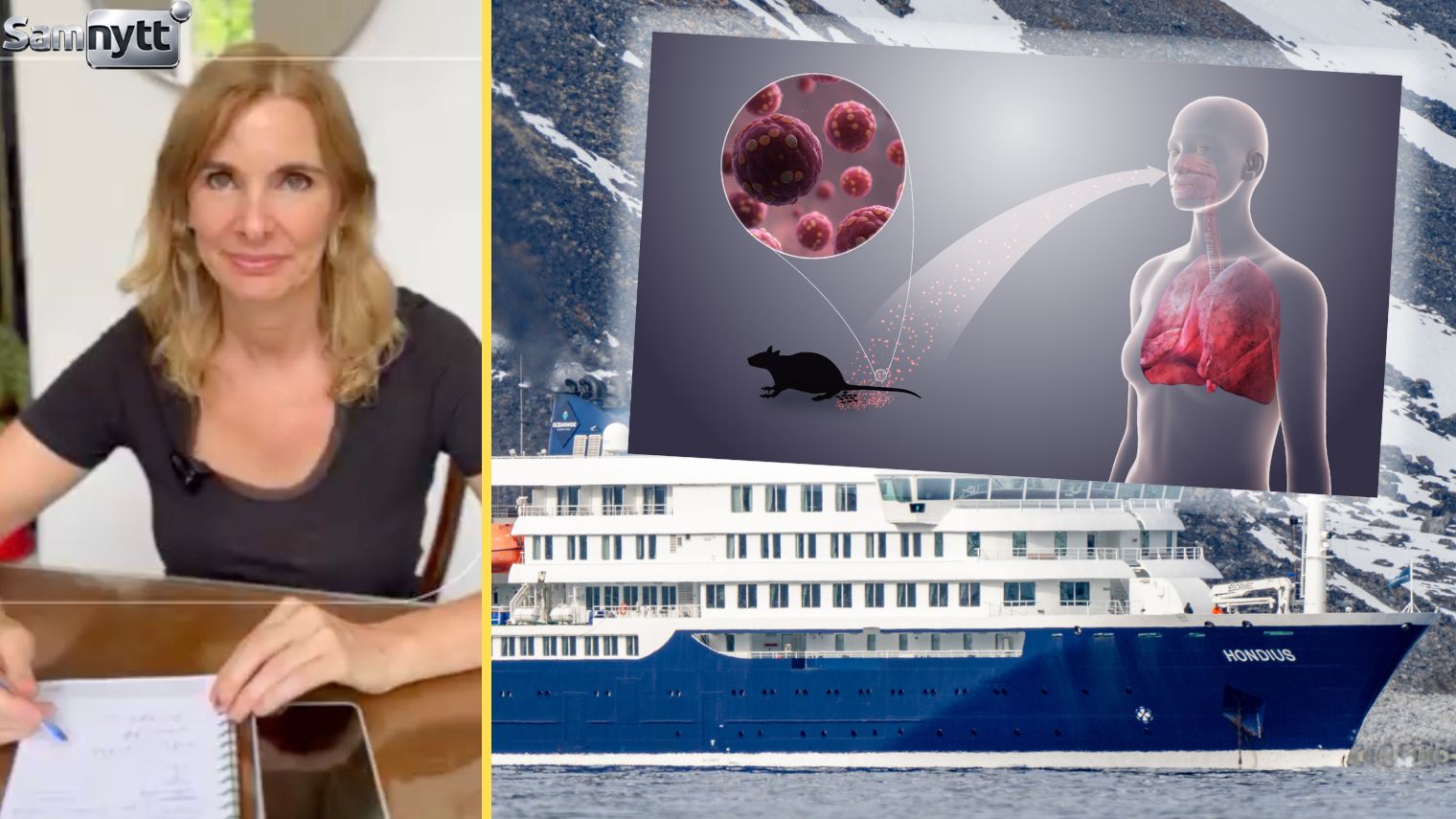
A cruise ship traveling from South America to the Canary Islands has experienced a hantavirus outbreak. Several cases have been confirmed onboard, sparking significant international attention. This concerns the so-called Andes strain—the only known variant of hantavirus that in some cases can be transmitted between humans. However, an Argentinian infectious disease specialist downplays the severity.
– It in no way has the same pandemic potential as Covid, says Alejandra Gaiano.
In the spring of 2026, an unusual outbreak of the Andes strain of hantavirus has garnered :censored:6:cdd6bbaa89: attention after several cases were linked to the expedition cruise ship MV Hondius.
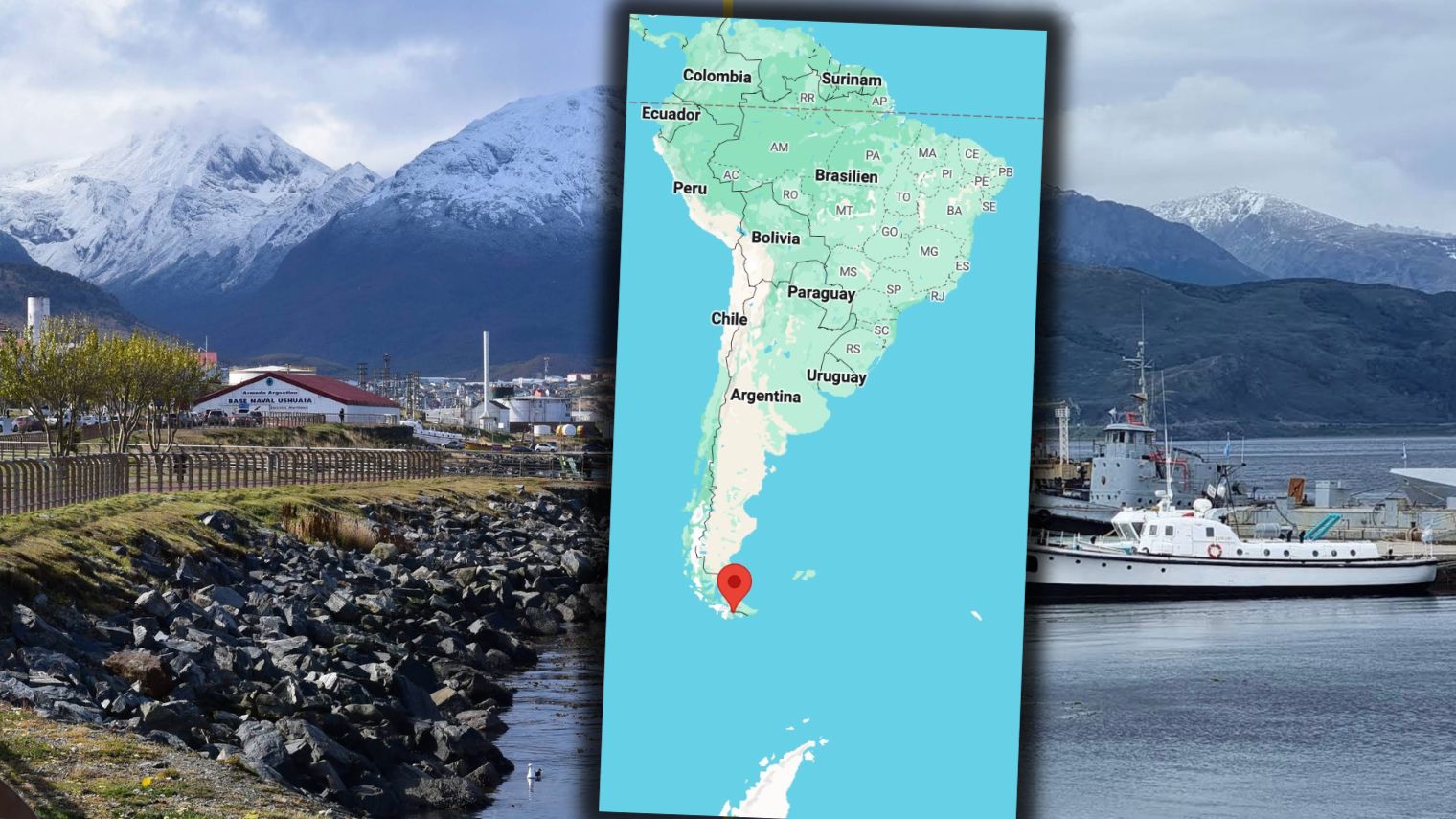
The ship departed from the city of Ushuaia, located in the province of Tierra del Fuego in southern Argentina, on April 1st with about 140 passengers and crew onboard, and was en route to the Canary Islands when the cases began to emerge. Ushuaia often serves as a departure point for expeditions to Antarctica.
According to the World Health Organization (WHO), a total of eight people have fallen ill with suspected or confirmed hantavirus infection, of whom six cases have been confirmed as the Andes strain.
Three people have died. Among the fatalities is a 70-year-old Dutch man who died onboard on April 11th; his wife, who later died in South Africa after leaving the ship on the island of Saint Helena in the Atlantic and continuing her travels, as well as an older German woman who also fell ill during the voyage.
The outbreak has attracted great international attention and caused concern since the Andes virus is the only known type of hantavirus that, in some cases, can be transmitted between people through close contact. Over the weekend, the ship carrying the infected passengers is expected to reach the Canary Islands.
WHO and Argentina downplay concerns
At the same time, both WHO and disease control experts emphasize that the virus is significantly less contagious than, for example, Covid-19 and is not considered to have pandemic potential.
Argentinian authorities have also downplayed suspicions that the outbreak originated in the province of Tierra del Fuego around Ushuaia, though the investigation is still ongoing. Argentina has also reported a number of sporadic hantavirus cases during the year, but authorities do not describe the situation as a larger national outbreak.
According to Argentinian infectious disease expert Alejandra Gaiano, contagion is much lower than with, for example, Covid-19, even though the virus can be transmitted between humans under certain circumstances.
– The majority of those who were infected with the Andes strain from person to person had close contact, she says in an interview with the Argentinian newspaper La Nación.
She also emphasizes that the situation on the cruise ship is exceptional, as many people were confined together for an extended period in enclosed areas.
– It in no way has the same pandemic potential as Covid, but people must of course take proper precautions, Gaiano tells La Nación.
Authorities reported that 29 people disembarked at various stops during the journey from Argentina towards North Africa. It remains unclear how close these individuals were to the infected patients.
Can be transmitted via body fluids
Experts also warn that the incubation period can be unusually long. Symptoms may appear anywhere from four to 45 days after exposure to the virus.
Infectious disease doctor Alejandra Gaiano emphasizes that isolation is the most important precaution for people who have been in close contact with infected individuals. At the same time, she warns that transmission may continue if isolation is ended prematurely or if people continue daily activities despite symptoms.
Knowledge about the Andes strain is still limited, and research on its transmission between humans is relatively scarce. However, there are documented cases of transmission via body fluids and close physical contact.
Researchers have linked infection to saliva, respiratory secretions, breast milk, and sexual contact. The virus can also remain infectious for up to two weeks after initial symptoms appear. In some cases, people infected with hantavirus are recommended to stay isolated for up to 40 days.
Early care is crucial
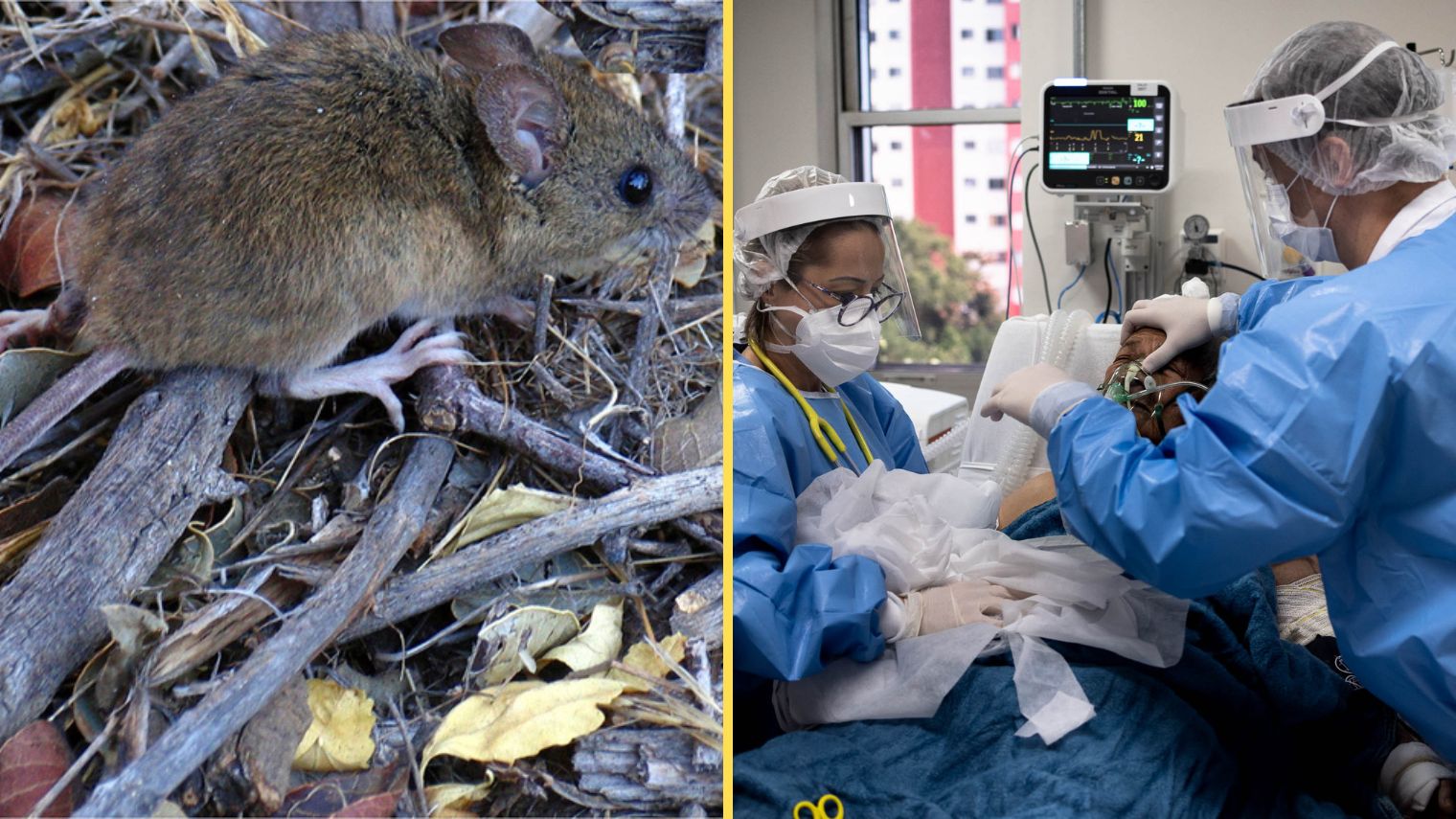
The infectious disease expert emphasizes that rapid care is crucial in suspected hantavirus infection. Early symptoms may resemble the flu, with fever, muscle pain, and fatigue, which sometimes means the disease is missed at first. According to experts, delayed treatment can have serious consequences if the right intervention is not provided in time.
– If a hantavirus infection is suspected, the person must be admitted to hospital since the condition can become severe within just a few hours. What is then needed is mechanical ventilation and cardiac and pulmonary support until the immune system manages to fight off the virus, she tells La Nación.
The disease can worsen quickly and in serious cases cause acute respiratory failure. Treatment primarily consists of advanced supportive care, including respiratory and cardiac support, while the immune system fights the virus.
Previous outbreaks in Argentina
The Andes strain of hantavirus was first discovered in Argentina in 1995 during an outbreak of the severe disease hantavirus pulmonary syndrome in Patagonia, near the Andes mountain range. The virus was named after the range and was later identified in Chile as well.
What made the virus internationally notable was a larger outbreak around the town of El Bolsón in southwestern Argentina in 1996. For the first time, researchers confirmed that a hantavirus could be transmitted between humans—something never before documented with this virus group.
The outbreak involved at least 16 people, many of whom could be linked to close contact between infected individuals. Genetic analysis of samples from patients later reinforced evidence of human-to-human transmission.
During the winter of 2018-2019, Argentina experienced another major outbreak in the city of Epuyén in Chubut province, Patagonia. Thirty-four people were infected and eleven died. Over 140 people were quarantined on suspicion of human transmission.

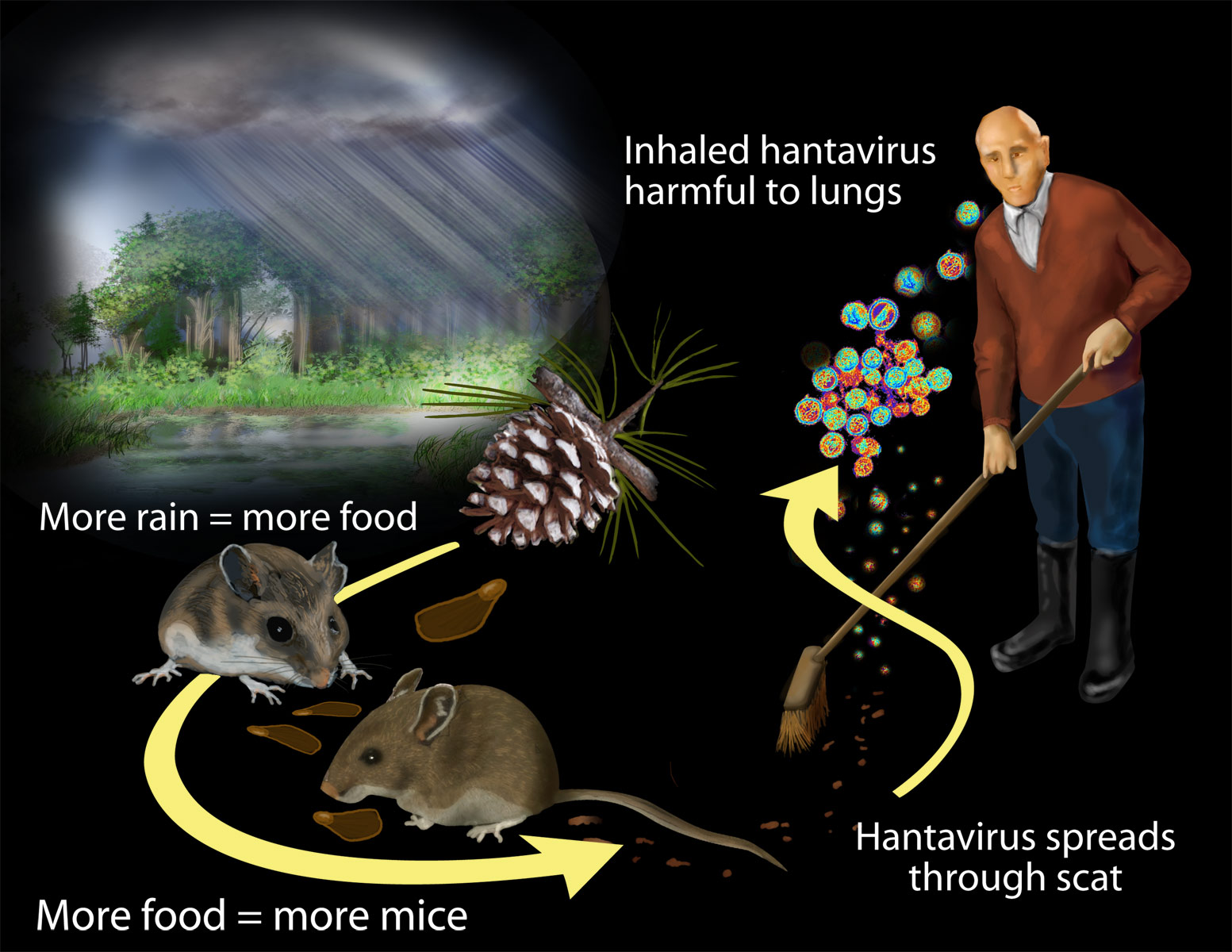
Since then, recurring smaller outbreaks have been reported primarily in Argentina and Chile. The virus is usually spread from infected rodents when people inhale viral particles from urine, feces, or saliva. The Andes strain remains the only known hantavirus where human-to-human transmission has been scientifically documented.
Infection has been linked to cabins, sheds, and other enclosed environments where rodents have been present, as well as to camping and forest areas in parts of Patagonia and the Andes mountains—where people are in close proximity to nature and wilderness areas.
The Andes strain remains the only known hantavirus where human-to-human transmission has been scientifically documented. Experts believe such transmission mainly occurs through close and prolonged contact with infected persons, particularly via body fluids and respiratory secretions. Despite this, the virus has never demonstrated the same rapid spread as, for example, influenza or Covid-19.
The mortality rate for the Andes strain of hantavirus is high. In severe cases, the virus can cause acute respiratory failure and cardiac complications, and in some historical outbreaks, mortality has been estimated at between 30 and 40 percent. In Argentina, over a thousand cases of the severe hantavirus disease have been reported since the mid-1990s.
READ ALSO: After virus outbreak on ship – new vaccine being developed