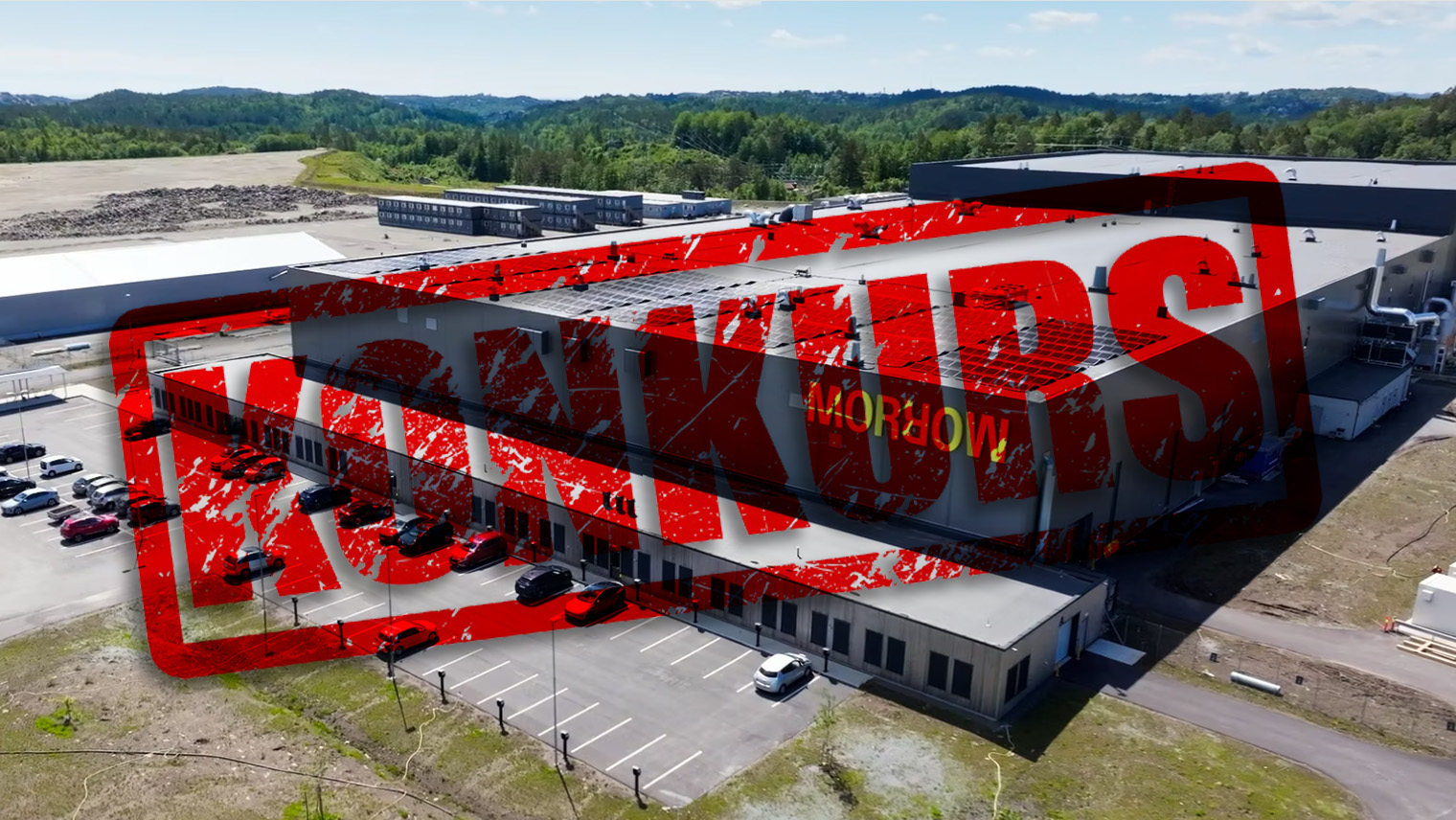
As the Norwegian battery company Morrow Batteries now files for bankruptcy, uncomfortable parallels are drawn to Sweden’s Northvolt. Green visions, state-funded multibillion investments, and big promises about the industry of the future have in both cases been followed by economic setbacks – and ultimately it is the taxpayers who risk footing the bill.
What only a few years ago was presented as a flagship for Europe’s green industry has now reached a dead end. Norwegian Morrow Batteries has filed for bankruptcy, together with its subsidiaries.
Behind the decision lies an increasingly strained financial situation and failed attempts to secure new capital. Chairperson Ann Christin Andersen describes the situation bluntly.
– We have worked intensely to find a sustainable solution but have not managed to secure sufficient financing within the available timeframe.
The bankruptcy means that over 200 employees now risk losing their jobs. At the same time, it marks the end of an initiative in which more than 5 billion Norwegian kroner was invested – by owners, lenders, and not least the state, i.e., the taxpayers.
Massive Public Funding – and Growing Criticism
A significant share of the financing came from public sources. State loans via Innovation Norway, investments from state-owned companies, and various support programs together pumped billions into the project.
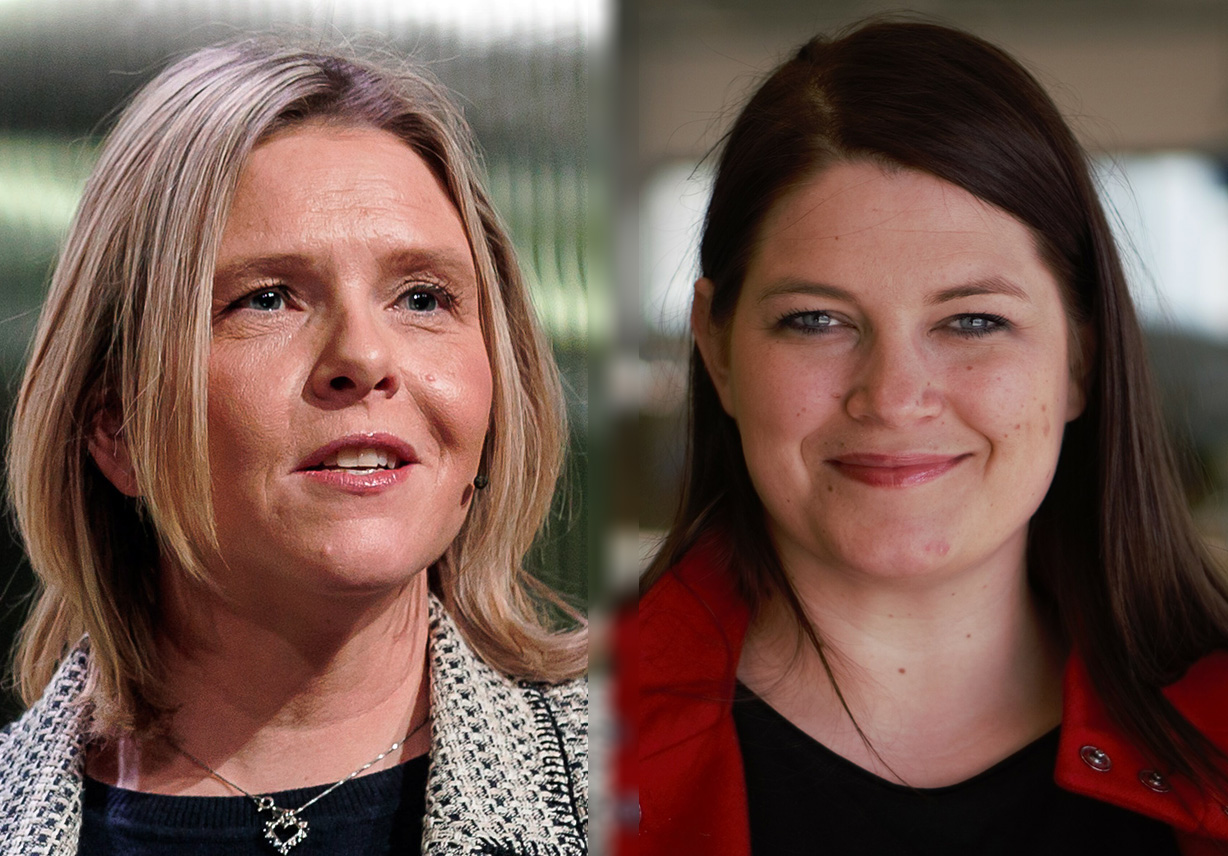
This has now become a political issue. The leader of the Progress Party, Sylvi Listhaug, is demanding answers.
– I said when this loan was granted that the government was acting against its better judgment and must be held accountable if this ends up being yet another pipe dream. That is now the case.
Meanwhile, the government defends the initiative. The Minister for Trade and Industry, Cecilie Myrseth, emphasizes that risk is part of industrial policy – even if it, as here, involves playing with other people’s money.
– We must dare to invest in value creation for the future, even if it entails risk.
A Business Idea That Never Took Off
Morrow was founded in 2020 with a vision to revolutionize the battery market. Originally, the company was to produce lithium–sulfur batteries based on residual products from Norway’s oil industry – an idea that combined climate benefit with industrial innovation.
But reality turned out differently. The technological shift to more established lithium iron phosphate batteries (LFP) meant the company was thrown into brutal :censored:6:cdd6bbaa89: competition. Chinese manufacturers pushed down prices while large European automotive companies failed to become customers.
The ambitions had to be dramatically scaled back: from a planned 32 GWh down to a factory of just 1 GWh. Instead of major car contracts, customers became small energy storage players. Occasional agreements – including with Finnish company Proventia and a German defense client – brought in entirely insufficient revenues.
The Similarities with Northvolt
The parallel to Northvolt is clear. Here too the narrative was built around Europe’s green transition – a new industry that would reduce dependence on Asia while creating jobs and growth. Here too money flowed in – from the state, the EU, and in Sweden’s case also pension funds. And here too, reality has proven far more complicated than the green dream.
READ ALSO: Taxpayers Pay for Northvolt’s Crash
A capital-intensive build-up – battery production requires enormous investments long before revenues arise. Technical and commercial uncertainty – production issues and difficulties achieving scale have slowed development plus :censored:6:cdd6bbaa89: price pressure – Asian players with established production have set a price level that is hard to match.

The result is projects that are much easier to justify environmentally than from a business economics standpoint. In Morrow’s case, the consequence became clear. Time – and money – ran out before the enterprise could become self-sustaining. Critics argue that day realistically was never going to come.
A Forewarned Collapse
The bankruptcy did not come as a bolt from the blue. Already in autumn 2024, the company signaled a need for more capital. Shortly after the state granted new loans, layoff notices followed. Expansion plans were put on hold.
READ ALSO: The Government Reviews the AP Funds’ Northvolt Circus
That the project was teetering on the brink of ruin was thus known – and yet the money kept flowing in. This is the dynamic critics now highlight – a political will to keep green prestige projects alive, despite mounting economic question marks.
When Green Dreams Meet Reality
The inauguration of the factory in Arendal in August 2024, when Prime Minister Jonas Gahr Støre cut the ribbon, was intended as the kick-off for a new Norwegian industry. Less than two years later, the same factory symbolizes something else – the risks involved in trying to build the industry of the future with yesterday’s optimism and the state’s wallet as a safety net.
The question that lingers – in both Norway and Sweden – is how many more such ventures based on green dreams will withstand the test of reality. And perhaps even more pressing – who will ultimately bear the cost when they do not.