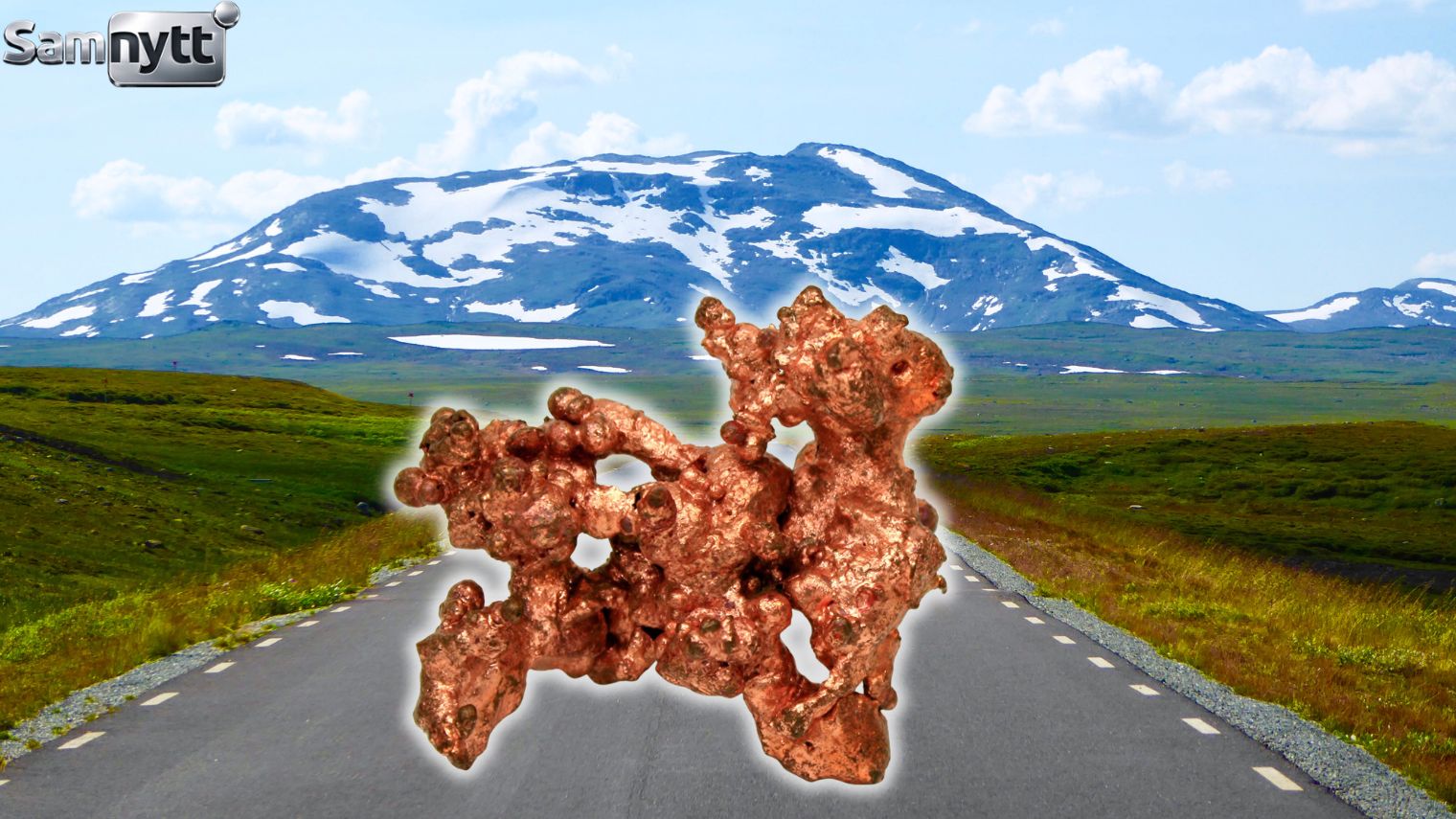
The government has given the green light to Bluelake Mineral to proceed with plans for a new mine in Stekenjokk. The decision means that the appeals from the Sami villages are rejected and the government’s assessment goes against the previous rejection from the Mining Inspectorate (Bergsstaten) concerning the project.
The mining company plans to extract copper, zinc, lead, gold, and silver in the area. Copper, in particular, is considered a strategically important raw material for European industry and the so-called green transition.
The project was previously halted by the Mining Inspectorate, which argued that the interests of the reindeer husbandry should weigh more heavily than mining interests. The authority also pointed to shortcomings in the company’s documentation of the deposit.
The government now instead chooses to allow continued work on the project, but sets certain conditions. Mining operations may only take place in winter, when the reindeer are not in the area, and the company must consult with affected Sami villages before each operating period.
READ ALSO: OPINION: Reindeer husbandry is unsustainable
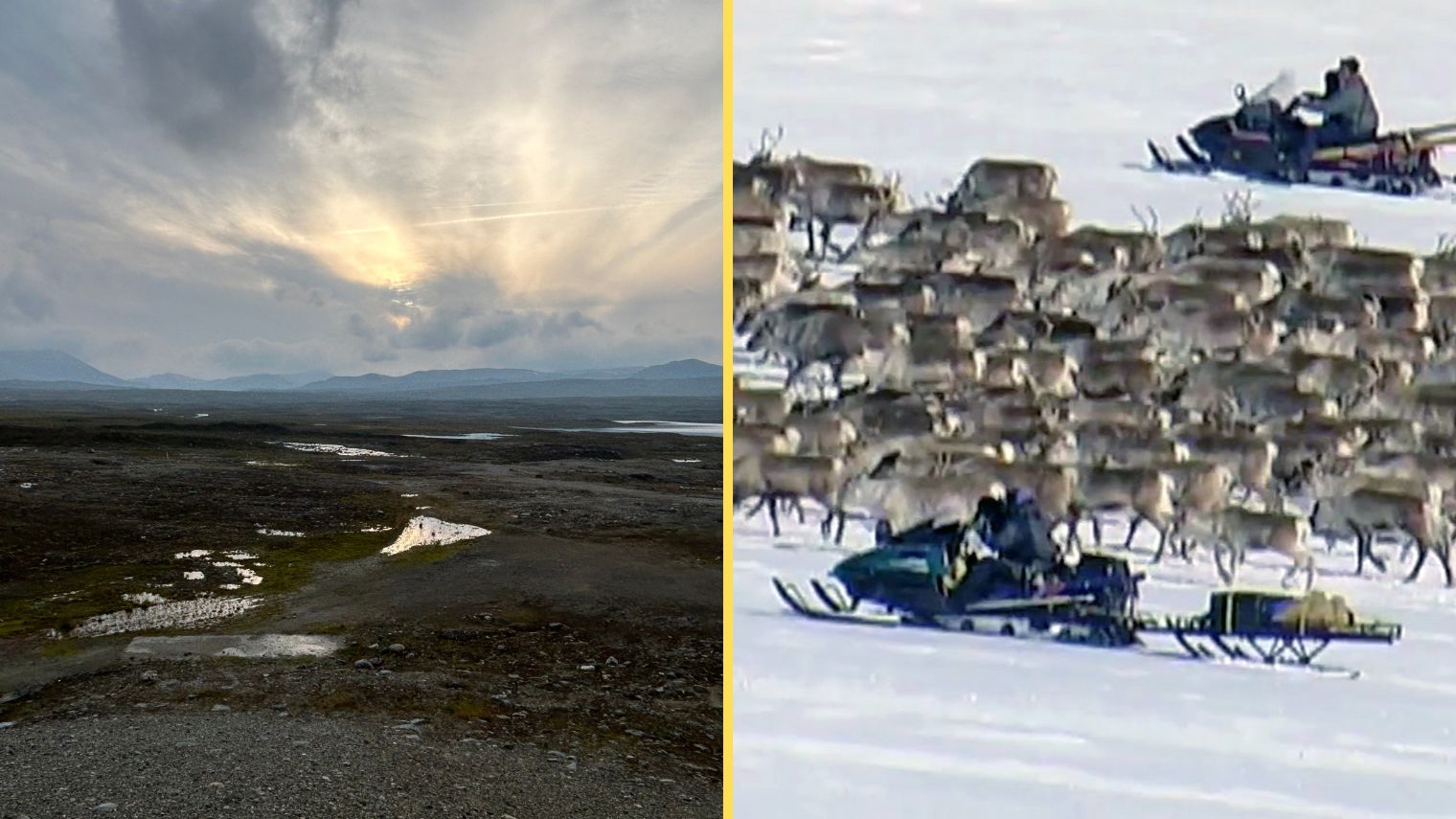
The Sami villages have long opposed the plans and warned that the mine could have major consequences for reindeer herding. The criticism concerns, among other things, the loss of grazing land, disruption of reindeer migration routes, and difficulties in using the area for traditional reindeer husbandry.
Researchers have also criticized the decision. Rasmus Kløcker Larsen at the Stockholm Environment Institute argues that the Sami villages’ concern is based on experiences from previous mining in the area, and that large parts of the year-round grazing lands risk becoming difficult to use for reindeer management.
“Incredibly valuable”
The plan is for the ore to be transported about 70 kilometers to a processing plant in Norway. According to the company, this would mean around 50 truck transports per day via the Wilderness Road (Vildmarksvägen), requiring the road to stay open even during the winter.
The company expects to submit an application for an environmental permit within approximately a year. The goal is for the underground mine to be operational within five years and then to remain in operation for up to 20 years.
– Making use of these resources is incredibly valuable from several different perspectives. It creates local jobs as well as regional and economic development. Certain interventions must therefore be accepted, says CEO Peter Hjort to DN.
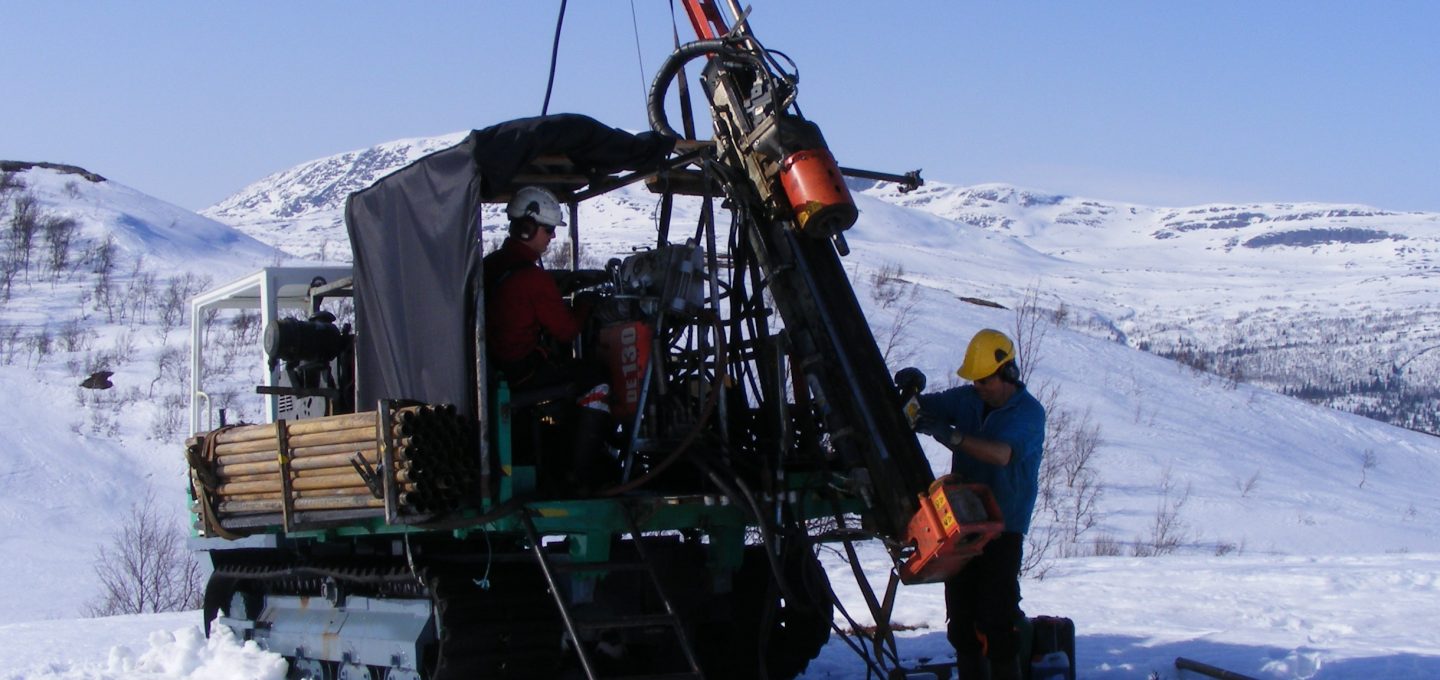
The government has at the same time also changed the conditions for the company’s mining project in Levi in Vilhelmina municipality. There, previous restrictions on mining during the month of April have been removed.
According to a comment from the Tidö government to DN, the deposit in Stekenjokk, together with deposits in Levi and Norwegian Joma, “can likely be economically utilized” together.
READ ALSO: Major gold find in Sweden could become the country’s largest gold mine