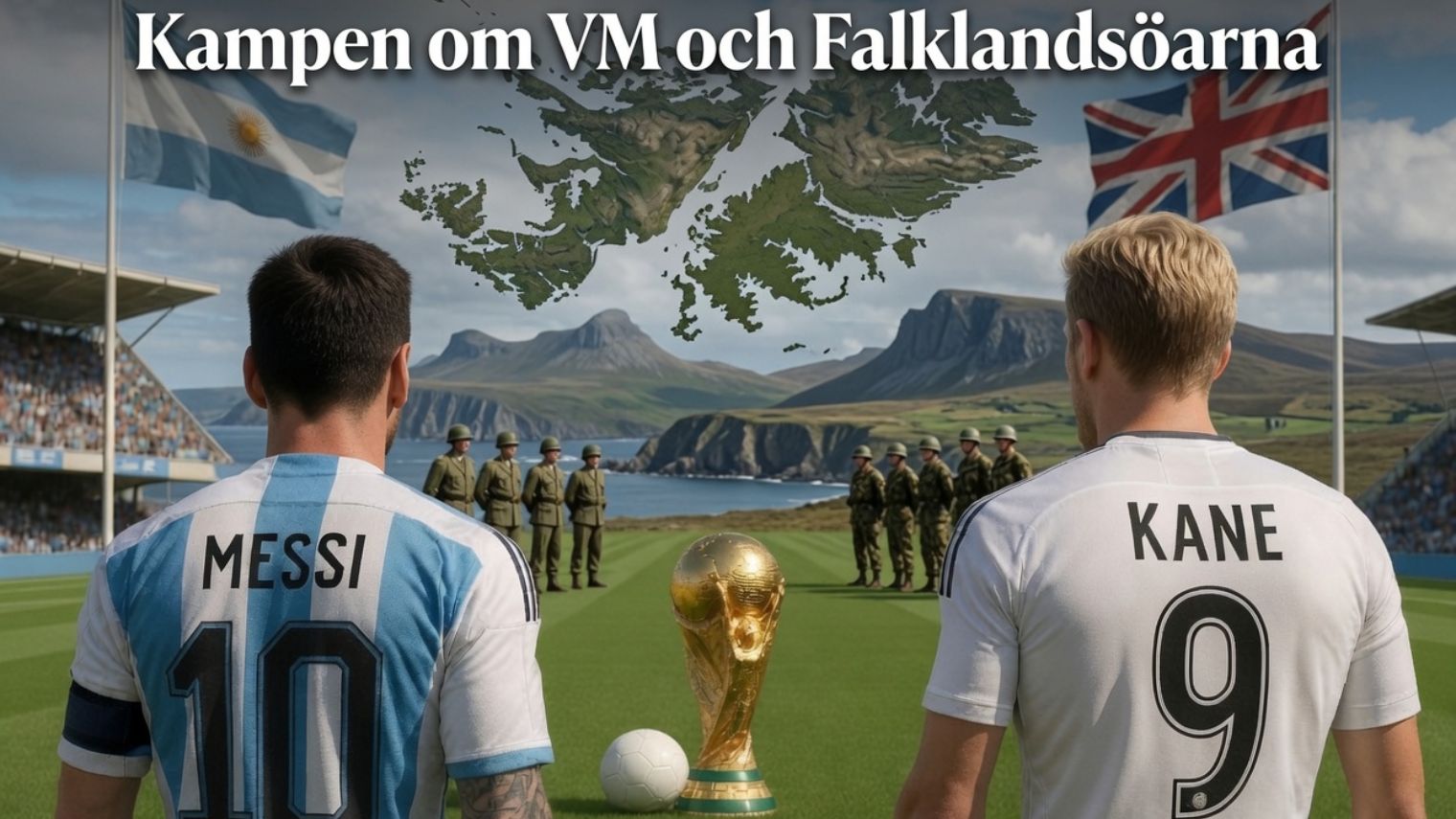
It’s a match for a spot in the World Cup final—but for many, it’s about much more than football. When Argentina and England face off in the semi-final, Lionel Messi, one of the greatest players of all time, will likely play his last matches for the national team after over 20 years at the very top level.
Argentina is chasing yet another World Cup final after the gold in Qatar 2022, while England is trying to win its first World Cup title since 1966. But behind the rivalry on the pitch lies a history marked by political tensions, the 1982 Falklands War, and football drama that has made encounters between the countries some of the most charged in world football.
In Argentina, the match is still strongly connected to the conflict over the Falkland Islands, which the country calls Islas Malvinas. The archipelago in the southern Atlantic is one of the clearest symbols of national identity, and the issue remains present in the country’s politics, schools, and on football terraces.
This is the background to why Argentina’s Vice President Victoria Villarruel has, ahead of the semi-final, sharply criticized Britain and called the British “invaders” and “pirates”. At the same time, she has emphasized that the encounter is about more than just a football match and has linked the rivalry to the long-standing conflict over the islands.
Argentina’s Foreign Minister Pablo Quirno has also highlighted the country’s claim to the islands and described the British control as an “illegal occupation”.
On the British side, the perspective is different. The government maintains that the Falkland Islands are British and refers to the right of the inhabitants to self-determination. Argentina, however, states that the issue cannot be resolved by a vote among the islands’ population, as they largely consist of British descendants.
Maradona’s Performance
However, the conflict between Argentina and England is not only about politics. It is also strongly associated with Diego Maradona’s iconic performance at the 1986 World Cup, when the teams met in the quarterfinal at Estadio Azteca in Mexico City.
Maradona became the star of the match. First, he scored the controversial goal that became known as the “Hand of God,” and then, a few minutes later, produced one of football history’s most celebrated goals as he dribbled through England’s defense to make it 2-0.
Argentina won the match 2-1 and went on to win the World Cup. For many Argentine fans, the victory had extra symbolic importance after defeat in the Falklands War four years earlier. Maradona later described how the players were aware that many young Argentine soldiers had died in the conflict, and that the match therefore carried greater significance than just sport.
Despite the strong historic charge, Argentina’s manager Lionel Scaloni tries to play down the link between football and politics.
Scaloni, who led Argentina to the World Cup trophy in Qatar 2022 and the Copa América title in 2024, emphasizes that today’s players cannot bear the responsibility for historic conflicts between the countries.
– It’s a football match. I can’t mix things up, out of respect for what happened so many years ago. It was a very sad time in our history, and there’s not much we can do about it, said Scaloni before the semi-final.
At the same time, few see the encounter as just another football match. Ahead of the semi-final, references to Malvinas/Falkland Islands can once again be seen among Argentine fans, and the rivalry has received significant international attention.

So What’s the Conflict About?
The background to the dispute over the Falkland Islands stretches back several hundred years. In the 18th century, several European powers, including Spain and Britain, claimed rights to the strategically located archipelago in the South Atlantic.
After Argentina’s independence from Spain in 1816, the country considered that it had inherited Spain’s claims to the area. At the same time, Britain asserted its own claims to the islands and established a permanent presence there in 1833.
Since then, Argentina and Britain have had completely different views on who has the right to the islands. Argentina describes the British control as an illegal occupation, while Britain claims the islands as British and points to the inhabitants’ right to decide their own future.
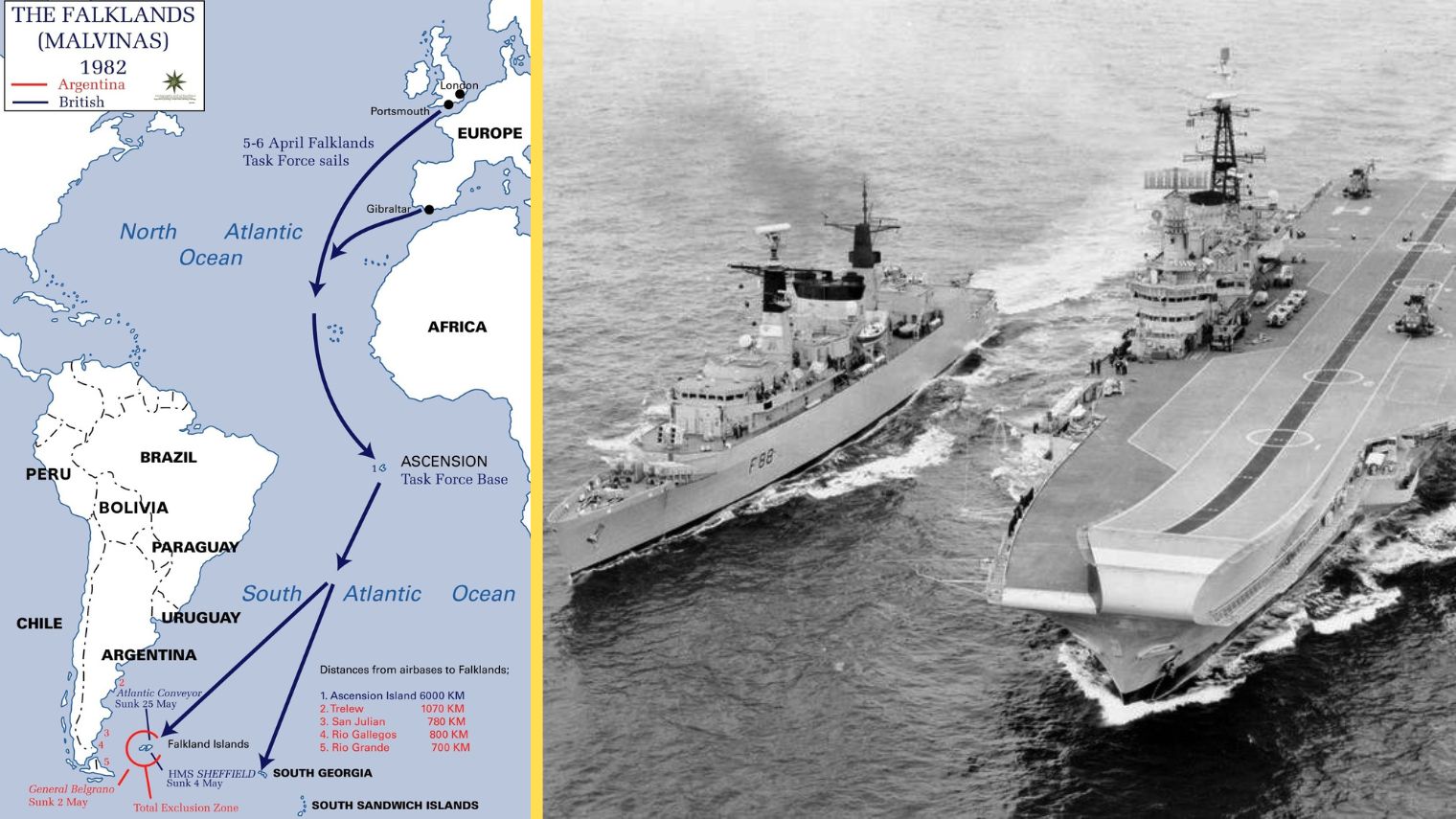
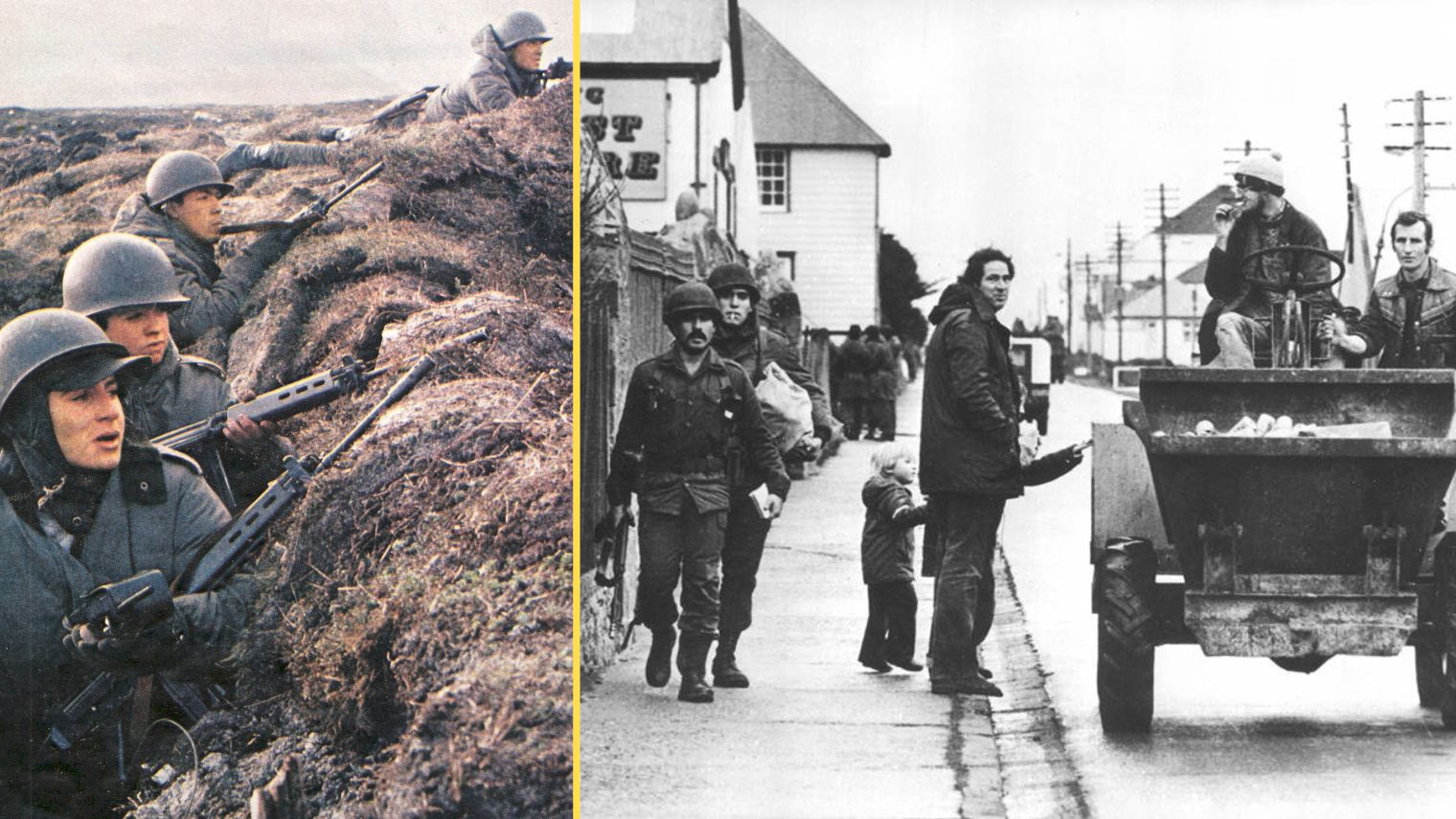
The conflict led to war in 1982, when Argentina’s then-military junta invaded the islands in an attempt to regain control. The UK sent a military force to the area, and after 74 days of fighting, the British regained control.
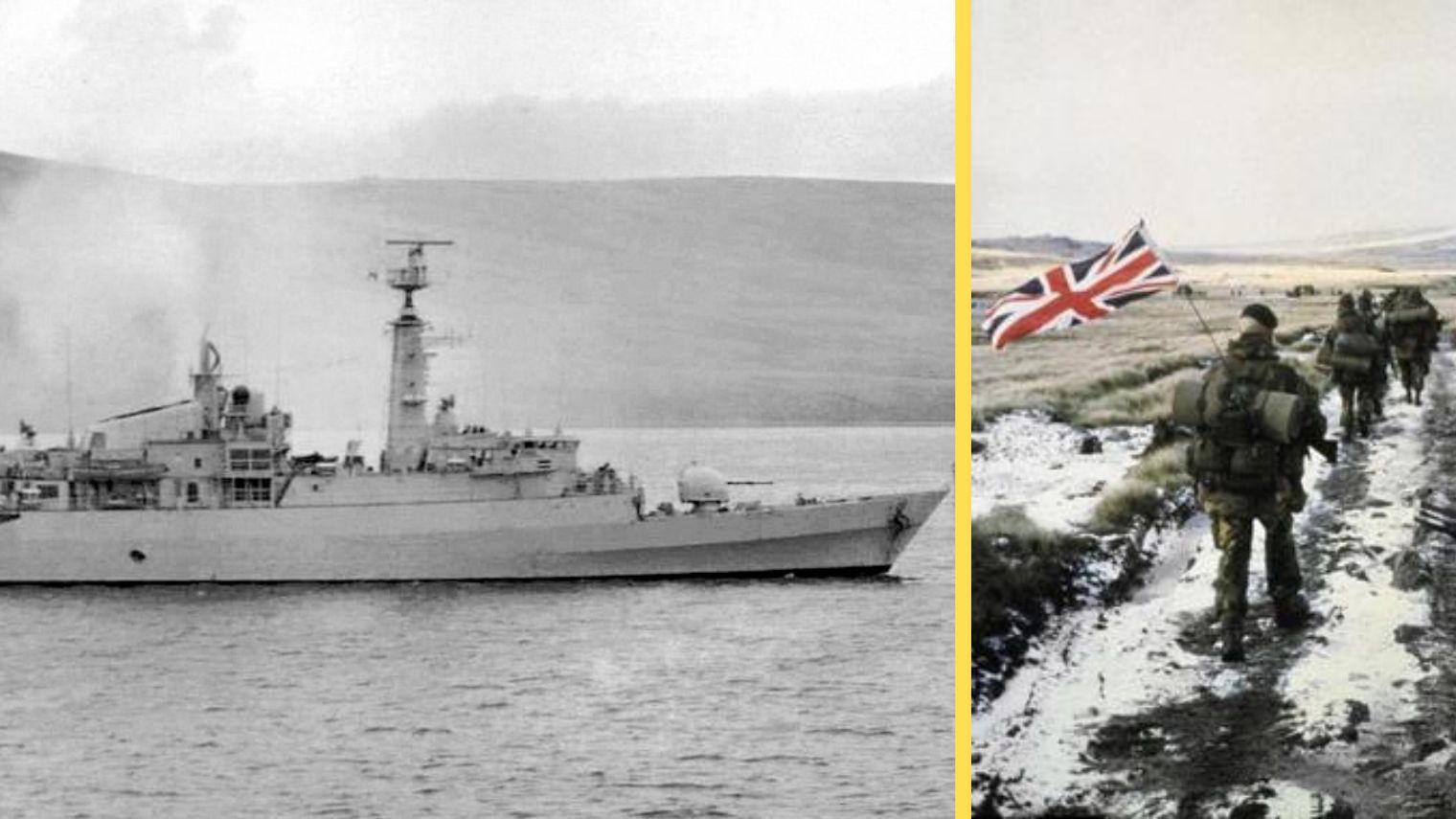
Over 900 people died in the war, and the defeat became a deep national trauma in Argentina. Even today, Malvinas are part of the country’s self-image and the issue is written into Argentina’s constitution.
Despite the historical background, the semi-final is also about two of the world’s most passionate football nations. Argentina is known for its fervent supporter culture and enthusiasm for football, while England has one of the world’s oldest and most influential football traditions.
With a squad filled with established stars, England goes into the match hoping to go all the way—and win the World Cup for the first time since 1966.
A place in the final is up for grabs, and for Lionel Messi, this may be one of his last chances to reach a World Cup final with Argentina. Even as the football icon approaches 40 years old, he continues to deliver at the highest level and is battling France’s Kylian Mbappé for the World Cup’s top scorer title.
But for many Argentine and English fans, the matchup is still about much more than just 90 minutes of football.
Vote here!
The match will be broadcast on TV4 with kickoff at 21:00. Which team do you think will make it all the way to the World Cup final? Vote and share your opinion in the comments section.