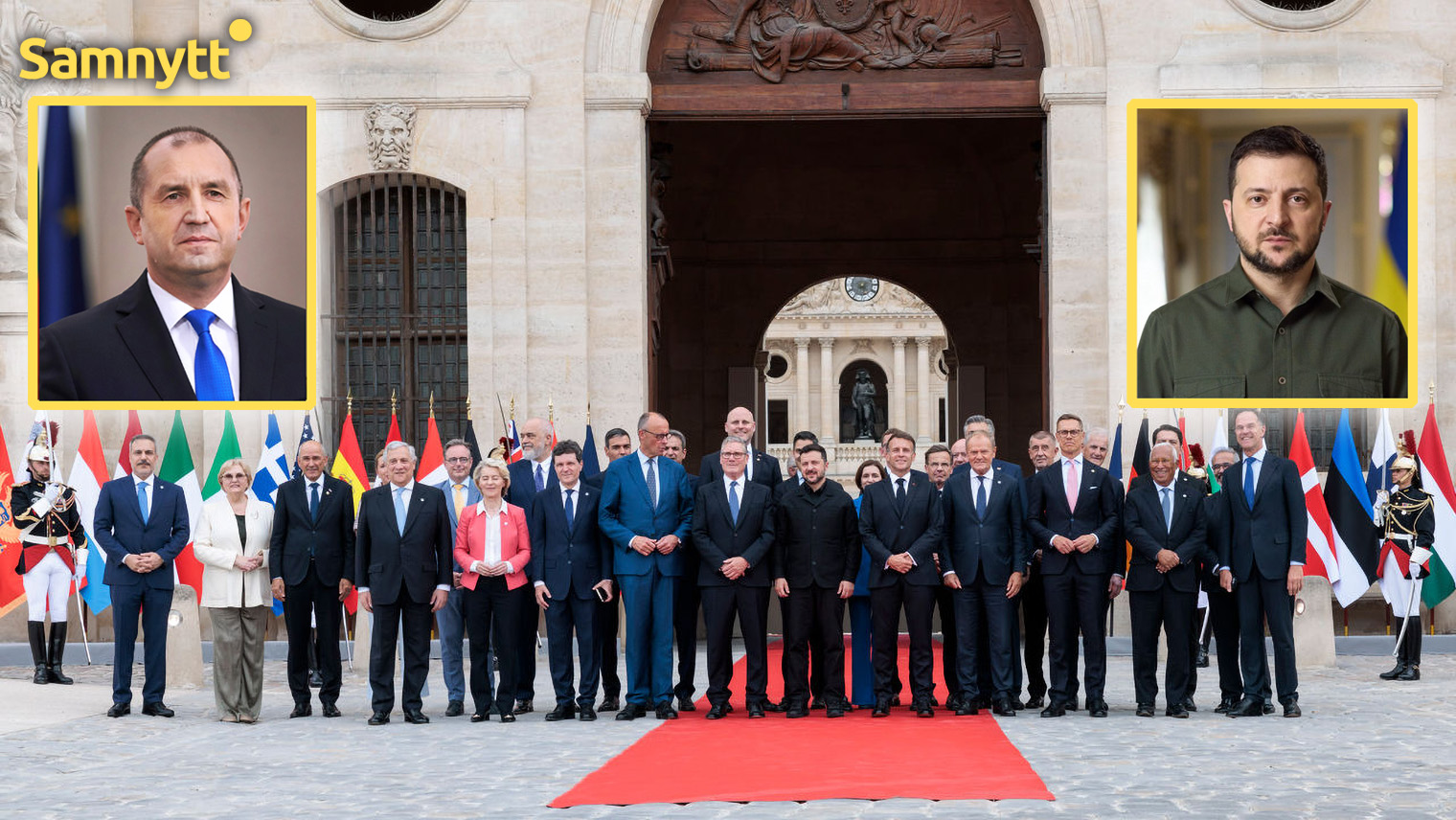
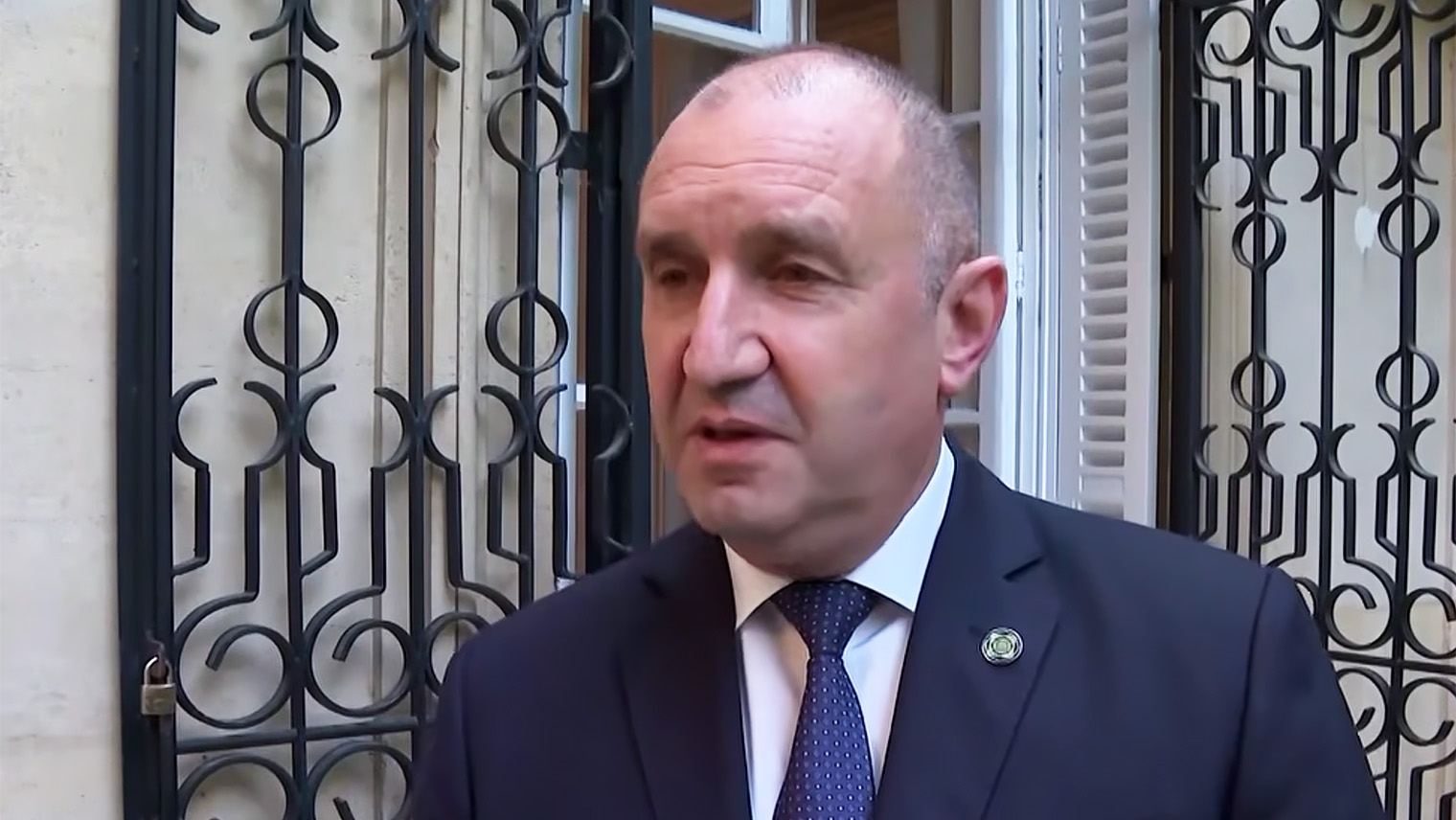
Bulgaria is withdrawing from the so-called Coalition of the Willing, the group of European and allied countries that coordinates their support for Ukraine’s continued defensive war against Russia. The country’s Prime Minister and former President, Rumen Radev, therefore did not participate in the coalition’s summit in Paris, despite being personally invited by French President Emmanuel Macron. Radev justified the decision by stating that Bulgaria does not wish to participate in a collaboration based on continued warfare. Instead, he advocates for initiatives aimed at ending the bloodshed.
Leaders from around thirty countries gathered in Paris on July 13 for a new meeting of the Coalition of the Willing, which is led by France and the United Kingdom. The purpose was to discuss how the war in Ukraine can be sustained with support from the West until what is termed a just and lasting peace can be achieved.
Although Radev was in Paris, he did not take part in the coalition’s discussions. He only attended the official festivities in connection with France’s national day.
– I personally received an invitation from President Macron to participate in the Coalition of the Willing, but I believe that Bulgaria does not belong there, as we do not take part in a coalition that insists on continued economic and military aid to Ukraine, Radev said according to Bulgarian media.
ALSO READ: NATO chief warns: Europe must prepare for a Third World War
He also pointed out that Bulgaria advocates for diplomatic solutions to the conflict.
– The solution to this conflict does not lie in prolonging it with military means, but in a strong diplomatic mission that will ultimately put an end to the escalation, said the Prime Minister.
Part of a previously established line
The decision aligns with the position Radev has advocated since taking office as Prime Minister this spring. He has halted direct state military aid to Ukraine, although Bulgarian companies have continued to sell defense materials to the country. Bulgaria is one of the EU’s larger producers of Soviet-standard ammunition, which has played an important role in Ukraine’s defense since the war began.
Radev has also argued that the European Union should take a more active role in peace negotiations with Russia. In earlier statements, he has said that Europe should have taken the lead in such talks and has called for a change in the EU’s overall strategy in the war.
He has also warned of the risks of continued military escalation and emphasized the need to avoid a broader conflict between nuclear powers. According to Radev, Bulgaria’s position is rooted in national interests and a desire to prioritize diplomacy over military escalation.
The coalition brings together Ukraine’s supporter countries
The Coalition of the Willing was formed to coordinate political, military, and security-related support for Ukraine, as well as to prepare measures in connection with a future ceasefire or peace agreement. The group is led by France and the United Kingdom and includes around thirty countries from Europe and other parts of the world.
During the meeting in Paris, participants discussed, among other things, additional support for Ukraine, joint military exercises, and future security arrangements. A new European initiative for protection against ballistic missiles was also presented.
Sweden remains in the coalition
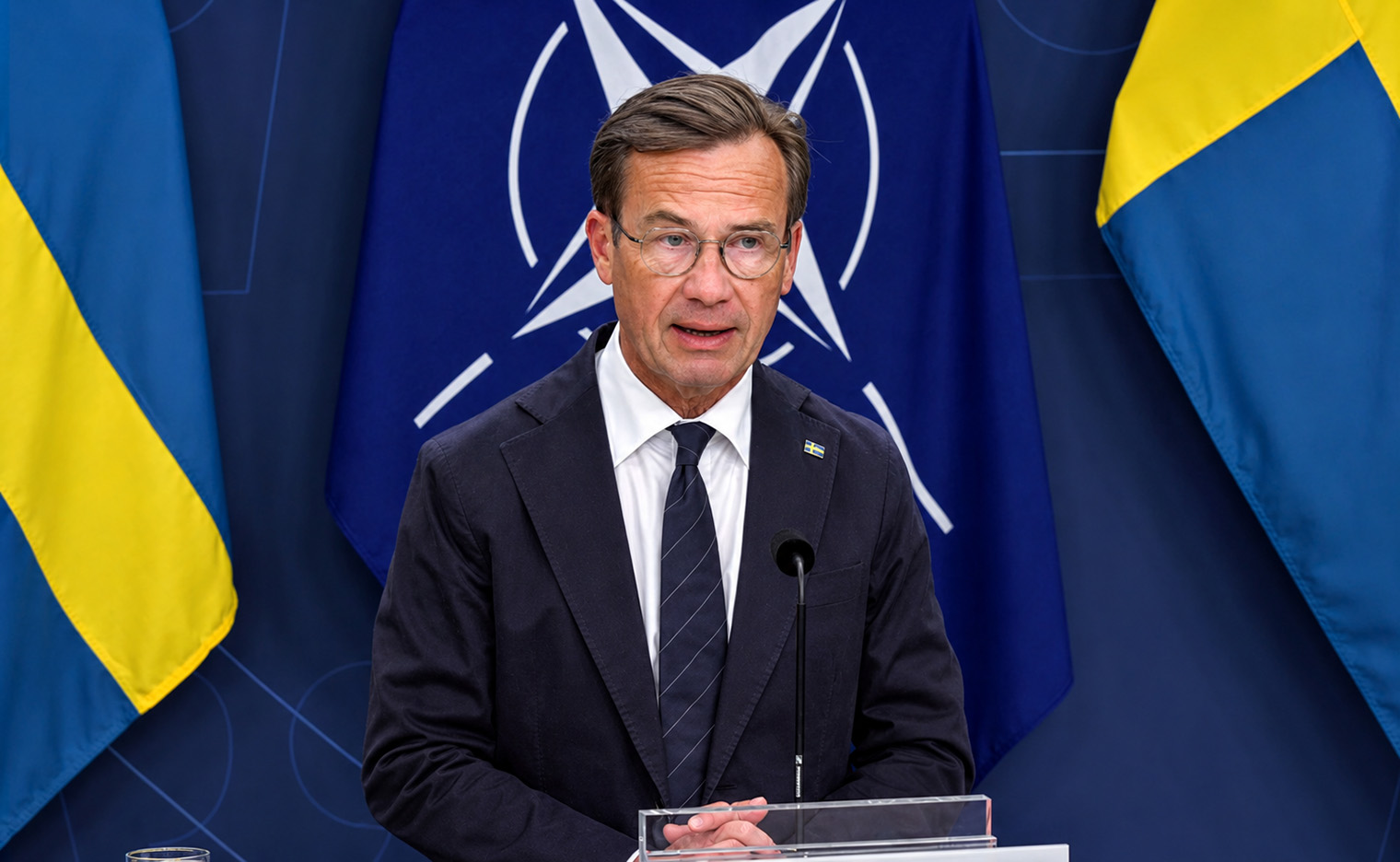
Sweden participated in the meeting via Prime Minister Ulf Kristersson. The government claimed ahead of the gathering that the coalition’s work aims to create the conditions for a ceasefire and a just and sustainable peace in Ukraine.
Sweden also joined a new European anti-missile coalition together with, among others, France, Germany, the UK, and Ukraine.
– By combining Ukraine’s experience in facing Russian missile attacks with Europe’s leading defense industries, including Saab for Sweden, we are strengthening Europe’s air defense and increasing our security, said Prime Minister Ulf Kristersson in a written comment to TT.
ALSO READ: EU leader: We must send a ‘lifeline’ of 1 trillion SEK to Ukraine
While Sweden and the other participating countries continue their commitment within the Coalition of the Willing, Bulgaria’s decision marks a different path. The government in Sofia emphasizes that the country wants to work for a diplomatic solution to the war and therefore stands outside of collaboration that, according to Radev, is based on continued military and economic support for Ukraine.