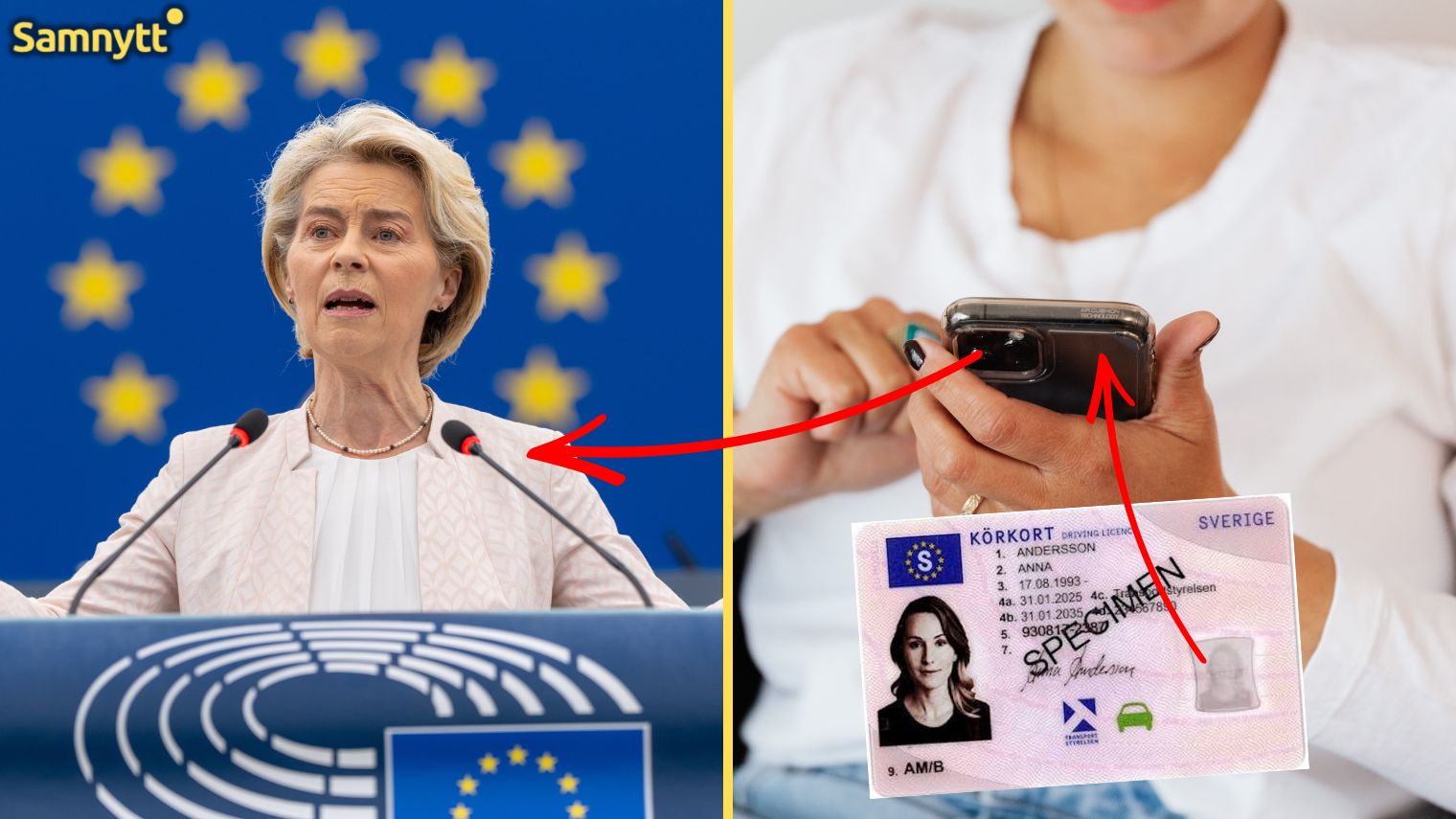
The EU Commission, led by Ursula von der Leyen, is moving forward with plans for a unified age verification system on social media. The Commission President announced this week that a legislative proposal will be presented after the summer.
The mandatory identity check requirement to access certain websites and social media platforms is justified by the EU as a way to strengthen protection for children and young people online. The goal is to make it more difficult for minors to use digital services that have age restrictions or are deemed inappropriate for children.
The proposal means that people creating new accounts on social media will need to prove their age before the account is activated. Verification is planned to occur via a specialized EU solution—some form of app—where users identify themselves using, for example, a passport, national ID card, or digital identification. Platforms will then receive confirmation that the user meets the age requirement.
Currently, the plans mainly appear to cover newly registered accounts. At the same time, there is an ongoing discussion about whether existing users should also be required to verify their age in the future, which would mean millions of already existing accounts could be included in the new rules.
The initiative is part of the EU’s broader effort to tighten regulations for the digital environment. On the same day, the European Parliament’s Committee on Culture and Education adopted a report calling for stronger protection for children and young people online.
The report highlights the need for greater transparency in how social media algorithms function, and suggests a special ‘youth mode’ where targeted advertising is turned off and features considered addictive for minors are limited.
The committee members also want to see stricter rules regarding influencer marketing and better protection against children being exposed on social media through so-called sharenting, where parents share extensive content about their children’s lives. Additionally, ethical requirements for AI services simulating friendships are proposed, along with further measures against AI-generated fraud and sexually exploitative material.
The report that has now been adopted is not binding legislation, but is expected to guide the EU Commission’s continued work. The European Parliament will decide on the report during its plenary session in September, while the Commission’s concrete legislative proposal on age verification is expected to be presented after the summer.
Faces Criticism
While the proposal for mandatory age verification has gained support from many quarters, not least due to the ambition to strengthen child protection online, it has also attracted criticism.
A recurring objection is that this measure risks paving the way for a more far-reaching surveillance society. Critics note that the proposal is being presented at the same time as the EU is pushing other controversial digital initiatives, including Chat Control.
One critic is Sweden Democrat MEP Charlie Weimers, who argues that much of the opposition is rooted in a lack of trust in the current EU leadership in Brussels and concerns over how new digital monitoring tools could be used in the future.