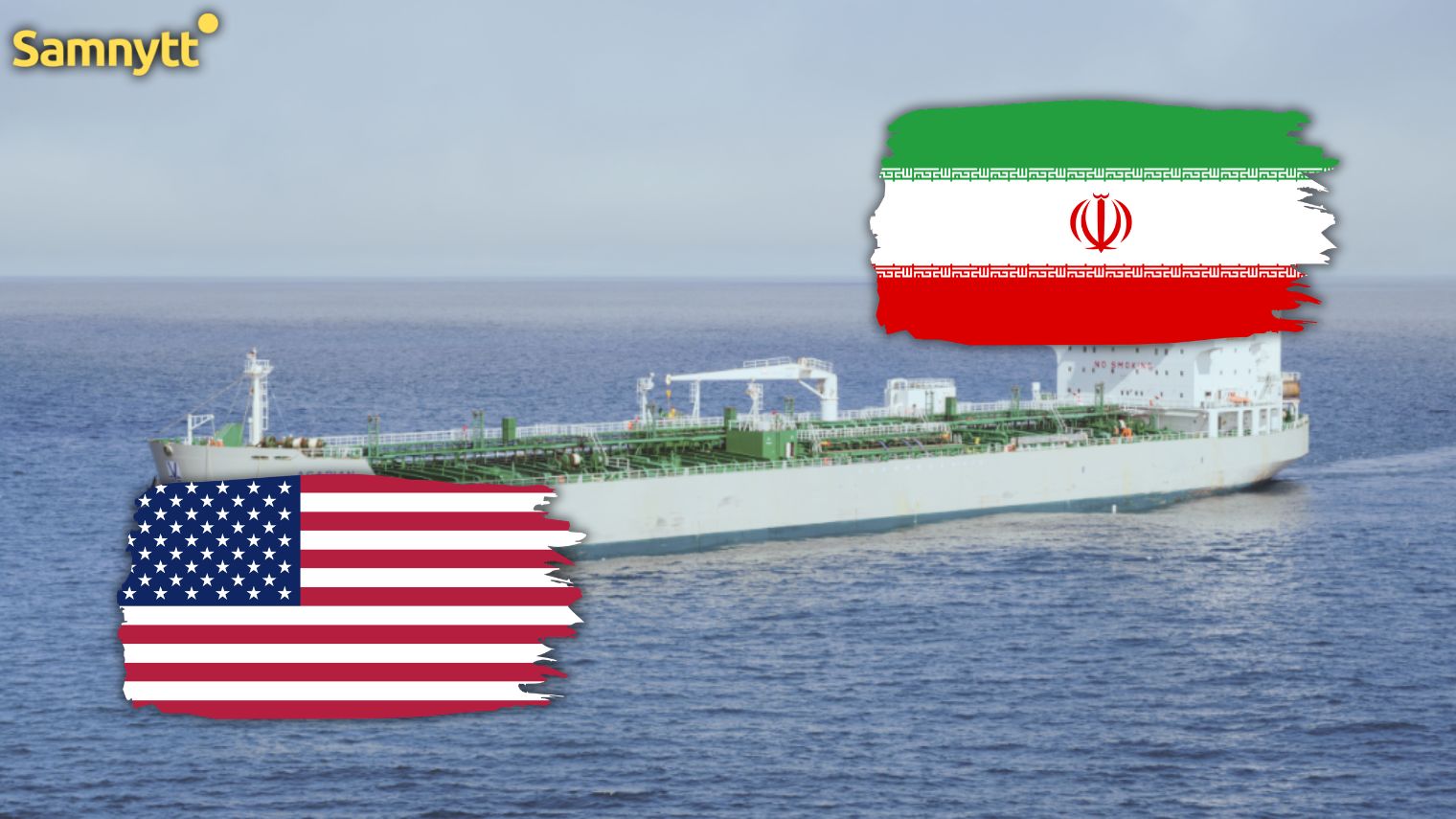
The situation in the Strait of Hormuz has once again deteriorated sharply after several days of escalating clashes between the US and Iran. A combination of US airstrikes, Iranian retaliations, and attacks on vessels has caused commercial shipping through the world’s most important oil passage to slow down, as oil prices rise to their highest levels in over a month.
On Monday, the US carried out its ninth consecutive night of airstrikes against Iranian military targets. According to the US Central Command, the attacks targeted command centers, anti-aircraft installations, coastal surveillance, missile and drone facilities, as well as maritime military resources.
The US military announced that an American soldier died in Iraq while trying to disarm undetonated ammunition from a downed Iranian drone. This incident is reported to be one of the reasons behind the new US airstrikes against Iran.
READ ALSO: Iran on the war: Trump’s signature is ‘worthless’
Iran, in turn, responded with attacks against American allies in the Gulf region, where Bahrain and Kuwait activated air defenses and missile alarms.
At the same time, the security situation in the Strait of Hormuz has worsened further. A vessel caught fire off the coast of Oman on Monday, and the Iranian Revolutionary Guard later announced that it had targeted tankers in the area. This incident is the latest in a series of attacks on commercial vessels that has led shipping companies to reconsider their routes.

Rising Oil Prices
Commercial traffic through the strait has dropped sharply over the past week. According to analyses from Kpler and Reuters, the number of oil and gas tankers has reached its lowest point in about two months. Several shipping companies have also chosen not to use the route recommended by the US Navy, while other vessels have switched off their AIS transponders to reduce the risk of being located.
This development has had direct consequences on the energy market. Brent crude rose above $90 per barrel on Monday, the highest level since mid-June. Analysts point out that about a fifth of the world’s seaborne oil trade normally passes through the Strait of Hormuz, making any disruption in the area highly sensitive for the :censored:6:cdd6bbaa89: market.
The background is that the ceasefire and agreement reached between the US and Iran in June has now effectively collapsed. The deal was meant to keep the Strait of Hormuz open to commercial traffic and create a 60-day negotiation window covering, among other things, Iran’s nuclear program.
Serious Situation
Over the past week, however, both sides have accused one another of breaching the agreement, while the US has reimposed a naval blockade against Iranian ports and President Donald Trump has declared that the US will ensure the strait remains open.
The situation is now described as the most serious in the Strait of Hormuz since the conflict between the US and Iran escalated earlier this year. Even if the strait is not completely closed, the reduced traffic, recurring attacks on commercial vessels, and the growing military presence have significantly increased the risk of further disruptions to the :censored:6:cdd6bbaa89: energy supply.
READ ALSO: Trump: US takes control of the Strait of Hormuz – “20% from all passing ships”