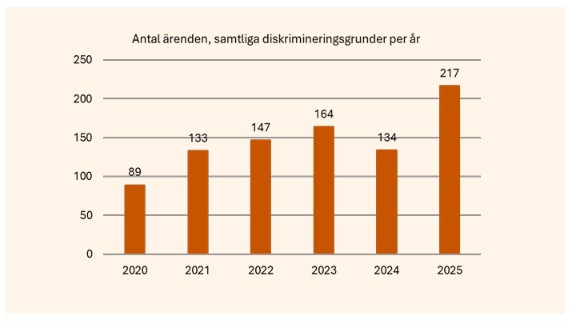
An increasing number of patients in Region Stockholm feel discriminated against when interacting with healthcare services. In 2025, 217 cases of perceived discrimination were reported to the Patient Advisory Board—a rise of about 60 percent compared to the previous year and the highest figure since records began in 2020. This is according to the Patient Advisory Board’s new report on perceived discrimination in encounters with healthcare.
Since 2020, the Patient Advisory Board has received a total of 884 cases where patients reported feeling discriminated against. The number has risen nearly every year, with only a temporary decline in 2024. At the same time, the authors of the report emphasize that the cases are based on the patients’ own experiences and do not mean that the Patient Advisory Board has judged that discrimination, in a legal sense, has actually taken place.
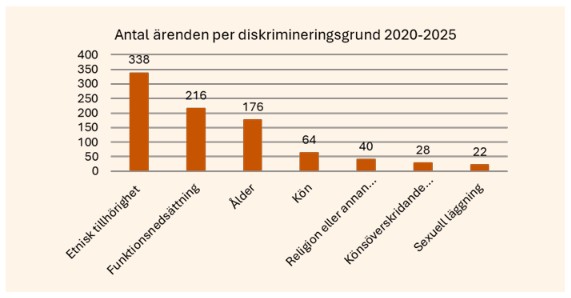
However, the report shows which situations and interactions patients perceive as discriminatory. The most common basis for the reported cases is ethnicity, accounting for 38 percent of cases in 2025.
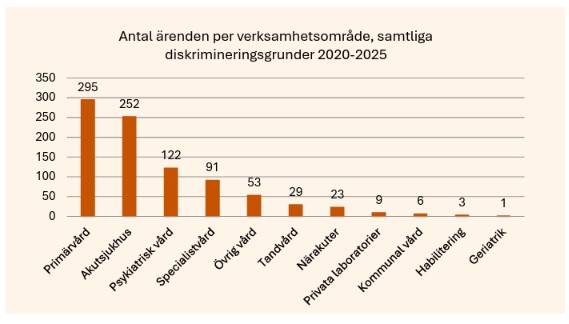
This is followed by disability at 29 percent and age at 15 percent. Most complaints concern care in emergency hospitals, primary care, and psychiatric care. Nearly twice as many women as men have filed complaints about perceived discrimination.
Name, Language, or Ethnicity
The report’s qualitative review reveals that many patients with foreign backgrounds describe being questioned due to their name, language, or ethnicity. Several report that they had to wait longer than other patients, felt belittled, or were not taken seriously.
Comments about origin and culture, as well as the documentation of ethnicity in medical records, are also cited as examples of things perceived as discriminatory.
READ ALSO: EU: Sweden must provide subsidized healthcare to vulnerable EU citizens
People with disabilities often describe a lack of adaptation and inadequate communication. The report discusses, among other things, patients with neuropsychiatric diagnoses who felt that healthcare staff lacked knowledge about their needs, as well as deaf patients who were not given access to sign language interpreters or were referred to contact methods they could not use. According to the report, this has in several cases affected both the ability to communicate and the medical treatment.
Elderly patients also describe suspicions that their age affected medical assessments. Complaints include denied surgeries, long waiting times, and experiences of not being listened to or taken seriously. The Patient Advisory Board notes that age-related cases more often concern treatment and communication rather than physical accessibility to healthcare.
Transgender Identity or Expression
Another area concerns LGBTQ individuals who comment that the staff had a “heteronormative approach” and that patients were addressed with the wrong pronouns.
Complaints were also made about offensive descriptions in medical records. The patients feel that there are shortcomings in accessibility and opportunities for participation. Additionally, they believe that staff need education about norms and appropriate conduct.
Poor Communication
In cases where healthcare has had the opportunity to respond, providers have often expressed regret regarding the patients’ experiences and described various improvement measures against discrimination. At the same time, the report notes that the responses often focus on shortcomings in treatment or medical assessment rather than directly addressing the patients’ experience of discrimination.
In some cases, the patients’ complaints led to previous decisions being changed, such as the issuance of referrals or the initiation of surgery planning.
The Patient Advisory Board sees a clear pattern where the experience of discrimination is often linked to poor communication, unclear information, and the feeling of not being listened to. According to the report, many conflicts could likely have been avoided if healthcare had been clearer in explaining medical decisions and better adapted communication to the patients’ needs.
READ ALSO: Sharp increase in complaints about communication and treatment in healthcare