INTERVIEW • Outside Uppsala Mosque, Samnytt meets Maria Rosander, a police officer for 17 years and now the group leader for the Sweden Democrats in the municipality. When Samnytt interviewed her two years ago, she described a Sweden where shootings and bombings had become routine and where the police lacked the tools to address the situation. Today, she tells Samnytt about a clear change. But while gang violence has been pushed back, she warns about a much larger societal problem—a process of Islamization and the emergence of parallel structures which, she claims, Sweden still does not dare to openly discuss.
“Islamization is a contributing factor to what we have seen in society. I am absolutely convinced of that,” she says, glancing toward the mosque.
When Samnytt spoke with Rosander two years ago, she described an almost untenable situation with shootings, bombings, and a police organization stretched too thin. Since then, much has changed, according to her.
“Firstly, we have reached a point, based on what I have always said, that it must never pay to be a criminal. Now we’ve reached the stage where it’s no longer profitable to be a criminal.”
She points to tougher sentencing and new tools for the police as decisive changes.
“So much is starting to happen now that they themselves are saying: ‘Okay, now I’m really going to get caught. There will be real consequences for my actions.’”
She describes the difference for police as dramatic.
“From a police perspective, it’s night and day. My colleagues say the same.”
Rosander believes that politics has played a decisive role.
“This is solely due to politics. It shows just how much politics can actually make a difference.”
READ ALSO: INTERVIEW: Maria Rosander put a stop to criminals – now she aims for the EU
She also highlights increased camera surveillance, better cooperation between police regions, and new opportunities to use covert coercive measures. Young people suspected of traveling to Uppsala to commit acts of violence can today be detected earlier and met by surveillance teams already at the train station, she says.
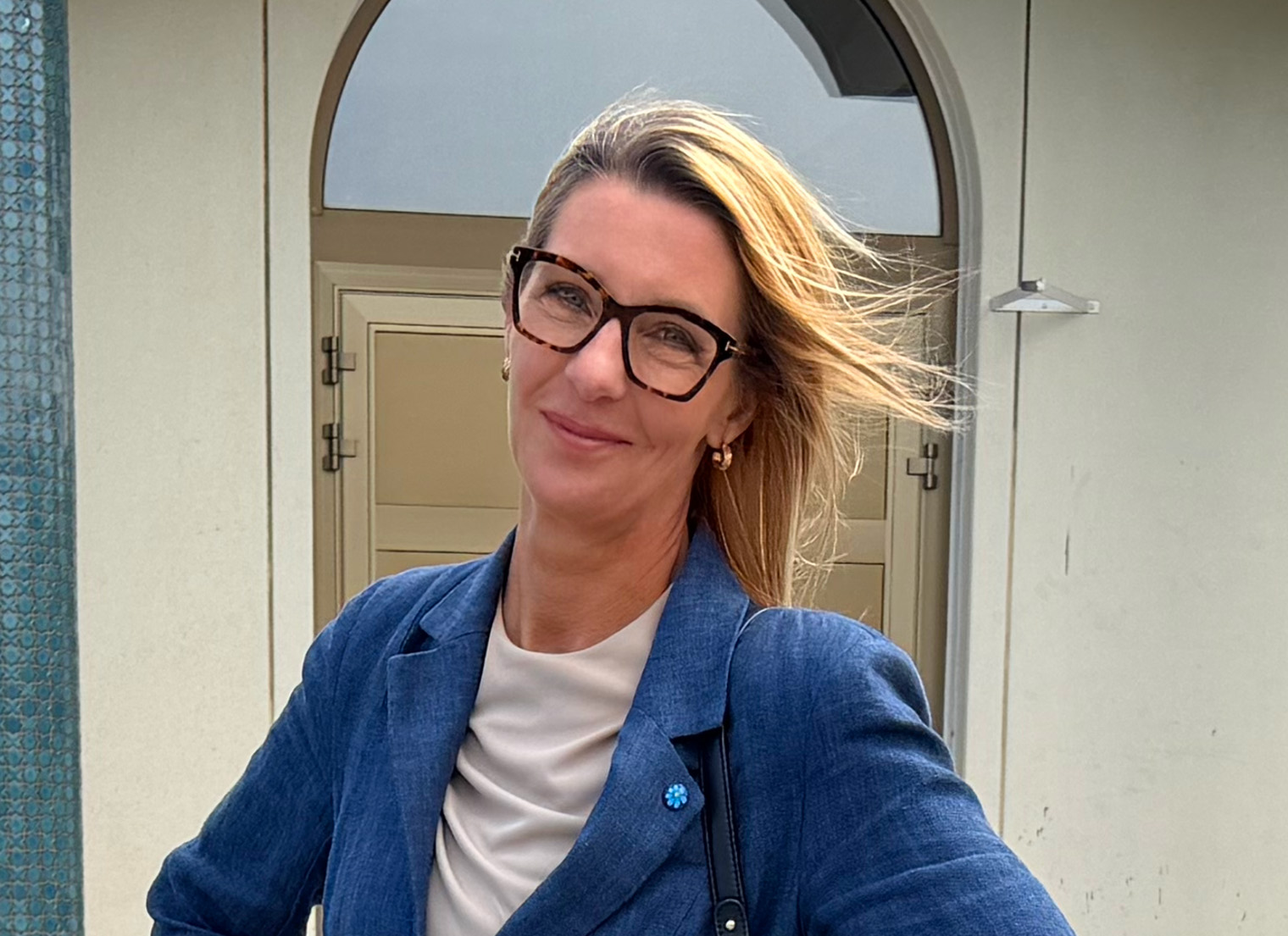
Even ordinary residents of Uppsala notice a difference, Rosander says. During the worst period, people attending apartment viewings would ask estate agents if there had been any shootings in the area.
“It was a standard question agents received. We’ve moved past that today.”
READ ALSO: Man shot dead in Uppsala
“We’ve been naive, we’ve been passive”
For Rosander, criminal policy is also personal. It was her experiences as a police officer that prompted her to enter politics.
“My 17 years as a police officer, that’s why I stepped into politics. I’ve seen how society has changed, how Uppsala has changed. This is my hometown.”
Politics and the leadership we’ve had for many years and decades have turned a blind eye to these problems. People don’t want to discuss who is committing the crimes, why they’re doing it, and the lack of consequences we’ve had.
Maria Rosander (SD), police officer
Maria Rosander is now group leader for the Sweden Democrats in Uppsala and has previously been active both in municipal and regional politics. Ahead of the 2024 EU elections she ran for the European Parliament and, by her own account, received about 27,000 personal votes, but missed a seat by just around 400 votes.
Her immediate political goal is now to strengthen the Sweden Democrats’ position in Uppsala and become the party’s first commissioner in the city. In the longer term she once again sets her sights on Brussels and plans to run for the European Parliament in 2029.
She believes previous governments refused to see the problems for a long time.
“Politics and the leadership we’ve had for many years and decades have turned a blind eye to these problems. They don’t want to discuss who is committing the crimes, why they’re doing it, and that there haven’t been any consequences either.”
For police officers who were forced to deal with the developments, this created frustration.
“Of course there’s great bitterness that our society was allowed to deteriorate. People have been naive, they’ve been passive.”
READ ALSO: Uppsala pays 300,000 to avoid clan criminal manager
Rosander believes that a central part of the problem for a long time has been the unwillingness to talk openly about who is behind the violent gang crime. According to her experience as a police officer, the criminal networks are predominantly made up of people with foreign backgrounds, and she criticizes the media for often ignoring the background of the perpetrators.
“It’s not Swedes. These are foreign groups connected to organized crime and networks,” she says, adding that during her years as a police officer she has seen how networks in Uppsala, Stockholm, and Gävle have become interconnected:
“It is not Swedish youths committing these crimes.”
The Mosque as a Symbol
The discussion broadens when the conversation turns to Uppsala Mosque. For Rosander, the building represents something bigger than a religious meeting place.
“For me, it’s a symbol of segregation, honor-based oppression, and of men and women not being equally valued.”
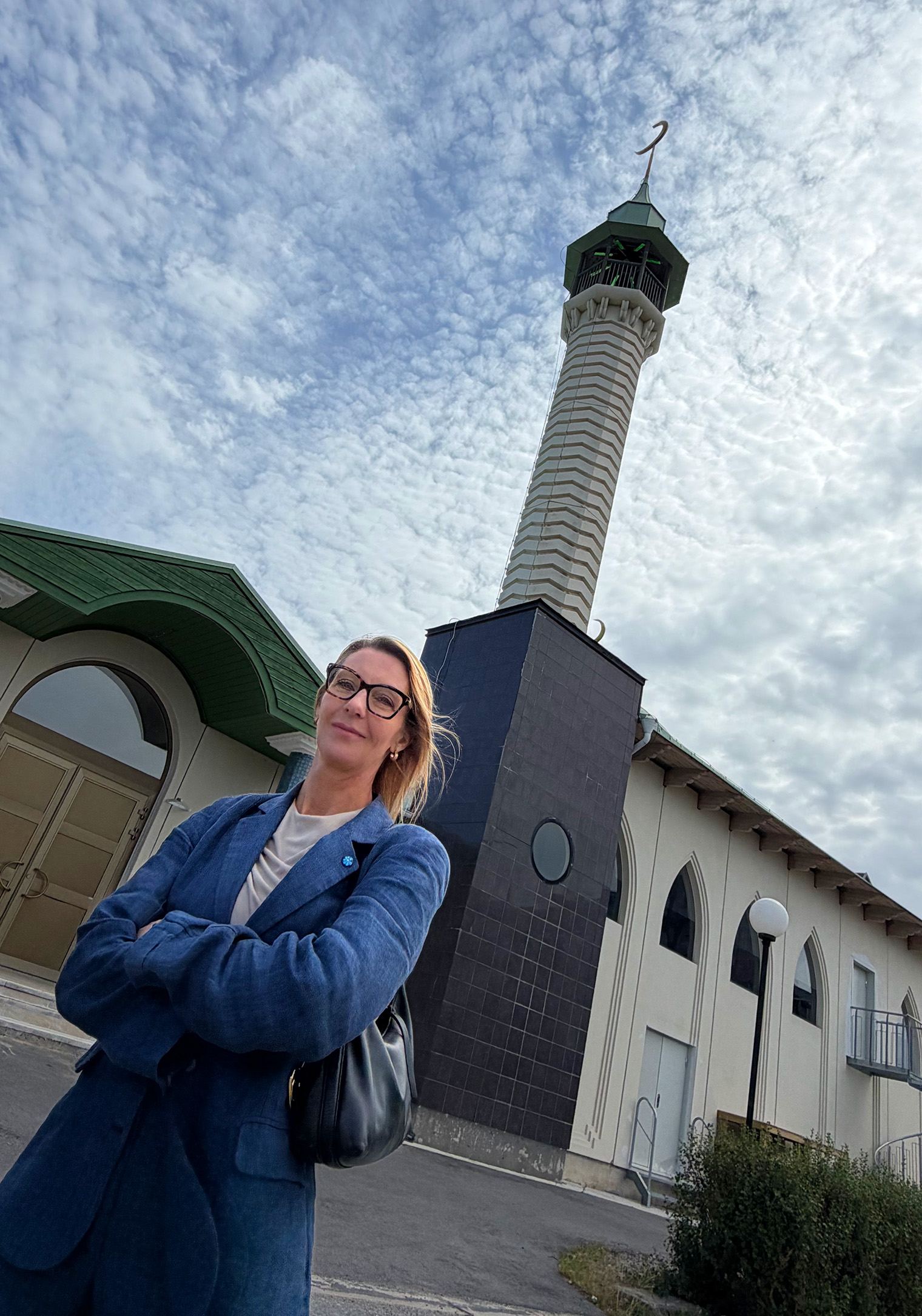
She describes a structure in which boys and girls are assigned different roles from an early age and says this follows them into wider society.
We are allowing Islamization to creep in to such a degree that we won’t be able to say no later on. But we can stop it. No more mosque buildings. We should ban veils in public spaces—at the very least, niqab and burka—and children should not wear them.
Maria Rosander (SD), police officer
“Women and children are one group, men and their sons another. This plays out as they go further in society: in residential areas, at school, at workplaces.”
As a female police officer, she has experienced the differences herself.
“If a patrol comprises a male and a female colleague, they are far more likely to speak to the man. They turn to the man.”
Her long experience and the police uniform, she says, have given her the authority to handle these situations more easily. Still, she describes a culture where young men and women live under different conditions.
“It’s the men we see out and about, the men we meet. The girls are not allowed to be out. They go straight home after school.”
“Jomshof Is Completely Right”
Richard Jomshof (SD), whom Samnytt has previously interviewed, has published his book Kafir. He claims that Islam is the biggest threat the Western world and Sweden have ever faced. How do you respond to that?
READ ALSO: SD senior releases book on Islam: “The threat is existential”
“He is absolutely right. I’ve listened to him a lot, and not long ago I was at the EU Parliament where I listened to four different representatives from across Europe who emphasized exactly the same thing.” She continues:
“We are allowing Islamization to creep in to such a degree that we won’t be able to say no later on. Society is being consumed from within.”
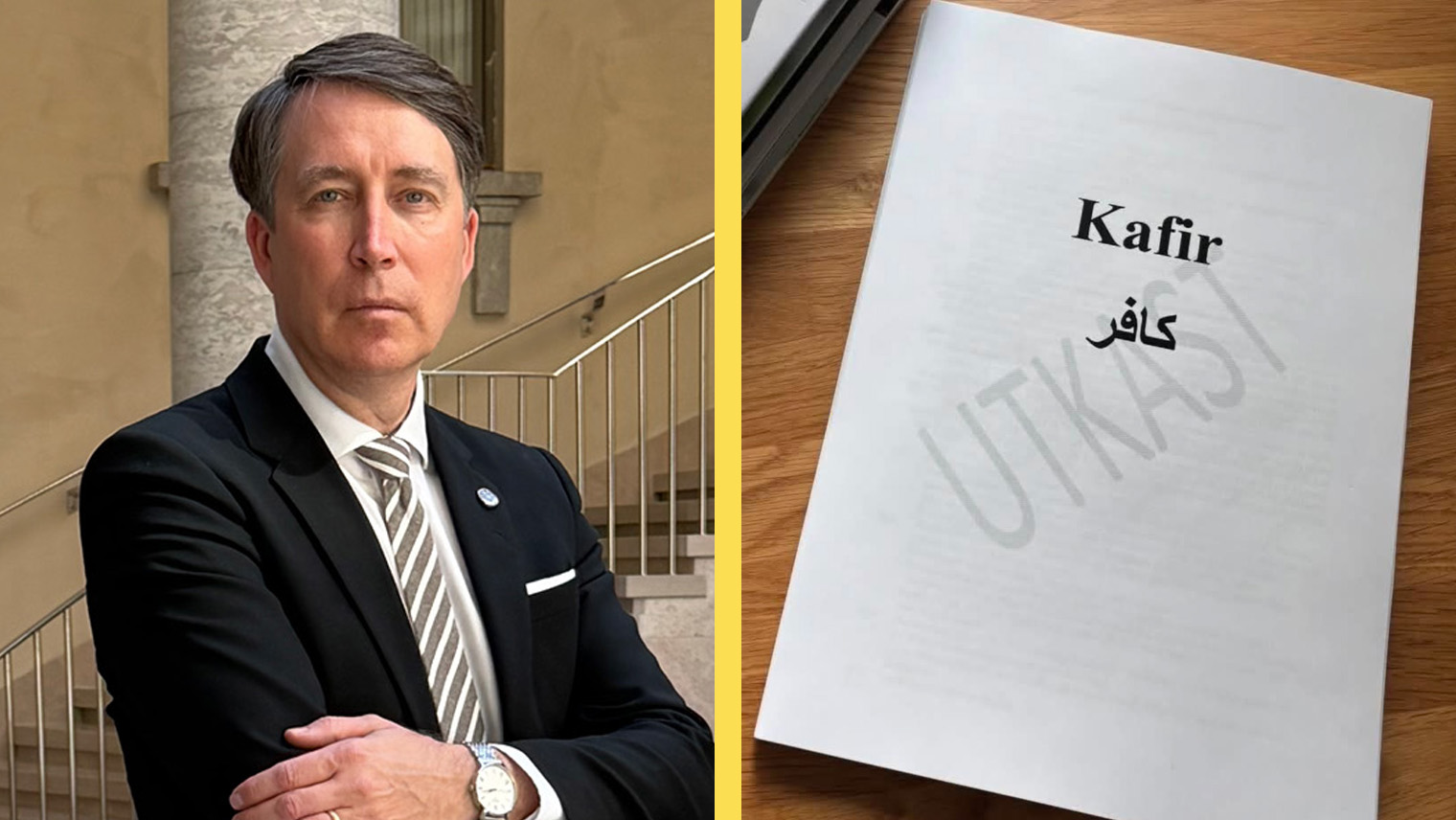
Rosander, among other things, wants to see halts to new mosque constructions and restrictions on full-body Muslim dress.
“We can stop it. No more mosque buildings. We should remove veils from public spaces—at least the niqab and burka—and children should not wear them.”
She believes Sweden has adapted for far too long instead of setting demands.
“We need to set boundaries for what our Swedish society will tolerate. It’s not about letting others dictate the terms in our country. We have done that for far too long.”
Rosander even warns about the risk of a future European civil war. She points, among other things, to developments in France and Britain and claims that Sweden still has a chance to avoid a similar fate.
What do you mean is happening in Europe?
“You’re starting to see the pot boiling. They say a civil war is coming because Islamism is taking over too much. We’re standing here, watching, with the possibility to do something about it. In Sweden, we can still do something,” she says.
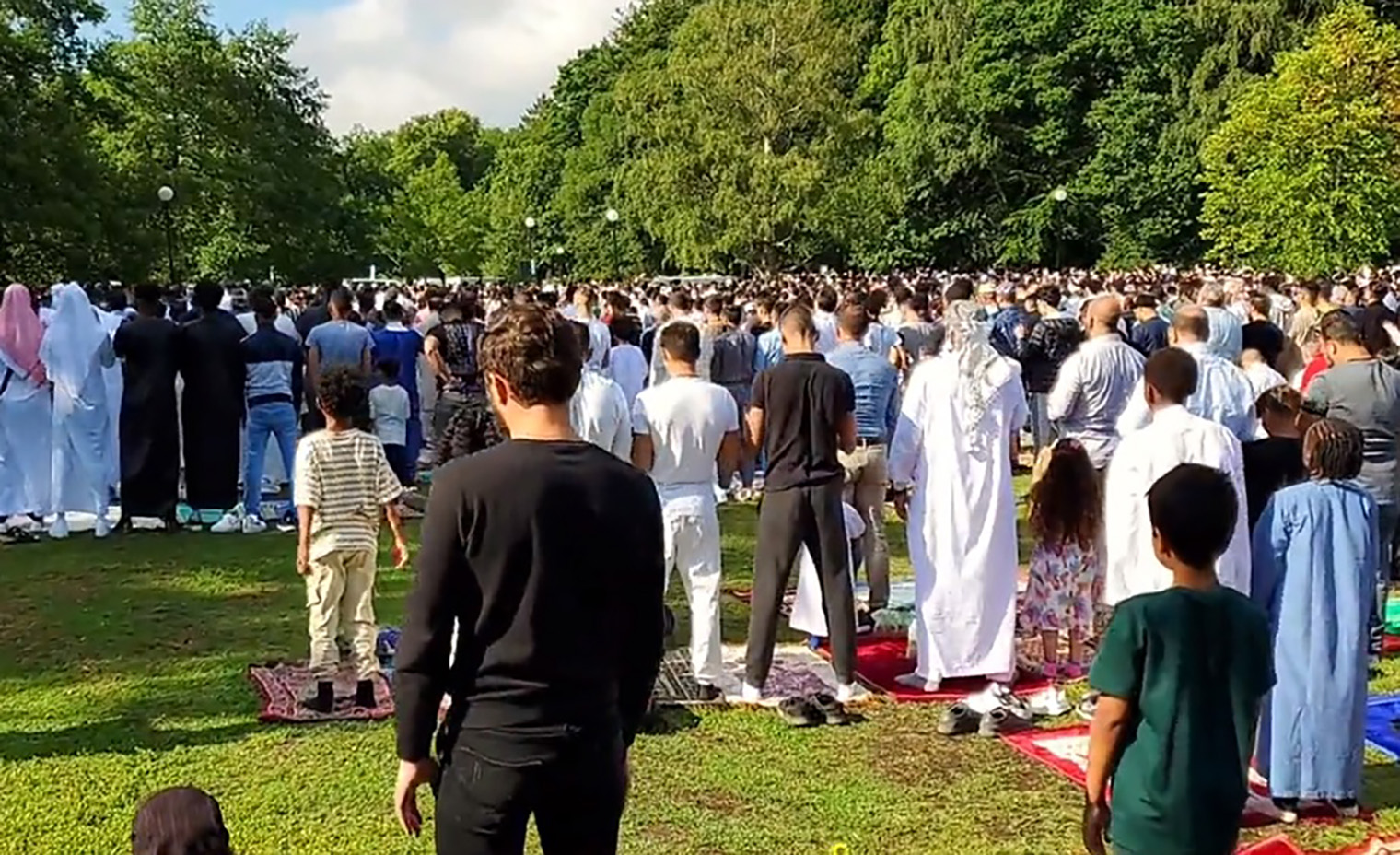
Wants to Replace Integration with Assimilation
For Rosander, the very concept of integration is part of the problem.
“I don’t like the word integration. I think we should talk about assimilation.”
She opposes the notion that majority society should constantly adapt so that those who have moved to Sweden can retain their previous social structures.
We can’t govern a society with feelings. We must govern it within frameworks.
Maria Rosander (SD), police officer
“I shouldn’t have to change my way of life, my everyday routines, or give up on things we’ve always done in Sweden just to accommodate someone else.”
As a mundane example, she mentions municipal information about waste sorting in Uppsala, which is distributed in Swedish, Arabic, Somali, and Persian.
“All the incentive to learn Swedish disappears.”
She believes Sweden has already offered people extensive opportunities.
“We’re told we haven’t succeeded with integration. But what is it that we haven’t succeeded with? We give, we offer everything. But you haven’t taken the opportunity. You haven’t embraced it.”
Warns About Parallel Structures
During her years as a police officer, Rosander says she has encountered structures that operate alongside Swedish society.
The man and woman can register at different addresses. The woman gets a housing allowance, extra benefits, and an apartment for her children. The man also gets an apartment which he rents out illegally.
Maria Rosander (SD), police officer
“Money is transferred between families via the imam. Everything is solved ‘in-house.’”
She describes how people may be divorced under Swedish law but still considered married under Islamic law, allowing them to exploit welfare benefits and manipulate the population registry.
“The man and woman can register at different addresses. The woman gets a housing benefit, extra support, and an apartment for her children. The man gets another apartment which he rents out illegally.”
Rosander claims that authorities lack sufficient control over who actually lives in parts of the municipal housing stock. She further argues that women generally tend to prioritize emotions in political decisions, which she believes explains why the Sweden Democrats have a harder time winning female voters.
She describes herself as tougher and more focused on facts than emotional arguments. The same view is reflected in her reasoning about how Sweden should be governed.
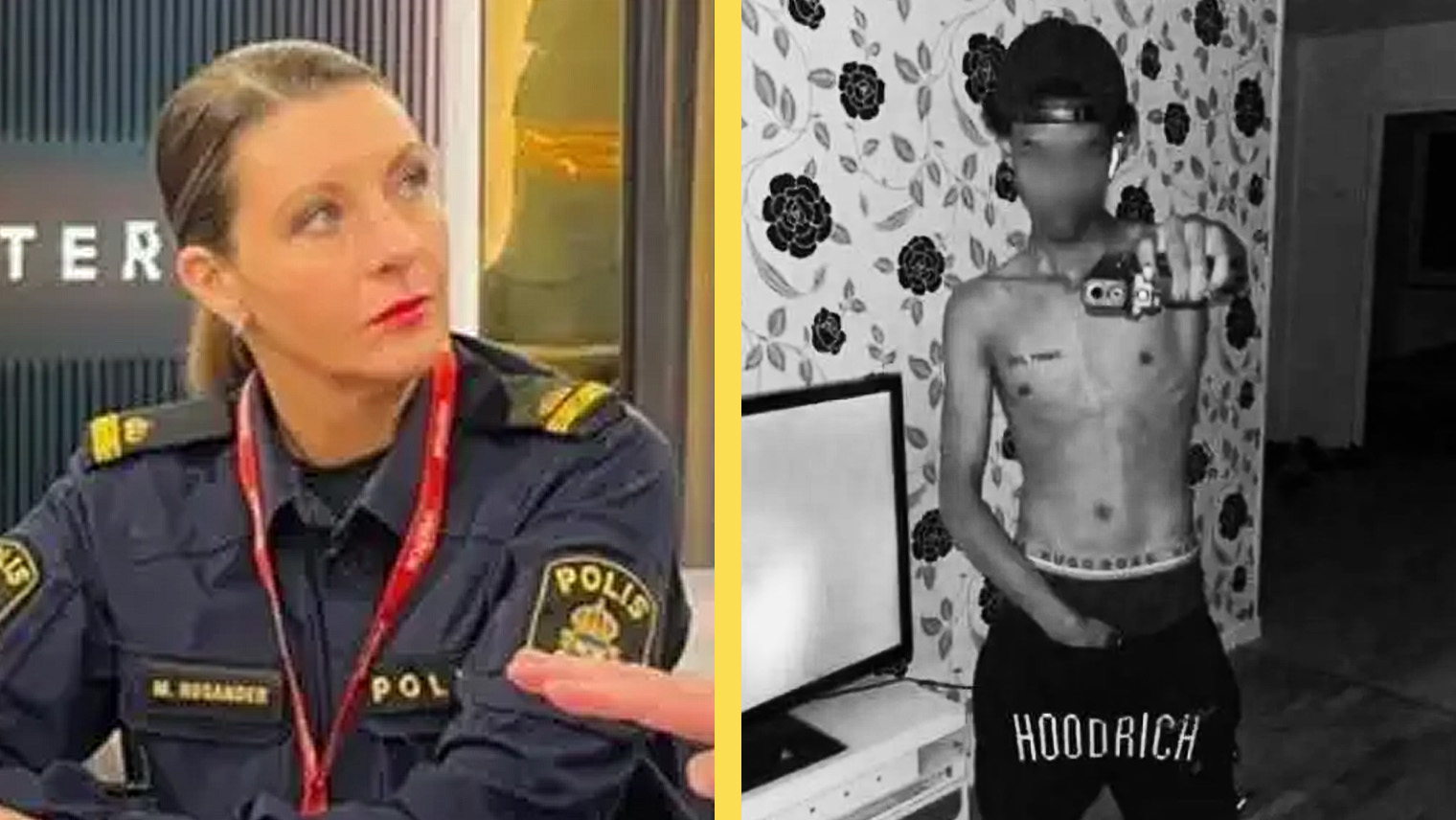
“We can’t govern a society with feelings. We must govern it within frameworks,” she says, stressing that laws and rules must apply even when the consequences are uncomfortable.
READ ALSO: More female police chiefs take positions – professor explains how the justice system changes
Yet Rosander’s self-portrayal as tough isn’t quite the impression Samnytt received during their meeting. On the contrary, she is lighthearted, warm, and quick to laugh. Her toughness seems instead to concern her view of politics—that decisions must be based on facts, laws, and consequences—even when the outcome feels uncomfortable.
“We Absolutely Have Clan Structures in Uppsala”
Rosander also sees clan structures as a serious and underestimated problem.
“We absolutely have clan structures in Uppsala society. It’s very clear, especially in the vulnerable areas.”
As a police officer, she has seen the same families and relatives reappear in criminal investigations.
We need to be tough and strict when it comes to recruiting people in particularly sensitive public functions and in the welfare sector.
Maria Rosander (SD), police officer
“There are families that are very strong, they show up in investigations where the children reoccur. Then you have their cousins who are in another faction elsewhere in Sweden, and so on.”
She describes reports of business owners being subjected to protection rackets.
“They have to pay money for protection. If they don’t pay, there will be vandalism.”
That sounds like classic mafia activity?
“Yes, it’s classic mafia. I see clan and mafia as basically the same.”
READ ALSO: ‘This is not Sweden anymore’ – a tour of Vivalla
Rosander argues that the main threat arises when loyalty to family or clan becomes stronger than loyalty to society at large.
“Loyalty for these groups will always be with the clan.”
She therefore wants much stricter background checks in the recruitment to sensitive societal functions.
“We need to be tough and strict when it comes to recruiting people in particularly sensitive social structures and the welfare sector.”
READ ALSO: Vivalla and the especially vulnerable ‘elephant in the room’
Critical of Mosque Financing
Rosander also criticizes how Uppsala municipality has handled Muslim associations and mosque projects. She mentions an Islamic center in Stenhagen and claims the municipality has not sufficiently investigated the source of its funding.
READ ALSO: After the election came the application – now the Social Democrats are accused of secret mosque deal
“When you ask the chairman of the municipal executive board: ‘These funds that have come in, have you asked for and received a proper account of where they come from?’ the answer is; – No, we have not done that.
Rosander claims that people linked to the project have been involved in crime and there have been ties to Islamist environments abroad.
“Which means that we are indirectly in Sweden accepting inappropriate, undemocratic organizations funding activities. For me, this is completely unacceptable.”
She wants the requirements to be absolute.
“If you can’t account for one hundred percent where the money comes from, it should never open.”
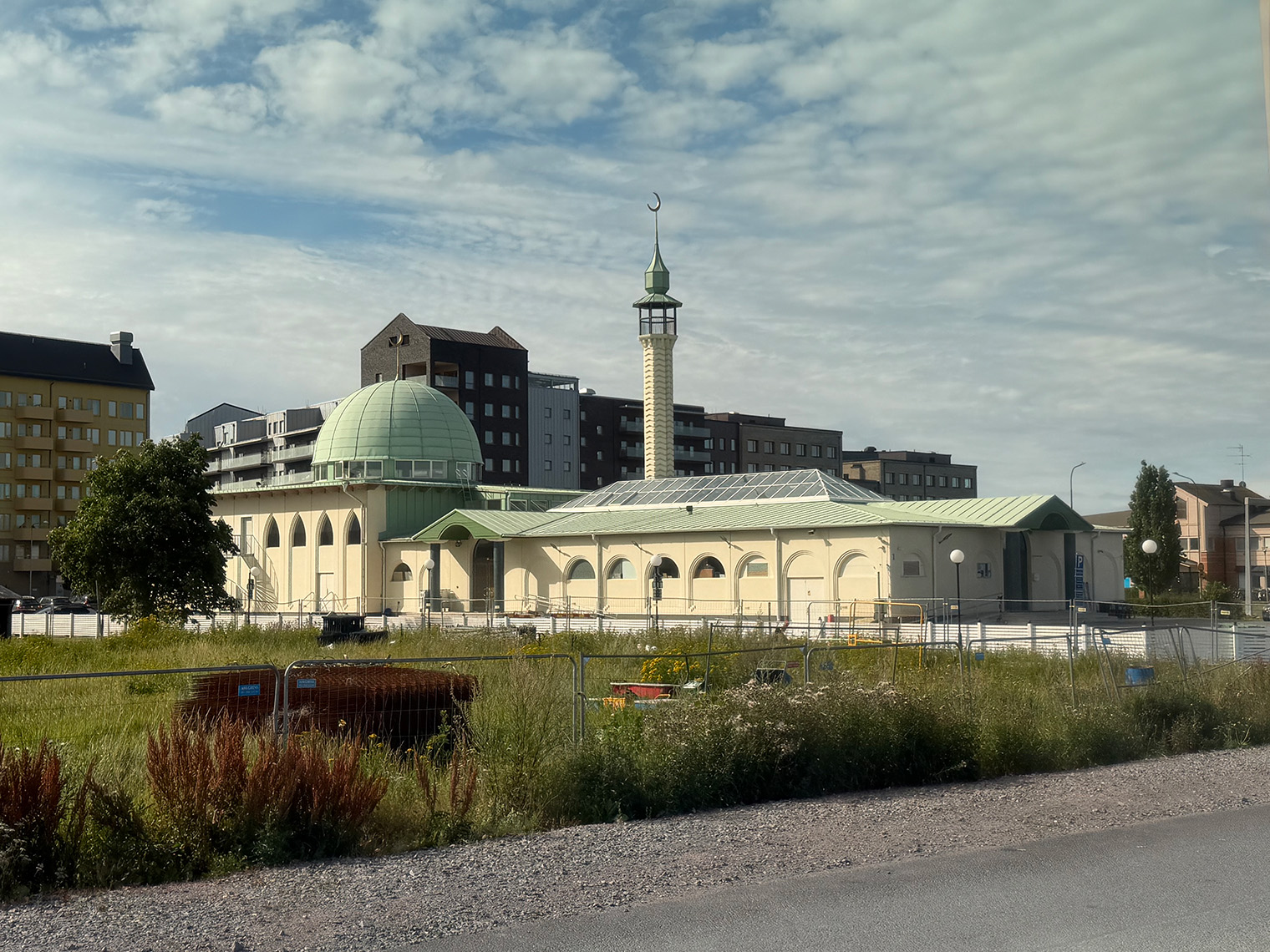
She also raises suspicions that politicians have been too accommodating to religious groups for electoral reasons, though she herself emphasizes she has no evidence of direct deals.
Samnytt has previously reported on suspected links between municipal grants, Muslim groups, and Social Democratic voter support. Do you see the same pattern in Uppsala?
“I definitely do. Some kind of vote fishing among these groups seems obvious.”
READ ALSO: Suspicion: Turkish Islamists collect money for mega-mosque in Stockholm
Demands Repatriation
For Rosander, it is not enough to merely stop or reduce immigration. She is also calling for an active repatriation policy.
More and more politicians are starting to talk about repatriation instead of integration. What’s your take?
“For me, repatriation is necessary.”
READ ALSO: Petition on repatriation delivered to the EU Parliament
She wants municipalities to play an active role and advocates a special municipal unit working against illegal immigration and false residency.
Uniform is called uniform for a reason. Everyone must be equal before the law. I’m not a Sweden Democrat when I put on my police uniform. Then I represent Sweden’s law.
Maria Rosander (SD), police officer
“We’re working hard in Uppsala to set up a municipal unit focused precisely on repatriation.”
Rosander also wants stricter checks on who is actually living in municipal housing.
“You don’t live here. You’re not registered here. Goodbye.”
She believes that those who do not have the right to be in Sweden must leave the country and that Sweden must stop accepting a growing shadow society.
READ ALSO: Sweden faces a watershed election – and Tidö risks having squandered its chance
“I Am Not a Sweden Democrat When I Put on My Police Uniform”
Rosander is also strongly critical of the way the media have reported on the overhaul of migration and criminal policies. She points to how the concept of “reporting laws” has been linked to the legal obligation for authorities to share information with each other.
“The media in Sweden has always been guided by a Social Democratic aura.”
She argues that media now finds it difficult to adapt to a reality in which politics has changed.
“Now that the winds have changed, the media needs to be more nuanced. They need to reflect the society that is actually before them.”
Rosander is also critical of allowing veils as part of the police uniform. She believes an officer on duty must be perceived as neutral, and that religious symbols risk putting personal faith ahead of professional duty.
“Uniform is called uniform for a reason. Everyone must be equal before the law. I’m not a Sweden Democrat when I put on my police uniform. Then I am a representative of Sweden’s law,” she says.
Wants to Become Uppsala’s First SD Commissioner
Despite coming close to a seat in the European Parliament, Rosander is now focusing on municipal politics.
READ ALSO: EU ruling: Brussels’ values trump national self-determination
“I want to be Uppsala’s first commissioner. We haven’t had one. Our party has been excluded.”
Her strategy is to make the Sweden Democrats a party other parties can no longer keep out.
“I will be the most pleasant Sweden Democrat they’ve ever met. We will be an obvious cooperation partner.”
What are your future plans?
“My goal is to run for the European Parliament in 2029. By then, I want to have built a good groundwork and a larger network across Sweden.”
But first she wants to change her own home city, Uppsala.
After 17 years as a police officer, Rosander says she has seen realities that politicians and decision-makers denied for far too long. She believes that criminal policy demonstrates that it is actually possible to turn developments around when there is political will.
According to her, the question is whether Sweden will act as forcefully against the parallel social structures that she claims have been allowed to develop.
“I can get so damn scared. What if people don’t understand? Are they living in some sort of naivety?”
READ ALSO: Police: Islamization of Sweden has been ongoing for 30 years
For Maria Rosander, the next political struggle is therefore about more than shootings and bombings. It’s about what kind of society Sweden should be—and who gets to set the conditions.
“As a Swede, I should not have to change my way of life, my everyday routines, or give up things we’ve always done in Sweden just to fit someone else.”