
On July 1st, Sweden introduced a ban on marriage between cousins and other close relatives. At the same time, the Migration Agency is still forbidden from DNA testing couples applying for family immigration. Therefore, it will continue to be easy for immigrants to bring close relatives they wish to have children with into the country.
On July 1st, cousin marriage became illegal in Sweden. In light of this, Samnytt has checked with the Migration Agency on how the authority intends to act to stop immigrants from bringing close relatives from their home countries to have children with them.
The Migration Agency states on its website that a total of 88,938 people from countries outside the EU/EEA immigrated to Sweden in 2025. Of these, just over 47 percent were classified as family migrants.
It is unclear how large a proportion of family immigration concerns children of persons with residence permits and how much concerns partner immigration.
According to Wikipedia, marriages between close relatives are common in some of the countries from which many immigrants to Sweden originate. In a 2016 study cited by Wikipedia, 9.9 percent of marriages in India were between cousins.
READ ALSO: Where the Tidö government’s immigrants came from
In Pakistan, 63 percent of marriages were between close relatives in 2018. In Afghanistan, the “inbreeding factor” is estimated at about 46 percent, in Iran at 28 percent, in Syria at more than 30 percent, and in Iraq at more than 47 percent.
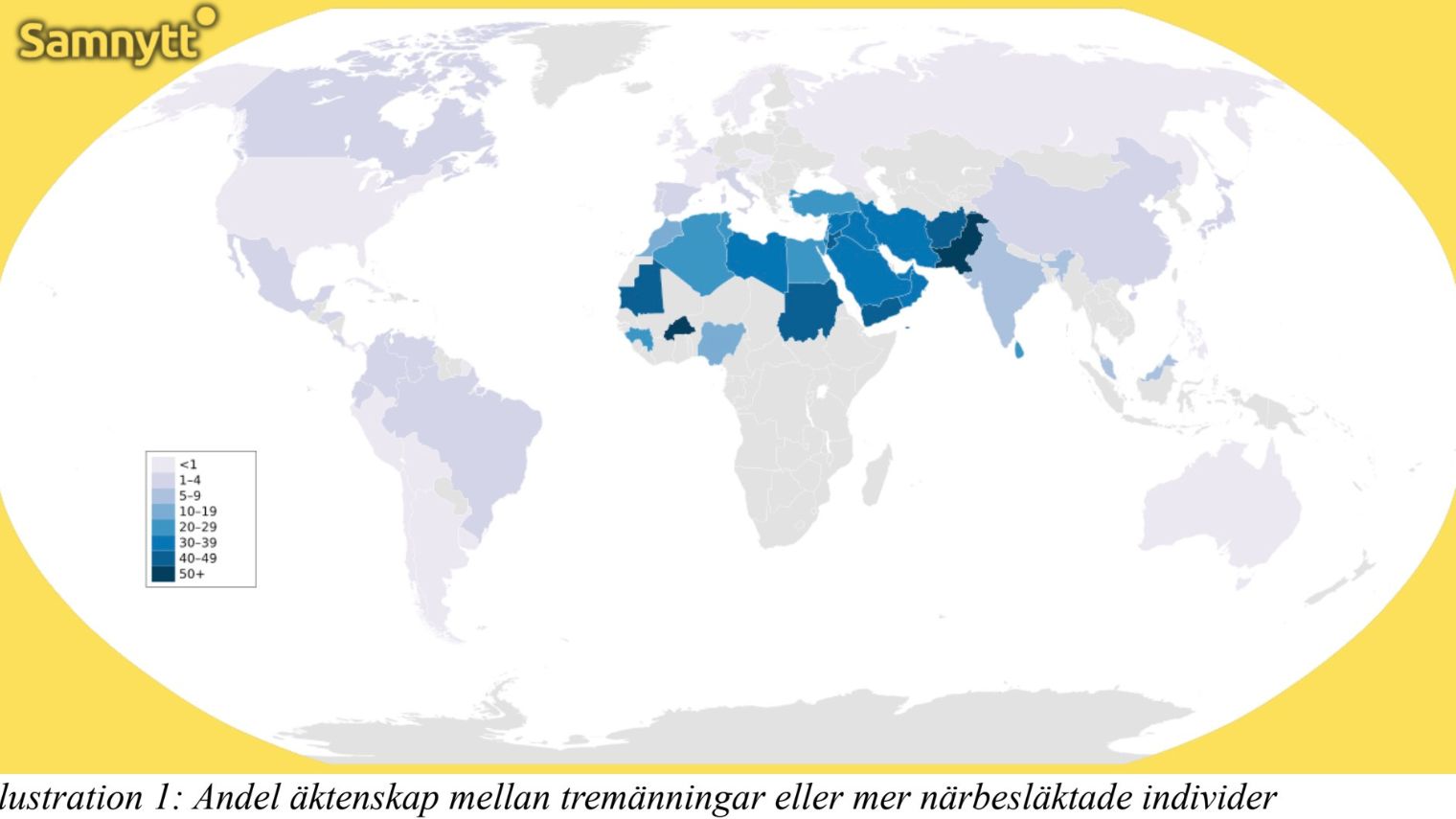
In total, over 36,000 Indians, 16,000 Pakistanis, 9,000 Afghans, 8,000 Syrians, 8,000 Iranians, and 4,000 Iraqis immigrated to Sweden in the years 2023–2025.
By preventing people in these groups from bringing close relatives from their home countries to have children with, a significant reduction in immigration to Sweden could potentially be achieved.
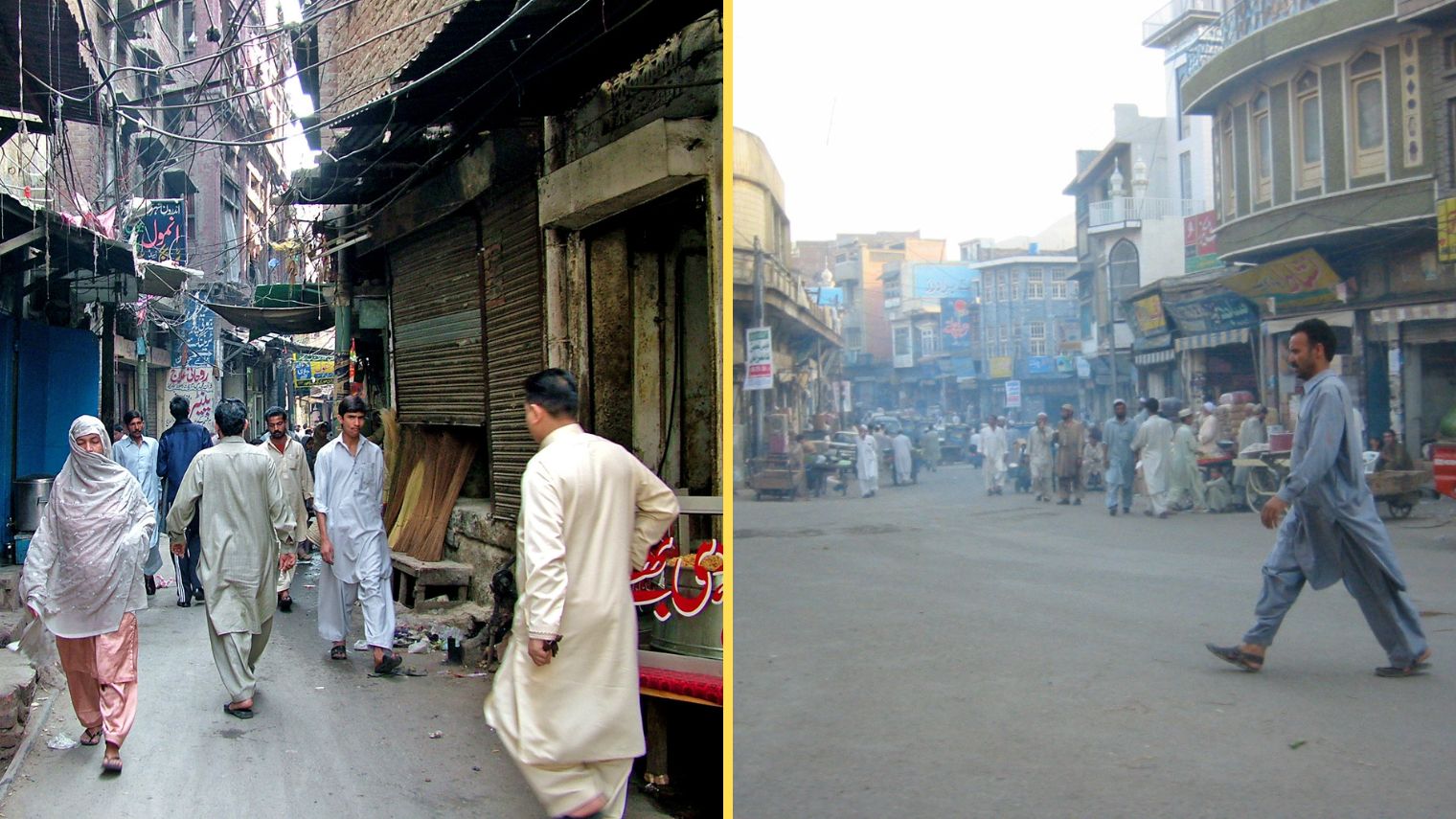
Samnytt has asked the Migration Agency how, after the legislative change, the authority works to prevent people from bringing partners from other countries to whom they are closely related.
How does the Migration Agency currently work to prevent sponsors from bringing close relatives as family-migrating partners?
It is not the Migration Agency’s task to prevent close relatives from arriving through family immigration, but the authority investigates this issue in individual cases to see if the conditions for granting a permit are met.
The legislative change means that it is not possible to marry, for example, a cousin in Sweden, and marriages contracted abroad between, for example, cousins are not recognized in Sweden.
To determine if someone can be granted a permit based on marriage, we must investigate whether the marriage is recognized in Sweden. The authority does this, among other things, by asking questions of the applicant and their sponsor.
Failure in New Legislation Prevents DNA Testing
Since it is likely that few, after the legislative change, will state to the Migration Agency that they are closely related to the partner they wish to bring as a family immigrant, Samnytt asked whether the authority will use DNA testing to prevent immigration through cousin marriages.
What legal possibilities does the Migration Agency currently have to request a DNA test to determine how closely related a sponsor and a prospective family-migrating partner are?
The Migration Agency has no legal possibility to conduct DNA analysis to investigate kinship under the new legislation.
The only possibility the authority has for DNA analysis is stipulated in Chapter 13, Section 15 of the Aliens Act, and this can only be used to demonstrate that a biological kinship exists, and cannot be used as a coercive measure to prove that such a relationship does not exist.
Due to this loophole in the legislation, the Migration Agency will not be able to use DNA testing to prevent people from bringing close relatives to have children with. The possibility to limit immigration with the new law against cousin marriage is therefore very limited.
Some countries with significant inbreeding issues, such as Saudi Arabia, have introduced mandatory DNA testing for those wishing to marry. About ten years ago, the BBC reported that 165,000 Saudis in one year refrained from planned marriages after DNA tests indicated a high risk of inbreeding-related genetic diseases.
The Migration Agency also notes that even partners whom the authority judges to be closely related to a prospective sponsor can be granted residence permits on other grounds than a formally established marriage, for example under the provisions concerning unmarried cohabitation in Chapter 5, Section 3a of the Aliens Act.
READ ALSO: Sweden’s immigration: Every fifth from the Indian subcontinent
123 083 33 50