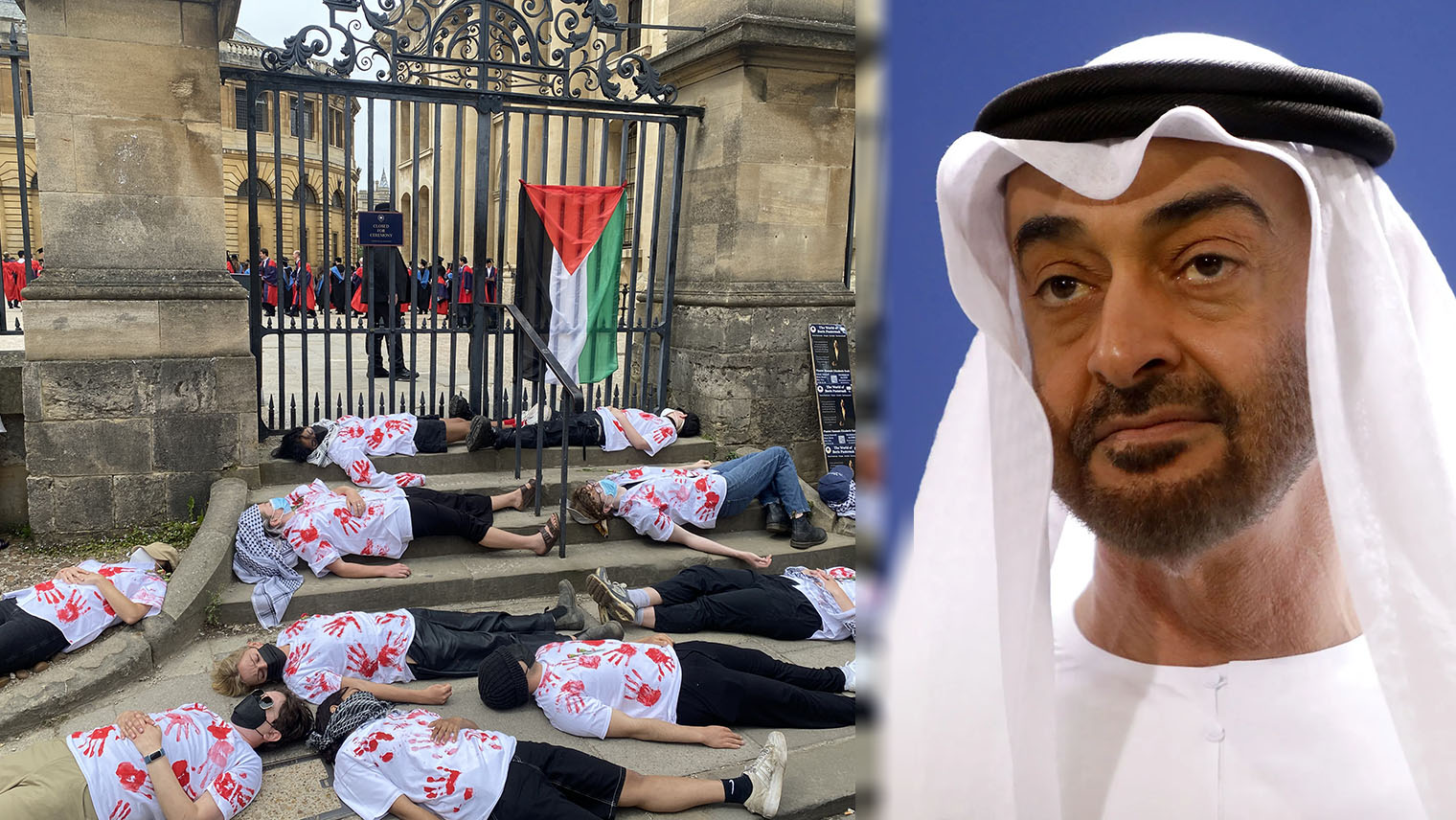
In a remarkable move, the United Arab Emirates has effectively closed the door to British universities for its government-funded students. The reason is growing concern about Islamist radicalization on Western campuses—especially in the United Kingdom. Meanwhile, the political developments in London, with Nigel Farage gaining in the polls and promising to ban the Muslim Brotherhood, may alter the playing field.
The United Arab Emirates has decided to no longer include British universities on the list of international institutions approved for government scholarships. The decision was made as part of a reform that focuses scholarships on what authorities consider to be the world’s leading universities.
Institutions in the USA, France, Australia, and Israel remain on the list—but not those in the United Kingdom, despite its strong academic reputation. According to several sources, the exclusion is not an oversight but rather a conscious gesture.
Fear of Islamist Influence on Campus
The background is the Emirati authorities’ concern that young students could become radicalized into Islamists while studying in the UK. There are particular worries about Islamist networks and currents of thought at the universities.
READ ALSO: UAE suspends visas for citizens of Muslim states
When British representatives questioned the decision, the response was reportedly clear: the UAE does not want its young people to be influenced in an extremist direction while studying abroad. On the British side, officials have emphasized the importance of academic freedom and open debate in discussions.
The Muslim Brotherhood – A Long-standing Source of Dispute
A central point of conflict is the UK’s reluctance to ban the Muslim Brotherhood. Under the leadership of President Sheikh Mohammed bin Zayed, Abu Dhabi has been firmly opposed to political Islam for over a decade, both domestically and regionally. The Emirates have long questioned why London does not classify the Brotherhood as a terrorist organization.
A UK government review from 2015 concluded that the organization could not be linked to terrorist activity directed at Britain. The issue is said to remain under ongoing review.
Farage and Reform UK May Change Course
Nigel Farage, whose Reform UK party is currently leading several opinion polls, has promised to ban the Muslim Brotherhood if he becomes prime minister. Farage also visited the Emirates last year at the invitation of the Emiratis—something that drew attention.
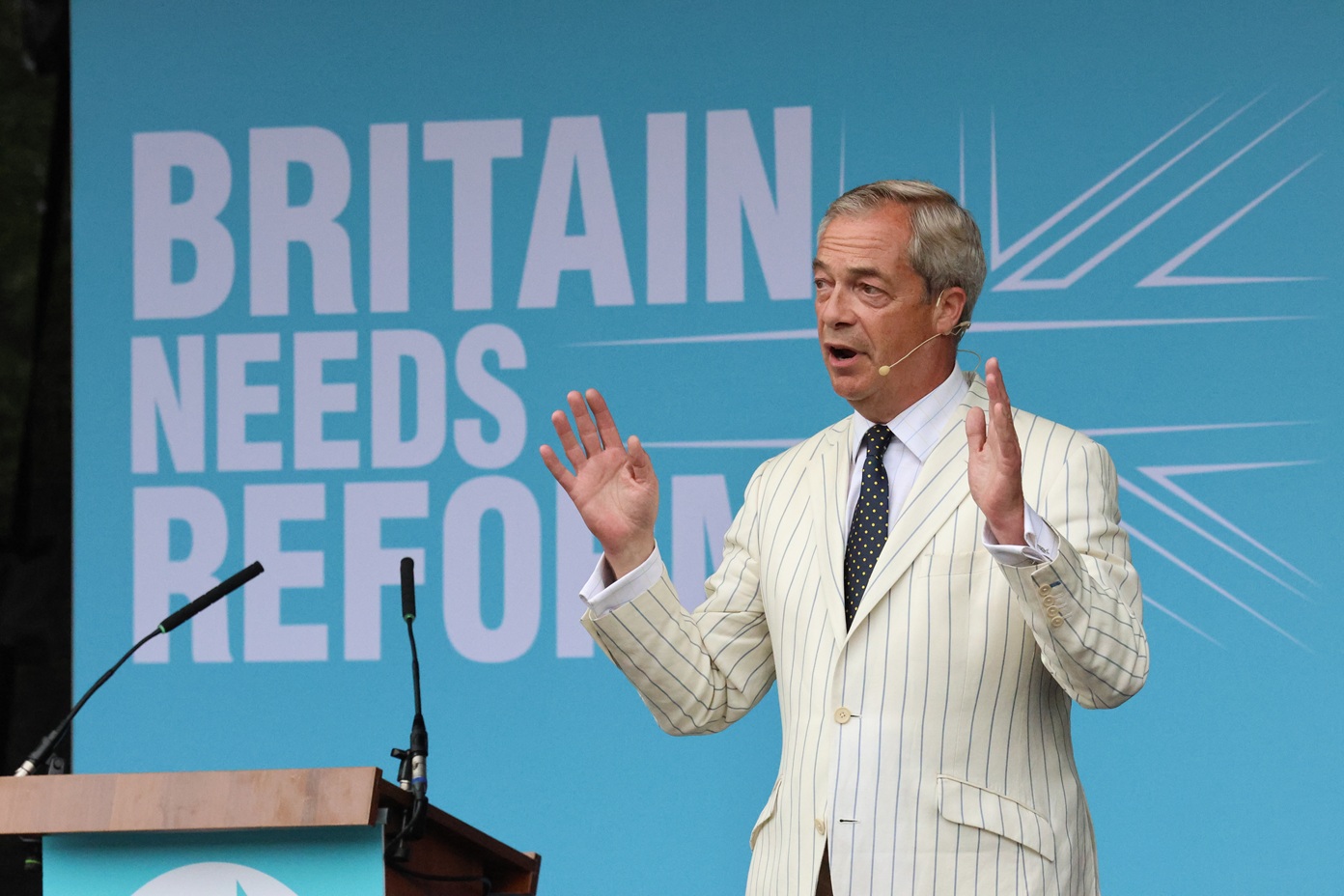
Such a ban would align fully with Abu Dhabi’s stance and could potentially thaw today’s frosty relations between the two countries.
Fewer Students – and Lower Value for British Degrees
The consequences are already apparent. The number of Emirati students granted UK student visas has sharply dropped in recent years. Additionally, the announcement that degrees from non-approved universities will no longer be recognized in the UAE has made British education much less attractive for Emirati citizens.
READ ALSO: Breakthrough: UAE receives Israel’s president
Some students—often from wealthy families—still choose to study in the UK with private funding, and in a few cases, military personnel reportedly continue to receive scholarships.
An Unusual Perspective on the West
The fact that an Arab country warns about the risk of young people becoming radicalized into Islamism while studying in the West has stirred surprise as notably counterintuitive. The risk ought to be greater in the Muslim world, from which such currents originate.
Critics argue that this says something about how extensive MENA migration to the West has changed the actual risk landscape, but also that, for various reasons, Western societies are unwilling to recognize the seriousness of the situation. There is hope that the Emirates’ notable decision will serve as a wake-up call.