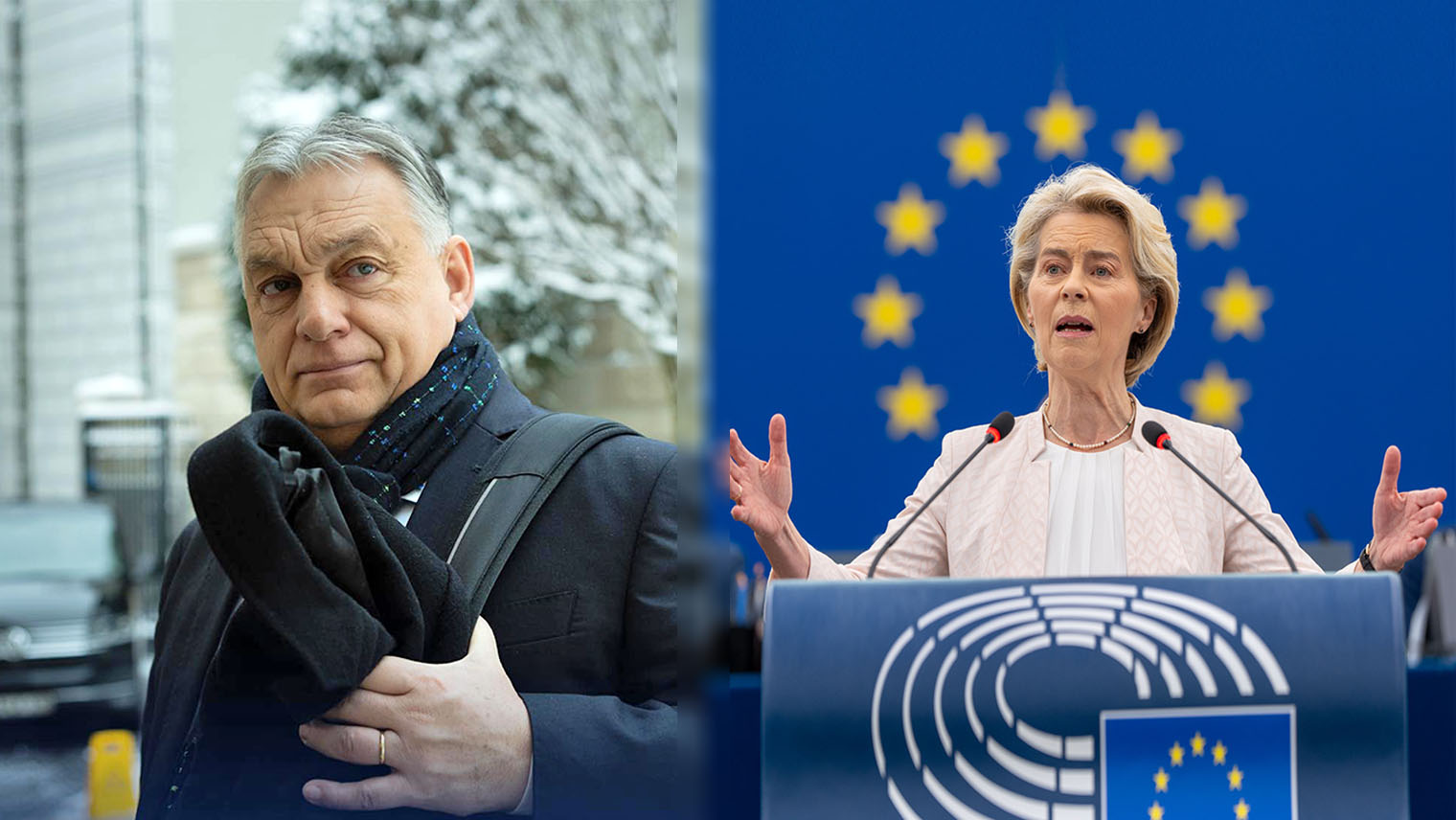
Hungarian Prime Minister Viktor Orbán delivers sharp criticism of the EU’s plans for long-term economic aid to Ukraine. According to Orbán, the sums involved—if financed according to Brussels’ model—risk undermining both the pension system and family policy in Hungary.
In a post on Facebook, Orbán describes the scope of the funds Ukraine is, according to him, requesting from the EU over the coming decade. It’s about 800 billion dollars—a figure which, in Hungarian terms, is equivalent to 40 years’ worth of pension payments or 60 years’ worth of family support, writes the prime minister.
“That is what Ukraine’s prime minister wants to collect from Brussels—and Brussels wants that money from us,” Orbán states.
Government review: ‘The conclusion is alarming’
The issue was discussed at the government’s meeting Wednesday, where EU Minister János Bóka explained how the EU plans to distribute the aid and what financing solutions are under consideration.
???? European Council meetings have become war councils.
A few of us propose a different path: peace, stability, and a responsible economy. Meanwhile, Ukraine is requesting €800 billion over the next 10 years, pushing Europe further toward economic decline. It’s only a matter of… pic.twitter.com/c26J05VVbO
— Orbán Viktor (@PM_ViktorOrban) January 7, 2026
Orbán describes the content of the review as deeply troubling. According to him, Brussels’ plans include abolishing extra 13th and 14th month pensions, phasing out family support programs, and introducing progressive income taxation—all to free up funds for Ukraine’s ongoing expenses.
‘We Hungarians do not want any part of this’
The prime minister emphasizes that Hungary cannot accept such a development. “This is exactly what we Hungarians do not want to have any part in,” he writes.
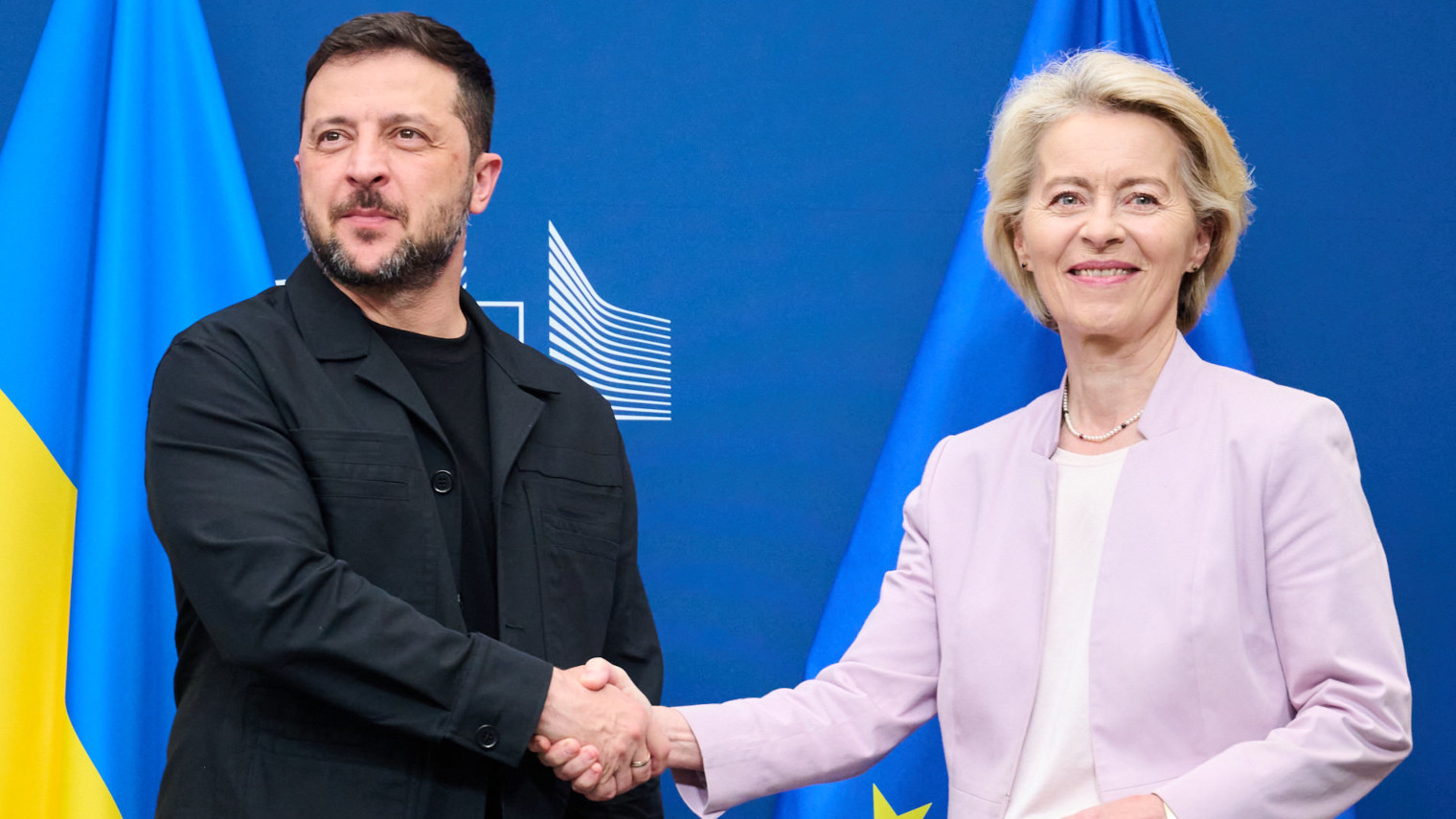
Orbán also announces that Bóka’s report will be made public, reasoning that Hungarian families have the right to transparency about the plans the government claims are being driven from Brussels.
A political crossroads for voters
In conclusion, Orbán frames the issue as a major political crossroads. He argues that, going forward, voters will face a choice between what he calls the ‘Brussels path’ and the ‘path of peace’.
Support for Ukraine, he insists, must not come at the expense of Hungarian pensioners and families with children—and not through decisions that shift the economic burden onto taxpayers in member states.