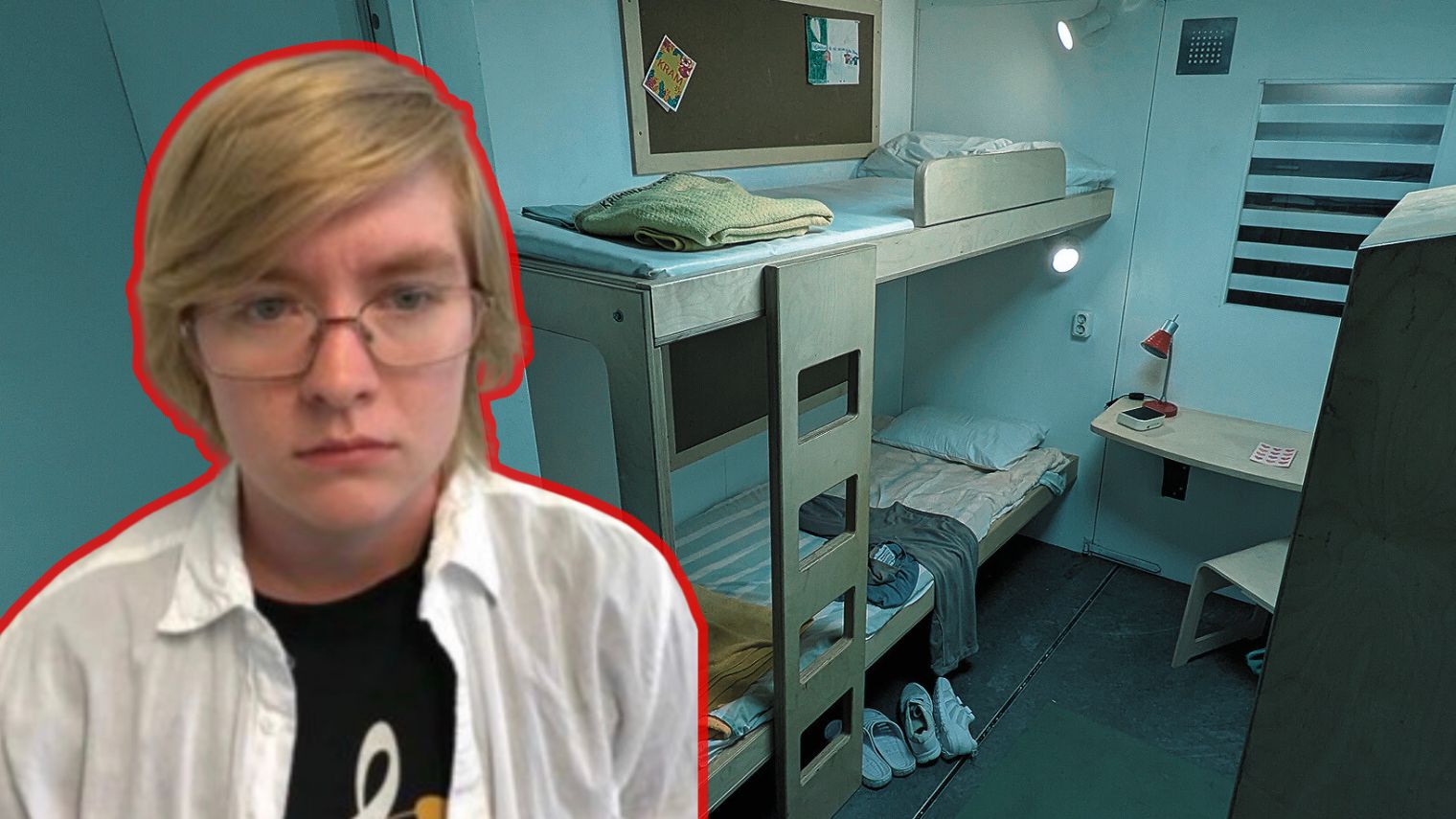
The life-sentenced dismemberment killer Leonard Höglind has once again changed legal gender—from man back to woman—and has also changed name to Leona Svensson. The decision has direct consequences for where and how the sentence is carried out, but it has also become part of a larger debate about the new gender recognition law, crime, and security within the Swedish prison system. In several high-profile murder cases, gender identity or legal gender change has acquired concrete significance after sentencing, and more such cases are expected.
The dismemberment murder in Karlskrona led to a life sentence in prison, but it’s not just the crime that has attracted attention. During the legal process, changes also occurred in Höglind’s legal gender status, which had practical consequences.
When Leonard Höglind was sentenced in Blekinge District Court, the 27-year-old had a female personal identification number. Ahead of the appeals court judgment, the legal gender was changed to male—which meant placement in a men’s facility. Now, Höglind has changed legal gender back to female and simultaneously changed the name to Leona Svensson.
Documents related to the implementation show that the Swedish Prison and Probation Service bases its assessment of which gender a person should be regarded as belonging to, according to applicable legislation, on their personal identification number. Based on this principle, the authority has now decided to transfer the newly named Leona Svensson to a women’s ward within security class 1.
“As Leona Svensson has changed legal gender, the institution has initiated the question of placement on a women’s ward,” states a relocation decision.
Leona’s Own Arguments: Misjudged Among Men
The underlying documents highlight how Leona Svensson herself describes the time among male inmates and why she now believes the placement was wrong.
“Her special requirements are based on a man with male psychology and criminal behavior, which never applied to her,” is how the murderer considers it.
After several years in prison, she—formerly he, originally she—thinks that the Prison and Probation Service ought to have formed a more nuanced picture by now. In the same documents, Leona now also argues that the gender change should affect the assessment of her sentence implementation:
“Now that her legal gender has been changed back to female, she should be assessed in the same way as all other women with similar backgrounds, problems, and criminal histories,” it states in the documents.
At the same time, the Prison and Probation Service in previous placement cases has emphasized that the risk of escape or release has been assessed as high, and so a lower security class has not been relevant. The difference now is that there is a women’s ward/women’s placement within security class 1, which makes a reassignment possible without lowering the security level.
Killed, Dismembered, and Buried the Remains
The widely reported dismemberment murder took place in the summer of 2020 in Karlskrona. Mikael Pettersson, 57, disappeared after visiting his son Anatoliy Pettersson and his partner, the transgender Leonard Höglind, in their temporary apartment. Two days later, the son reported his father missing.
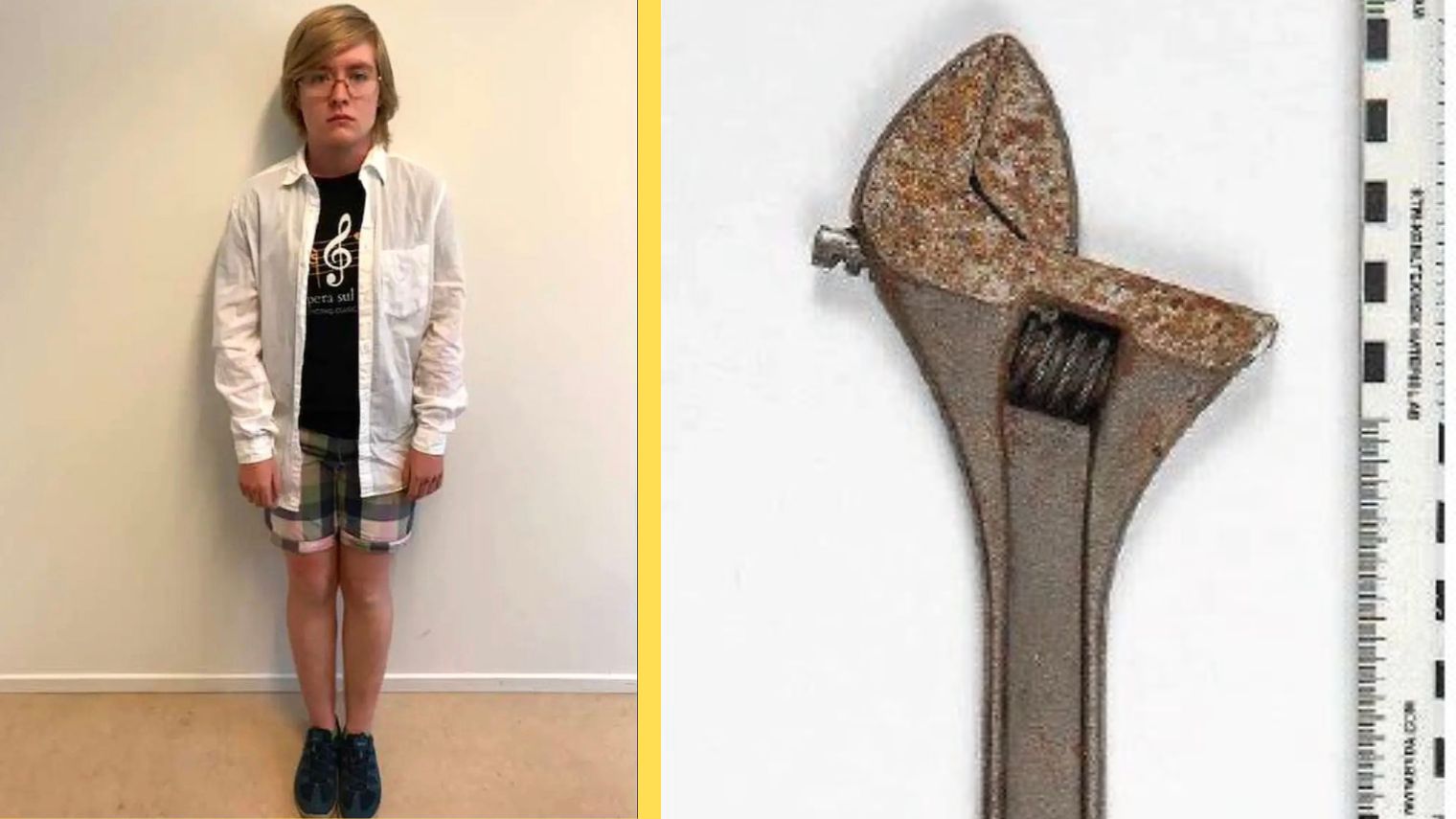
The police found traces of blood in the apartment and in a boat. The couple who were arrested at first denied knowledge of what had happened, but after several months, Höglind confessed in police custody. Mikael Pettersson had been beaten to death with a wrench, the body dismembered in the bathroom, and the remains transported by boat and buried on an island in the archipelago. The body was later found buried on an uninhabited island.

The court described the crime as premeditated and ruled that the murder, even if not prolonged, had “the character of an execution.” In addition to the killing itself, the treatment of the body and the crime scene were highlighted as aggravating circumstances.
The material on the case reveals that the motive was not just a sudden conflict, but also a longer development. According to the verdict, there was partly a financial motive. The investigation also found that, over a long period, the two had created a narrative in which Mikael Pettersson was portrayed as a threat to them—a kind of shared fantasy world that contributed to justifying the act.
Several High-Profile Cases
Leona Svensson’s transfer comes at a time when legal gender change in correctional facilities is under intense discussion. One of the most talked-about examples is the case of Paulus Abdelshahed, sentenced to life for killing his two children in Södertälje. In prison, he changed his legal gender and name to Lily, and the Prison and Probation Service subsequently decided to transfer him to a women’s prison.
READ ALSO: Egyptian Trans Woman Gassed Her Children to Death in Södertälje – Gets to Serve in Women’s Prison
In documents linked to sentence implementation, separation and transfer were justified partly by safety assessments as the prison was adapted for men and there were risks for the inmate. The double murder investigation also showed that gender dysphoria and gender identity were recurring themes.
– If I had been born as Lily, I would be happy and have my children. Living my life as it is, said Paulus, now Lily, in interrogation during the crime investigation.
READ ALSO: “Vilma” Suspected of Kidnapping and Dismembering Woman – Arrested While Burying Body Parts
Also in other serious cases, name changes and alleged gender dysphoria have been raised by inmates as arguments to influence placement or conditions—something critics believe risks creating new vulnerabilities in an already heavily burdened system. The latest highly publicized case is “Vilma” Andersson, who during the Christmas holidays dismembered a young woman in Rönninge, southern Greater Stockholm.
The New Legal Gender Law—And the Criticism
The new gender recognition law was passed in 2024 and came into force on July 1, 2025. It has made it easier to change legal gender. According to previous reports, the requirement for a gender dysphoria diagnosis was removed and the age limit was lowered to 16 years.
READ ALSO: Here Are All the Politicians Who Voted YES to the Gender Change Law
Criticism of the law has come from several quarters and concerns, among other things, how a new legal gender could have consequences in systems based on personal numbers and identity tracking. Stakeholders such as the Swedish Bankers’ Association, The Swedish National Council for Crime Prevention (BRÅ), and The Enforcement Authority have warned that repeated changes of personal identification numbers can be exploited by criminals in, for example, money laundering or other identity-related crimes.
A concrete objection that has been raised is that someone who changes legal gender gets a new personal number—and if the person later changes back, they do not regain their original number, but are assigned yet another new one. In this way, a person can erase a serious criminal past.
The political conflict has meanwhile been clear. The Sweden Democrats (SD) and Christian Democrats (KD) have wanted to repeal the law, while parts of the Moderates have defended it but pointed instead to the need to review prison placement rules. The government has initiated an inquiry into a modernized prison law, where placement and security are central issues.
READ ALSO: New Gender Change Law Could Benefit Criminals and Terrorists