The U.S. government has decided to withdraw from over 60 international organizations and bodies it considers redundant, inefficient, and/or politically biased. The White House describes the decision as part of strengthening U.S. sovereignty, reducing waste of taxpayer money, and prioritizing national interests.
The United States is now taking a significant step away from a range of international cooperations. According to a new memorandum from the White House, the country will leave 31 UN-affiliated bodies as well as another 35 international organizations outside the UN system. The decision is the result of a review initiated by President Donald Trump and carried out by the State Department.
In the introduction to the memorandum, the White House states that after its review, the U.S. has concluded it is “incompatible with the interests of the United States to continue to be a member of, participate in, or otherwise support” the organizations in question.
Criticism of inefficiency and ideological bias
According to the U.S. government, many of the organizations it is now leaving have developed in a direction that no longer benefits the United States. They are described as mismanaged, unnecessary, and in several cases marked by ideological agendas that conflict with American sovereignty and economic priorities.
Secretary of State Marco Rubio has been explicit in his criticism, pointing to inadequate management, overlapping mandates, and what he describes as wasteful use of resources. Organizations focusing on climate, migration, labor, and various diversity initiatives have especially come into focus.
ALSO READ: Trump: US will control Venezuela
The White House argues that many of these bodies pursue “radical climate policy, :censored:6:cdd6bbaa89: governance, and ideological agendas” rather than practical and balanced solutions.
Climate and gender equality agencies among those affected
Among the more high-profile decisions is the U.S. withdrawal from the UN Framework Convention on Climate Change, which forms the basis of international climate agreements. The UN Population Fund (UNFPA) and the gender equality organization UN Women are also included in the decision.
The climate framework has long been debated in the U.S. and has been criticized by the Trump administration for being too alarmist and costly, without sufficient regard to national economic consequences.
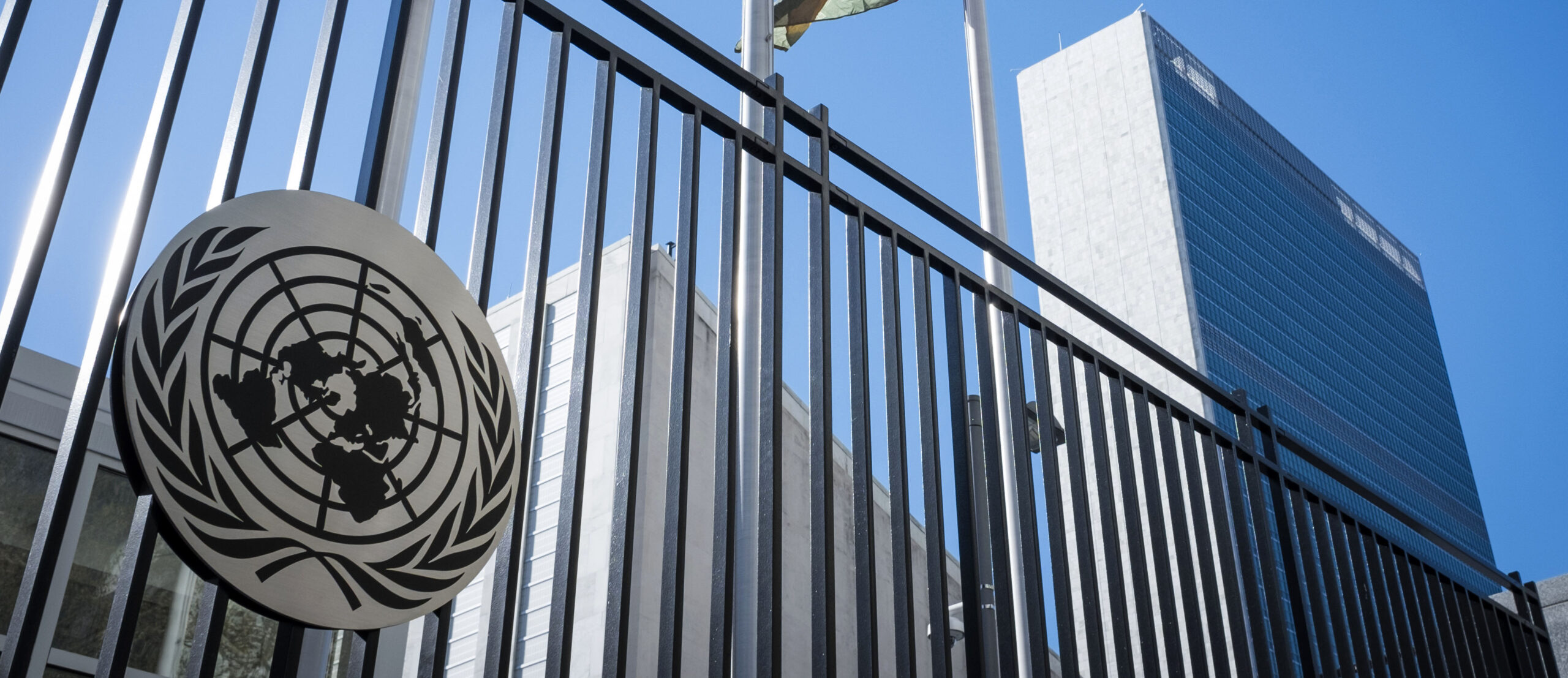
The U.S. has also previously withdrawn from or significantly reduced its engagement in other UN bodies, including UNESCO and the United Nations Relief and Works Agency for Palestinian Refugees (UNRWA), which has been revealed to have close ties to the Hamas terrorist regime in Gaza.
Less multilateralism – more national focus
The decision is seen by observers as a further expression of President Trump’s skeptical attitude toward extensive multilateral structures. The administration has instead emphasized the importance of bilateral agreements and partnerships where the U.S. has greater influence and clearer benefits.
ALSO READ: Trump to continue his conquest tour: “We need Greenland”
The memorandum states that the withdrawals should be implemented swiftly but in accordance with existing legislation. For UN bodies, this in practice means the U.S. will cease participation and funding to the extent allowed by law.
Parallel proposal for substantial defense budget increase
While the U.S. reduces its international engagement in civilian areas, President Trump wants to invest significantly more in defense. On his Truth Social platform he has proposed that the defense budget for 2027 be raised to around $1.5 trillion.
“For the good of our country, especially in these very turbulent and dangerous times, our military budget should not be $1 trillion, but rather $1.5 trillion,” Trump writes, describing the goal as a future “dream military.”
According to the president, the initiative could be financed with increased tariff revenues. Independent analysts, however, have questioned whether that would be enough to cover the costs.
Reprioritization rather than retreat
The White House emphasizes that the decision does not mean the United States is turning its back on the world, but that the country is making a strategic reprioritization. By leaving organizations considered inefficient or politicized, the administration wants to free up resources for areas seen as more directly relevant to American security, economy, and self-determination.
The review of U.S. international commitments continues, and according to the memorandum, further decisions could be made going forward.