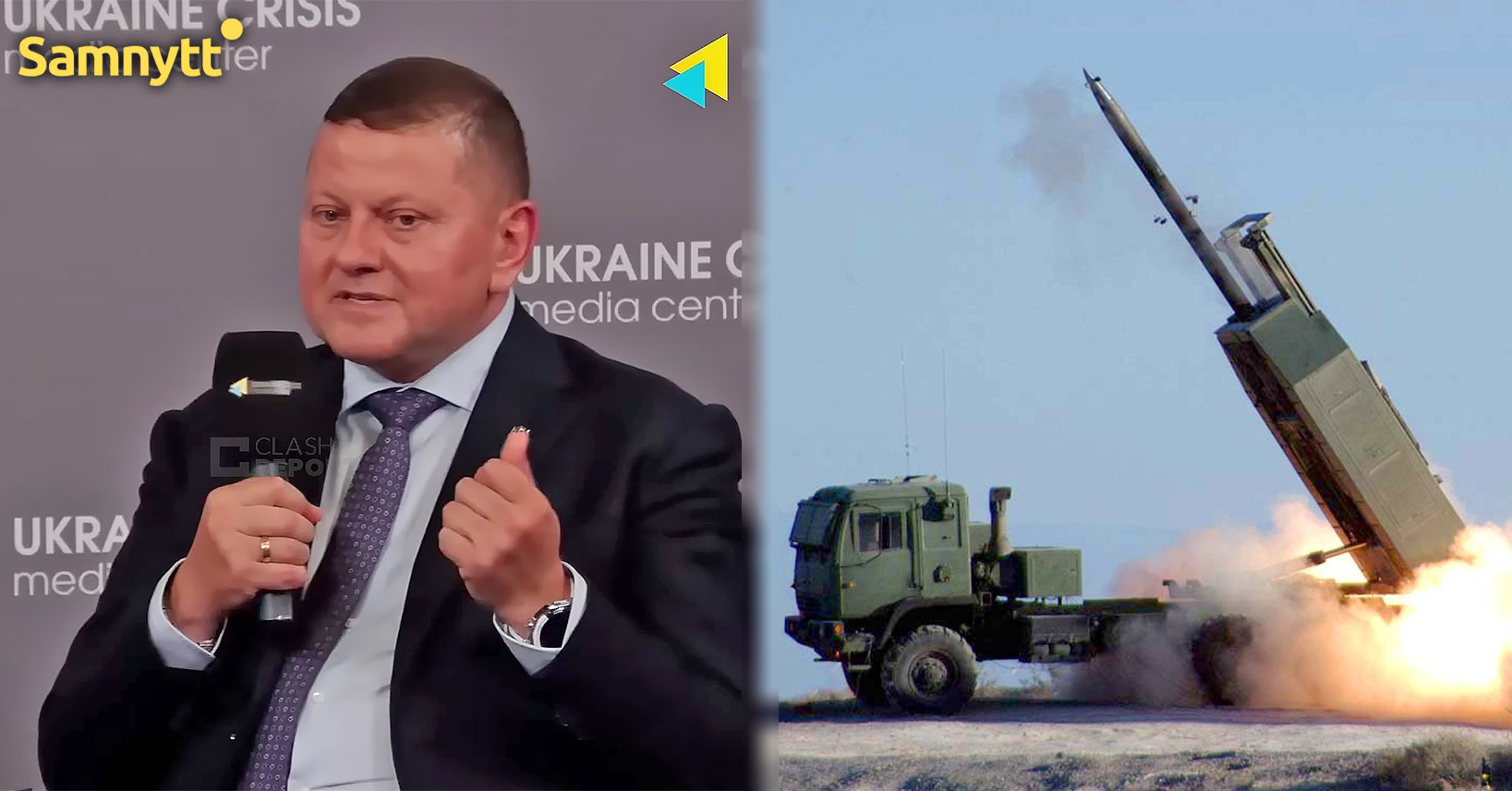
Ukraine has nearly exhausted the arsenal of modern Western weapon systems available to it – and Russia has managed to develop countermeasures for virtually all of them. This is according to Ukraine’s former Commander-in-Chief Valerii Zaluzhnyi, who points out how, for example, the American HIMARS rocket artillery went from being decisive on the battlefield to rapidly losing most of its effectiveness. According to Zaluzhnyi, this development shows that NATO must fundamentally rethink the way modern wars are fought.
Ukraine’s former Commander-in-Chief and current ambassador to the United Kingdom, Valerii Zaluzhnyi, paints a grim picture of the ongoing arms race between Ukraine and Russia, as highlighted by Ukrainian media.
In statements to journalists in Kyiv, he notes that during the war, Ukraine has had the opportunity to use nearly the entire arsenal of modern conventional weapon systems that its Western partners could provide.
But the Russian military has, according to Zaluzhnyi, repeatedly managed to adapt.
“By 2026, Ukraine had already used practically every type of weapon, except for Tomahawk missiles, nuclear weapons, aircraft carriers, and F-35 jets available in NATO’s arsenal,” he says.
⚡️‼️Ouch!
Zaluzhny: “Ukraine has used every possible Western superweapon and Russia turned them all into junk.” pic.twitter.com/viieU3YL7s
— SIMPLICIUS Ѱ (@simpatico771) August 9, 2026
He then delivers his stark conclusion.
“The resources are depleted. Russia has found countermeasures for all of this.”
In his statements, Zaluzhnyi explicitly asserts that Russia has managed to identify a specific countermeasure for almost every weapon system used against the aggressor.
HIMARS – From Breakthrough to Problem
As one of the clearest examples, Zaluzhnyi points to the American HIMARS rocket artillery system.
When these systems began to be used by Ukraine in 2022, they were of great significance, allowing for high-precision strikes against Russian ammunition depots, command centers, and other targets far behind the front lines.
“It was HIMARS that liberated the Kherson region,” he says.
He also highlights Ukrainian Bohdana howitzers and French Caesar howitzers as being important for several other operations near the Black Sea.
READ ALSO: EU countries are running out of air defense – for Ukraine
But according to Zaluzhnyi, HIMARS also illustrates just how quickly a technological advantage can disappear in the ongoing war.
The former Ukrainian commander-in-chief says that around a month after their initial successes, the system had already been so heavily affected by Russian countermeasures that its usefulness was drastically limited. HIMARS became something that, in practice, was impossible to use, he says.
This does not mean that HIMARS has literally disappeared from the battlefield or stopped being used entirely. Zaluzhnyi’s point is that the original impact of a new weapon system can quickly be reduced when the opponent develops electronic warfare, jamming, new tactics, and other countermeasures.
A Constant Race Between Weapons and Counterweapons
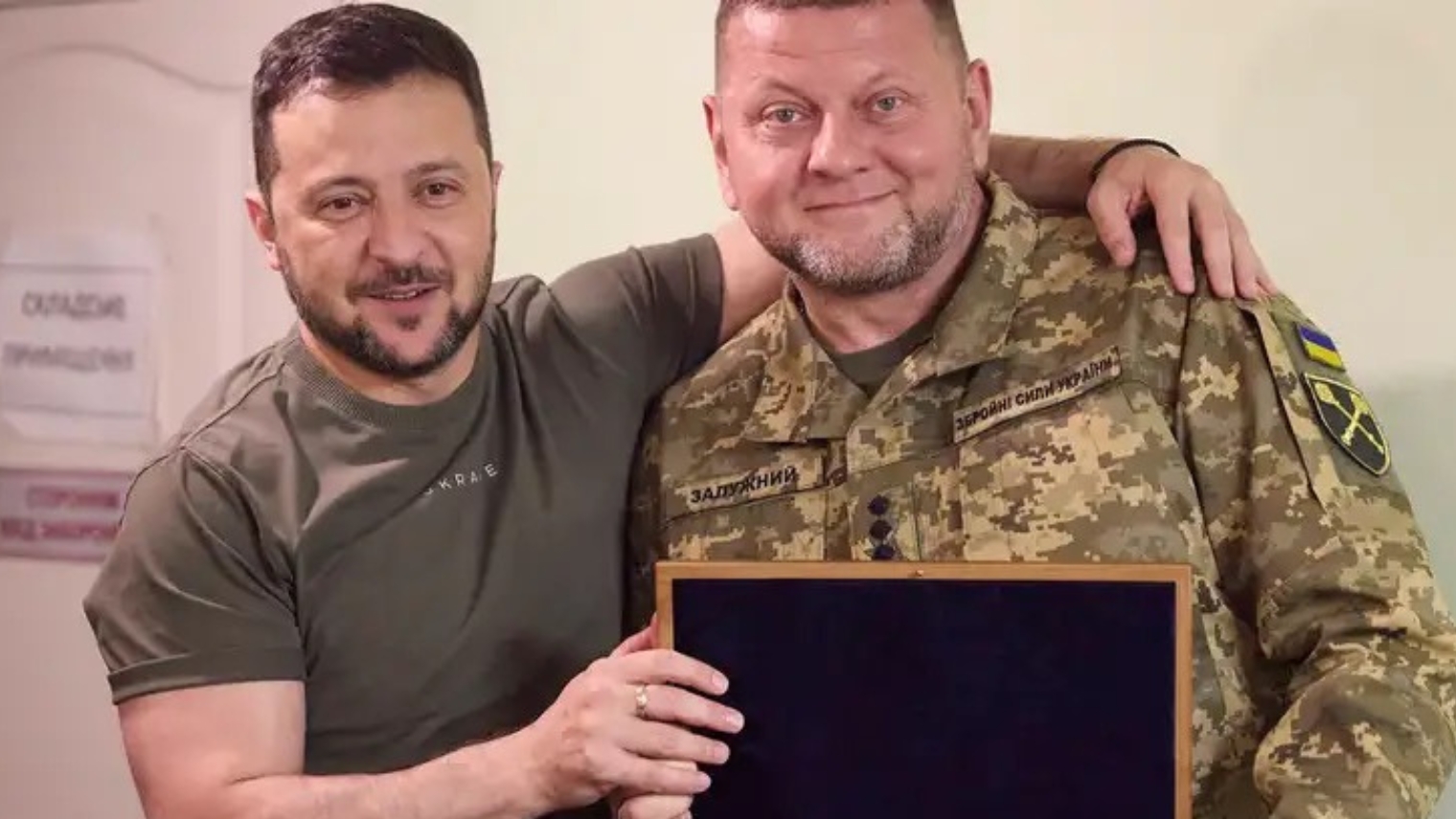
For Zaluzhnyi, this development is not unique to HIMARS. He describes it as a fundamental principle of military science – a new weapon is introduced, new methods to use it are developed, and then the opponent tries to neutralize the advantage.
Technological development, therefore, does not create a permanent advantage. On the contrary, innovation and counterinnovation become a constant race, where previously successful systems risk quickly losing much of their value.
Zaluzhnyi believes this process has now been taken very far by both Ukraine and Russia. Kyiv Post summarizes his conclusion as Russia having developed countermeasures against almost all major NATO weapons that Ukraine has used during the war.
“The Ukrainian Armed Forces have reached a completely different level. NATO has no choice but to shift to entirely new standards,” says Zaluzhnyi.
Claims That NATO Has Fallen Behind
These statements follow Zaluzhnyi’s well-publicized criticism of NATO earlier in August, when he claimed that the alliance’s military doctrines no longer reflect the reality on the modern battlefield.
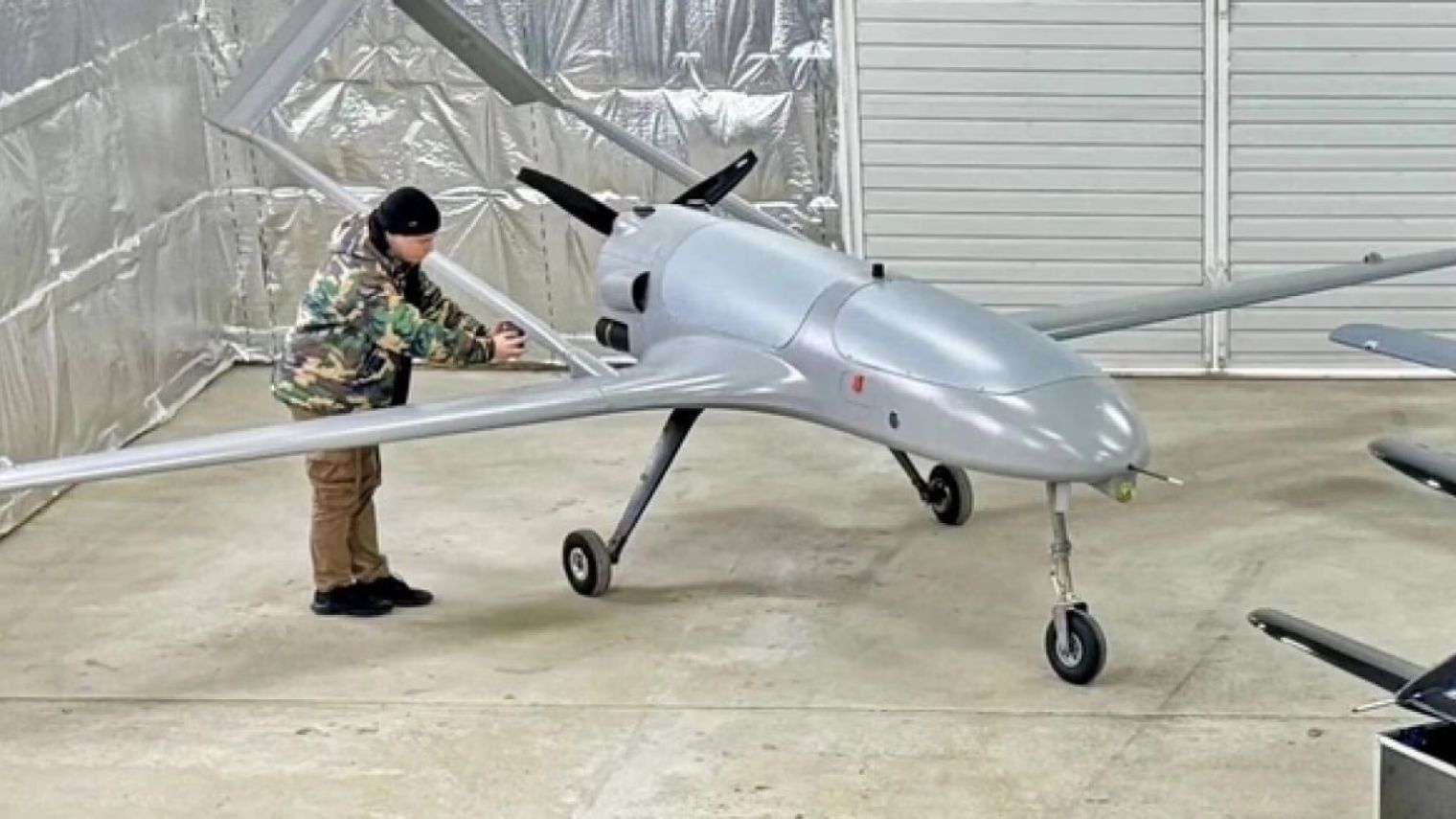
The former commander argued then that NATO still bases much of its warfare on principles rooted in World War II, while the war in Ukraine has been characterized by extremely rapid developments in areas such as drones, electronic warfare, sensors, and precision weapons.
Zaluzhnyi even estimated that NATO could need about twelve years to carry out a transition and reach even half of the capability that Russia has now developed for this kind of warfare.
At the same time, he has emphasized that Ukraine remains dependent on advanced Western technology, including air and missile defense and space-based military systems.
Calls for a Changed NATO
Zaluzhnyi’s earlier statement that Ukraine will “never” become a NATO member sparked strong reactions. Ukraine’s foreign ministry subsequently stated that the comment was taken out of context and emphasized that membership in the alliance remains a strategic goal for the country.
Zaluzhnyi is now seeking to nuance his position. He still describes himself as a strong supporter of NATO and recalls that he himself pushed for Ukraine’s transition to NATO standards even before the full-scale Russian invasion. The problem, he argues, is that the war has changed faster than the military alliance.
READ ALSO: Germany’s warning: Major war in Europe before 2029 as Russia arms at NATO’s border
His reasoning flips the traditional question of when Ukraine will be ready for NATO – according to Zaluzhnyi, NATO must first change to be ready for a Ukraine whose armed forces have accumulated experience from a high-tech major war that no NATO country has yet experienced.
“Only then will NATO be ready for Ukraine’s accession,” he says.
At the same time, Zaluzhnyi has repeatedly argued that Europe may need to build new security structures adapted to the lessons learned in Ukraine. In his latest statements, he reiterates the idea of an “entirely new security bloc” as a possible answer to how rapidly modern warfare is changing.
READ ALSO: Researcher: Swedish media and politicians mislead with propaganda about the Ukraine war