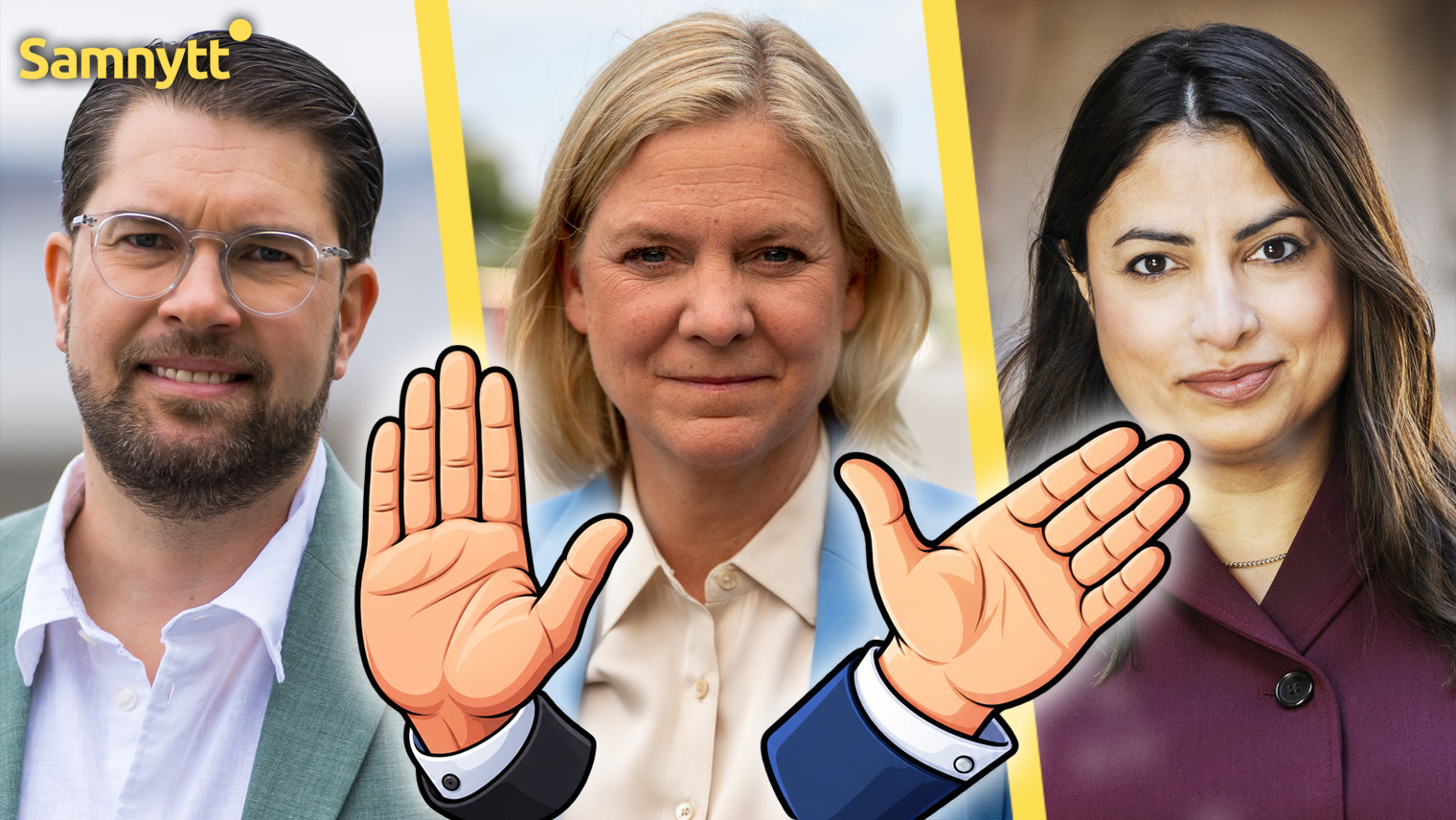
Social Democrats’ Magdalena Andersson maintains that the Sweden Democrats remain the only parliamentary party with whom she cannot imagine cooperating. At the same time, she does not close the door to the Left Party, despite recurring revelations about representatives who have expressed strong antisemitism and sympathies for terrorist organizations. In the Ekot party leader interview, the Social Democrat leader also leveled harsh criticism at the government, while providing statements on issues such as taxes, education, the qualifying deduction for sick leave, and energy policy.
Magdalena Andersson wants to break up the traditional bloc politics and is calling for a “new spirit of cooperation” with broad agreements in areas such as defense, energy, and infrastructure. But one party is explicitly excluded—the Sweden Democrats.
“I am prepared to cooperate with all parties except the Sweden Democrats,” said Andersson, adding that the last four years have given her “even stronger reasons” for this position.
However, she did not give a clear answer on exactly which parties could be included in a government led by herself. When pressed about the Left Party, she did not shut the door, despite the many scandals that have plagued the party recently.
The Left Party gets criticism—but the door remains open
Andersson admitted that the recent disclosures regarding the Left Party are serious, describing the problems as far too recurrent.
“The Left Party has […] a lot of work to do,” she said.
READ ALSO: New revelations about antisemitism in the Left Party – government outraged
She pointed to candidates on the Left Party’s ballots who have expressed sympathies for terrorist organizations such as Hamas, calling these revelations “very serious”. The interview also touched on revelations about letters sent to those convicted of terror offenses.
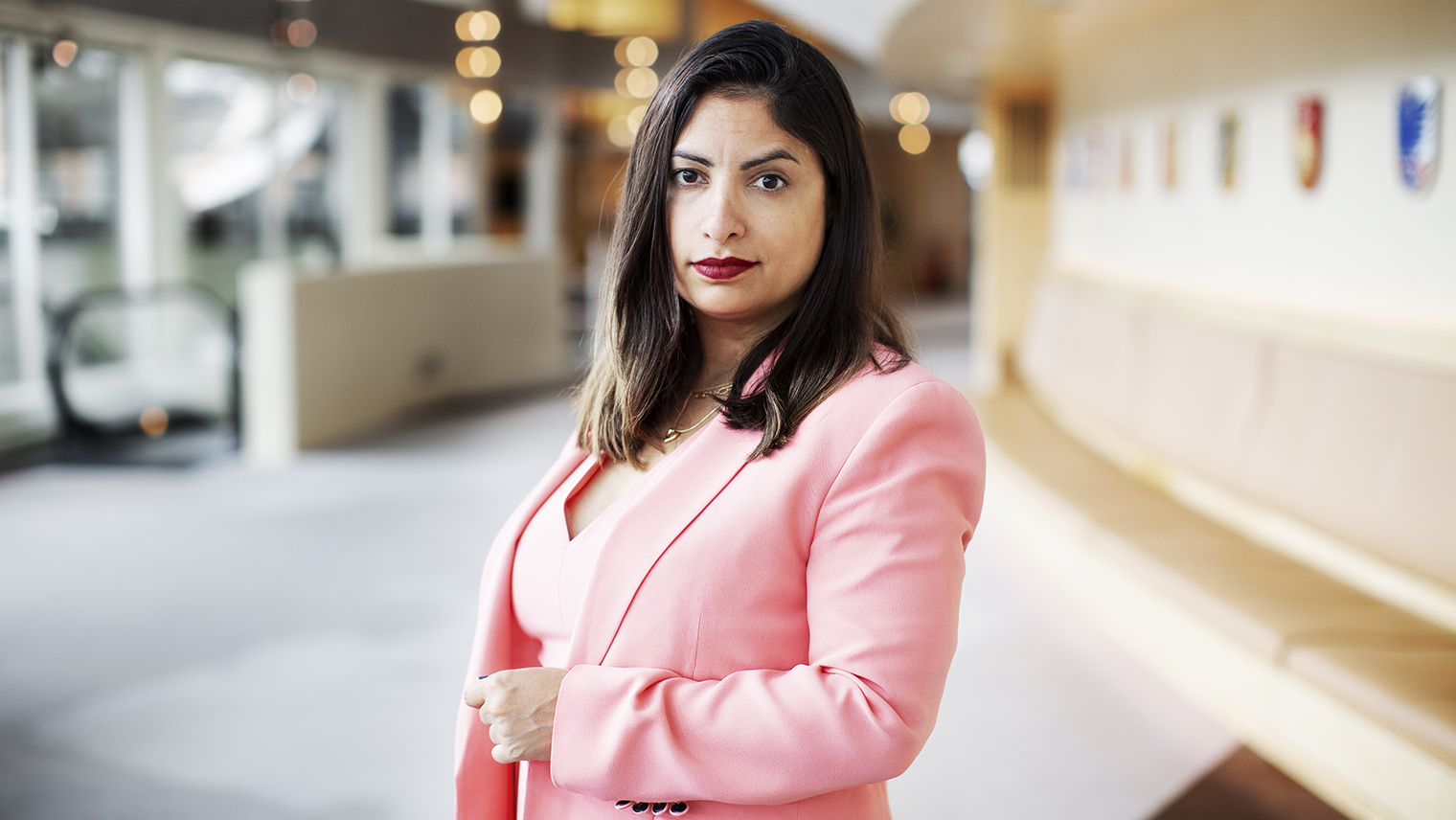
Andersson described the handling of letters as a “probable mistake,” but stated that the party obviously had not checked the matter properly enough.
Despite the criticism, she would not rule out the Left Party as a possible coalition partner at government level. To repeated questions about whether the Left Party could be part of an S-led government, Andersson replied that the party has “quite a journey ahead”, but she did not set any definitive barrier. She instead highlighted previous cooperation with the Left Party.
“We have worked well with the Left Party,” said Andersson, referencing, among other things, agreements on healthcare, education, and raising the minimum guaranteed pension.
The contrast to her view on SD thus becomes clear. When Andersson discussed the issues within the Left Party, she herself drew a comparison to the Sweden Democrats, claiming that at the last election SD had about 200 candidates on their ballots with far-right extremist connections.
This statement was made by Andersson in the interview and was not followed up with questions by SR’s reporters about sources. No verification of the claim is made by public radio in connection with publication.
Denies problem with gang criminals in the party
Gang criminality also arose as an issue when Andersson was pressed about the turbulence within the Social Democrats in Botkyrka. Ekot’s reporters raised information that a gang criminal had participated in the membership meeting where the then municipal council chairman was voted out and that another criminal individual with gang connections had been involved in nominating her successor.
Andersson said that she regarded these claims seriously but emphasized that the two individuals are no longer Social Democrat members and that she had received no indications that the party in Botkyrka faces problems with gang criminals today.
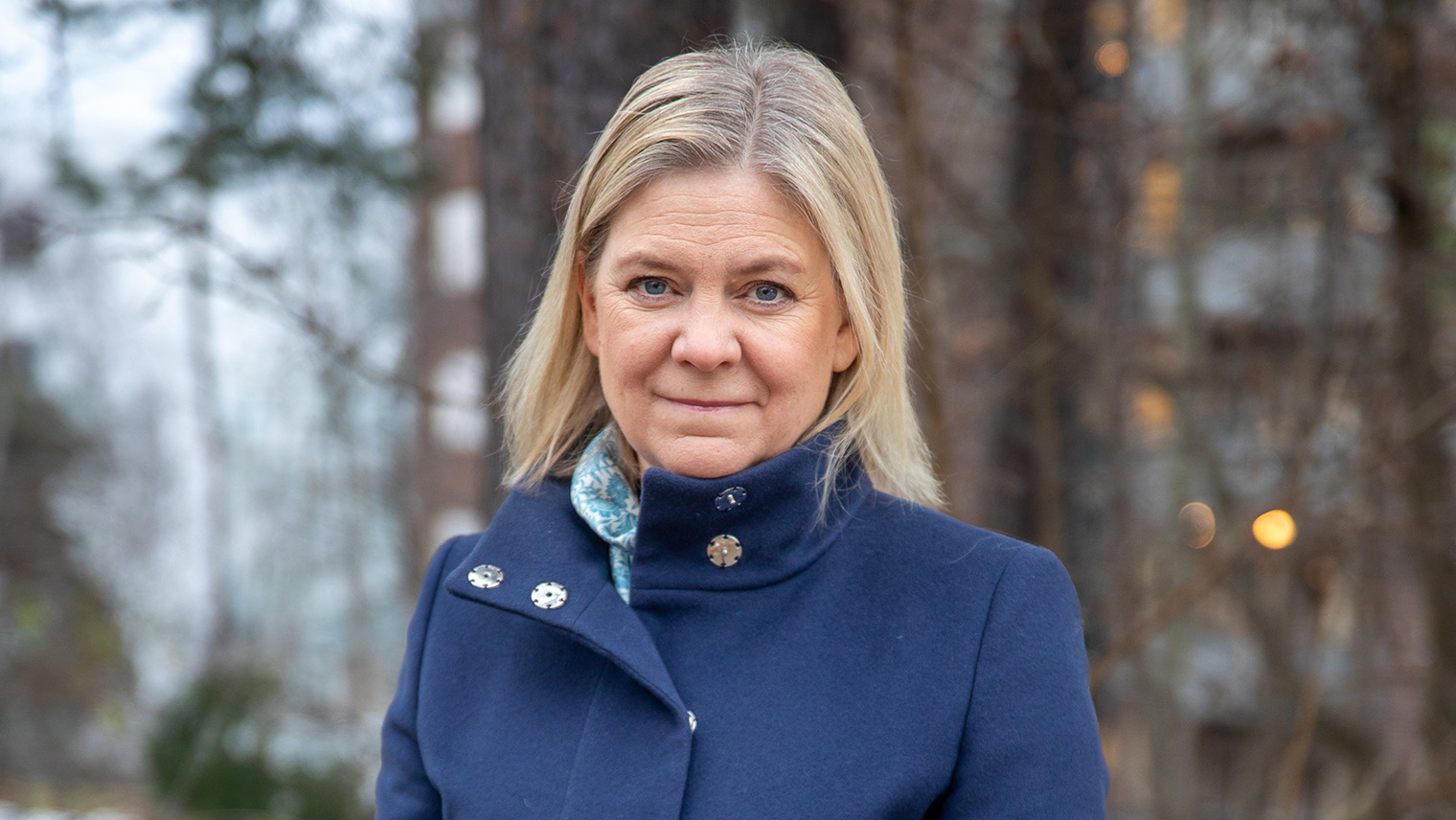
When asked whether the Social Democrats could have been influenced by criminal interests, she did not provide a direct yes or no answer. Instead, she referred to a later vote at which a large majority chose a new leadership.
Andersson also underscored that gang infiltration is a problem for all of society and that all parties must remain vigilant. At the same time, she aimed her criticism at another, unnamed but easily identifiable party, SD.
“The party that stands out […] is the one that doesn’t try to get rid of gang criminals but instead invites them to their weddings,” said Andersson.
Attacked the government for “culture war”
During the interview, Andersson repeatedly criticized the Tidö government’s economic policies. She accused the government of lowering taxes for the richest, while children’s benefits have not been raised and medicines have become more expensive for pensioners.
She also attacked the government’s industrial policy, calling it a “culture war against Swedish industry”. According to the Social Democrat leader, government representatives have sent the wrong signals by, she claims, expressing Schadenfreude when major industrial investments have run into trouble—implicitly referring to climate-related bankruptcies such as Northvolt, which have cost taxpayers and pension savers billions.
READ ALSO: Åkesson overtakes Andersson in trust poll
The Social Democrats instead want to increase investment and economic growth, financing parts of their reforms by, among other measures, a new tax on bank interest margins. However, Andersson could not guarantee that the banks would not pass on some of the costs to mortgage customers.
When interviewers asked what would happen if the banks nevertheless raised costs for their customers, she first joked that she hoped people would “take to the streets and protest”, before going on to speak of putting heavy political pressure on the banks and measures to ensure banks that act this way would “face public shame”.
Does not rule out other tax hikes
Andersson also gave no categorical promise that taxes other than those the Social Democrats have already announced cannot be raised after the election. Surprises in this area may come after the installation of an S-led government.
The party is pledging a new bank tax and higher taxes for individuals with very high incomes. When directly asked if she could rule out further tax increases, Andersson replied that this is not something the Social Democrats are campaigning on, but added that she did not intend to “sit and negotiate the budget” in the radio studio.
At the same time, she rejected the Green Party’s demand for a higher fuel tax as Social Democrat policy, though without categorically promising that such an increase could never become the result of future negotiations with the Greens. She stressed that many Swedes are dependent on their cars and said that the Social Democrats instead want to make it easier for more households to buy used electric cars.
Wants to stop profits in schools
On other policy issues, Andersson prioritized a halt to profit-making schools. She opened the door for a ban on limited companies running schools, which could force current companies to convert to—for example—foundations or other non-profit forms. The goal is for such a change to take place during the next parliamentary term.
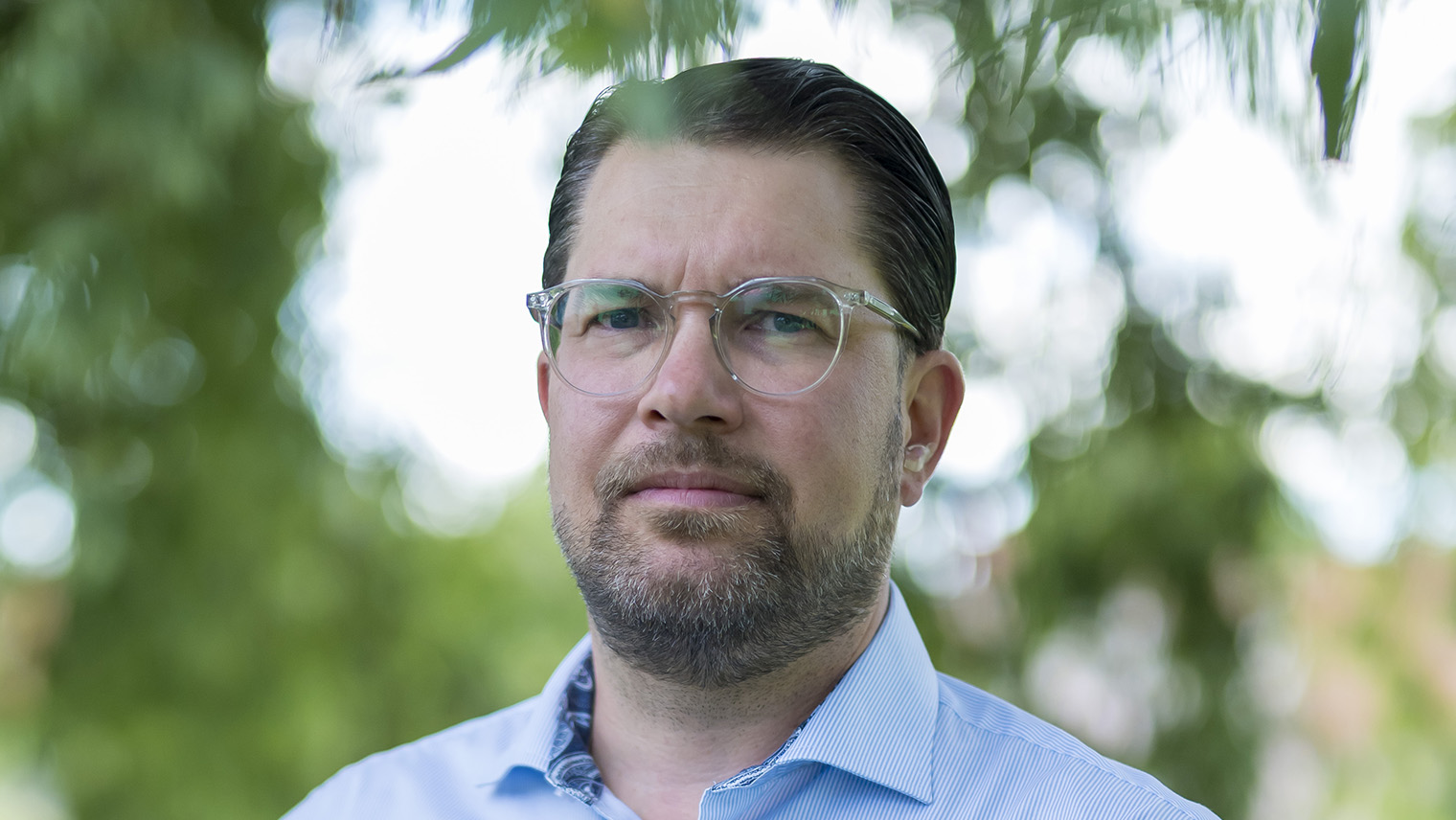
The Social Democrats also want to abolish the qualifying deduction for sick leave. Andersson defended the reform despite the interviewers pointing to calculations suggesting company costs could be significantly higher than the five–six billion kronor that the Social Democrats themselves have highlighted in their own estimate. She argued that the cost of illness already exists, and the question was who should bear it.
Half promise not to stop new nuclear power
In energy policy, she also gave a response closer to the government’s line—a Social Democrat-led government, according to Andersson, would likely not withdraw Sweden’s application to the EU Commission for state aid for new nuclear power. She said that Sweden needs both new nuclear power and expanded offshore wind power for electrification.
Ahead of the election, Andersson above all wants to profile the Social Democrats on the economy and household purchasing power. She promised, without specifics, that broad groups of wage earners will get more money in their pockets, pointing to measures such as increased child benefits, abolition of the qualifying deduction for sick leave, and cheaper medicines.
But when it comes to government coalitions, the sharpest dividing line remains—cooperation with Sweden’s second-largest party, the Sweden Democrats, is excluded, while the door to the Left Party—despite Andersson’s own harsh criticism of the party’s recurring problems—remains open.