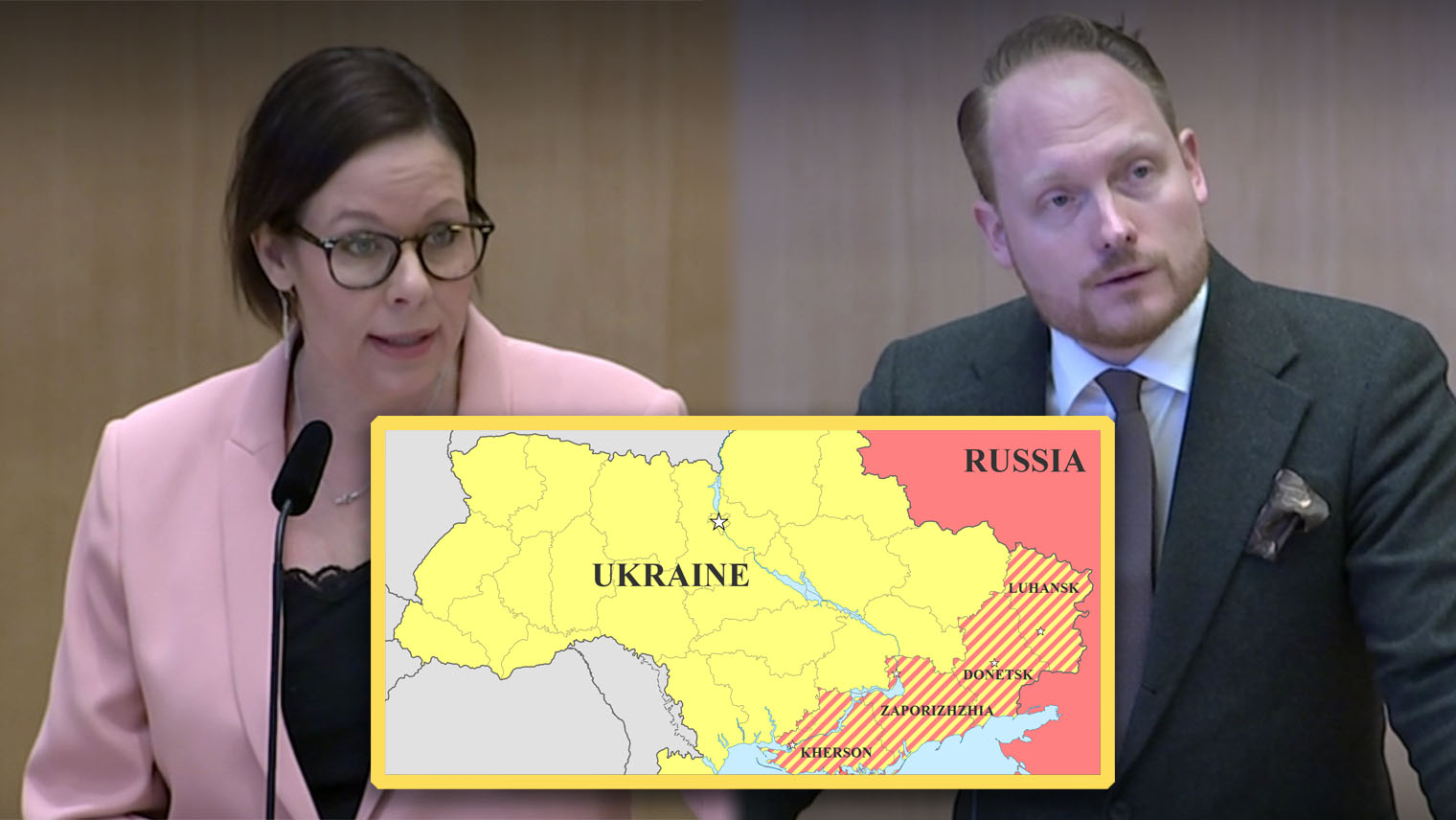
In the 2026 foreign policy declaration, the government presents a picture of a world in upheaval. Russia’s war against Ukraine, uncertainty in the transatlantic link, and increased geopolitical tensions shape the security situation. The government’s response is continued massive support for Ukraine, strengthened NATO commitment, a more action-oriented EU, and deepened international collaborations – to protect “Sweden’s peace, freedom, and security.”
Support for Ukraine is described as the government’s foremost foreign policy task. Since the Russian invasion, Sweden has contributed around SEK 114 billion in military and civilian support. In the declaration, it is stated that the outcome of the war will shape Europe’s security “for at least a generation ahead.”
Foreign Minister Maria Malmer Stenergard emphasizes that “support for Ukraine therefore remains the government’s foremost foreign policy task” and describes it as “a moral duty and an investment in Europe’s security, independence, and future.”
READ ALSO: Zelensky’s minister funneled over a billion to tax havens
The government maintains its two-point stance: more support for Ukraine and increased pressure on Russia. At the same time, ongoing negotiations together with European and American partners are supported. If an agreement is reached, Sweden is ready to contribute to a multinational reassurance force.
According to references to the Kiel Institute, Sweden is among the countries providing the most military support in relation to GDP. This year, aid to Ukraine will increase to at least SEK 10 billion – the largest country strategy in Swedish aid ever.
Long-term confrontation with Russia
The government speculates that Russia’s ambitions extend beyond Ukraine and that Europe must therefore prepare for a “long-term, far-reaching confrontation with Russia.” The security policy architecture and the rules-based world order are described as being challenged.
Against this background, NATO’s collective defense is highlighted as crucial. “Sweden’s NATO membership makes our country safer. We do not stand alone in a troubled time,” says the foreign minister, emphasizing the importance of maintaining credibility in Article 5.
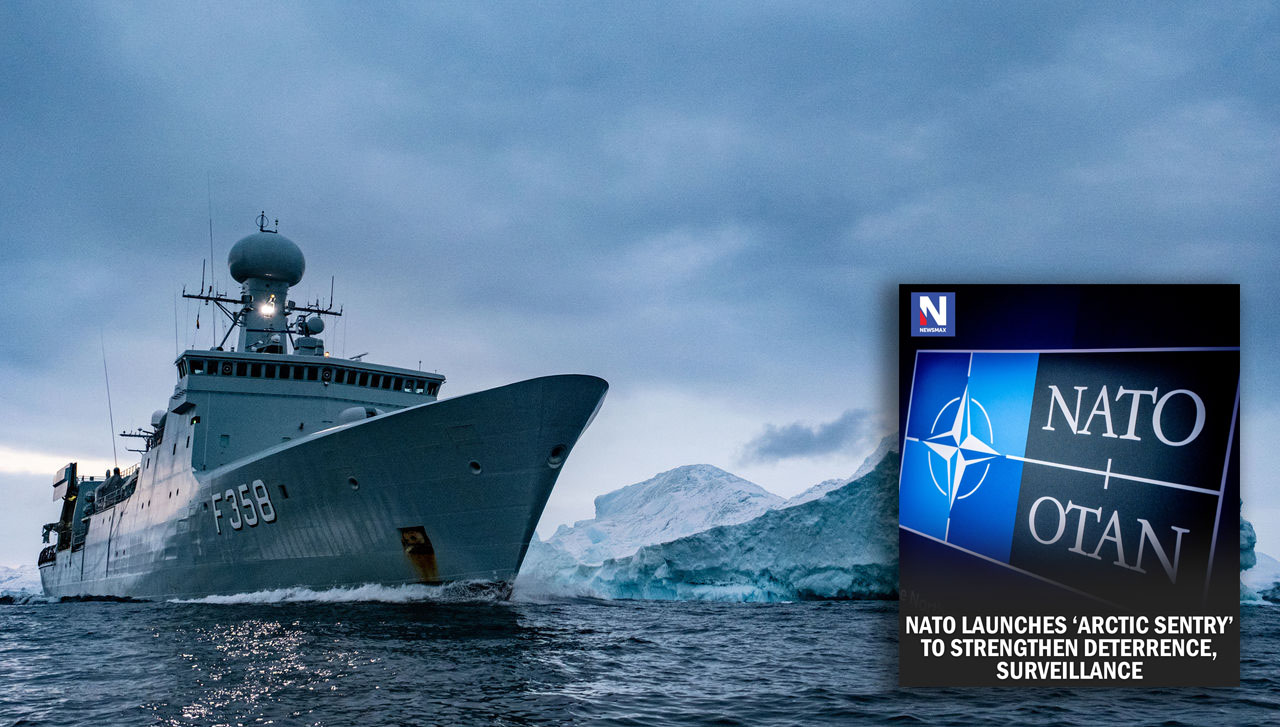
During its first year as an ally, Sweden has contributed militarily on land, at sea, and in the air – in the Baltic region, the North, and along NATO’s eastern flank. The Swedish presence in Latvia is highlighted, as well as the role as framework nation for NATO’s forward deployment in Finland. Sweden will also contribute fighter jets to the NATO operation Arctic Sentry and is hosting the military alliance’s foreign ministers’ meeting in Helsingborg.
At the same time, Sweden is pushing for tougher EU sanctions against Russia – targeting the shadow fleet, energy revenues, and for using frozen Russian assets to support Ukraine. Belarus is also subject to calls for expanded sanctions.
A more geopolitical EU and a stronger Europe
The EU is described as “Sweden’s most important foreign policy platform” and a community of values that has shown strength in times of crisis. The government wants to see a more geopolitical and action-oriented EU, where more foreign policy decisions can be made by qualified majority. This is in contrast to today’s consensus requirement.
Enlargement policy is highlighted as strategically important. Sweden is pushing for further steps towards EU membership for Ukraine and Moldova and supports reform processes in the Western Balkans. At the same time, developments in Georgia are lamented.
As the transatlantic relationship enters a new phase – where the US, according to the foreign minister, increasingly acts in a manner that is “damaging to trust” and contrary to European values – the need for a stronger Europe is stressed. Sweden is deepening cooperation in the Nordic and Nordic-Baltic regions and strengthening partnerships with countries such as Germany, the United Kingdom, France, and Canada.
Trade and security are clearly linked. The free trade agreements between the EU and India, as well as between the EU and Mercosur (Argentina, Brazil, Paraguay, and Uruguay) are described as strategic successes. “Only a growing economy makes it possible to strengthen defense and be prepared in tougher times. A strong Swedish economy builds security in an uncertain time,” it states.
Global unrest – the Middle East, Iran, and Asia
The declaration also addresses developments in the Middle East. Sweden supports a two-state solution between Israel and the Palestinian territories, works for the protection of civilians in Gaza, and pushes for EU sanctions against what it calls extremist Jewish settlers. Hamas must be disarmed and cannot have a role in Gaza’s future governance.
Iran is singled out as a continued destabilizing actor. The government condemns violence against protesters and welcomes the EU’s terrorist listing of the ruling Revolutionary Guard. In Syria, there is seen the opportunity for a new political order after the fall of the Assad regime, but with clear demands for inclusion and respect for minorities’ rights.
In Asia, cooperation is strengthened with countries like Japan, South Korea, Australia, and India. China is described as both an economic superpower and an authoritarian actor with growing geopolitical ambitions. Threats against Taiwan are marked as unacceptable, and China’s support for Russia is said to negatively affect Europe’s security.
International law and world order
International law and the UN Charter are highlighted as cornerstones of Swedish foreign policy. Sweden supports the independence of international courts and welcomes a special tribunal to adjudicate Russia’s crime of aggression against Ukraine.
“A world where might trumps international law and where great powers do as they please is not the world order we want to see,” emphasizes the foreign minister.
SD opens up to nuclear weapons in Sweden
In the subsequent security policy debate, Sweden Democrats’ foreign policy spokesperson Aron Emilsson argued that the deteriorating security situation requires reinforced nuclear deterrence within NATO.
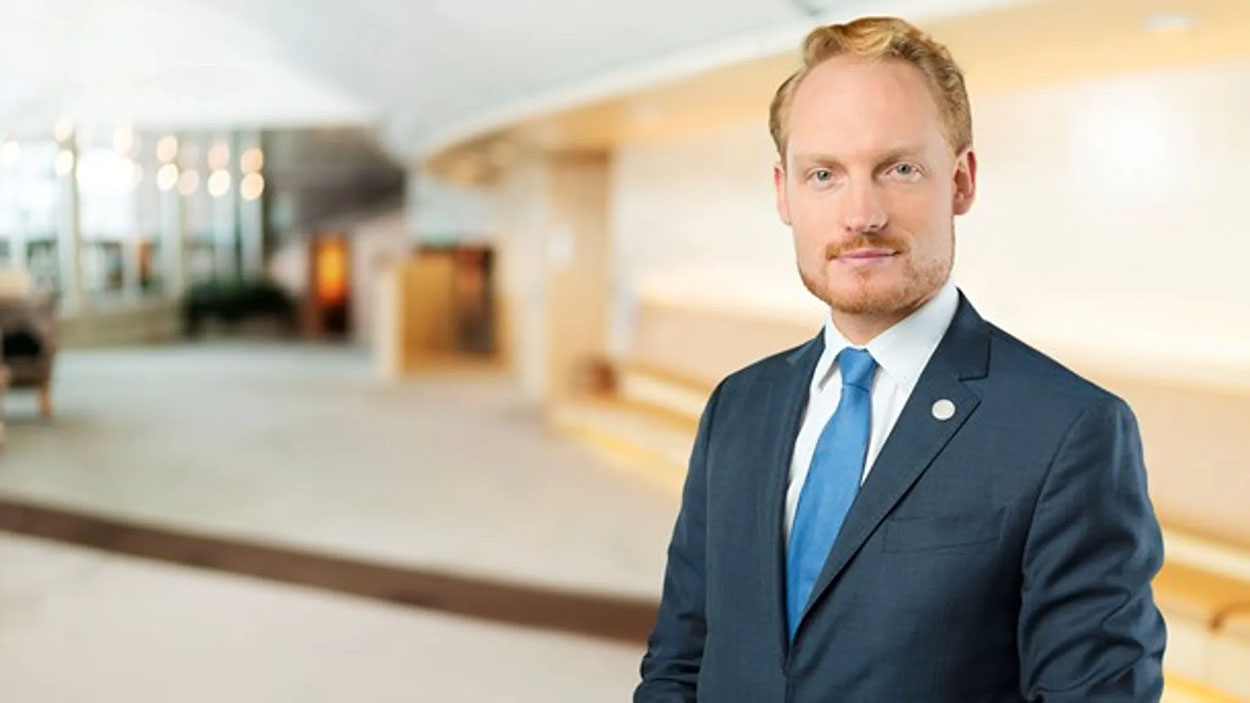
He argued that Sweden should not “exclude nuclear weapons on Swedish territory if it should become necessary” and criticized the Social Democrats for wanting to limit Sweden’s room for maneuver within NATO through such restrictions.
READ ALSO: SD leader concerned about the ‘rules-based world order’ after Trump’s victory
Emilsson’s intervention clarified a dividing line in Swedish security policy debate: between those who want to maintain restrictive wording regarding nuclear weapons – their own or other NATO countries’ – on Swedish soil, and those who believe that credible deterrence requires maximum flexibility in a deteriorated international situation.
Watch the entire foreign policy parliamentary debate below.