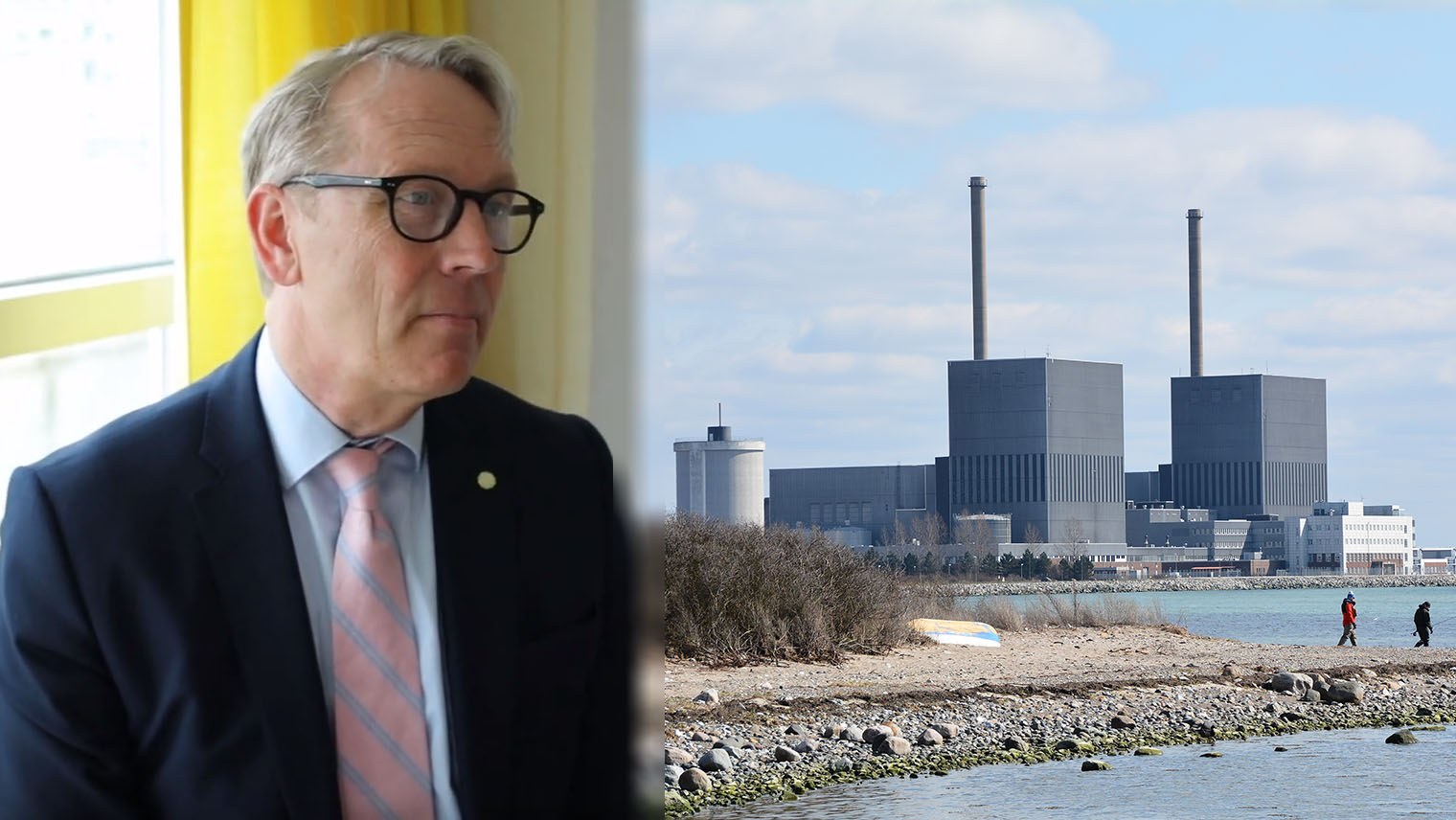
Denmark is requesting more stable electricity from Sweden at a time when the need for new dispatchable production in southern Sweden is growing. Per Tryding, Deputy CEO of the South Sweden Chamber of Commerce, argues that the countries should agree on a joint solution—and that Denmark should reasonably help finance new nuclear power at Barsebäck.
As discussions about the future of power supply gain momentum on both sides of the Öresund, Per Tryding, Deputy CEO of the South Sweden Chamber of Commerce, raises the issue of deeper Swedish-Danish cooperation. The backdrop is clear: Denmark wants to improve its ability to import stable, dispatchable electricity from Sweden through new transmission cables, while southern Sweden suffers from a power deficit.
A Historically Charged Location
The Barsebäck nuclear power plant is strategically located directly across from Copenhagen, on the Swedish side of the Öresund. The facility was built with regard to both grid structure and large electricity consumers in the region. According to Tryding, the Swedish electricity system was originally intended to function with the reactors at Barsebäck.
SEE ALSO: Restarting Barsebäck Could Be the Key to the Power Supply in Southern Sweden
During the 1970s and 80s, however, opposition grew, particularly in Denmark. Left-wing demonstrators crossed the strait chanting slogans such as: “What should go? Barsebäck! What should come in? Sun and wind!”
The issue eventually became politically explosive in both countries. The decision to shut down the reactors was made by then-Prime Minister Göran Persson (S), thus removing a crucial part of southern Sweden’s electricity production.
A Pressure Point for the Entire Power System
Per Tryding emphasizes that Barsebäck didn’t just generate electricity—the facility also acted as a so-called pressure point in the power grid. This meant it helped stabilize the system and enabled greater transmission of electricity from northern to southern Sweden.
– There are very good reasons for this. Barsebäck is carefully sited with regard to the grid and customers. In addition to providing further dispatchable electricity, these plants also act as pressure points, allowing more power to be transferred from north to south. The Swedish electricity system was intended to work with nuclear power in Barsebäck, he told Tidningen Näringslivet.
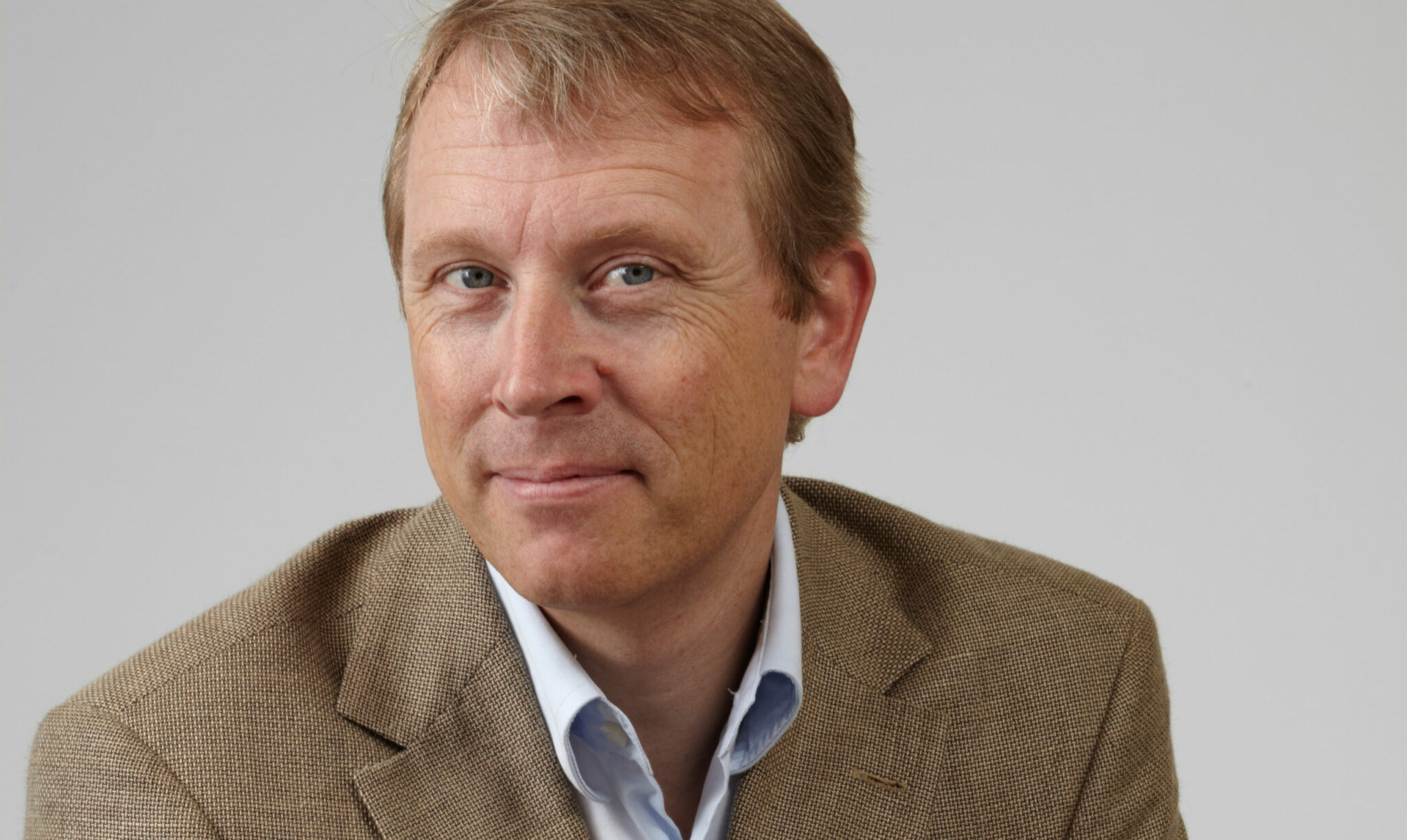
Technically, however, it doesn’t have to be nuclear power specifically, he notes. Other solutions providing equivalent system benefits could work—and, in some cases, be built faster.
A gas turbine, for example in combination with wind power, can deliver dispatchable output in a shorter period. Tryding highlights the lead times as a challenge. More capacity is needed now, and wind power combined with a gas turbine could be implemented more quickly, he argues. However, Tryding underlines that there will still be a need to build new nuclear power.
At the same time, there are limitations. Natural gas is fossil-based and risks both higher costs and increased exposure to uncertain deliveries. Therefore, Tryding believes nuclear power is the better alternative if the goal is to reduce exposure to fossil fuels.
Denmark Has Benefited from Swedish Stability
Denmark’s power system has historically benefited from stable power flows from both Sweden and Germany.
– Historically, Denmark has gotten a bit of a free ride since large, strong power flows from Sweden in the north and Germany in the south have stabilized the network. Now Germany has closed its nuclear power plants and Sweden has closed Barsebäck, so it would naturally be good for Denmark if that stability could return, Tryding told TN.
SEE ALSO: Expert: Closing Nuclear Power Has Cost Hundreds of Billions
After Germany phased out its nuclear power and Barsebäck was closed, these stabilizing effects have diminished. At the same time, public opinion in Denmark has shifted. The previously strong skepticism toward nuclear power has been replaced by a more pragmatic attitude, and the Danish Ministry of Climate has decided to review the nuclear power ban imposed in 1985.
Joint Investment – A Faster Path Forward
According to Tryding, the fastest way to secure new nuclear power would be to build it on Swedish soil, rather than Denmark starting its own program from scratch. The latter would take a long time, and Denmark also does not have equally suitable geographic locations for nuclear power plants ready to go.
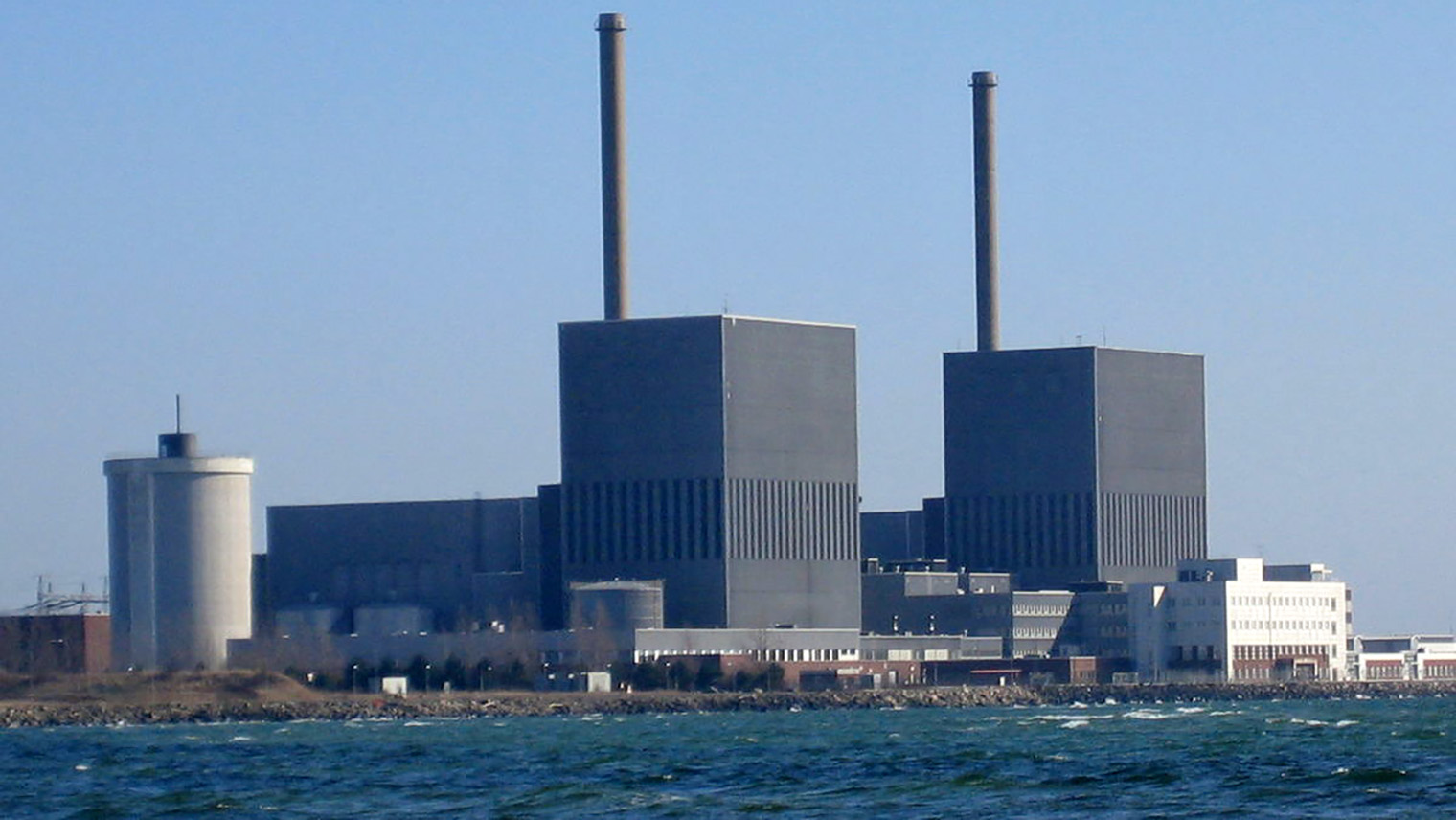
The site at Barsebäck, Tryding suggests, has several advantages: existing infrastructure, grid connection, and in-depth expertise in the area. Today, the site is owned by the German energy company Uniper, which, after the energy crisis and the war in Ukraine, was acquired by the German state. According to EU regulations, the state is required to reduce its ownership before 2028.
Reasonable for Denmark to Pay
Tryding’s main point is that a joint project would be logical—and that Denmark should contribute financially.
Denmark was a driving force in the public opinion that led to the premature shutdown of the reactors, which caused significant economic losses. At the same time, a new export cable, Konti-Skan Connect, is planned between the countries, sparking debate over the effects on Swedish electricity prices.
– Southern Sweden has the EU’s worst power balance. One of the problems with this is that we are a poor entry point for an international connection. Therefore, a broader connection should be linked to more capacity in southern Sweden and agreements on cooperation in shortage situations, Per Tryding tells TN.
The conclusion is clear: If Denmark wants to secure access to stable power from Sweden and at the same time strengthen its own power system, the country should help share the investment. A new nuclear venture at Barsebäck would not only reduce political turmoil in Denmark—it would also strengthen electricity supply throughout southern Scandinavia.