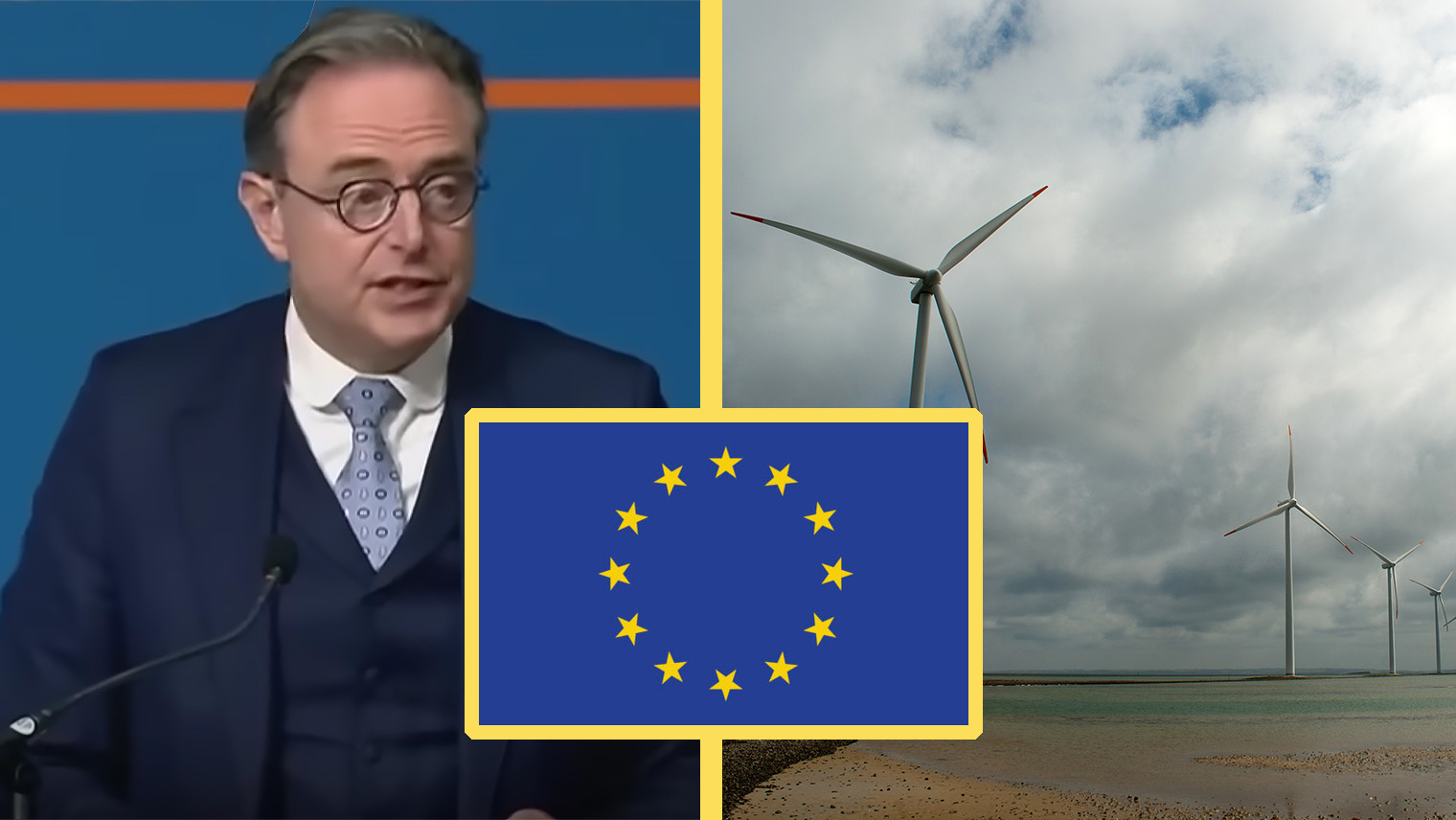
Belgium’s Prime Minister Bart De Wever is sounding the alarm about the future of Europe. At an industry summit in Antwerp, he warned that the EU is “on the brink of an existential crisis.” In another setting, he went even further and claimed that the green transition is driving deindustrialization and risks making Europe dependent on subsidies and foreign energy.
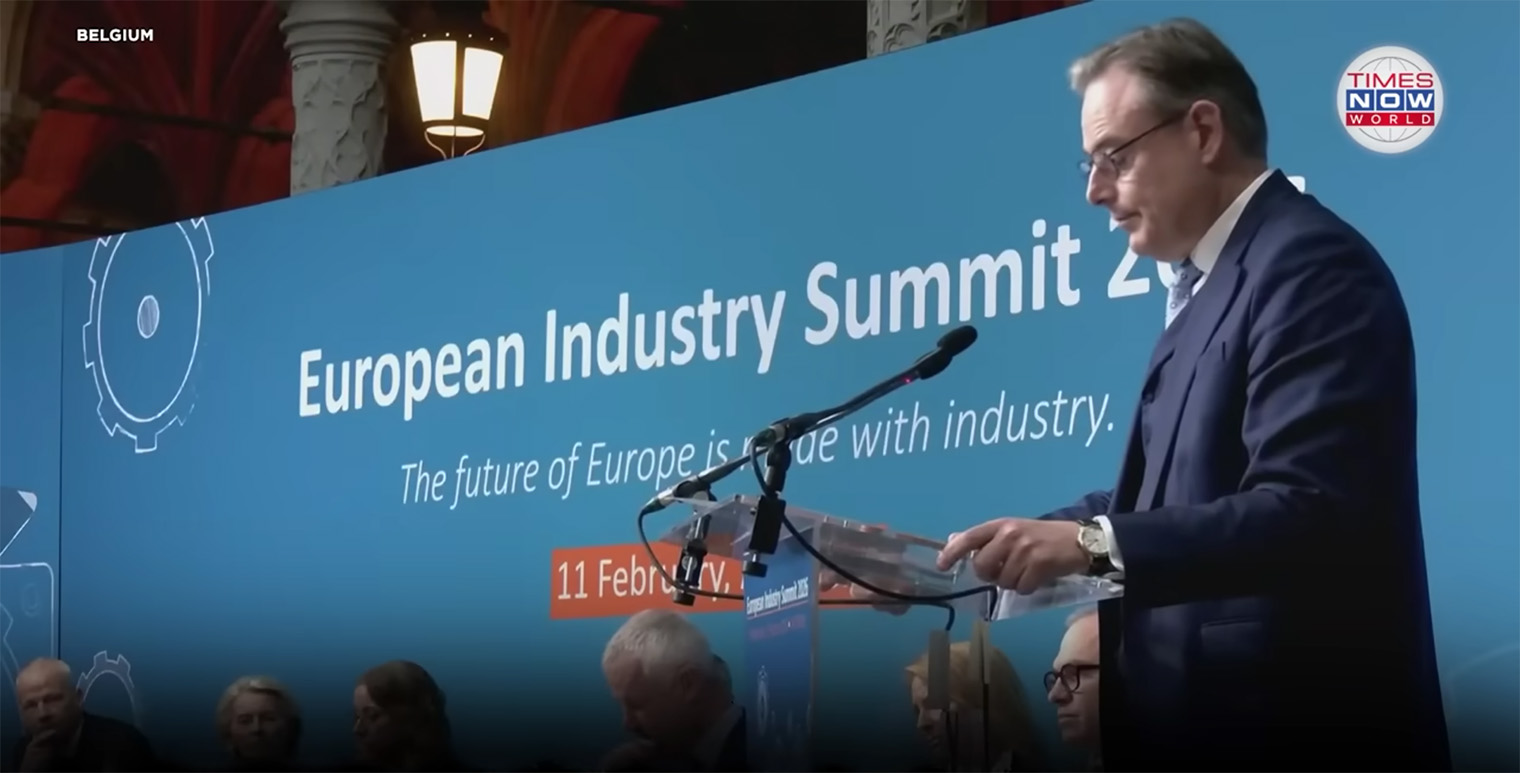
When Belgium’s Prime Minister Bart De Wever concluded the European Industry Summit in Antwerp, he painted a bleak picture of the state of European industry.
“We are standing on the brink of an existential crisis,” he said in his speech in the historic stock exchange building in his hometown.
The background, according to De Wever, is a combination of high energy prices, lack of competitiveness, an extensive regulatory burden, and Chinese dumping. After talks with business leaders, he described the situation as “simply dramatic” and admitted that the meetings had been “a cold shower.”
READ ALSO: The Next Green Bubble? Billions for Carbon Capture Face Harsh Criticism
EU Commission President Ursula von der Leyen was present. She has come to symbolize much of what critics see as wrong in the EU, but De Wever in his speech sought to downplay personal criticism of the Commission President, stating that, “Reality is unfortunately what it is.”
Before an informal EU summit in Limburg, De Wever highlighted what he called a clear trinity of priorities: innovation, productivity, and competitiveness. “If Europe wants to play a role in the world, our industry must first play a role for Europe,” he said.
He warned that Europe risks becoming an “industrial museum”—a place where past prosperity is admired while future growth is built elsewhere.
The Situation “Simply Dramatic”
In a longer speech, addressed to Ursula von der Leyen and several European heads of government, De Wever further developed his critique.
He referred to a follow-up report to the so-called Antwerp Declaration and noted that 83 percent of the key action points for strengthened competitiveness are either stalled or retreating. Within the chemical industry—which he called the “backbone of European industry”—closures have sharply increased and nearly ten percent of production capacity has been lost in four years.
In countries such as Belgium, Germany, the Netherlands, and France, the situation, according to the Belgian Prime Minister, is “simply dramatic.”
De Wever described the situation with a maritime metaphor: it feels “like standing on the ship’s deck and staring towards the horizon without being able to take hold of the helm.” He called his message “a call to mobilize” and called for lower energy costs, simplified regulations, and technological neutrality—including for nuclear power, carbon capture, and various types of hydrogen.
“Pragmatism is not a compromise. It is a prerequisite for resilience,” he said.
The Prime Minister was also clear that administrative simplifications are “cosmetic surgery” and not enough. What is needed is “shock therapy”—including a reduction in companies’ administrative burden by 35 percent during the current legislative term.
“Green Transition Drives Deindustrialization”
At a separate event on Europe’s future, De Wever sharply criticized the EU’s green energy policy. He argued that previous energy policy decisions have made everything more expensive and weakened the economy.
The green transition, according to him, has not become the success people hoped for. China is left with cheap energy, while Europe gets “the crazy bills.”
He described “competitiveness, productivity, and innovation” as “the three horses,” while sustainability and the green deal have become “the carriage”—referencing the saying that policy has put the cart before the horse.
Shutting Down Nuclear Power “The Folly of the Century”
Europe, he argued, has made itself dependent on Russian gas while also relying on “the guy with the big stick”—the USA—but now those same levers risk being used against Europe. He called the present situation “crucial.”
He was especially harsh regarding the decision to phase out nuclear power: “We have made dogmatic choices against nuclear power, which was the folly of the century.”
READ ALSO: Ekeroth: The Social Democrats and the Green Corruption
He also lamented that EU policy lacks “technological neutrality” and argued that strict definitions of what is “green” actually hamper rather than promote innovation.
Subsidies and Expensive Hydrogen
At the North Sea summit in Hamburg, large-scale investments in offshore energy were discussed. Publicly, the tone was optimistic, but according to De Wever, behind the scenes it was more cautious.
Offshore wind power is expensive and difficult to finance. When producers suggested that excess electricity be used to produce green hydrogen at sea, he responded: “It sounds brilliant, but also extremely expensive.”
When the industry asked politicians to create a market for green hydrogen, he retorted: “That’s when I started to feel like I was in the Soviet Union. If politicians have to create markets, it usually means endless subsidies.”
He warned that Europe cannot base its economy on permanent support: “You cannot be competitive in a subsidized economy.”
The high energy prices mean that energy-intensive industries are contemplating leaving Europe. Phasing out fossil fuels too quickly, he argued, is tantamount to phasing out European industry: “Europe’s decarbonization risks becoming synonymous with Europe’s deindustrialization.”
A Fight Over Europe’s Future
All in all, De Wever presents an image of a Europe facing a fateful choice. He is calling for a more pragmatic, industry-friendly policy where energy supply, technological openness, and competitiveness are given more weight than today.
The message from Antwerp and from his later appearances is clear: without a strong industry, Europe risks losing not only growth—but also influence, and ultimately its strategic independence.
Watch the full speech in Antwerp below.