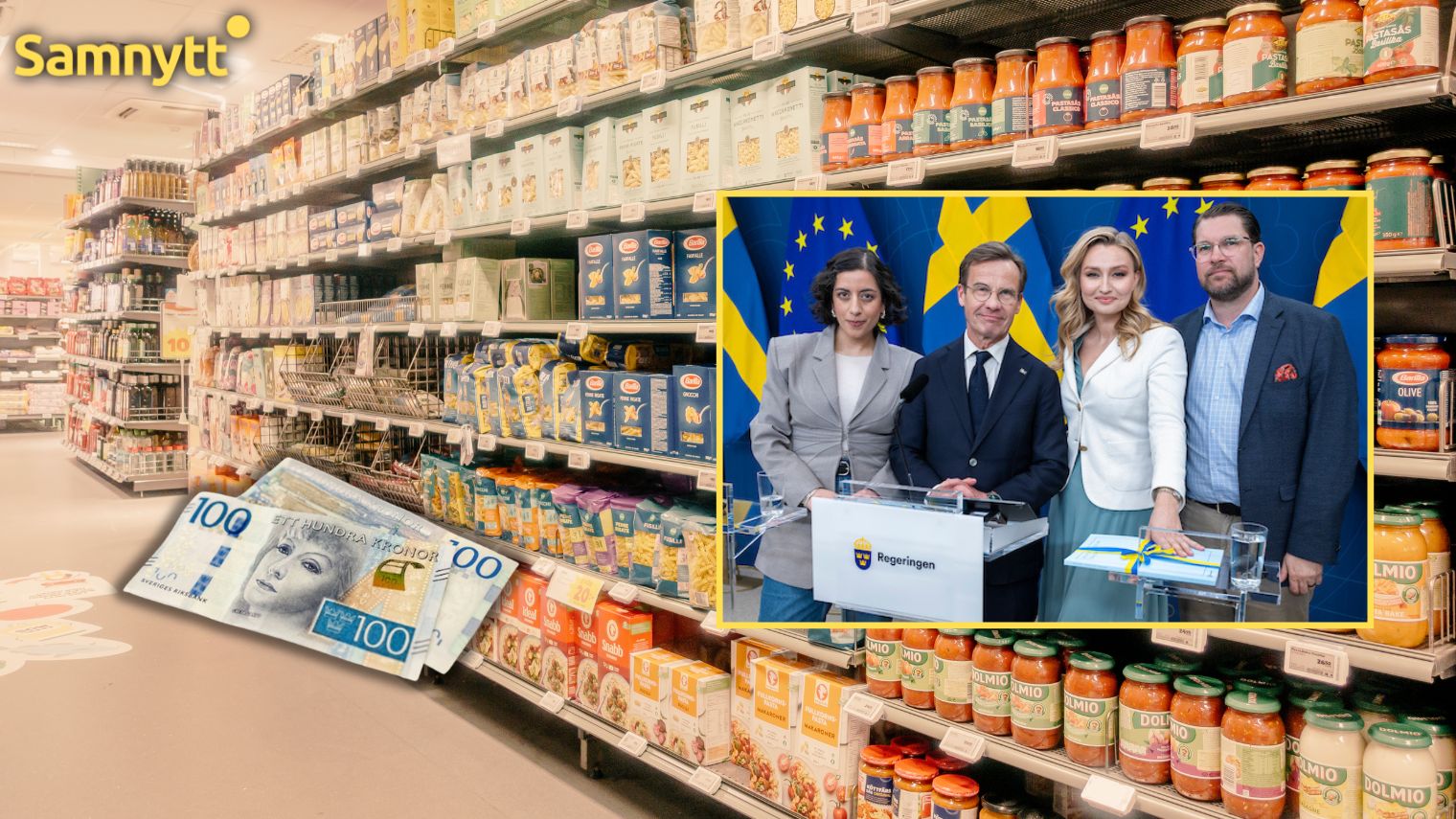
The government wants to introduce different VAT rates for different types of food and is launching a state inquiry tasked with developing a proposal. The aim is to make especially essential food items cheaper for households while ensuring the system is practically feasible and prevents tax evasion.
The background is the high food prices that have been putting pressure on Swedish households for several years. The government points out that low-income earners and families with children are particularly affected as a larger share of their income goes to food.
Since April 1st, the food VAT has been temporarily reduced from twelve to six percent, a measure that will be in effect until December 31, 2027. The government now wants to investigate whether a more permanent system with differentiated VAT can be introduced after that period.
READ ALSO: The proposal: Lower prices on healthy food and raise on unhealthy
According to the directives, the investigator is tasked with, among other things, defining different categories of food, proposing how different VAT rates could be structured, and analyzing the socioeconomic consequences the change would have. The inquiry is also to assess the risks of classification issues, increased administration for companies, and possibilities for tax evasion.
Judge Ann Linders has been appointed as the special investigator and is to submit her report by December 22, 2026 at the latest.
Strengthening Household Finances
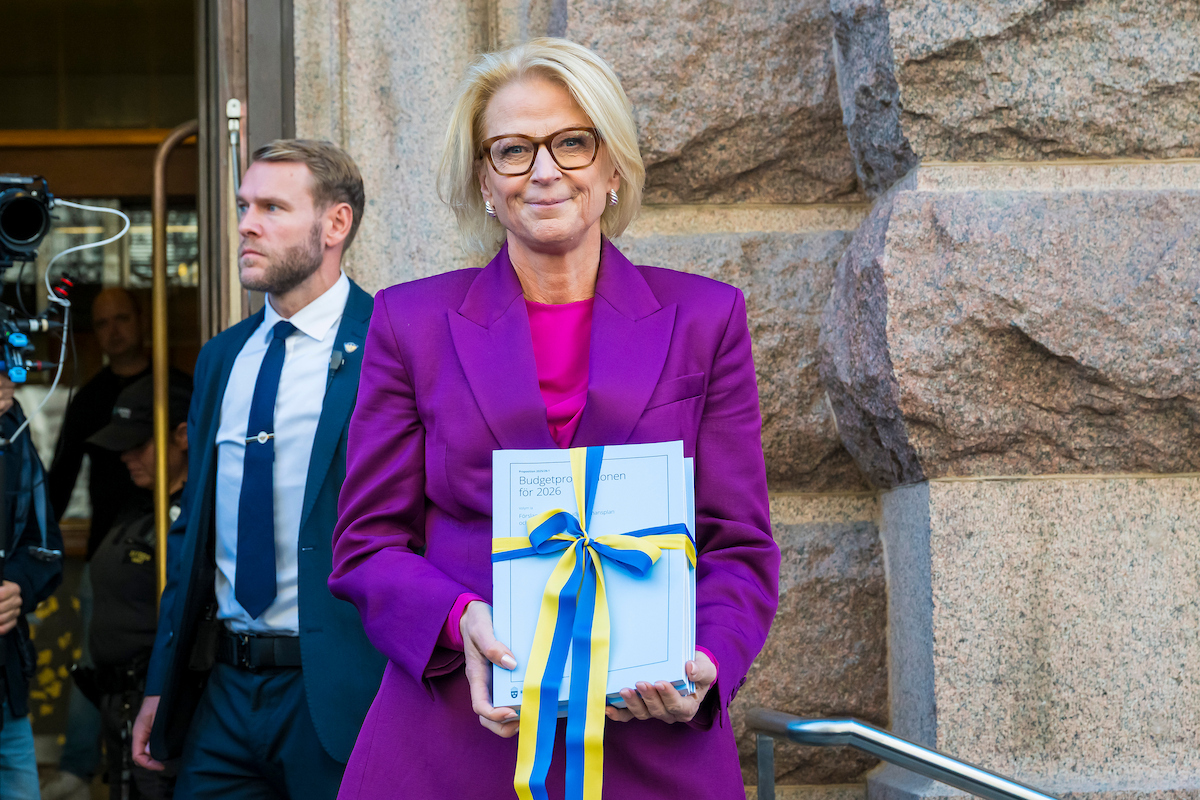
– We want to explore how VAT on food can be differentiated to keep down the costs of household purchases of especially essential foods that many hard-working Swedes buy every week, says Minister of Finance Elisabeth Svantesson (M).
The government also highlights that the initiative is part of efforts to strengthen household finances after several years of high inflation and sharply rising food prices.
– Ordinary Swedes should be able to afford the most essential food items. As a complement to the temporarily reduced food VAT, we now also want to review how food VAT can be differentiated to make it cheaper to buy certain foods and strengthen household finances, says Oscar Sjöstedt, economic policy spokesperson for the Sweden Democrats.
Facing Criticism
However, the proposal has already faced criticism from the food industry. The industry organization Livsmedelsföretagen argues that it will be difficult to determine which products should be classified as “essential” and warns that a system with multiple VAT rates risks creating arbitrary classifications.
The organization also emphasizes that different households have different needs and questions whether the state should determine which food items are most important.
If the inquiry leads to legislation, Sweden could have a much more detailed VAT system for food where certain products are taxed lower than others. The government has yet to present which items would be covered by a lower VAT rate.
Used in several European countries
Several European countries already have differentiated VAT systems for food. In France and Spain, for example, basic food items like bread, milk, fruits, and vegetables are taxed at a very low rate or not at all, while more processed products and sweets often have a higher tax rate.
The UK also has a system where most basic food items are VAT exempt, while candy, soda, and other confectionery items are subject to regular VAT.
The aim is to keep prices for daily food low, while less healthy products do not receive the same tax advantages.
READ ALSO: High prices changed Swedes’ food habits