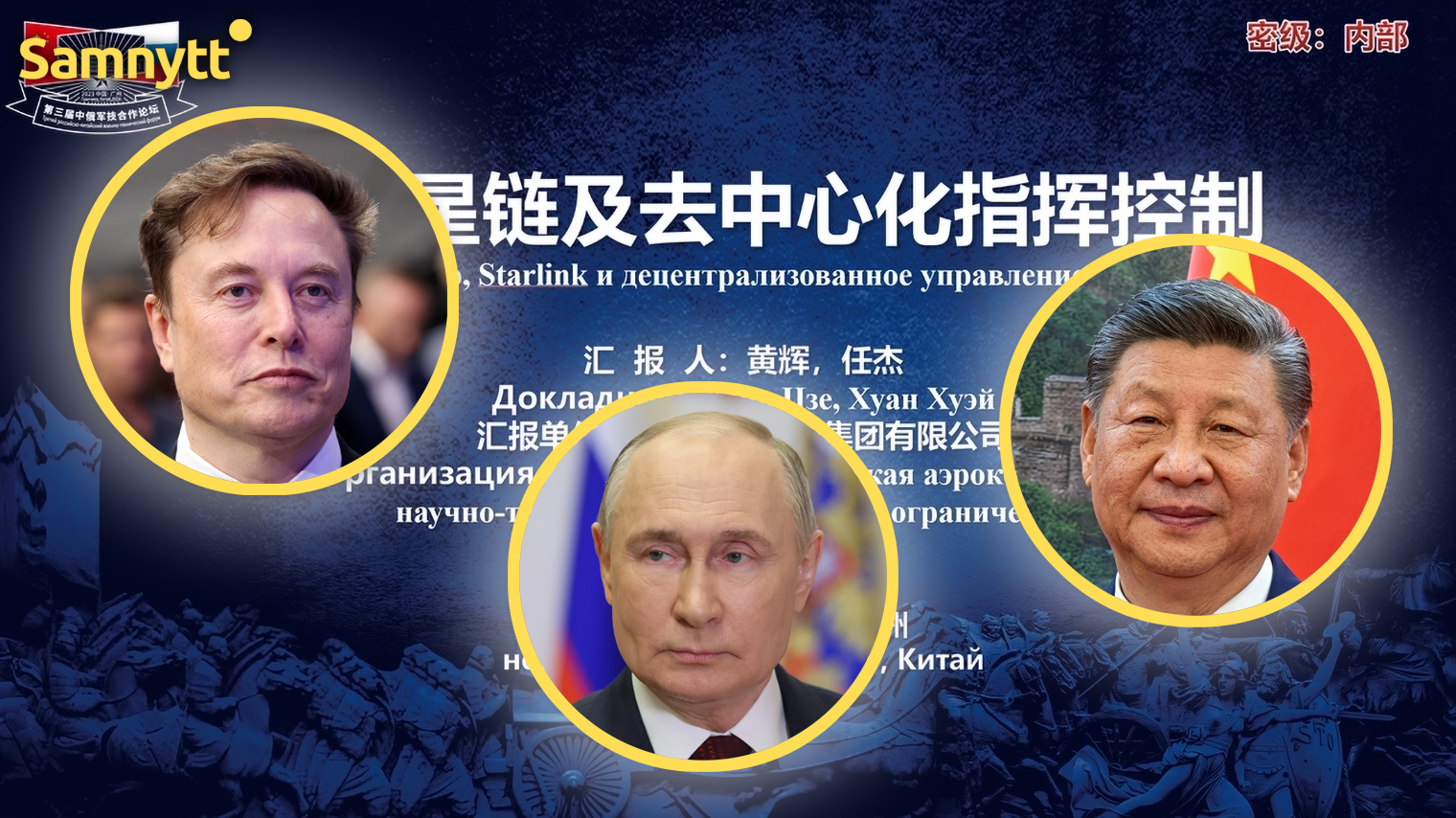
Leaked documents from secret Russian-Chinese defense forums point to a significantly deeper military cooperation between Moscow and Beijing than either country publicly admits. The documents describe joint projects in air defense, drone technology, space warfare, and military aviation – as well as plans to counter and ultimately disable Elon Musk’s satellite network Starlink, which has become a central part of Ukraine’s defense capabilities.
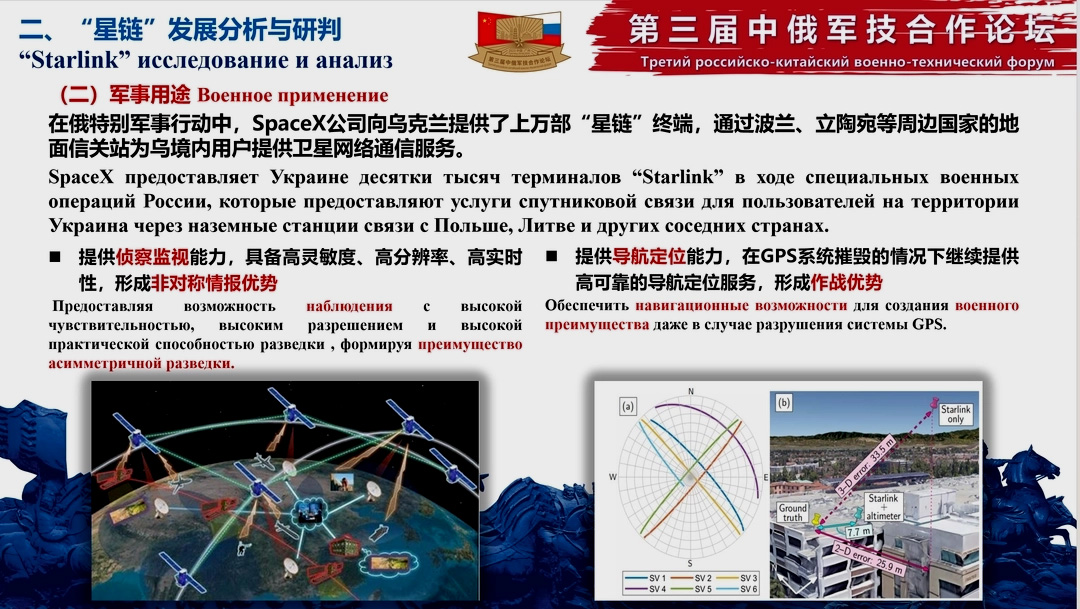
As the war in Ukraine progressed, Starlink became a crucial communications platform for Ukrainian forces, used for everything from medical evacuations and artillery coordination to real-time drone operations.
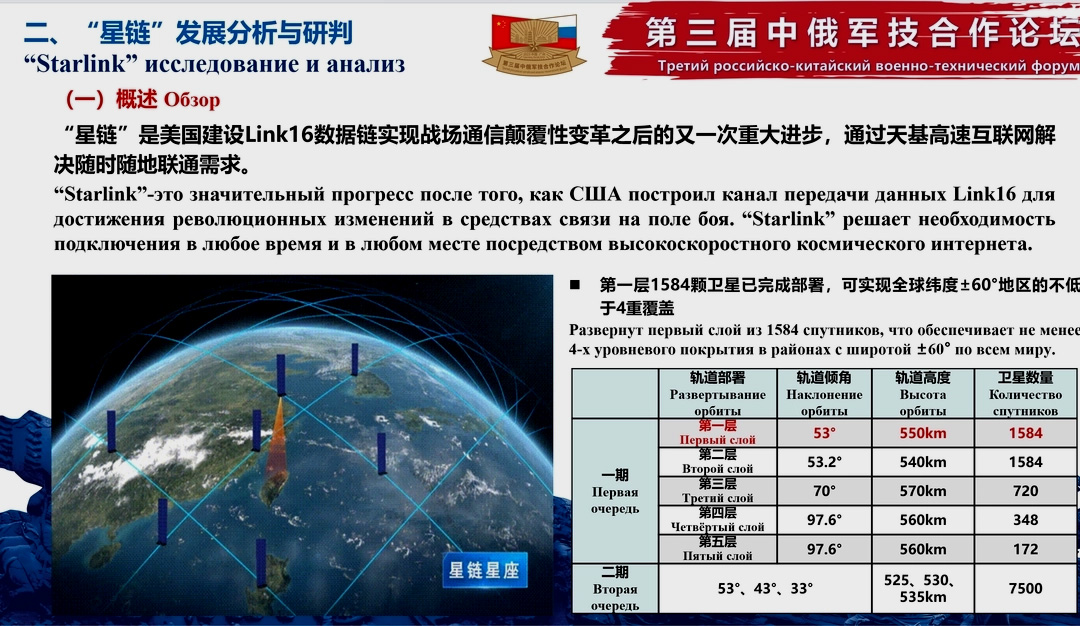
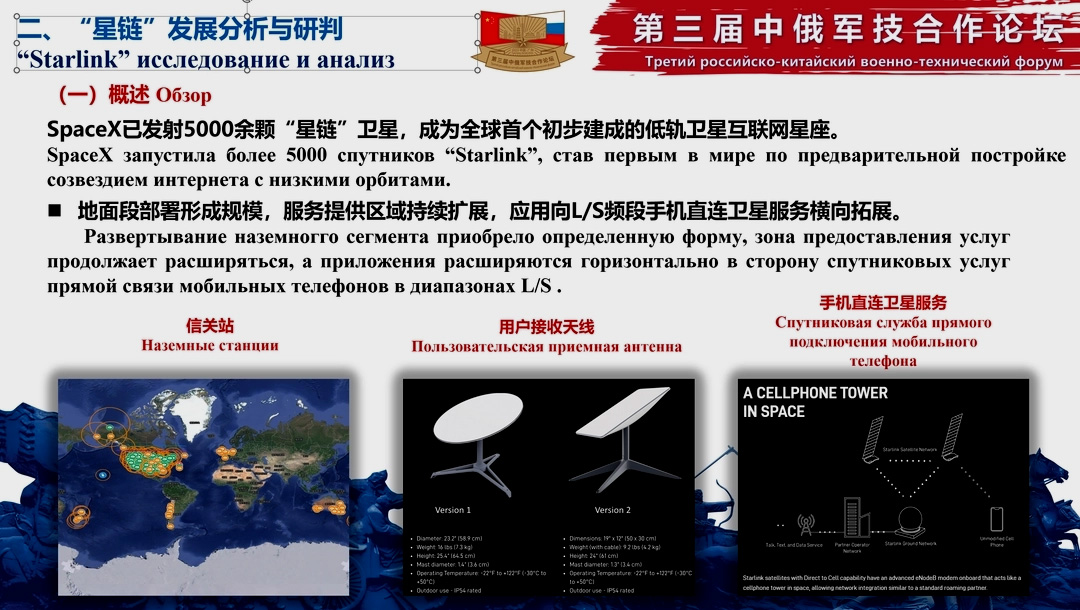
According to documents from a closed military-technical forum in Guangzhou, China, in the autumn of 2023, Chinese and Russian experts regard the network as a serious strategic problem. Starlink’s strength lies in its decentralized structure: there is no single point that can be knocked out to cripple the entire system.
The documents therefore outline a step-by-step strategy to limit or eliminate Starlink’s capabilities, as reported by The Insider.
Three Approaches to Combat the Network
The first part concerns diplomatic and legal measures. Russia and China are proposed to work towards international restrictions on Starlink’s continued expansion, citing congestion and security risks in orbit.
The next step is to complicate future expansion by competing for frequencies and orbital positions, as well as developing joint systems for electronic jamming of satellite communications.
The third and most far-reaching level includes cyberattacks and physical targeting of satellites. The documents discuss, among other things, sabotage of the network’s software and various methods to disable satellites in orbit using cost-effective countermeasures.
Joint Development of Advanced Air Defense
The leaked documents also show that Chinese and Russian representatives secretly negotiated in 2023 about a new integrated air and missile defense system.
The goal is to be able to counter ballistic missiles and hypersonic weapons in the final phase of their trajectory. According to plans, the system will provide significantly higher performance than several systems currently in Russian service.
The project includes research, prototype development, and joint technical standards. The documents show that the cooperation continued after the initial meetings and that regular forums have been held under strict secrecy.
Russian War Experience Meets Chinese Technology
A central part of the cooperation is based on an exchange where Russia contributes experience gained from the war in Ukraine, while China provides technology, electronics, and manufacturing capacity.
Particular interest is directed at autonomous drones and swarm systems. Chinese researchers point out that the country possesses extensive technical expertise but has limited experience in actual combat environments. The war in Ukraine thus provides an opportunity to evaluate Chinese components and solutions under real battle conditions.
Similar reasoning is found regarding future combat vehicles, where analyses of Russian losses in Ukraine are used as a basis for developing new vehicles with AI-based protection, unmanned turrets, and integrated drone systems.
China an Increasingly Important Partner
The documents paint a picture of a Russia that has become increasingly dependent on Chinese technology and supply chains. Sanctions have hampered Russian access to electronics, semiconductors, and advanced industrial production, increasing the importance of Chinese support.
At the same time, China gains access to something it largely lacks – extensive experience from modern, high-intensity warfare. Thus, the cooperation is mutually beneficial despite the political and economic risks involved.
Neutrality Policy Challenged
The leaked documents stand in contrast to China’s official line of neutrality in the war between Russia and Ukraine. Several experts believe the material instead demonstrates extensive and structured military collaboration that goes far beyond diplomatic support.
According to the information, the cooperation involves not only technology and weapons systems but also training, joint exercises, and exchange of experience between the defense sectors of both countries.
Growing Concern in the West
The revelations have raised concerns in both Europe and the United States. Observers argue that the combination of Chinese industrial capacity and Russian wartime experience could greatly influence the future military balance of power.
If these claims are accurate, this is no longer about a limited partnership, but about a long-term collaboration where two great powers jointly develop strategic systems – from satellite warfare and air defense to the next generation of autonomous weapons systems.