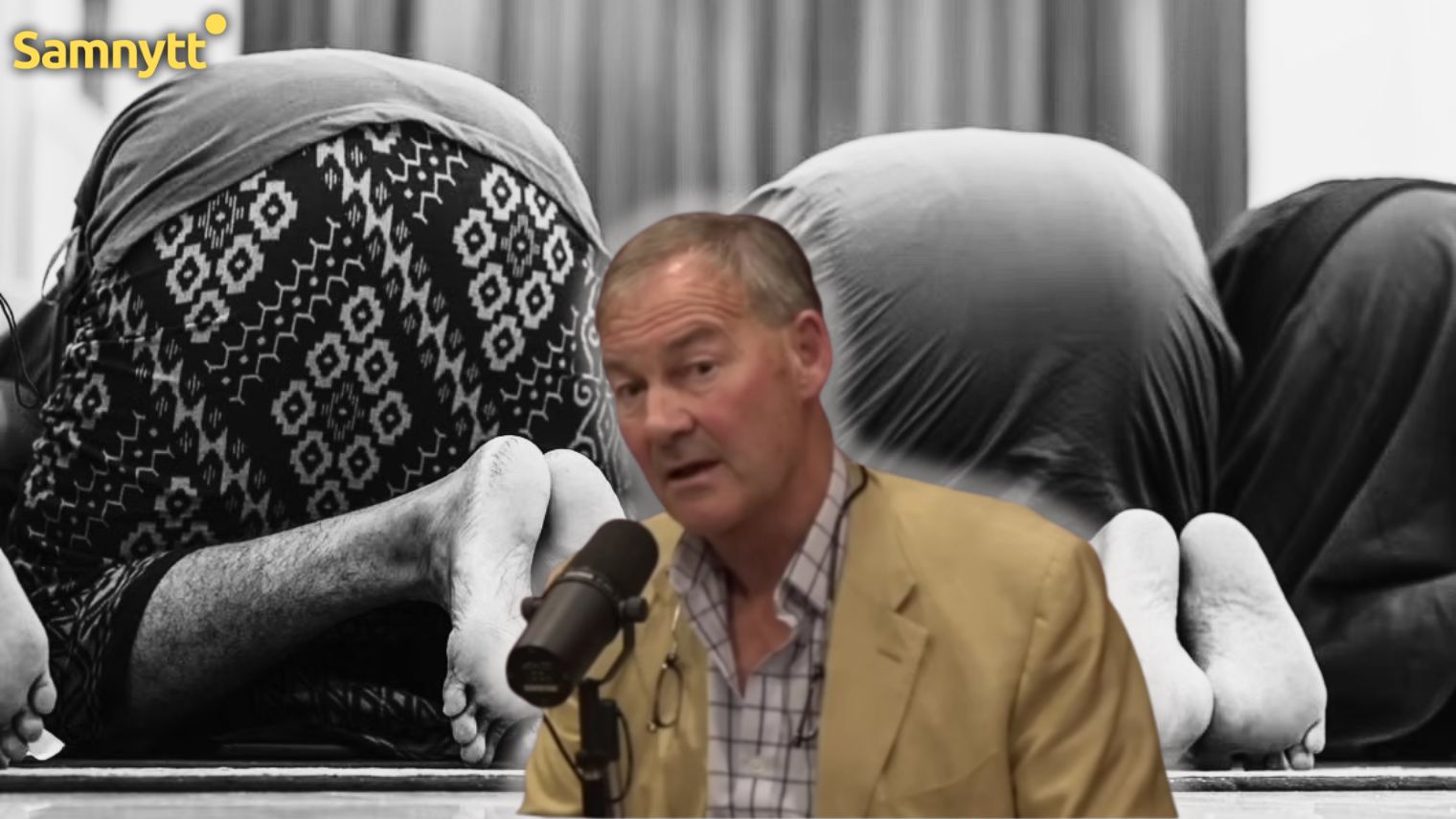
British Member of Parliament and Restore Britain leader Rupert Lowe appeared this week on the popular podcast The Joe Rogan Experience, where a large part of the conversation revolved around the report on the so-called grooming or rape gangs that Lowe and his party presented earlier this year.
During the interview, host Joe Rogan brought up the title of the report and asked how it was possible that organized rape gangs were still being discussed in Britain in 2026, and whether the scandal had been deliberately downplayed by the media and politicians. Lowe replied that the scope had long been concealed and that authorities, for many years, were reluctant to act fully.
The report estimates that as many as 250,000 women and girls may have been subjected to abuse in the kind of organized grooming networks that have been highlighted in, among other places, Rotherham, Rochdale, Telford, and other British cities.
READ ALSO: Revealing report on the rape gang scandal
A central part of the discussion focused on immigration and integration policy. Lowe noted that a significant proportion of the high-profile grooming gangs consisted of men with backgrounds in Pakistan or other predominantly Muslim countries, and argued that the British political elite, for a long time, avoided raising the issue out of fear of being accused of racism or of harming relations with certain voter groups.
He also linked the development to Britain’s extensive immigration and the country’s multicultural integration model.
Public Inquiry
During the conversation, Rogan expressed surprise at the report’s content and asked several questions about why the issue had not attracted more international attention. The podcast host described the scope as difficult to grasp and repeatedly returned to how, according to the report, the abuses could have continued for so long.
The issue of grooming gangs has repeatedly dominated the British political debate over the past year. Following several high-profile court cases and demands from, among others, the opposition, the government has decided to proceed with a national public inquiry into the organized sexual exploitation of children, while several independent and party-political reports – including Restore Britain’s – have continued to put pressure on the establishment.
Mass immigration to Britain
Britain’s immigration patterns fundamentally changed after World War II. During the 1950s and 1960s, labor was recruited from then-colonies and Commonwealth countries to address the severe workforce shortage in the British economy. Immigration came initially mainly from the Caribbean – the so-called Windrush generation – but later large groups from India, Pakistan, and Bangladesh followed.
In the subsequent decades, immigration increased further through family reunification, refugee reception, and later also the free movement within the EU after the union’s eastern enlargement in 2004.
Since the 2000s, immigration has reached historically high levels. Even after Brexit, net immigration has remained at record levels, partly due to new visa programs for labor, students, and humanitarian admissions from, among other places, Hong Kong, Ukraine, and Afghanistan.
At the same time, the demographic development has transformed many British cities, where residents with foreign backgrounds today make up a significant part of the population. The rapid population growth has also led to an intense political debate about housing shortages, pressure on public services, integration, and crime prevention.
In parallel, Britain has, for several years, faced major problems with illegal migration across the English Channel. Thousands of migrants travel each year from France in small inflatable boats to seek asylum in Britain, often with the help of international human smuggling networks.
The number of arrivals increased sharply from the end of the 2010s and has become one of the country’s most hotly debated political issues. Critics argue that border control has failed and that the system encourages illegal journeys, while advocates for a more generous asylum policy emphasize that many who cross the Channel are fleeing war or persecution and have the right to have their protection needs assessed.
The Interview:
READ ALSO: Demands for prison for those who covered up the rape gangs