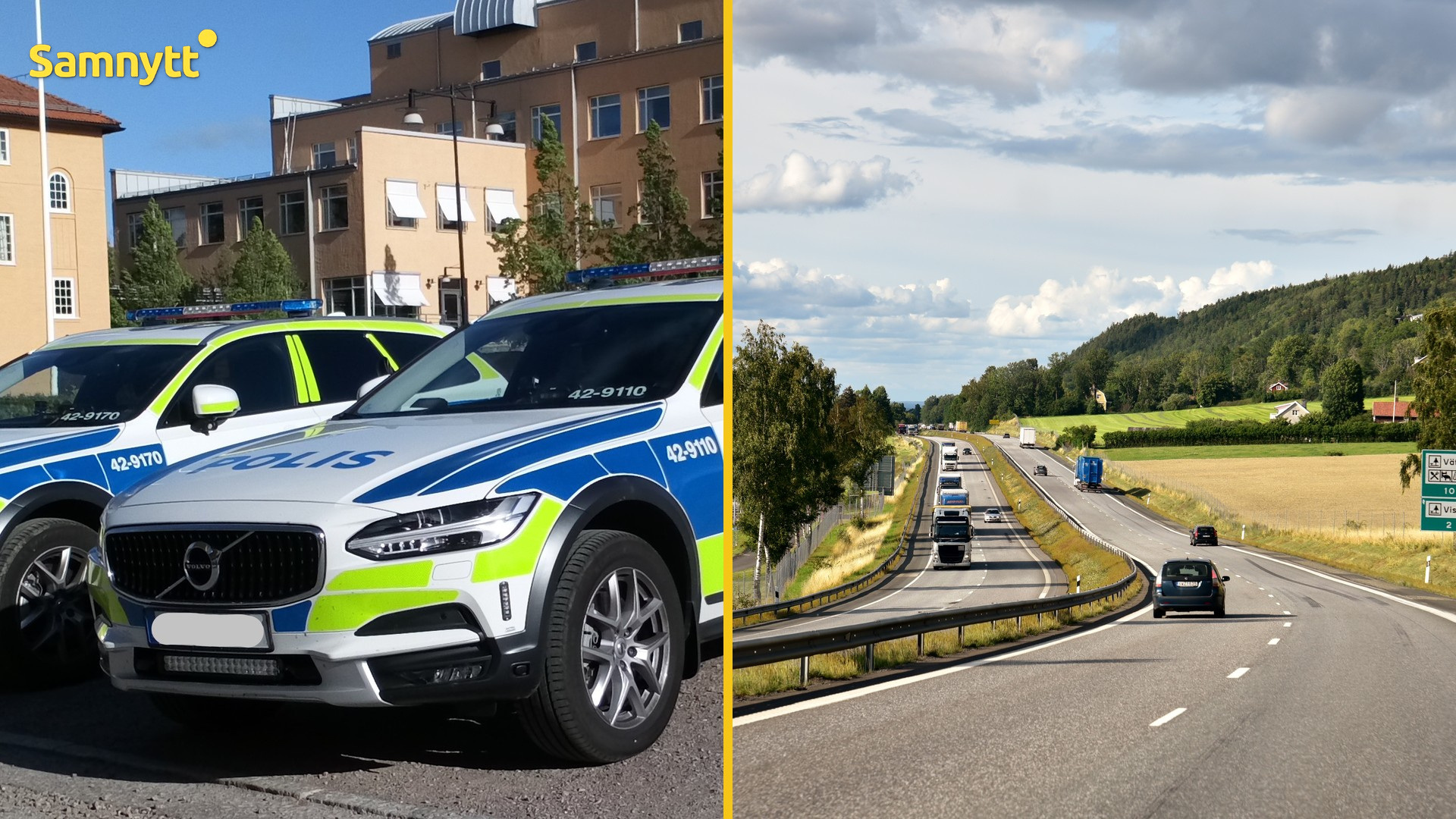
The vehicle-mounted radar is installed in the front of the police car and continuously measures speed, distance, and direction of travel of other vehicles. Unlike traditional laser guns, where the patrol usually stands still and targets a specific vehicle, the radar can be used both while the police car is moving and when it is stationary. Luleå has been one of the first locations where the system was tested in the field.
Starting in 2026, the police have begun rolling out radar speed measurement devices in patrol cars, including in Region North. According to the Swedish Police Authority, the system performs 18 measurements per second and can track vehicles moving within the radar’s detection area. The information is displayed on a screen in the car, allowing officers to choose themselves which drivers to stop and report.
So it’s the number of speed measurements per second that matters here—not that 18 cars are registered every second, as a misleading SVT headline might have implied.
Compared to laser-based speed measurement, which often requires the patrol to be stationary and aim the device at a vehicle, the new radar can function while the police car is moving.
It measures vehicles both ahead and in oncoming lanes. Glenn Franklin, police inspector at the traffic section in Region North, told SVT that they have caught a few hundred speeders with the new tool. He does not want to specify exactly how many cars are equipped with the system.
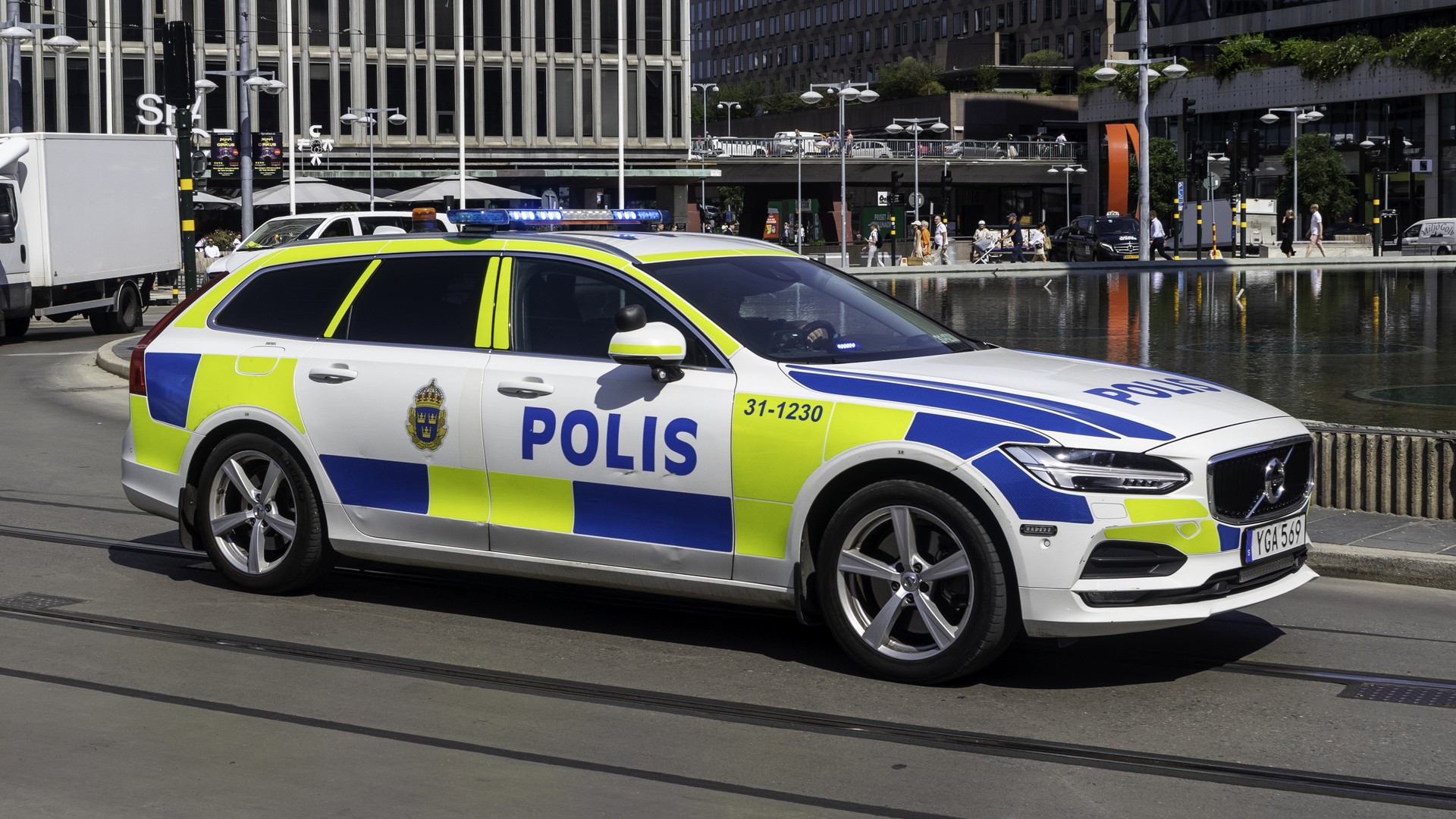
Fines are not sent out automatically. Anyone measured by the radar must be stopped on the spot and identified, just like in previous speed checks. When a violation is reported, the recorded speed, date and time, and the police vehicle’s registration number are among the details noted.
According to the police, the radar serves as evidence in cases of speeding, and an independent verification institute ensures that the measurements are accurate. The system also performs self-tests when starting up and during operation.
Luleå, together with Stockholm and Uppsala among others, has been one of the first locations where the radar has been activated in test vehicles. The hardware is already present in many new police cars.
Traffic officers have told the motor press that a broader rollout is planned for the second half of 2026, as part of efforts towards the vision of zero fatalities and serious injuries in traffic.