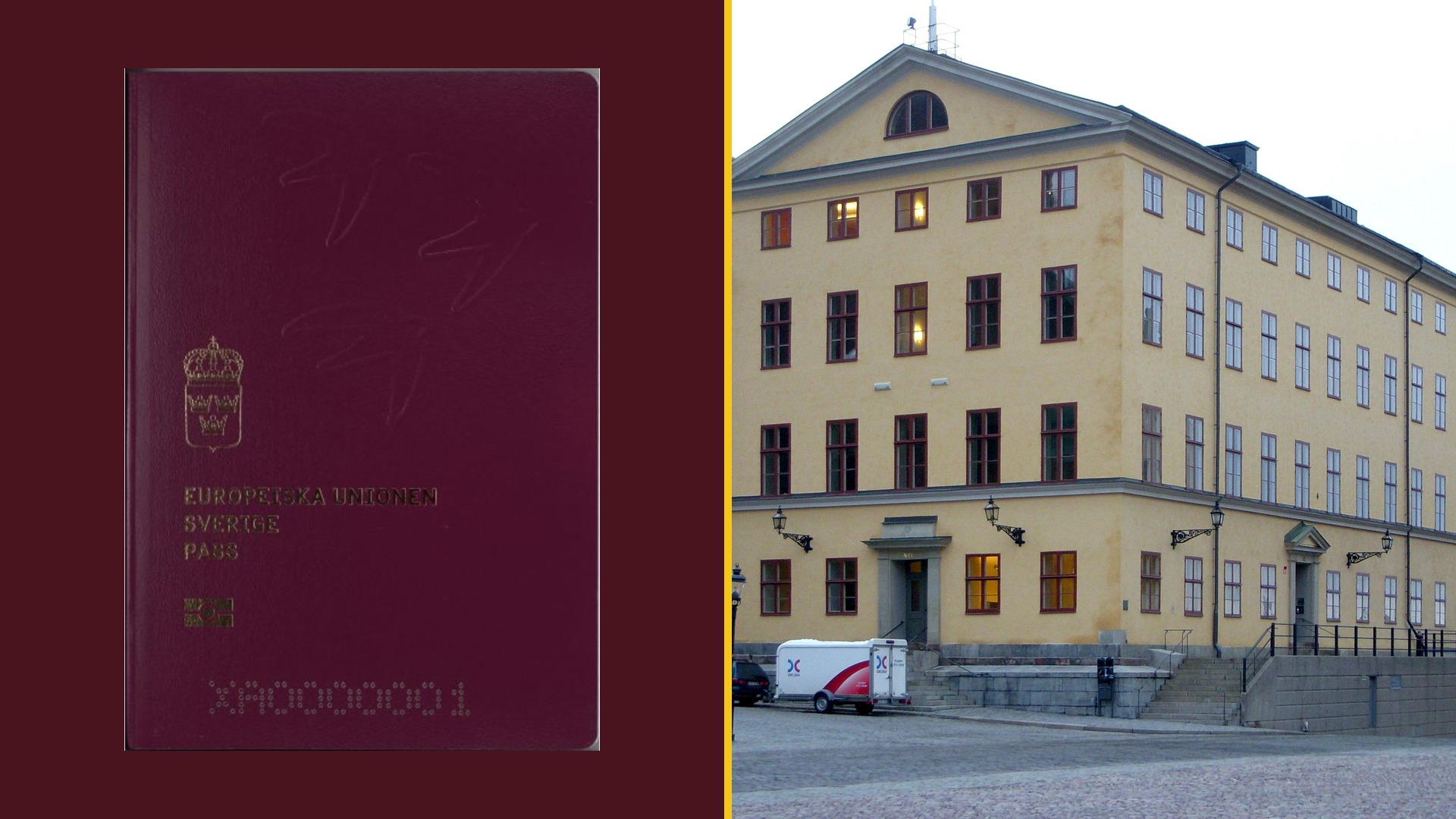
Sweden has raised the residency requirement for citizenship from five to eight years without transitional rules for those who had already applied. A Malmö rejection has now been appealed to the Migration Court of Appeal, which is considering granting leave to appeal.
Since June 6, 2026, eight years of residency in Sweden are required to become a Swedish citizen, up from the previous five years, after the Tidö government, following demands from the Sweden Democrats, decided to tighten the requirements. Parliament implemented the change without any transitional provisions. This means that even those who applied under the old five-year rule are assessed according to the new eight-year requirement if the decision is made after the law changed. The Migration Court in Malmö has applied the new rule and dismissed appeals.
A decision in one case has now been appealed to the Migration Court of Appeal, which is considering whether to grant leave to appeal and thereby create a legal precedent.
The background is that when the residency requirement was raised in June, there were no provisions to protect those already in the application queue. Thousands of people who believed five years of residence would suffice now risk rejection if the Migration Agency decides after June 6, 2026.
This became concrete in Malmö when a third-country national had lived in Sweden since 2019 and applied for citizenship in the summer of 2025, when the five-year rule still applied. The Migration Agency did not make a decision until after the law had changed and rejected the application, citing the eight-year requirement. The man appealed to the Migration Court in Malmö.
On September 10, the court ruled that the new rules may be applied even to older applications. According to the press release from Malmö Administrative Court, there was nothing in Swedish law or EU law preventing this. The court pointed out that Parliament had deliberately omitted transitional provisions. The case was decided in an extended session with Chief Judge Fredrik Löndahl, Presiding Judge Annika Friberg, and three lay judges.
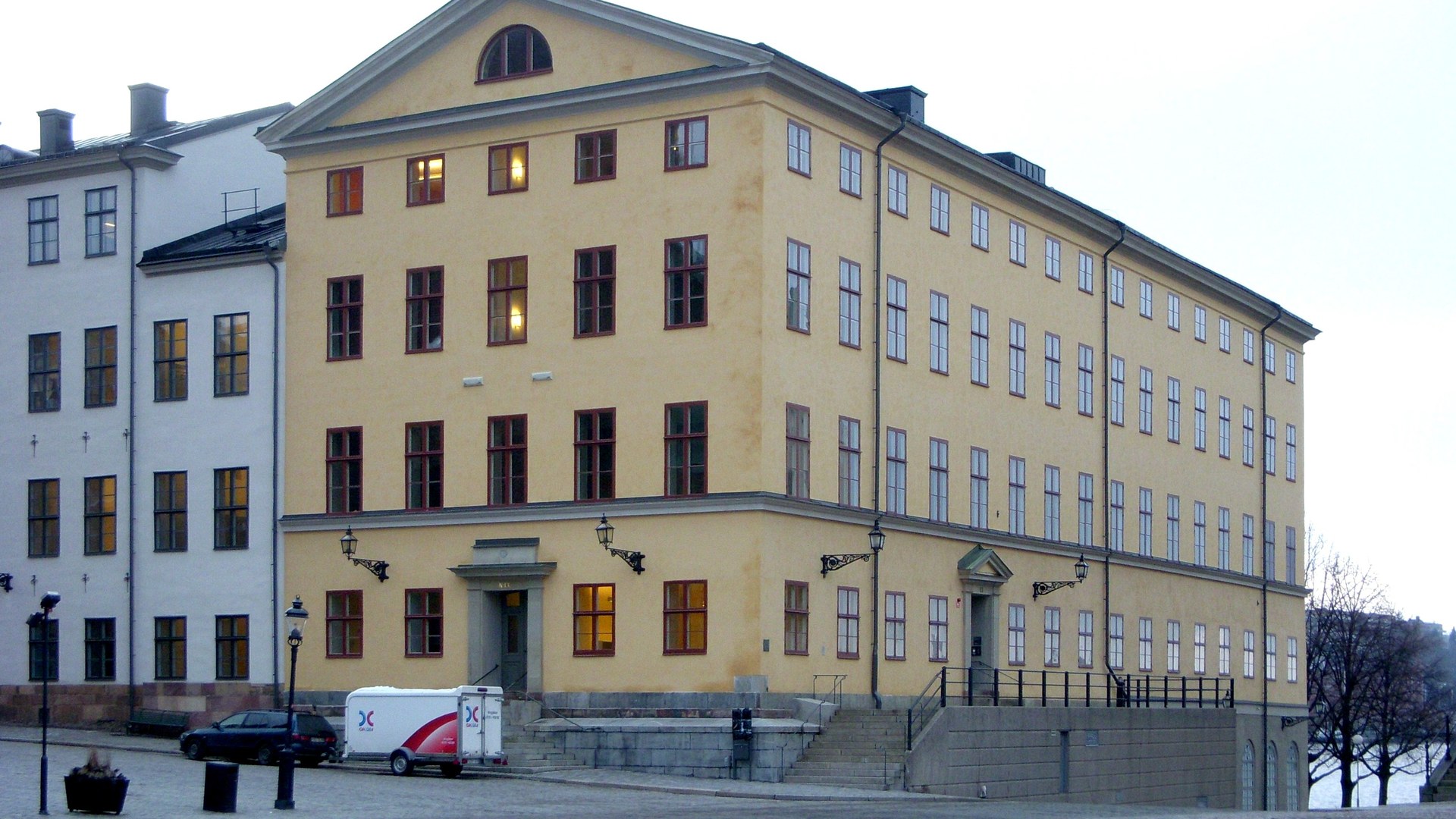
On September 30, the Malmö ruling was appealed to the Migration Court of Appeal in Stockholm – the country’s highest migration court. The court will first decide whether to grant leave to appeal. Only if this is granted will the issue be heard on its merits. Such a decision would set a precedent and serve as guidance for how all similar cases should be assessed.
Peder Liljeqvist, who heads the precedent division at the Migration Court of Appeal, wrote to The Local that the court is aware that the issue affects a large number of people.
– There are many cases now going through the migration courts, and the Migration Court of Appeal is monitoring the situation and considering whether a suitable case should be granted leave to appeal. Beyond this, the court currently has nothing more to say, says Liljeqvist.
The Migration Court of Appeal has already denied leave to appeal in several citizenship cases from Gothenburg. The Malmö decision is the first from that court to now reach the highest level. The appeal is being handled by lawyers working pro bono within the Fair Transition campaign, which questions the lack of transitional provisions in the law change. If leave to appeal is granted, the Migration Agency will be asked to comment.
Chief Judge Fredrik Löndahl has previously told The Local that he expects the Migration Court of Appeal to take up the case, despite the fact that leave to appeal is only granted in a very small proportion of cases. No decision on leave to appeal has yet been made.