
An elderly person in Kil Municipality was taken to the hospital after being carelessly served vinegar instead of juice by staff during a medication session. The incident is far from unique. Several highlighted cases in recent years show how insufficient language skills and communication problems within home care services have led to serious mistakes – ranging from chemical burns after ingesting vinegar to elderly individuals being served cat food instead of breakfast.
An elderly home care recipient in Kil Municipality experienced a serious incident in August 2025 when staff served vinegar instead of juice during medication intake.
According to the municipality’s medically responsible nurse, Annika Nilsson, the elderly person had requested something to drink with their medicine. But instead of juice, the individual was given a glass of vinegar.
– The staff said the bottle was next to the juice bottle, which the patient said was not the case. It became one word against another, says Annika Nilsson.
She does not explain, however, how the mistake could occur even if the bottles had been next to each other – juice and vinegar are both clearly labeled on their bottles.
The elderly individual immediately reacted to the burning sensation and later began to vomit. Since the person had previously had recurring health problems, the symptoms were at first not perceived as unusual. The next day, however, the condition worsened and the person was taken to the hospital.
At the hospital, pneumonia was found and the patient had also become hoarse. According to doctors, it could not be determined whether the problems had been caused by vomiting or by the vinegar itself.
Annika Nilsson says that the incident should never have occurred.
– One should have reacted to the fact that it is quite strong and has a distinct odor. But that was not done, she says, without clarifying why the mix-up occurred anyway.
The municipality subsequently carried out a Lex Maria investigation. The Health and Social Care Inspectorate (IVO) later determined that the municipality had handled the matter correctly and taken sufficient measures to reduce the risk of similar incidents happening again.
The staff member who served the vinegar no longer works with the organization. According to available information, the affected person has not received any compensation or apology for what happened.
Similar Case in Gothenburg – Elderly Woman Sustained Chemical Burns
This is not the first time an elderly person in home care has consumed vinegar after staff took the wrong bottle.
In Gothenburg, a previously reported case involved an elderly woman who was served 24% vinegar instead of water. The woman used to keep water in a brown glass bottle in the fridge, and on the same shelf there was also an opened bottle of concentrated vinegar.
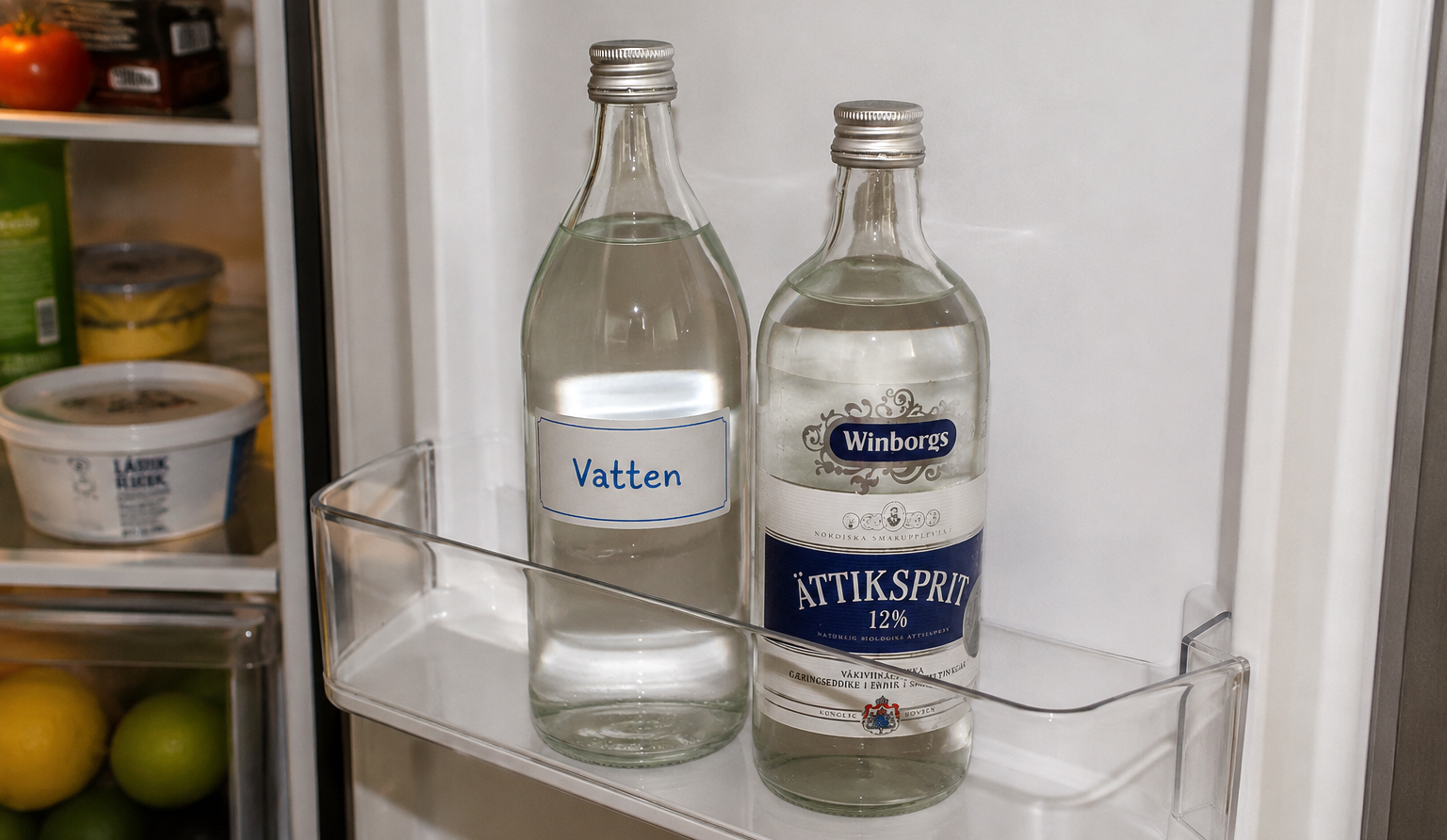
When the apparently illiterate home care staff was to serve evening medication and a drink, they took the wrong bottle and poured vinegar for the woman.
– It burned in my throat, I became terribly frightened and screamed to the heavens, the woman recounted afterward.
Although the staff realized their mistake, they did not contact healthcare services. It was only after the woman herself later that evening called the medical advice line that an ambulance was sent to her home.
At the hospital, chemical burns were found in her esophagus and stomach opening, swelling in the throat, and she was later placed on a respirator as a safety precaution.
The incident was reported to the police and also to IVO. The woman’s relatives harshly criticized the home care for leaving her alone despite her ingesting a corrosive liquid.
– What if she had taken her sleeping medication and fallen asleep, what would have happened then? She would have died, her granddaughter Maria Tegenmark told GP.
Elderly Woman Served Cat Food for Breakfast
Other types of serious mistakes within home care have also been linked to language difficulties and lack of understanding among staff.
In Norrköping, 79-year-old Eva Andersson raised the alarm after being served cat food for breakfast instead of fruit soup with milk.
READ ALSO: 79-year-old Eva was served cat food by home care: ‘Language difficulties’
When Eva pointed out the mistake, the staff did not at first understand what was wrong. She later described that she had to show the difference by indicating the right products in a photo of the fridge.
– I immediately said that this is cat food, I can’t eat this, Eva said.
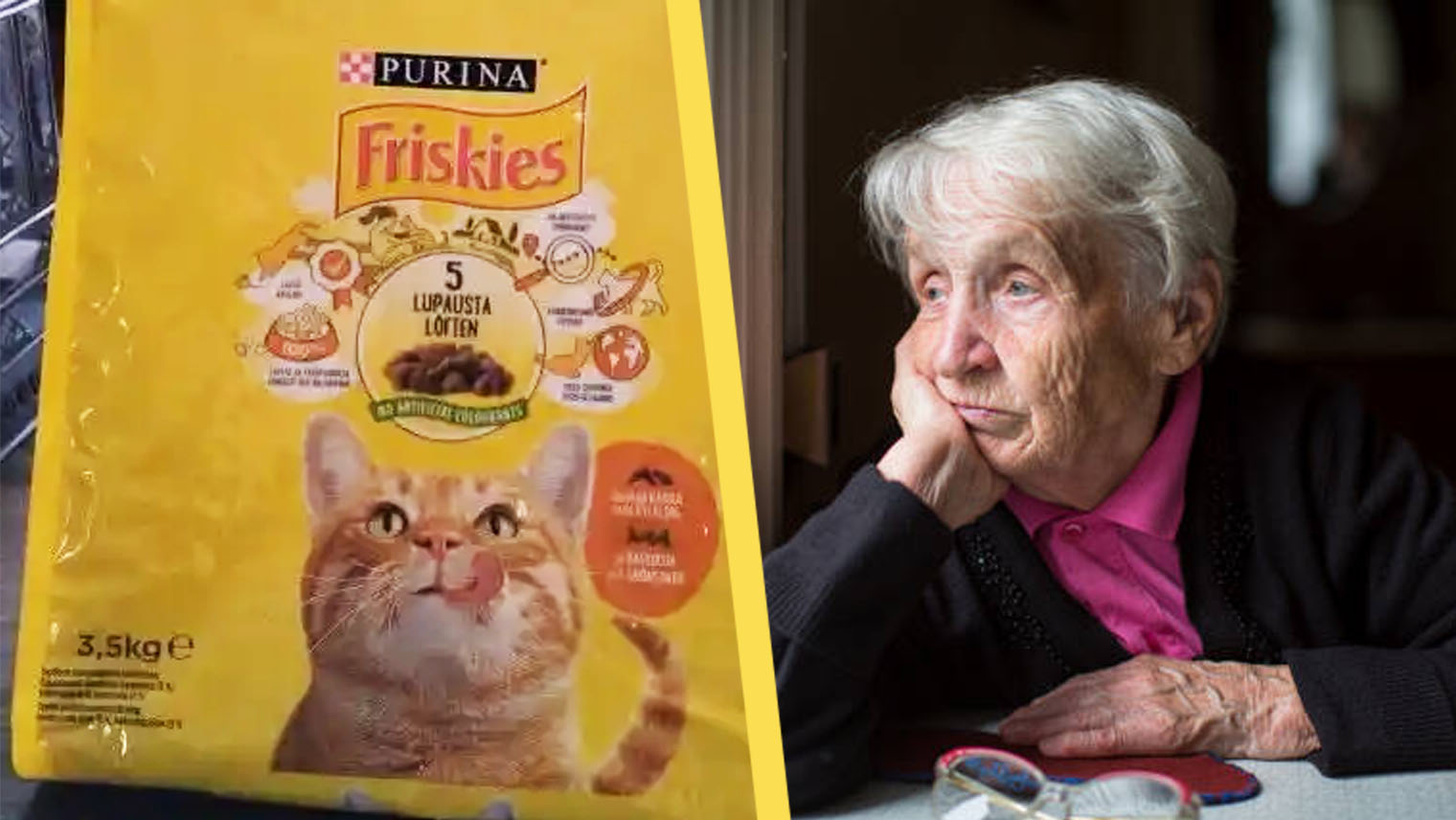
According to her, the problem was much larger than the individual incident. She described repeated difficulties in communicating with parts of the home care staff.
– It was definitely a language barrier. I think it is very difficult when we cannot converse with each other, she said.
Norrköping Municipality called the incident “an unfortunate mistake,” but at the same time admitted that it showed the need for better language skills among staff.
– Being able to speak sufficiently good Swedish to do your job is a basic requirement, said operations manager Anette Asplund, but did not explain why this requirement was set aside.
Growing Debate on Language Requirements in Elderly Care
The high-profile cases have contributed to a growing debate about language requirements and competence in Swedish elderly care.
Critics say inadequate knowledge of Swedish not only affects comfort and communication for the elderly – but can also have directly dangerous consequences when staff do not understand instructions, product labeling, or care needs.
The issue has become increasingly pertinent as municipalities across the country report difficulties recruiting staff for elderly care while the proportion of employees with limited Swedish language skills has increased.
READ ALSO: Paramedic sounded alarm about language chaos in dementia housing – it’s now been closed