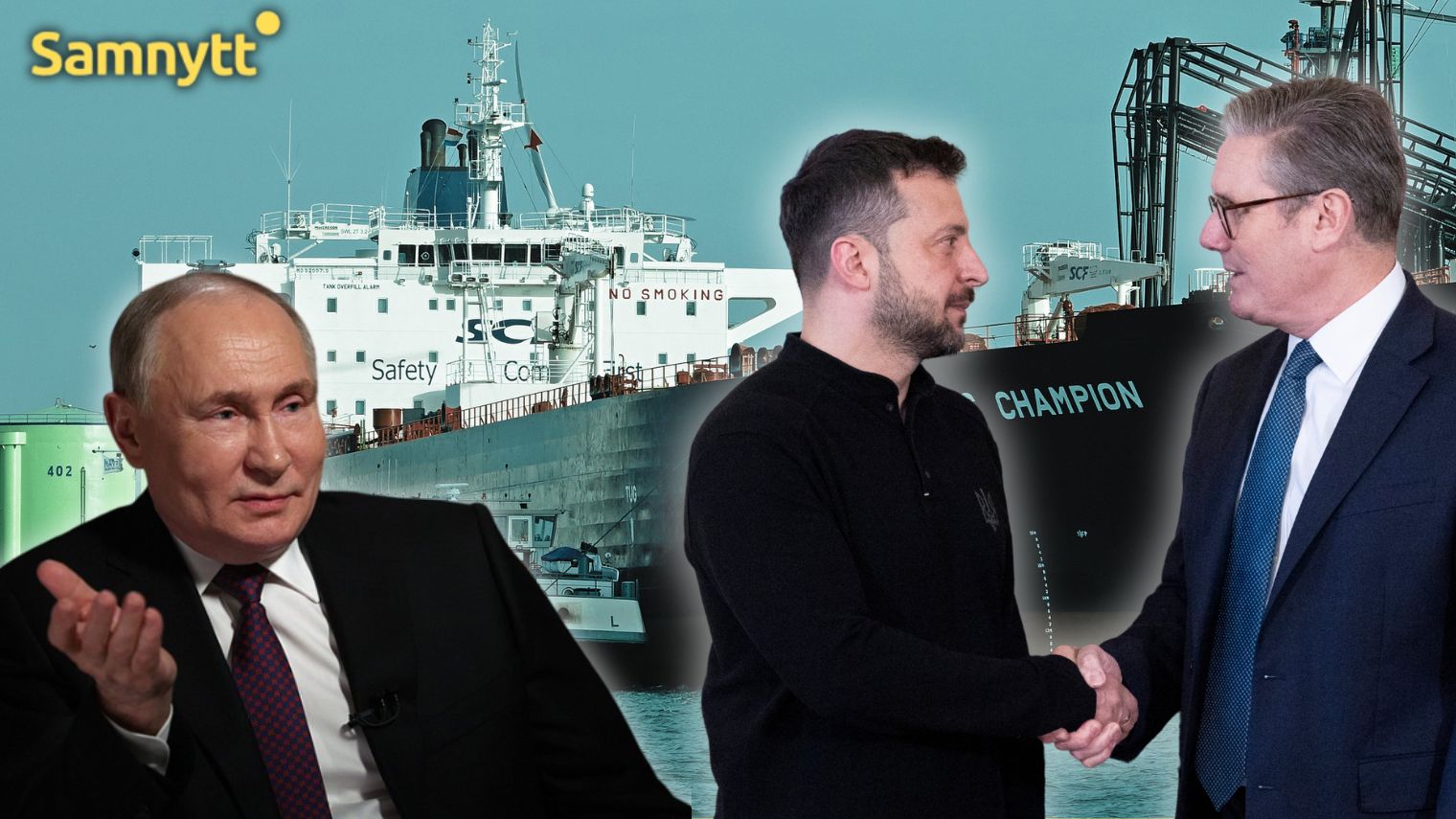
This spring, the UK has toughened its rhetoric against Russia’s so-called shadow fleet, talking about boarding and intercepting sanctioned vessels in British waters. At the same time, both Prime Minister Keir Starmer and President Donald Trump have recently signaled openness to exemptions that, in practice, make it easier for Russian oil to reach :censored:6:cdd6bbaa89: markets. The combination illustrates a policy of pressure – but only as long as it doesn’t impact domestic energy supplies and the economy.
At the end of March, the British government announced that the military was now prepared to board and detain ships from the Russian “shadow fleet” – older tankers with unclear ownership structures and flag registrations, used to circumvent Western sanctions on Russian oil trade.
Defence Secretary John Healey said at the time that Britain had the legal grounds, training, and operational capabilities in place to intervene against sanctioned ships in UK waters. Prime Minister Keir Starmer described the measures as a way to “starve Putin’s war machine” of income from oil exports.
READ ALSO: China and Saudi Arabia Sell Russian Gas and Oil to Europe
At the same time, military preparations were conducted with Nordic countries under the so-called Joint Expeditionary Force, JEF. British special forces and marines trained for scenarios in which vessel crews might resist.
Hundreds of Ships Still Passed
But when BBC Verify reviewed traffic in May, it found that nearly 200 sanctioned ships had, despite this, continued to pass through British waters since the announcement in March.
The investigation found that 184 sanctioned vessels made a total of 238 journeys through the British economic zone, many via the English Channel. In at least 94 cases, the ships also entered British territorial waters.
Despite the government’s harsh rhetoric, there was no public information indicating that any ship had actually been boarded or seized.
READ ALSO: Zelensky’s New Demand: EU Must Ban Russian Merchant Ships in the Baltic Sea
The British Ministry of Defence only responded that it “disrupts and deters” the shadow fleet, without giving details. Former naval officers described the gap between statements and actual practice as striking.
Legal experts also questioned how far the British approach could really be taken. According to maritime law specialists, the ability to stop ships is limited as long as they sail under a recognized national flag.
At the same time, there were signs the threat was still affecting traffic. Some tankers began choosing longer routes around Scotland and Ireland to avoid British waters, increasing transport costs.
New Course After Rising Energy Prices
Just days after the BBC’s review, a new announcement pointed in the opposite direction. According to the Financial Times, the UK has now eased parts of its sanctions on Russian energy through exemptions that allow the import of jet fuel and diesel refined in third countries from Russian crude oil.
READ ALSO: China Keeps Buying Russian Oil – Prefers to Pay High Tariffs
The decision is motivated by concerns about supply problems following the recent conflict around Iran and the blockage of the Strait of Hormuz, which has pushed up :censored:6:cdd6bbaa89: oil and fuel prices.

The exemptions also mirror a similar decision in the US, where the Trump administration extended waivers allowing certain countries to continue buying Russian oil at sea to avoid sharp increases in energy prices.
Critics argue that these measures effectively undermine the previously tough stance against Moscow. Opposition leader Kemi Badenoch accused the government of talking about standing up to Putin while still opening the way for Russian energy through back channels.
Ukraine’s sanctions official Vladyslav Vlasiuk also expressed concern that the exemptions could generate new income for the Russian war economy.
“Not Eased Sanctions” – Despite New Exemptions
The British government, however, rejects claims that sanctions have been weakened. Keir Starmer emphasized that no existing sanctions are formally being lifted, but that the measures involve exemptions and transitional solutions linked to the stability of the energy market.
In practice, this change means that products based on Russian crude oil can once again reach the British market via refineries in, for example, India and Turkey – something that previously would have been stopped.
READ ALSO: Europe’s Gas Reserves Are Emptying – Opening the Door for a Russian Comeback on the Energy Market
The development illustrates a conflict long embedded in Western sanctions policy – the goal to reduce Russia’s oil revenues has always had to be balanced against the risk of rising energy prices, inflation, and economic consequences in Europe and the US.
During periods of stable oil production, sanctions could be tightened. When energy markets became more strained, exemptions and waivers have been reintroduced to keep prices down and ensure fuel supply.
The result is a policy where the tone is often confrontational – yet practical exceptions are made whenever the cost to the domestic economy risks becoming too great. Principles in rhetoric more than in practice.