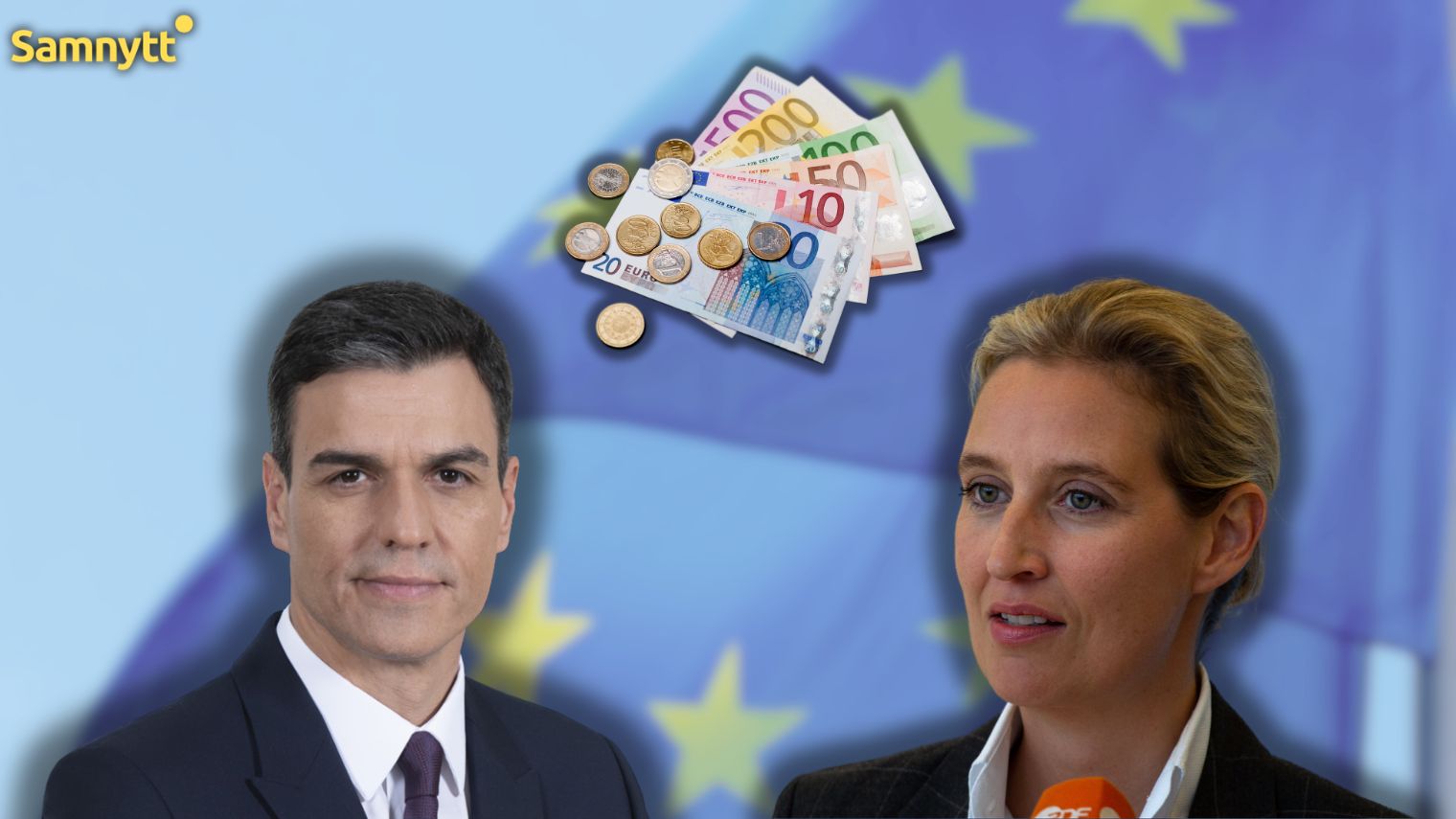
A growing political conflict has erupted within the EU following reports that Spain allegedly used billions of euros from the union’s pandemic recovery fund to finance pension and welfare expenditures. The criticism has mainly come from several northern member states, which have long been skeptical of joint EU borrowing.
The background consists of information from Spanish audit and budget documents, which according to multiple media outlets, show that around 2.4 billion euros in 2024 were used for pension-related expenditures within the Spanish social security system. Additionally, approximately 8.5 billion euros set aside for 2025 is said to have been shifted from programs intended for, among others, industrial transition, to other parts of the welfare system.
Critics argue that the funds were originally intended for investments, digitalization, and economic recovery after the Covid-19 pandemic. The issue has sparked strong reactions in several EU countries. Politicians, EU parliamentarians, and taxpayer organizations in, among others, Germany have demanded increased transparency regarding how the funds have been used.
READ ALSO: The Swedes contributed 150 billion in tax money – now Spain raises pensions
The chair of the European Parliament’s Budgetary Control Committee has described it as unacceptable if money from the recovery fund is used to cover deficits in national pension systems instead of the investments the fund was created to finance.
North vs South
The controversy has simultaneously brought renewed attention to the tensions between the EU’s so-called frugal northern member states and several southern European countries. Nations such as Sweden, the Netherlands, Denmark, and Austria have previously voiced concerns that joint borrowing could mean taxpayers in economically stronger states have to bear the costs of other countries’ public spending.
The affair also arises at a sensitive time, as negotiations over the EU’s future budget are entering a decisive phase.
The Spanish government rejects the accusations, stating that no EU rules have been violated. Madrid claims that the transactions in question were temporary budget and cash flow solutions consistent with existing regulations and that they have not affected the implementation of projects funded by the recovery fund.
The European Commission has also largely backed the Spanish position. In response to the European Parliament, the Commission has stated they have found no evidence that Spain has misused EU funds or broken union rules.
The Commission has at the same time explained that pensions themselves are not an eligible expenditure within the recovery fund, but that member states, under certain circumstances, may temporarily use liquidity from disbursements within their national budget management without affecting the legal use of EU funds.

Damaged Trust
Despite the message from Brussels, the debate has not subsided. Critics argue that the affair has damaged trust between member states and raised questions about how the historically large recovery fund, nearly 807 billion euros, is being monitored.
Supporters of the Spanish government, on the other hand, believe the accusations have been exaggerated and used as a political tool in the European debate over the future of EU economic cooperation.
“German taxpayers’ money finances socialist mismanagement in Europe. The EU’s joint debt madness must come to an end – an AfD government will see to it!”, writes AfD leader Alice Weidel on social media.