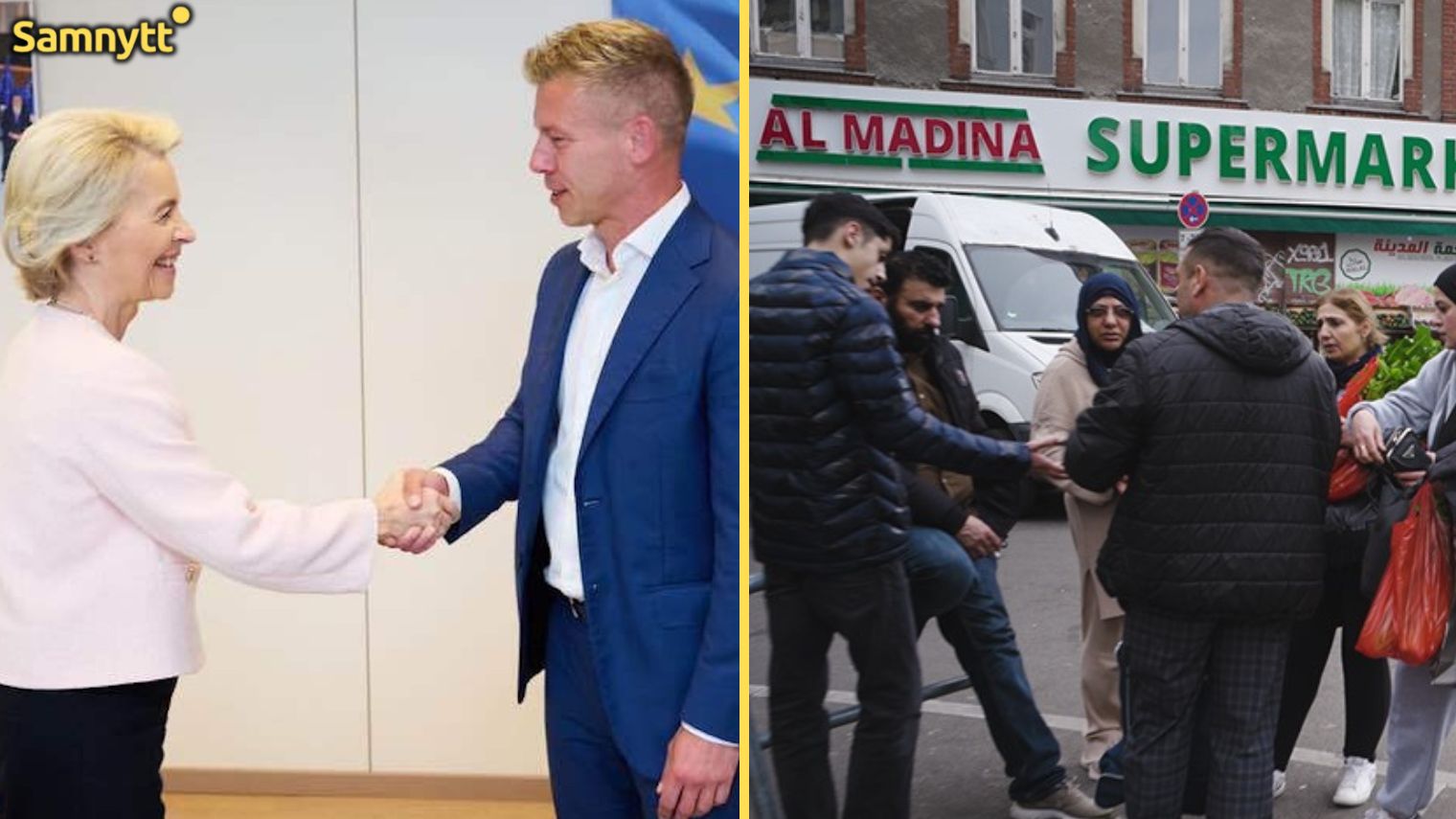
Hungary’s new Prime Minister Péter Magyar, who has been praised by many conservative voices in Sweden and the rest of Europe as more immigration-critical than Viktor Orbán, now appears to be steering the country in a completely different direction. European Commission President Ursula von der Leyen has welcomed the political shift, speaking of Hungary’s return to “the EU and democracy.” At the same time, she announced the country will implement the EU Migration Pact—a system under which member states are expected to accept migrants or pay hundreds of thousands of kronor for each migrant they opt not to take in.
At the end of last week, Ursula von der Leyen announced that the EU had decided to gradually unlock more than SEK 170 billion in previously frozen funds to Hungary, provided the country carries out the reforms required by Brussels.
“All measures in the package must be fully implemented,” von der Leyen clarified.
The EU official, who celebrated Orbán’s election loss in mid-April, emphasized at last week’s press conference that Hungary has now “chosen the EU and democracy.” She further stated that a new era is beginning for Hungary.
“We can already feel a strong wind of change over Hungary,” she said.
READ ALSO: Sweden Democrats Welcome the EU Party’s Victory in Hungary
Alongside the long line of reforms demanded by the EU, Hungary is expected to introduce the union’s common migration policy. For the first time, the country could therefore become part of the EU’s Migration Pact—a system which means member states must either accept migrants under the EU’s allocation mechanism or contribute financially to opt out.
READ ALSO: EU: Hungary Must Give Up Orbán Policies—Demands 27 Changes to Release Frozen Funds
“As for the Migration Pact, we will work very closely with the Hungarian authorities on migration and the implementation of the pact,” said the EU leader, continuing:
“You know the pact, and the structure behind it will create the same conditions throughout the European Union. We therefore have very clear goals for implementation, and we will work together with the Hungarian government to achieve those goals.”
Immigration or SEK 220,000 per Refusal
The EU’s Migration Pact is based on a so-called solidarity mechanism under which member states are to jointly share responsibility for processing asylum applications. Countries experiencing high migration pressure at the EU’s external borders should be able to receive support from other members.
This involves either accepting relocated migrants or paying a mandatory fee. According to the rules adopted within the pact’s framework, the cost is 20,000 euros per migrant—around SEK 220,000—for each migrant a member country chooses not to accept.
READ ALSO: First Week with Hungary’s New Government: Opens Up to Immigration
The system is designed so that all member states are expected to contribute in some way, either by accepting migrants or through financial and practical measures.
During Viktor Orbán’s government, Hungary was one of the strongest opponents of both the migration pact and previous EU attempts to introduce mandatory relocation quotas for asylum seekers.
Orbán argued that migration policy is a matter of national sovereignty and that each country should decide for itself who may reside within its borders.
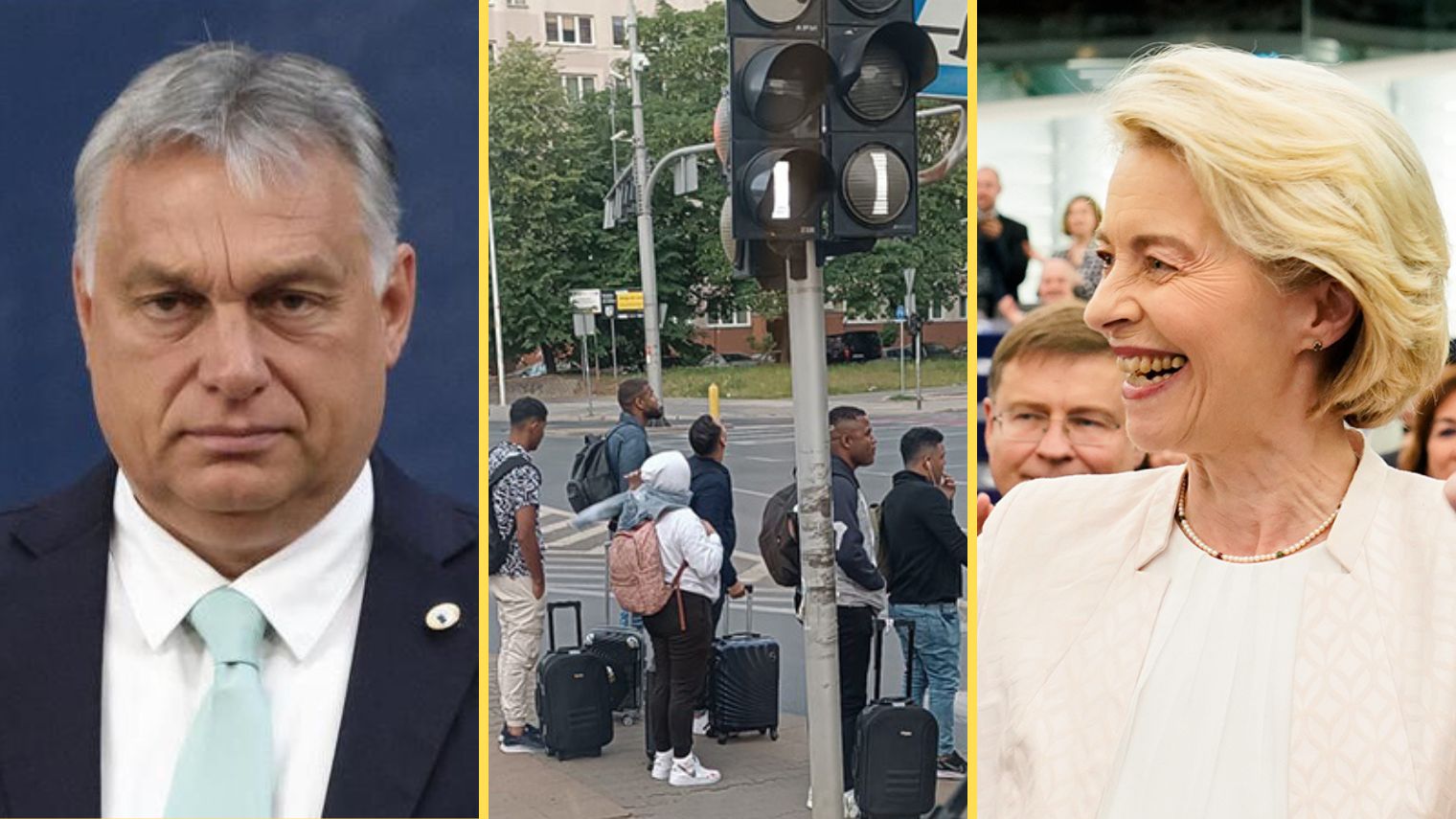
Orbán was particularly against Brussels being able to allocate migrants among member states, claiming that such a system risked encouraging continued migration to Europe.
He also argued that Hungary was already taking significant responsibility by guarding the EU’s external border along the Balkan route, and believed the union’s focus should be on stopping illegal migration rather than redistributing migrants among member states.
EU: ‘Will Work Very Closely’
On Friday, European Commission President Ursula von der Leyen announced that Hungary will cooperate with the EU on the implementation of the Migration Pact—a statement marking a clear course change from the policies under Viktor Orbán.
This means Hungary also seems to be moving toward the joint system where member states are expected to accept migrants or contribute financially. The change has been met with great enthusiasm in Brussels. Ursula von der Leyen has spoken about how Hungarians have chosen “the EU and democracy” and welcomed the country’s political shift.
READ ALSO: The EU Official Has Tamed Hungary—Now Billions in Subsidies Pour In: ‘Diversity Is Our Strength’
However, this is not something the Tisza government, described by many as immigration-critical and conservative, has highlighted in its communications to Hungarians.
Instead, Prime Minister Péter Magyar has primarily criticized Orbán’s previous rule during his press conferences, while the EU-friendly realignment of Hungary’s politics has received significantly less attention.
To Remove the President
Péter Magyar’s purge of Viktor Orbán’s era of power continues. The latest example is his demand that Hungarian President Tamas Sulyok, who took office in 2024, should leave his post even though his term is still running.
READ ALSO: EU-Liberal Hungary to Stop News Broadcasts
According to Magyar, the president does not represent the new, unified Hungary he claims to want to build, and so he is now initiating “necessary processes” to remove Sulyok.
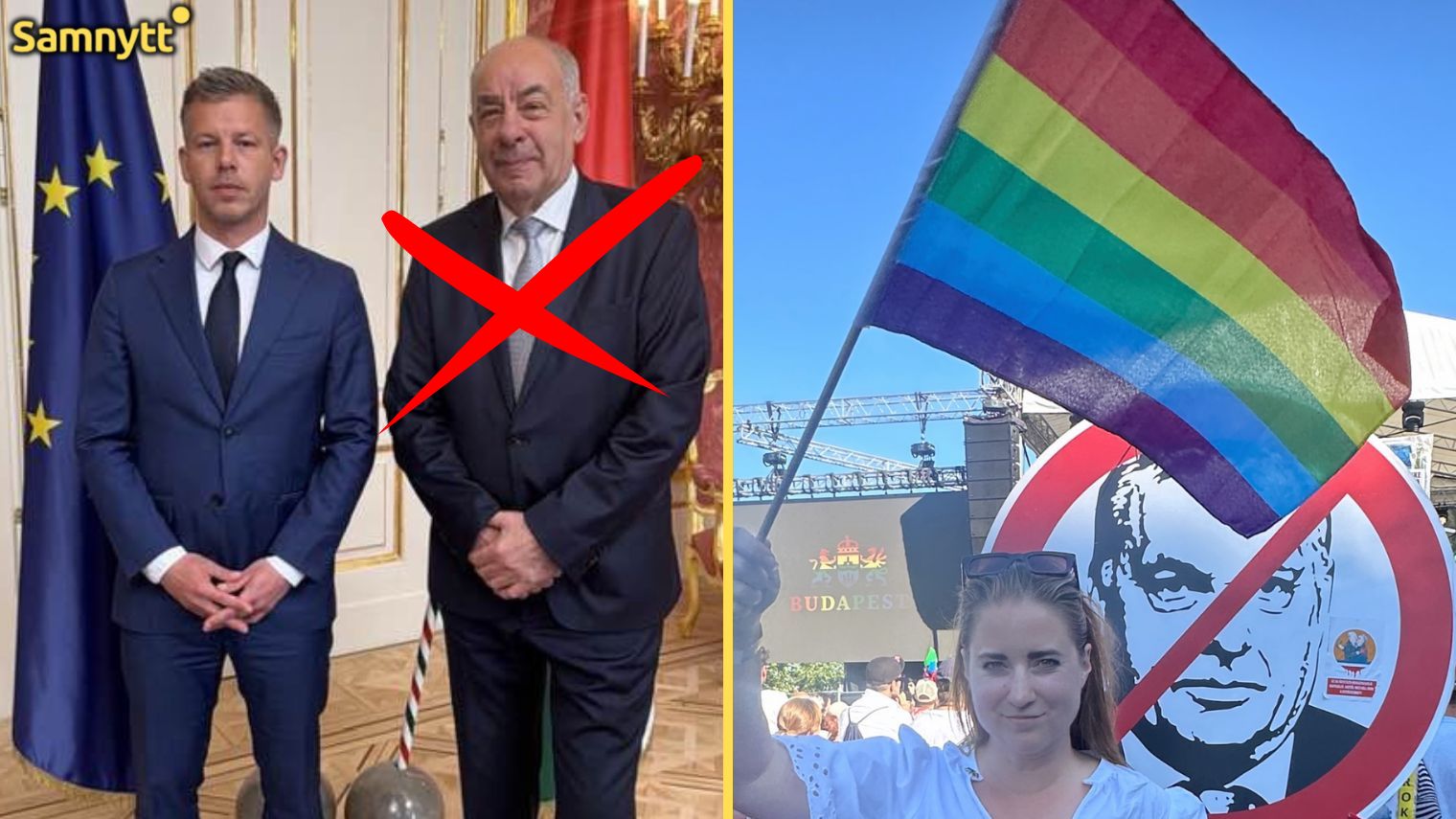
One argument he points to is that the president did not oppose the Orbán government’s decision to ban LGBTQI and Pride events on Budapest’s streets, instead relocating such events to designated areas, according to Deutsche Welle.
READ ALSO: No Pride Parade Through Budapest – the government wants to protect children from sexual content
This is now being used by Hungary’s new prime minister, described by many as conservative, as one of several arguments for removing the president before the end of his term.
READ ALSO: After EU Demands: Hungary Gets LGBTQI Activist As Minister