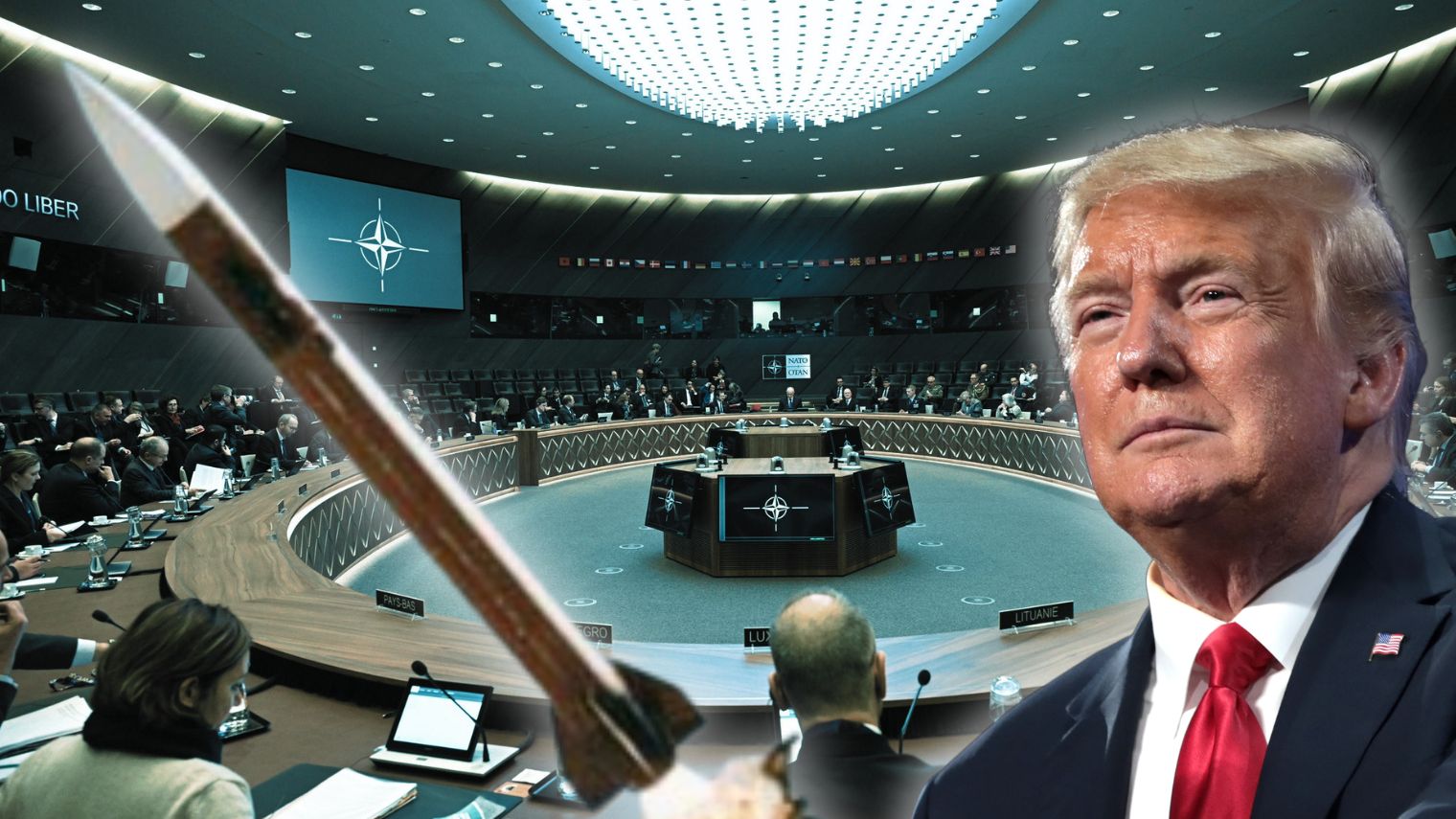
The prolonged war in Iran is starting to have increasingly serious consequences for both the US and NATO. Now, both American politicians and military experts are sounding the alarm over rapidly shrinking weapons stockpiles—as the issue has been raised at a NATO meeting in Brussels where member states warned that the alliance’s defense capabilities could be affected if production does not ramp up quickly.
The various stages of the war in Iran, culminating in the major operation launched earlier this spring and resulting in a blockade of the Strait of Hormuz, are not only creating a :censored:6:cdd6bbaa89: energy crisis but also a weapons crisis in the Western world. This is reported by the American magazine Time Magazine.
As both the US and Israel are consuming large quantities of advanced missile systems, and American allies in the Middle East request more air defense, concerns are growing over whether NATO and the Western defense industry can meet demands in several regions simultaneously.
Ukraine remains dependent on air defense and weapons systems in its war against Russia, while several European NATO countries have decided to strengthen their defenses against the same threat. But as demand increases rapidly, reports indicate that weapons stockpiles are dwindling and that the production rate is deemed inadequate.
On Tuesday, NATO’s top military leaders gathered in Brussels for an emergency meeting about the situation. According to sources from Euronews, the rapidly growing shortage of ammunition and advanced weapon systems tops the agenda.
The war in Iran has so far cost the US over $29 billion, according to Pentagon figures. Above all, it involves extensive consumption of advanced and costly munitions, including Patriot systems and long-range missiles.
READ ALSO: US Senator: “We Will Make Tons of Money from the Iran War”
The weapons are not only used in the conflict itself but also by American allies in the Middle East, who—after Iran’s counterattacks—have increased their demands for additional air defense and ammunition. Israel also maintains a considerable need for US weapon systems and military support.
Several NATO countries are now reportedly concerned that US stockpiles are being depleted faster than industry can replenish them. Meanwhile, Russia continues to put military pressure on the alliance, and many fear that the West could be less well-equipped in the event of a major conflict.
A NATO source told Euronews that member states have been warned for years that weapons production needs to increase dramatically—but that the Iran war has made the situation acute.
US Production Can’t Keep Up
Warning flags are now also being raised in the US. Mark Kelly, former astronaut and naval captain, recently stated that it could take years before the US rebuilds its stockpiles of, among other things, Tomahawk missiles and Patriot missiles.
The statement has caused irritation within the Pentagon, and Defense Secretary Pete Hegseth has launched an investigation into the claims.
But several experts argue that the problem is real. Mark Cancian from the think tank Center for Strategic and International Studies says the US’s biggest problem is not money—but the rate of production.
According to him, it could take between three and four years before manufacturing of certain advanced missile systems reaches today’s required levels. Some weapon systems have even longer delivery times.
The consequences are already evident in Europe. Countries that have bought American weapons systems for Ukraine now risk delayed deliveries—or not getting the systems at all.
READ ALSO: NATO Warning: Spend More on the Military or Teach Your Kids Russian!
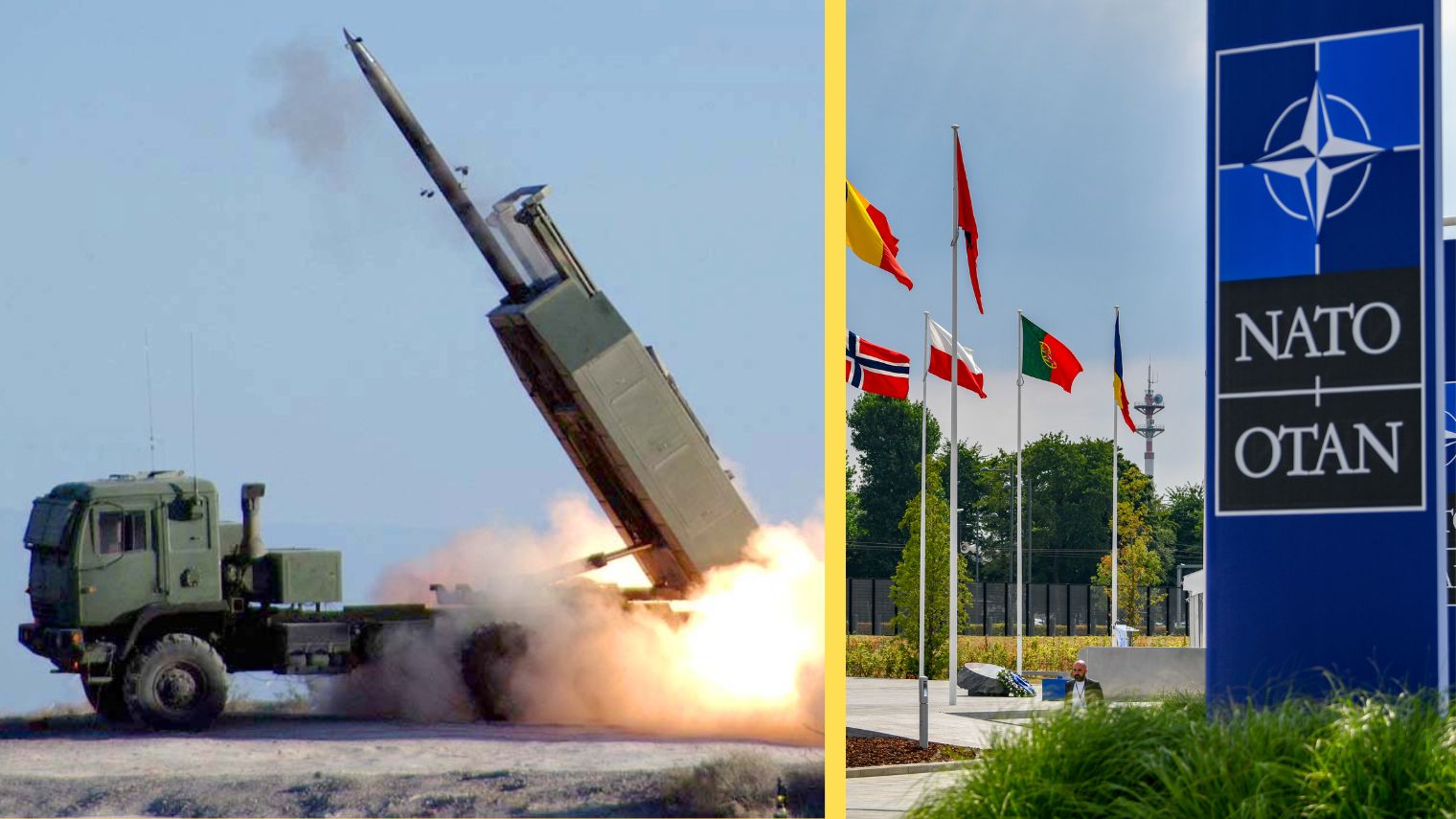
Meanwhile, Ukraine continues to rely on US Patriot missiles and HIMARS ammunition in the war against Russia.
NATO is also reportedly analyzing how the alliance’s overall defense capacity will be affected if the US continues to deplete its stockpiles at the current rate.
Concerns are being heightened by the fact that several conflicts are now ongoing in parallel. According to NATO sources, it’s no longer just about Iran, but about the West’s ability to handle multiple wars at the same time.
Drone Warfare Strains the Economy
Another growing challenge is the cost of modern warfare. During Iran’s attacks, the US and its allies have often been forced to use extremely expensive missiles to shoot down much cheaper drones from Iran.
READ ALSO: Mark Rutte: “NATO Is Stronger Than the Roman Empire”
Some air defense missiles cost around one million dollars apiece, while the drones they shoot down may be worth only a fraction of that amount. This is why there are concerns that mass-produced, simple drones could drain vital weapons stockpiles in the West.
NATO Reviewing Europe’s Defense
At Tuesday’s meeting in Brussels, NATO’s top military commander in Europe, Alexus G. Grynkewich, is set to present a new assessment of the alliance’s combined military capacity.
The discussions are occurring as the US has decided to halt a previously planned troop reinforcement to Poland—a move that has caused concern among several Eastern European member states.
NATO Secretary-General Mark Rutte is also expected to attend the meeting, where the focus is now on how Europe can rapidly increase the production of ammunition, air defense, and advanced missile systems.
Watch the press briefing from Brussels here: