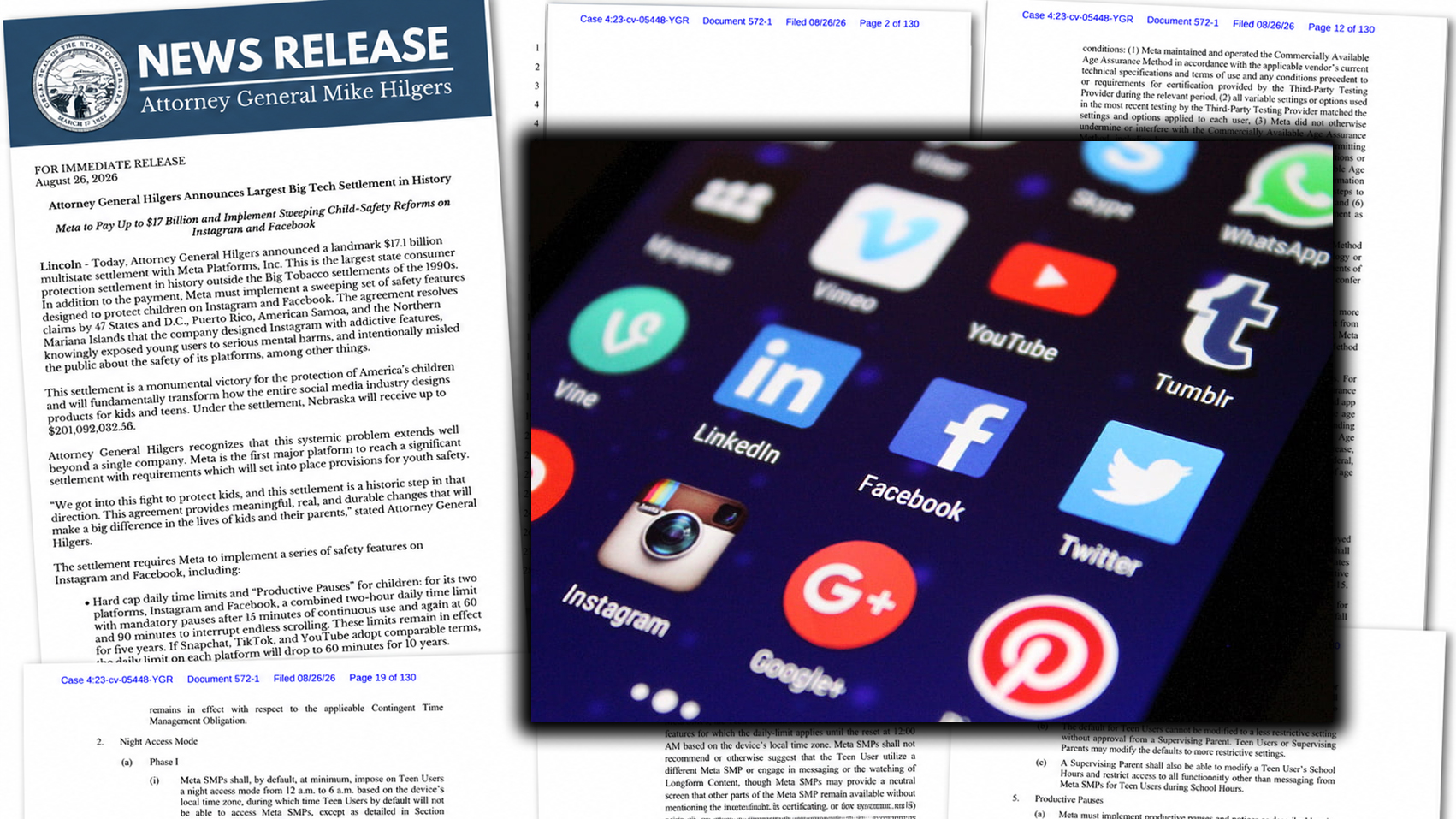
Meta has reached one of the largest settlements to date between U.S. authorities and a tech company. The Facebook owner will pay up to around 18 billion dollars after allegations that Facebook and Instagram were intentionally made addictive for children and teenagers. At the same time, significant restrictions are being introduced on teenagers’ use of the platforms. Meta denies any wrongdoing.
The settlement ends an extensive legal battle between Meta and various U.S. states. Authorities accused the company of designing Facebook and Instagram in such a way as to keep young users on the platforms as long as possible, while downplaying the associated risks to the public.
The suit also included allegations that Meta collected and used personal data from children under 13 without proper parental consent. The agreement was reached in the midst of a federal trial in California.
Two Hours a Day
The money is only part of the settlement. Meta also agrees to a range of changes to Facebook and Instagram for minor users in the U.S. For teenagers, a default limit of two hours of use per day will be implemented. The platforms will also be blocked between midnight and 6 a.m.
Push notifications will be turned off during school hours, between 8 a.m. and 3 p.m., and the number of likes and reactions will by default be hidden from teenagers. Meta must also introduce far more robust systems for age verification.
A non-personalized version of the feed must, according to the agreement, be available within four months. Other measures must be in place within six months, and the larger age verification systems within a year.
18 Billion – But Not All Is Guaranteed
The financial part of the settlement extends over ten years. About 12.7 billion dollars Meta will pay regardless. An additional 5.3 billion is conditional. Meta itself describes the settlement in a press release where they urge TikTok and YouTube to join in to “support teenagers”.
For the entire amount to be paid out, it is required, among other things, that competitors YouTube and TikTok introduce some similar restrictions, including daily time limits, night mode, and age verification systems, and themselves reach financial settlements with the states.
The company has throughout the process denied the allegations and emphasized that it has introduced features to protect minors for several years. But the settlement also means that several of the measures that were previously voluntary or could be changed by users will now become mandatory default settings.
The case could also have consequences far beyond the U.S. Authorities in several countries are already working on stricter rules for minors’ use of social media, and the American settlement shows that technical restrictions long discussed can in fact be implemented on a very large scale.