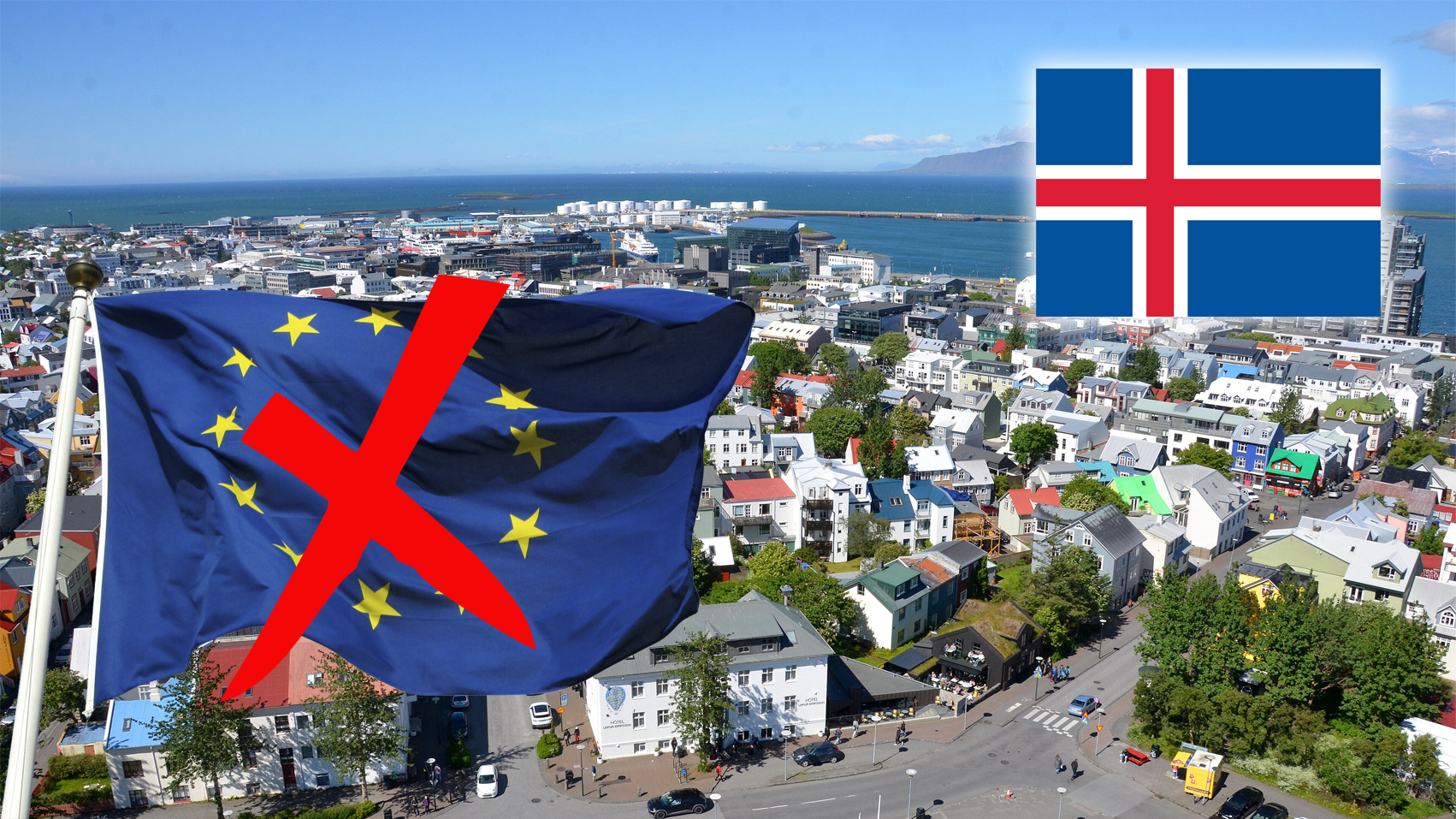
Voters in Iceland have rejected the proposal to resume the country’s membership negotiations with the EU. The ‘no’ side received about 52.5 percent of the votes, meaning the government has not been given a mandate to resume talks on Icelandic EU membership.
The referendum was held on Saturday and the vote count was close for a long time. On Sunday morning, however, it became clear that the ‘no’ side had taken the lead. By 9 AM, 52.5 percent had voted no and 47.5 percent yes, according to the Icelandic public service broadcaster RÚV.
The vote was not about direct EU membership, but rather whether Iceland should resume the membership negotiations the country started in 2010 but later halted. The result means that such a process will not be resumed for the time being.
Fishing a Central Issue
Fishing has been one of the most important issues during the campaign. Opponents of EU membership have warned that Iceland’s control over its fish stocks could be affected if the country were subject to the EU’s common fisheries policy.
National self-determination and agriculture have also been emphasized by the ‘no’ side. Iceland has a large fishing industry and control over the country’s territorial waters has long been a politically sensitive topic.
At the same time, opponents have pointed out that Iceland already has extensive cooperation with the EU. Through the EEA agreement, the country participates in the EU’s internal market, and Iceland is also part of the Schengen collaboration.
Security Policy Raised by the Yes Side
Those in favor of resuming negotiations have argued, among other points, that EU membership would strengthen Iceland’s position in an increasingly uncertain security situation.
The issue has become more topical following statements by US President Donald Trump about American control over Greenland. The ‘yes’ side has argued that EU membership could provide Iceland with greater political support if the country were subjected to similar pressures.
After the referendum, Iceland will continue its current cooperation with the EU, including participation in the EEA and Schengen. However, the issue of new membership negotiations has been set aside. Assessments ahead of the referendum indicated that it could take many years before the question becomes relevant again.