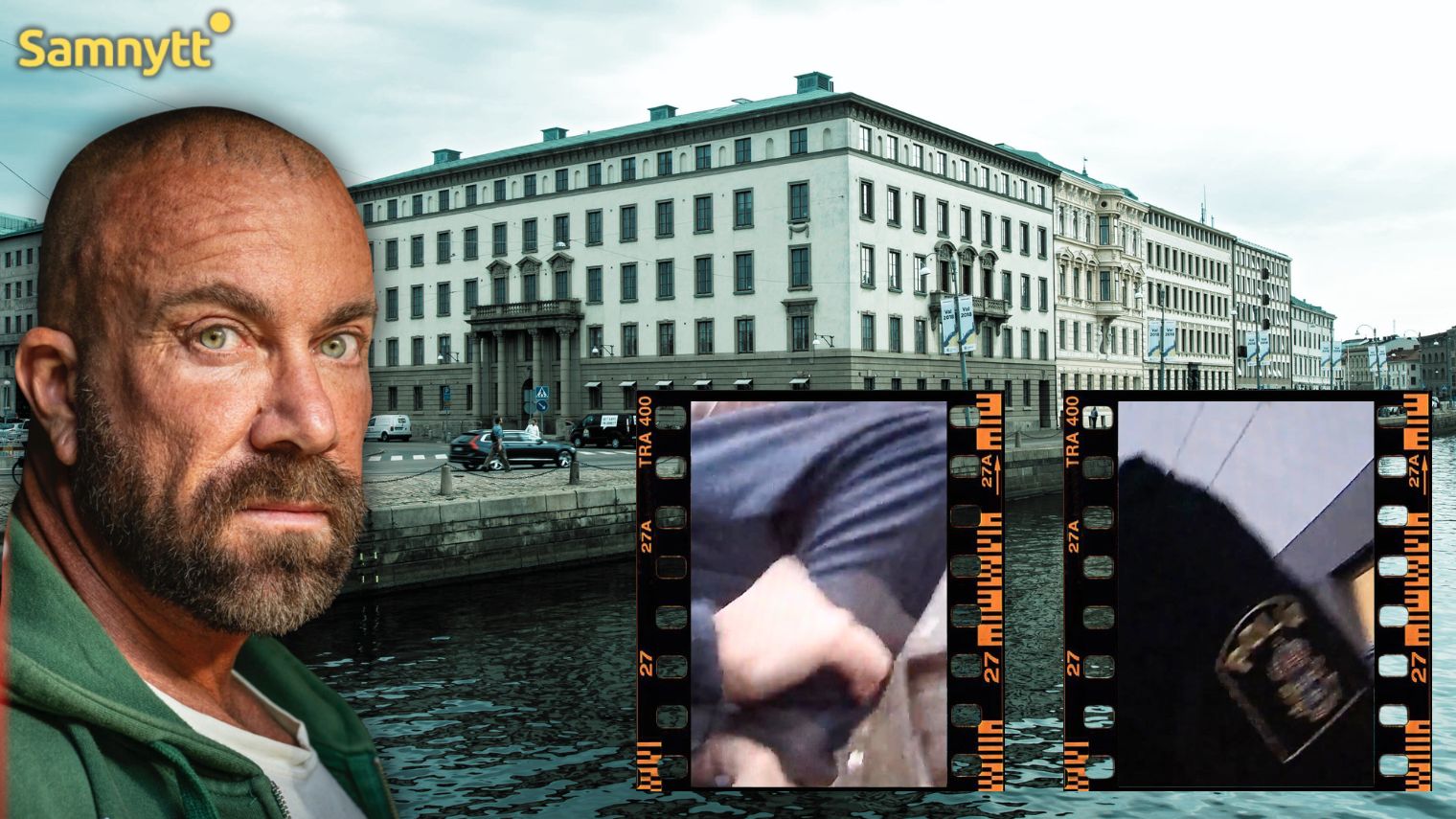
A Court of Appeal ruling against two police officers who intervened against a disruptive youth has sparked strong reactions and renewed focus on the line between forceful police actions and criminal behavior. Former Social Democrat MP Jan Emanuel responded by launching a fundraiser for the officers and voiced strong criticism against the verdict.
Two police officers in Kungsbacka have been convicted of harassment following an intervention against a 15-year-old youth at Kungsmässan in the autumn of 2024. The rulings have triggered a broad debate about the scope of police authority when dealing with unruly youth, and how the justice system views interventions aimed at maintaining public order.
Media personality and former Social Democrat politician Jan Emanuel has become deeply involved in the case and started a fundraising campaign to pay the police officers’ fines and damages. He argues that the rulings risk creating “fearful police officers,” thereby reducing public safety.
Intervention at Kungsmässan
The incident occurred on October 10, 2024 at Kungsmässan in Kungsbacka. According to the police report, a patrol was present in the shopping center due to disruptive behavior by youths.
The report states, among other things, that “disruptive youths” were addressed on site and that the 15-year-old, along with a companion, was later escorted away from the area.
The background was particularly sensitive. Just a few days earlier, the same police patrol had participated in the response to the widely reported shooting at Kungsmässan. The Court of Appeal also noted that the female officer admitted she was still affected by that event when she intervened against the youth.
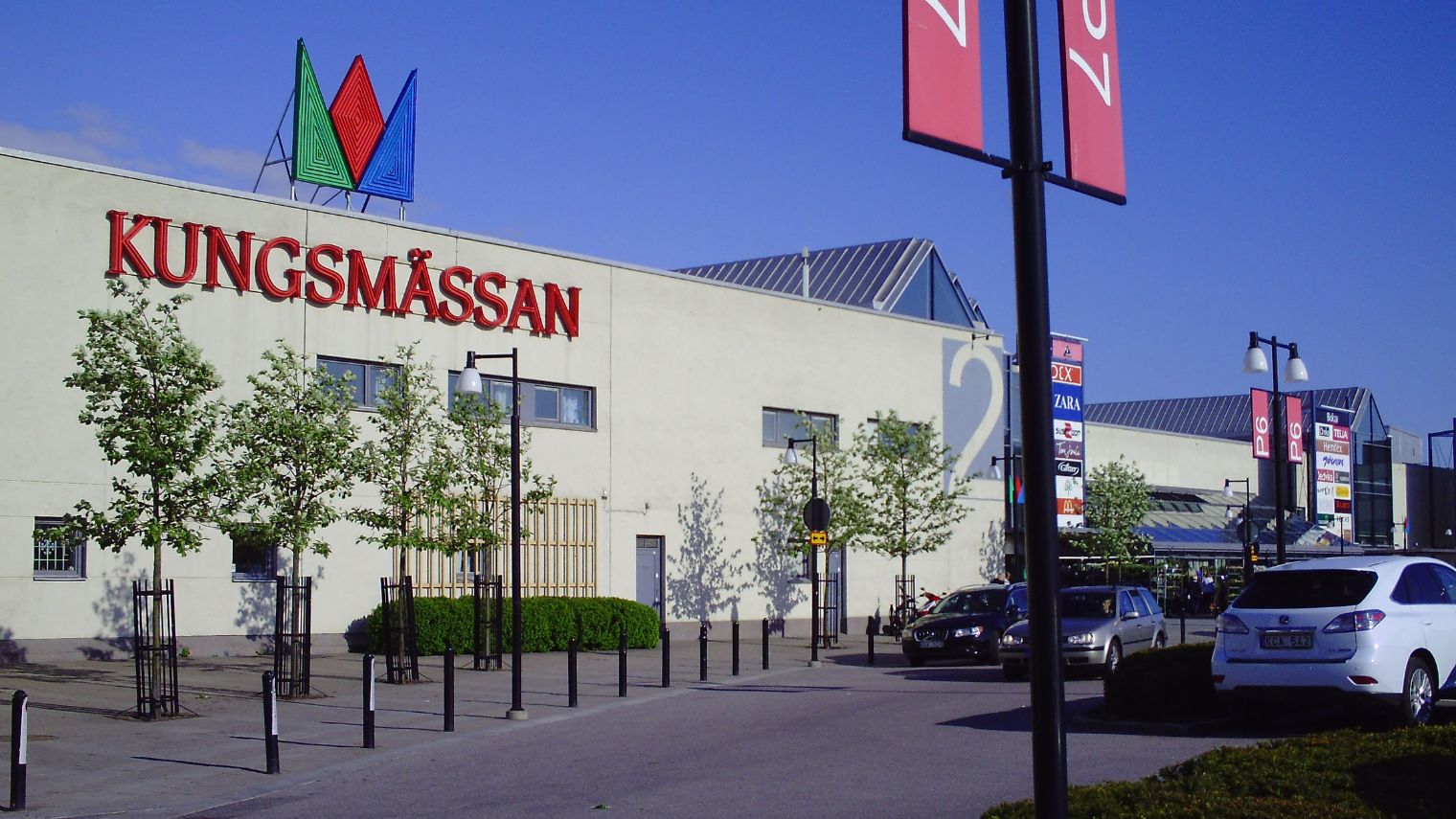
A security guard with over 20 years of service at Kungsmässan stated in the preliminary investigation that the youth had long been a well-known troublemaker at the location.
– He is a disturbance at Kungsmässan and has been for several years, the guard said in police questioning.
He also described the youth as “annoying,” “cheeky,” and “generally difficult,” and noted that security personnel had had to intervene against him before.
The witness described the first intervention as mostly undramatic. In his opinion, the youth was only taken down to the ground when he resisted as the police tried to remove him.
What the police officers were convicted for
The case centered on two separate interventions. A female police officer was convicted for grabbing the boy outside the shopping center, seating him on a bench, holding his wrist, and loudly reprimanding him for his behavior.
The Court of Appeal agreed with the District Court’s assessment that her actions constituted intentional harassment. The courts specifically focused on these statements:
– What’s your problem? Who are you to behave so badly? Do you understand? This isn’t your living room. You have no right to behave like this in public. Ordinary people should be able to go out shopping. Do you get that?
READ ALSO: African man suspected of killing police officer Christian
The male police officer, meanwhile, was acquitted by the District Court but later convicted by the Court of Appeal, which ruled it proven that he had taken the boy down to the ground and restrained him inside the shopping center. The court held that the youth’s resistance did not justify the use of physical force.
One of the remarks made during the intervention was: “You come here and scream in my face. Why do you do that?” The Court of Appeal therefore also convicted the male officer of harassment and set his penalty at 60 day-fines.

District Court: Corrective purpose did not justify physical actions
The District Court assessed the actions of the two officers differently. Regarding the female officer, it determined that the incident was documented by her body camera. According to the court, the situation was tense but neither threatening nor chaotic.
The court considered that she acted with a corrective intent, which did not justify the use of physical force. Seating the boy on the bench and restraining him was therefore judged as harassment.
The male officer, however, was acquitted. The District Court did not find that the prosecutor had proved his actions were criminally liable.
Court of Appeal overturns the verdict
In the Court of Appeal, the District Court’s conviction of the female officer was upheld. The Court of Appeal emphasized it understood that she was affected by the previous shooting at the same location, but found that her actions nevertheless constituted intentional harassment.
The main change came regarding the male officer. The Court of Appeal established that the youth was perceived as cocky and unwilling to cooperate, but there was no support that he hindered or complicated police work to a degree allowing for use of physical force. The court thus found that this intervention also amounted to harassment.
READ ALSO: Police murderer Sakariye Ali Ahmed sentenced to eight years in prison
At the same time, the Court of Appeal chose to limit the officers’ liability for court costs, finding that full compensation would be an excessively harsh reaction considering the nature of the offences.
Police officers’ defense: “We were just doing our job”
A central part of the debate after the verdict concerns how the officers themselves have described their actions. The male officer stated that he decided to remove the youth from the area and that the intervention was part of this process.
The Court of Appeal noted there was documentation supporting that such a decision had been made, but did not find it justified the actual “use of force” that occurred.
The female officer has explained that she reacted to the boy’s behavior and was still emotionally affected by the recent serious shooting at the same location just days before.
The officers themselves and their critics argue that both officers acted within their mandate to create order and safety in an environment plagued by recurring trouble with youths, where the police had recently been faced with a very serious violent crime.
Jan Emanuel: “Those who do right get punished”
No one has championed this perspective more vigorously than Jan Emanuel. The former Social Democrat MP and now public debater has taken the side of the convicted police officers and launched a fundraiser to pay their fines and damages.
– Those who do the right thing get punished, while those who do wrong get rewarded. So you have to act, he told Kungsbackaposten.
Jan Emanuel believes that the image circulated in the media omits important aspects of the background. He points out that according to the investigation the boy was known to both police and security guards and that several witnesses had described him as habitually disruptive. According to Jan Emanuel, it is crucial to see the intervention in its full context.
– This is not some little boy. This is a young man who has repeatedly behaved antisocially, Emanuel told Kungsbackaposten.
He also stresses that just days before, the police team had handled the widely reported shooting at the same location, giving them good reason to be extra vigilant.
“Creates fearful police officers”
At the core of Jan Emanuel’s critique is the view that the ruling risks influencing police behavior far beyond the individual case. He believes cases like this send the signal that police officers risk prosecution, fines, and damages even when trying to maintain order in public spaces. According to him, this results in police officers becoming more hesitant in situations where quick action may be required.
This reasoning is echoed by many of the officers’ supporters as part of what is seen as public common sense—that society needs police who dare intervene against trouble, threatening behavior, and disturbances before situations escalate, without fearing prosecution.
Jan Emanuel has expressed it as society having to choose between “order and stability” or “fearful police officers.” He argues that the result of these types of rulings is that officers wait longer to intervene, increasing risks to their own and the public’s safety.
He further contends that the officers “should get a pay raise and a diploma, not a reprimand.”
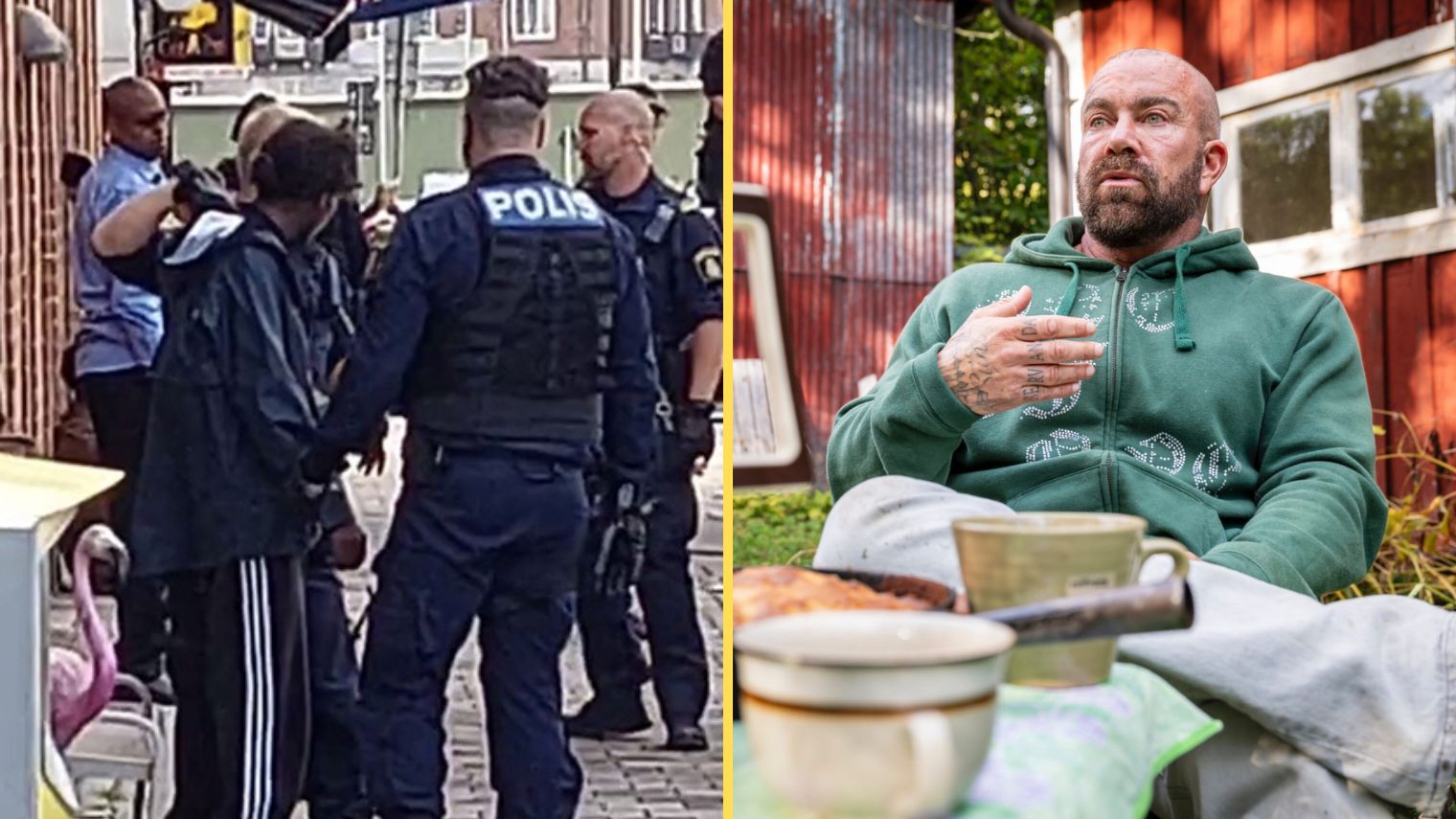
Criticism also directed at the prosecutor
Jan Emanuel has also directed harsh criticism toward Chief Prosecutor Jim Westerberg of the Special Prosecutor’s Office, who brought the charges. Westerberg has dismissed this criticism and emphasized that his duty is to investigate suspected crimes by police officers and to prosecute when he deems that evidence supports a conviction.
He has also stated that he is not surprised that the case has stirred strong emotions and widespread engagement. Still, he maintains that his role is more mechanical than responsive to public opinion or considerations about potential negative impacts of cases such as this on police work.
Westerberg argues that as a prosecutor he is obliged to press charges whenever he believes the prerequisites for a conviction exist. If there is a problem, he says, it is not with his official duty but rather with how the law is written.
The fundraiser quickly brought in money
Jan Emanuel’s fundraiser rapidly spread through social media. According to him, more money came in than was needed to cover the fines and damages, so the campaign was closed after a short period.
Emanuel describes the response as evidence of broad popular support for police perceived as standing up for law and order.
READ ALSO: From selfie-indictment to political battle – Jan Emanuel slams forced integration