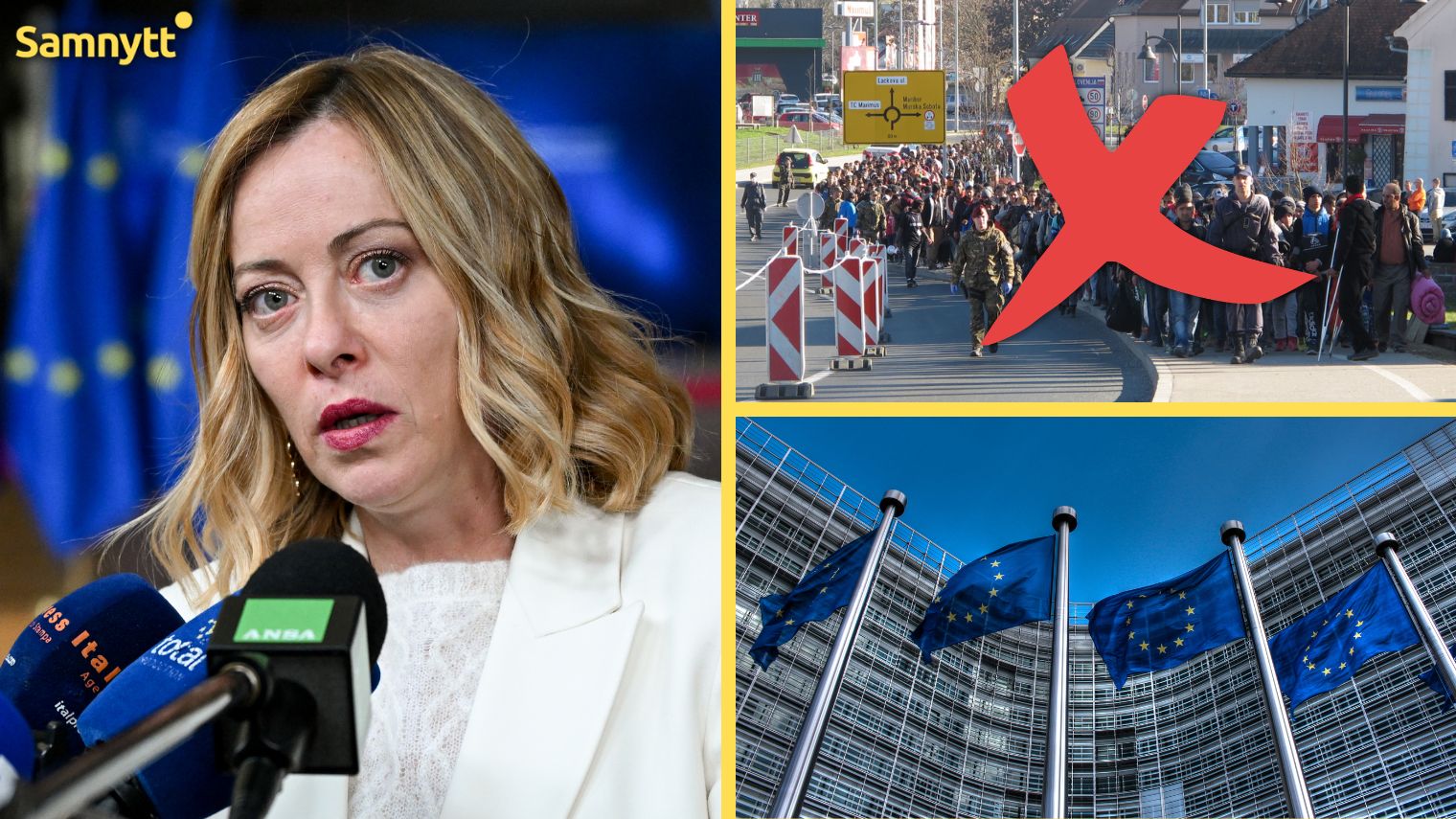
Italy has come into conflict with both the EU Commission and the German government after refusing to accept migrants whom Germany wishes to send back under the EU’s new common asylum system. Since the regulations came into force on June 12, the Italian government has rejected all twelve formal requests from Germany for return.
According to the European Commission’s first evaluation of the new system, Italy has not yet carried out the transfers required by the rules. The Commission notes that the country has prepared for the new framework but that concrete measures are needed for the transfers to take place in practice.
The German Interior Minister Alexander Dobrindt stated as recently as late 2025 that he had reached an agreement with both Italy and Greece that these countries would take back migrants who first arrived there before traveling on to Germany. However, Italy’s actions indicate that no such agreement is being implemented in practice.
READ ALSO: Europe is Changing Demographics – But Politicians Still Talk About Integration
Since Prime Minister Giorgia Meloni took office in autumn 2022, her government has made substantially reducing illegal immigration one of its top political priorities. The government has combined closer cooperation with North African countries, tougher measures against human traffickers, stricter control of the Mediterranean, and a more restrictive approach toward rescue ships operated by NGOs.
At the same time, Meloni has advocated for handling asylum applications to a greater extent outside EU territory. A high-profile example is the agreement with Albania, where Italy has built reception and detention facilities for migrants picked up in the Mediterranean.
The government has described this model as a way to reduce irregular migration and undermine the business model of people smugglers.
Sharp Decrease in Arrivals
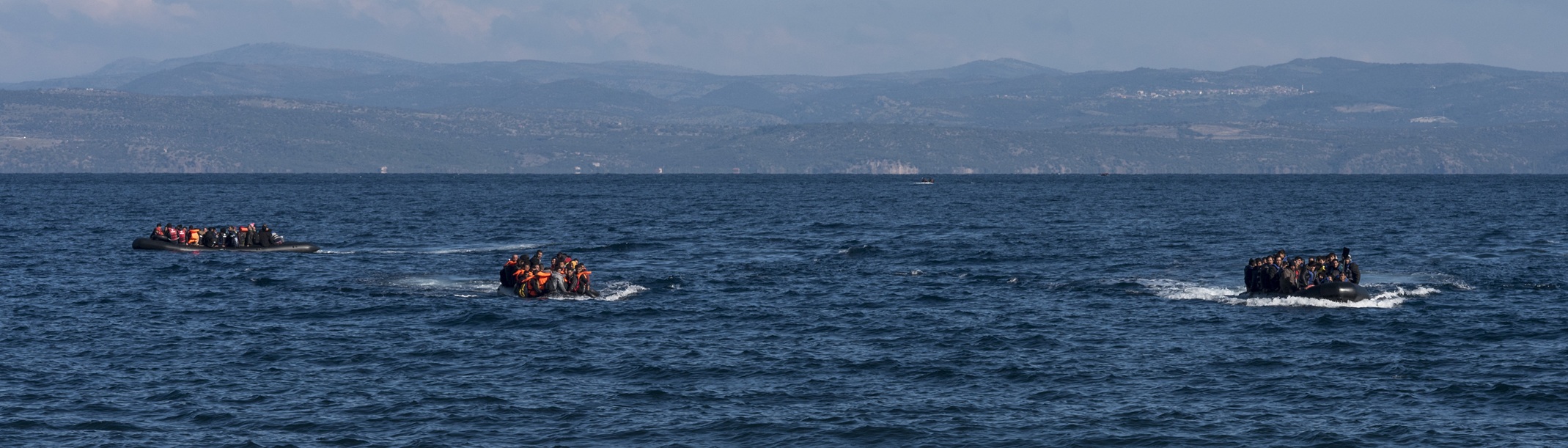
During Meloni’s time in office, the number of illegal migrant arrivals across the central Mediterranean has decreased significantly compared to the peaks of previous years.
The latest figures from the UN refugee agency UNHCR show that 14,388 people arrived by sea to Italy in the first six months of this year. This is a decrease of 48 percent compared to the same period in 2025, when just over 30,000 people arrived.
Even compared to the very high levels in 2023 and earlier years, the flow is significantly lower, something Meloni’s government highlights as evidence that its migration policies have had an effect.
Part of a Broader European Conflict
The conflict between Rome and Brussels illustrates the growing tension over how the EU’s new migration pact should be implemented. The framework is based on the principle that member states should share responsibility for the asylum process and that people who have traveled onward within the Union can be sent back to the first EU country where they were registered.
The EU Commission believes that member states must comply with these rules for the system to function. The Italian government, however, has continued to prioritize its national migration policies and has so far shown no willingness to begin accepting the migrants Germany wishes to transfer under the new rules.
READ ALSO: How Many Millions Have Migrated to Europe