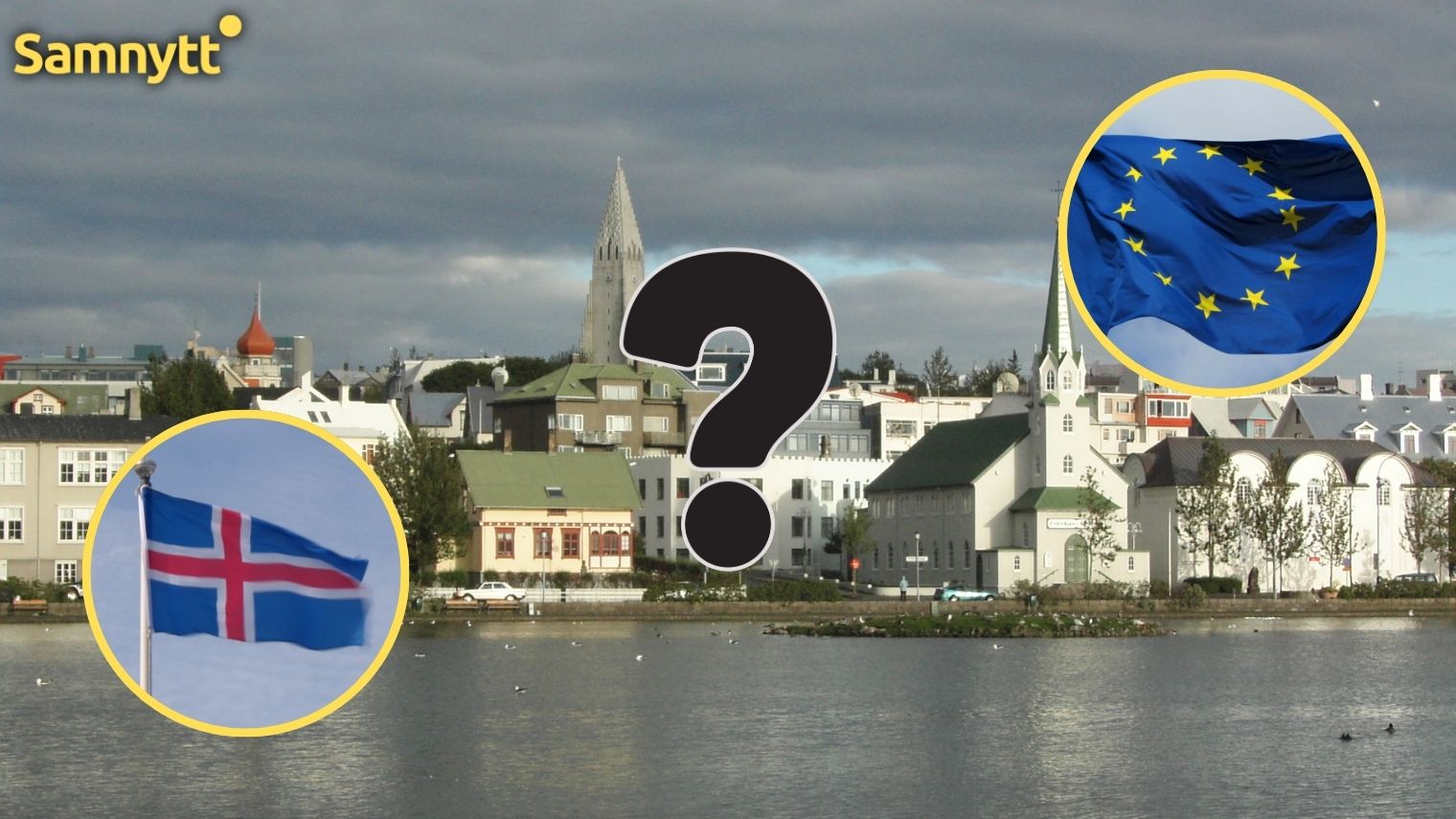
Iceland is facing a crossroads that could have major significance for the country’s future relationship with Europe. On August 29, Icelanders will vote on whether the country should resume the EU membership negotiations that were suspended over a decade ago.
If the voters say yes, however, it does not mean immediate EU membership, but only that talks with Brussels can be resumed. Any eventual membership agreement would later have to be approved in a new referendum.
Iceland applied for EU membership following the 2008 financial crisis, and negotiations began in 2010. The process was halted in 2013 when a more EU-skeptical government took office. Since then, the issue has been repeatedly debated, but only under the current government, led by Prime Minister Kristrún Frostadóttir, has a new attempt been made to put the issue back on the political agenda.
Behind the renewed interest are both economic and security policy arguments. Proponents argue that EU membership could strengthen Iceland’s position in an increasingly uncertain world, particularly as the Arctic region gains greater strategic importance.
SEE ALSO: Five EU countries want to limit new member countries’ influence
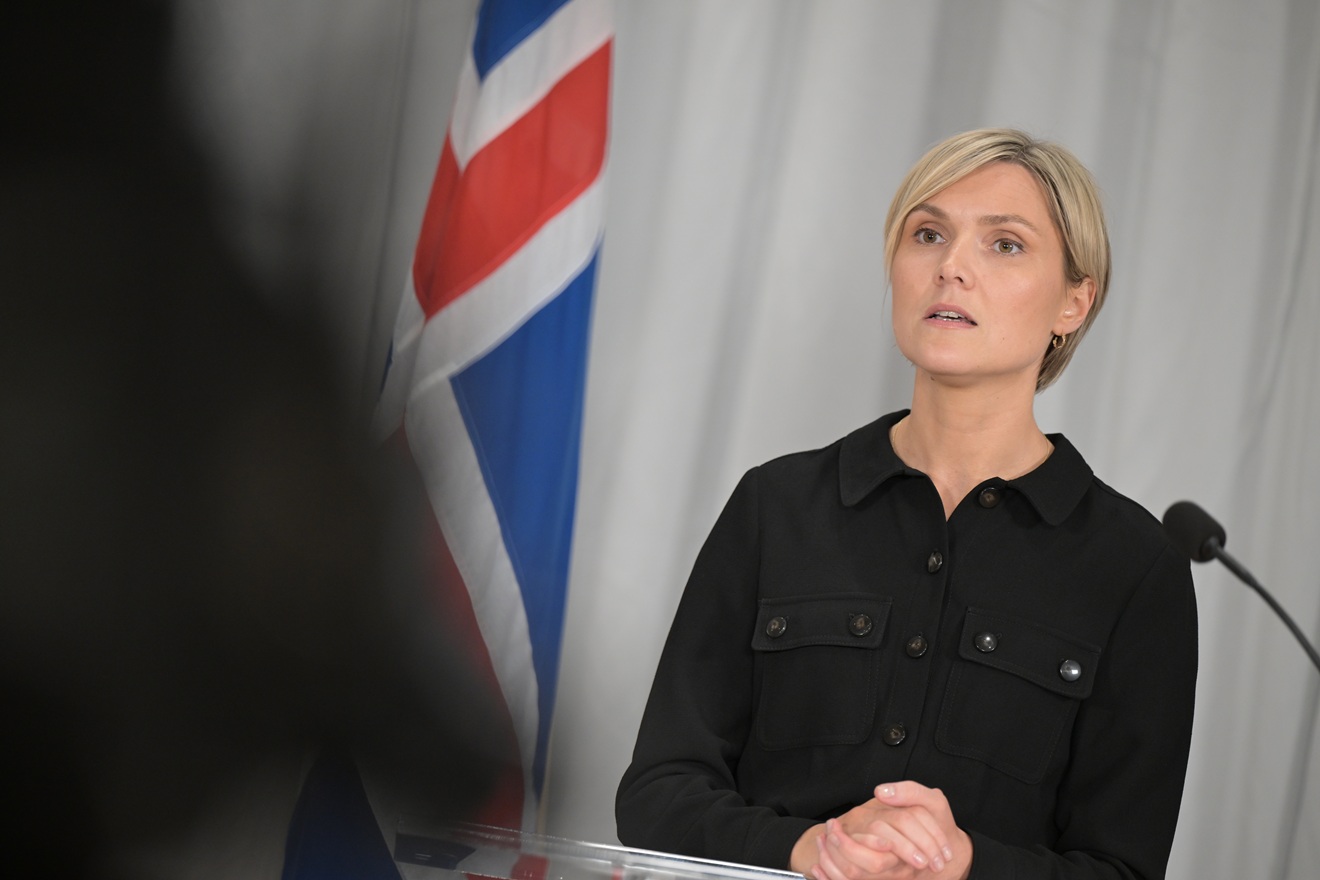
Iceland’s Finance Minister Daði Már Kristófersson has argued that membership would benefit both the country’s economy and security and provide stronger protection for a small country in a time of growing trade conflicts and geopolitical tensions.
The government has also pointed to developments in the North Atlantic as a driving factor behind the decision to hold the referendum this year. The discussion has intensified after increased security policy tensions in the region and the debate over the USA’s interest in Greenland. Several leading politicians have argued that Iceland needs to review its long-term position in a rapidly changing world.
National Sovereignty and Independence
Opponents, on the other hand, warn that moving closer to the EU could mean Iceland loses control over important national issues. Fisheries policy, in particular, has long been a sensitive issue. The fishing industry is one of the country’s most important sectors, and many fear that the EU’s common fisheries policy would restrict Iceland’s self-determination over its fishing waters.
Issues of national sovereignty and independence also play a central role in the debate. Iceland only became an independent republic in 1944, and many see national independence as a fundamental part of the country’s identity.
Divided
Opinion polls show a divided electorate. Some surveys point to a lead for the yes side when it comes to resuming negotiations, while others indicate a majority against future EU membership.
Many voters are reported to still be uncertain and are weighing economic benefits against the risks of losing national influence.
The outcome of the referendum is therefore expected to be close. A yes would open the door to new talks with Brussels and potentially pave the way for Icelandic EU membership later in the decade. A no would likely put an end to the issue for the foreseeable future and confirm Iceland’s current position outside the union, while the country continues to participate in the European single market through the EEA agreement and in the Schengen cooperation.
SEE ALSO: EU ruling: Brussels’ values trump national self-determination