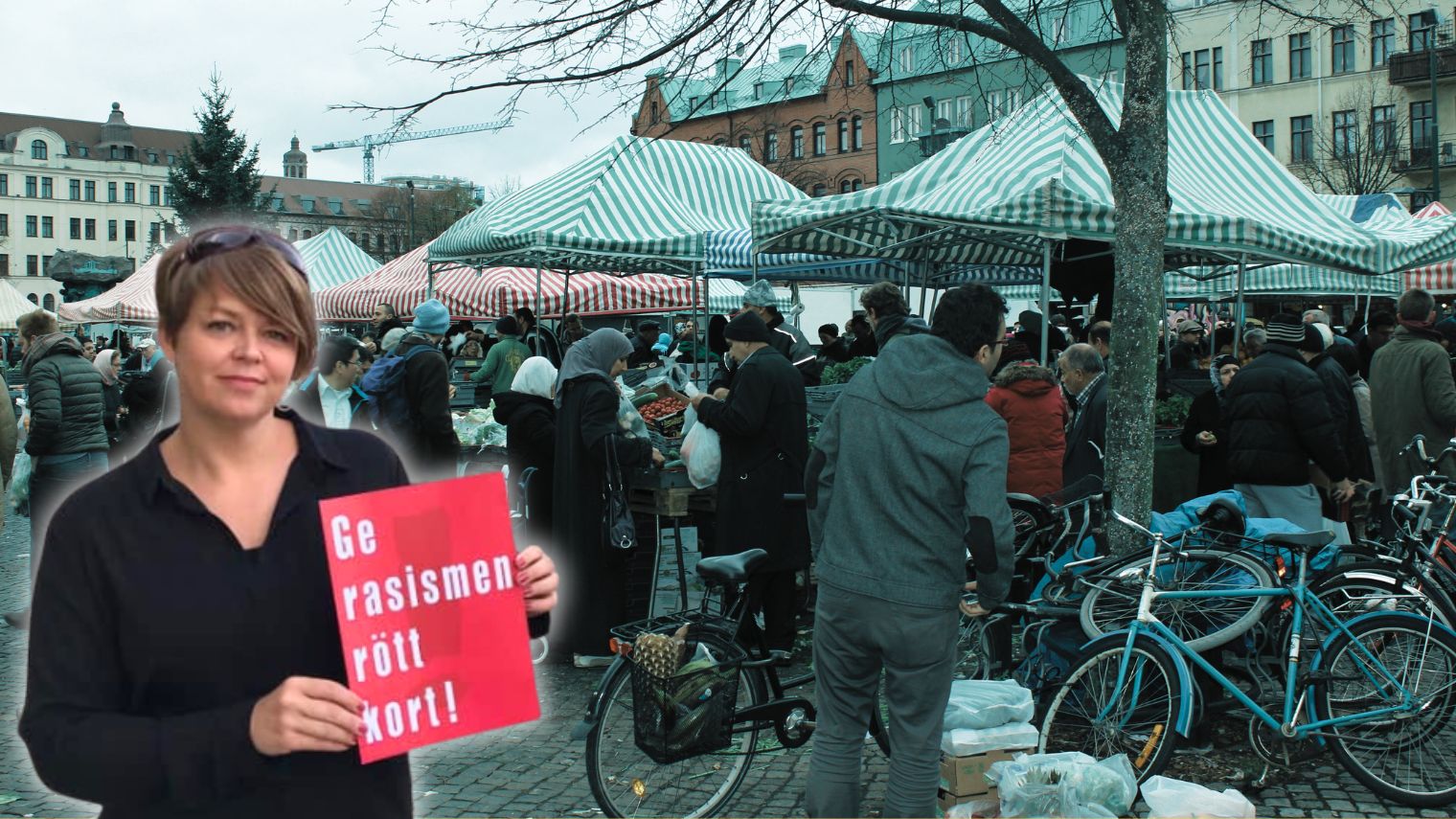
In Sweden’s least Swedish municipality, enormous yearly costs for interpreters are distributed across the city’s administrations. Samnytt has reviewed the figures and the sums that taxpayers are forced to cover. Meanwhile, the Sweden Democrats (SD) in Malmö are presenting a new election pledge.
In 2018, the new Administrative Procedure Act (förvaltningslagen) came into force. It requires authorities to use interpreters and translate documents if needed so that individuals can enforce their rights. The rule applies to people who do not speak Swedish, but also to individuals with certain disabilities.
In Malmö, where ethnic Swedes are a minority, the interpreting sector is lucrative. In a 2024 motion to the city council, the Sweden Democrats criticized the costs and wanted the municipality to investigate whether AI-based translation and interpreting could replace parts of the operations. The motion mentioned, among other things, that the Labor Market and Social Board alone had interpreter costs of 12.7 million SEK in 2023.
In recent years, the issue of interpreters has become a recurring political conflict. Sweden Democrats, Moderates, and several other parties have argued that people who have lived in Sweden for a long time should in some cases pay part of the interpreter cost themselves. Similar proposals have been put forward in the national parliament, citing rising costs for authorities, healthcare, and social services.
READ ALSO: Echoing emptiness in Malmö’s schools during Muslim holiday
Opponents argue that such fees risk making people refrain from contacting authorities or seeking care, thereby undermining legal security.
In a 2024 motion, Eric Palmqvist (SD) argued for an overhaul of the regulations on interpreting services. Among other things, he wrote that the Administrative Procedure Act creates an extensive right to an interpreter and that publicly funded interpretation services amount to several billion SEK annually. Formally, the motion concerned the possibility to charge individuals who miss booked interpretation sessions.
Both in 2023 and 2024, the Social Democrats submitted motions to protect the right to an interpreter within healthcare. These motions refer to discussions in the Tidö Agreement about limiting interpreting services, and argue that access to interpreters is a prerequisite for patient safety and equal care.
This is What the Costs Look Like
Samnytt has requested figures from all Malmö city administrations.
The Property and Street Office, City Planning Office, and City Audit are the only committees that have not had any costs for interpreting services during the past year.
The Numbers
Labor Market and Social Administration: 18.4 million
Compulsory School Administration: 5.6 million
Health, Care and Welfare Administration: 1.3 million
Disability Support Administration: 1.1 million
Preschool Administration: 840,000
Upper Secondary and Adult Education Administration: 465,000
Culture Administration: 120,000
Recreation Administration: 49,000
Service Administration: 32,000
Environmental Administration: 4,000
The total sum comes to nearly 28 million SEK for 2025.
In some cases, part of the cost concerns sign language interpreting, but where such details are reported, this constitutes a very small portion of the total amount.
READ ALSO: How much interpreters in healthcare cost taxpayers
Compared to the Sweden Democrats’ figures for the Labor Market and Social Board with 12.7 million SEK for 2023, 18.4 million is a sharp increase in just a couple of years.
SD: Interpreter Fees as Election Pledge
The costs are not news to SD Malmö, which has long tried to highlight the unreasonableness of millions being spent year after year. Magnus Olsson is the opposition councilor in the city.
READ ALSO: Court blocks SD’s interpreter fee in healthcare
“In my view, Malmö’s welfare is underfunded. Not because of a lack of money or resources, but because the Social Democratic leadership year after year squanders our tax money. 28 million on interpreter costs is far too much. 28 million is needed for Malmö’s children, youth, and elderly,” he tells Samnytt and continues:
“I think everyone can agree that a newly arrived immigrant can initially be offered interpreter support, especially in cases of acute illness or when a family has various problems. There is no lack of efforts or educational opportunities for immigrants who want to learn Swedish in Malmö. The longer society offers free interpreter services, the longer it will take before a newly arrived immigrant learns Swedish. That’s why we want to introduce interpreter fees for people who have immigrated and need interpreting.”
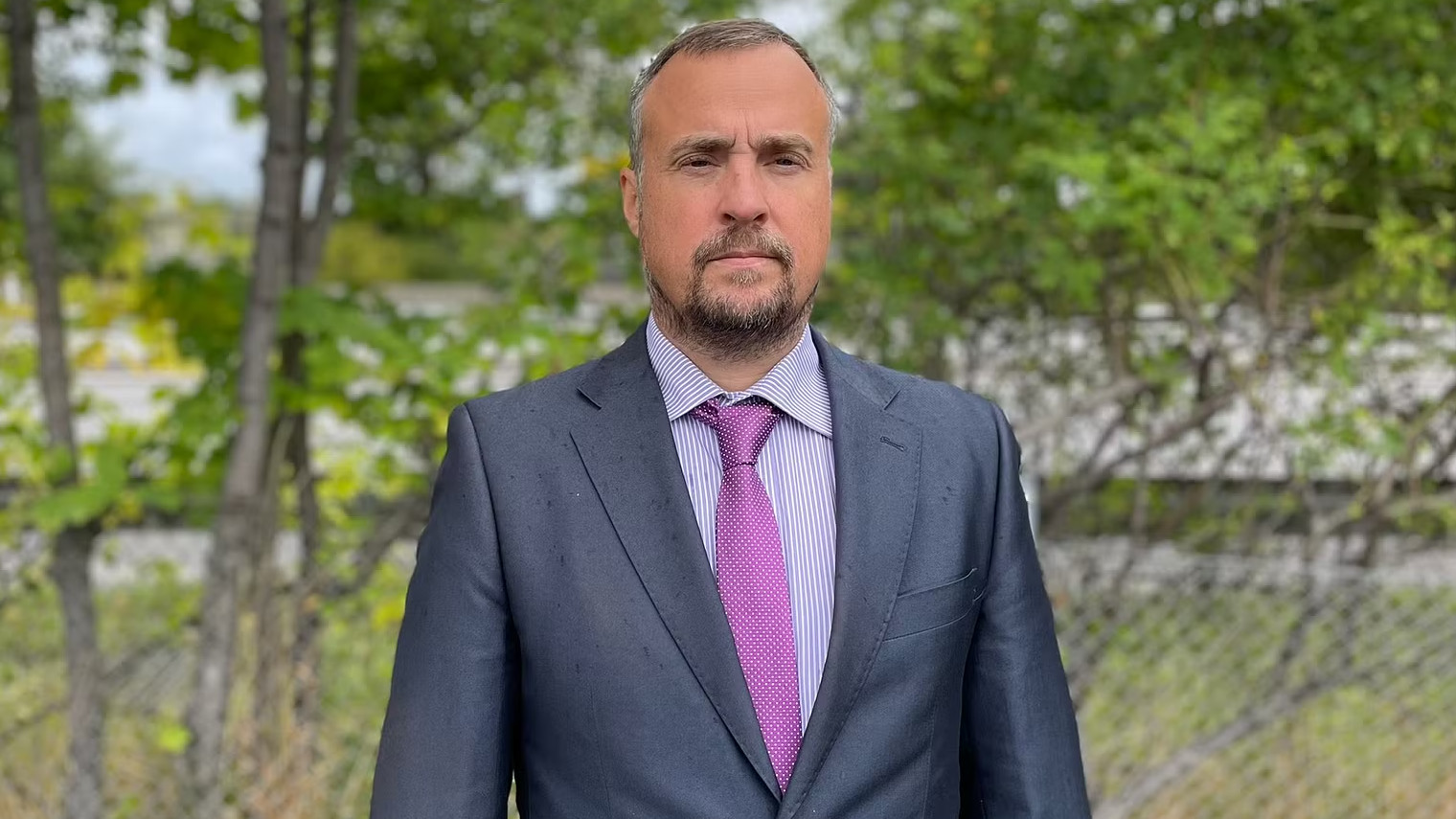
According to Olsson, as a newcomer to Sweden, you must quickly learn Swedish but also understand that money does not grow on trees. He also notes that only SD is pushing the issue of interpreter fees.
“I would argue that there are many in Malmö who have made it routine to request an interpreter. A luxury that the rest of us law-abiding citizens must pay for. This has to end and that will also be an election promise.”
Malmö’s Transformation
Until the post-war period, Malmö was a very homogeneous city, where almost the entire population was born in Sweden with a Swedish background. In the 1950s, 60s and 70s, labor migration—mainly from Finland, Denmark, Yugoslavia, and other European countries—came to the city’s industries and shipyards. From the 1980s onward, migration gradually changed and increasingly consisted of refugee and family reunification migration from the Middle East, the Balkans, Africa, and Asia.
Today, Malmö is one of Sweden’s most international cities. About 36 percent of residents are foreign-born, and people from 187 different countries live in the municipality. The largest groups among the foreign-born come from Iraq, followed by Syria, Denmark, the former Yugoslavia, Poland, and Bosnia-Herzegovina. Other significant groups include Afghanistan, Lebanon, and Iran. Iraq is the most common country of birth outside Sweden, with just over 11,000 residents born there, while over 9,500 were born in Syria.
According to Statistics Sweden (SCB) figures on background, around 41 percent of Malmö’s population in 2025 had a Swedish background, meaning they themselves are born in Sweden with two Swedish-born parents. The remaining approximately 59 percent had some form of foreign background, either being born abroad or with at least one foreign-born parent. This means Malmö is today the city in Sweden with the highest proportion of residents with a foreign background.
READ ALSO: Malmö Police: “We want to wish everyone fasting Ramadan Mubarak”