Earlier in August, Samnytt reported about a multicultural gang that robbed a Swedish student in Falun at the end of last year. Although all the perpetrators already had prior convictions—among others for drug crimes, aggravated assault, and violent resistance—none of them received a prison sentence. Instead, they were sentenced to continued youth care and community service.
We can now reveal more about the Africans’ migration histories, where they were repeatedly denied residency before finally being granted a permit—and then Swedish citizenship in record time.
We can also reveal the identity of the fourth perpetrator.
The four who on December 12, 2025, robbed, assaulted, and threatened the life of the Swedish university student outside Kaserngården in Falun were Yonis Said Farah, 18, Abdishakur Said Ibrahim, 18, Sam Simpihwe Rosenlund, 18, and the now added Devin Eriksson, 17.
All lived at the HVB home Indomi in Falun. Farah and Ibrahim immigrated from Somalia, while Rosenlund was born in South Africa.
Farah has previously been convicted of drug offenses and minor drug offenses. Ibrahim has prior convictions for violent resistance, drug offenses, and three cases of minor drug offenses.
Rosenlund has previously been convicted of six counts of assault, one of which was aggravated, reckless endangerment, five counts of drug offenses (four minor), and violence against an official. Eriksson was previously convicted for threats against an official and minor drug offenses.
Eriksson was convicted of threatening to headbutt a police officer while under the influence of cannabis and cocaine.
READ MORE: African gang robbed and battered Swedish student under death threat—AVOIDS PRISON
The student was hit in the head, pushed down, and kicked in the ribs, body, and head, while the gang demanded his phone’s code and Apple ID. They threatened to drag him into the forest and kill him, and the phone was stolen.
– Log in or we’ll fucking kill you, the student recounted the gang saying during the robbery.

The student himself described in interviews the panic that arose after the brutal robbery assault.
– So, right after, I panicked. I cried…, he said in questioning.
Tracks in the snow led police to the HVB home, where the phone was found outside Ibrahim’s window. Shoeprints—which matched the perpetrators’ shoes—linked the four to the scene.
READ MORE: Ayub threw a hand grenade into a villa, killing the family’s dog—avoids prison
Migration history: Denied, denied, denied
The Somali Yonis Said Farah’s migration history is a long string of rejections that eventually turned into an approval. He also became a Swedish citizen during the Löfvén government—in record time—barely two months after applying.
According to the migration court’s ruling, which denied the appeal for residence, Farah’s parents had lied to the Migration Agency by claiming Farah was their joint child; a DNA analysis with his brother showed they only shared the same mother.
For this reason, the court ruled his identity could not be established and no residence permit was granted. However, a year later the Migration Agency reversed its previous decision and granted him residency.
Yonis Said Farah
2011-10-12 Application for residence permit
2011-12-13 Application for residence permit denied
2012-01-03 Decision appealed to the migration court
2012-07-02 Migration court overturns decision and returns the case to the Migration Agency for new review
2012-12-21 Application for residence permit
2013-01-23 Application for residence permit denied
2013-02-11 Decision appealed to the migration court
2013-06-24 Migration court rejects the appeal
2013-08-19 Application for residence permit
2014-06-11 Application for residence permit granted
2018-02-05 Application for Swedish citizenship
2018-04-05 Swedish citizenship granted
The second Somali, Abdishakur Said Ibrahim, has a migration history following the same pattern. A wave of rejections before approval.
According to the migration court’s ruling denying his appeal for residence, Ibrahim’s alleged father could not prove he was related to the children.
The court also found that the mother and children had not proven their identities through documentation or other evidence. But a year later the Migration Agency reversed course again—and granted him residency.
Abdishakur Said Ibrahim
2010-06-28 Application for residence permit
2010-10-28 Application for residence permit denied
2010-11-16 Decision appealed to the migration court
2011-02-11 Migration court overturns decision and returns the case to the Migration Agency for new review
2011-06-14 Application for residence permit denied
2011-07-01 Decision appealed to the migration court
2011-12-14 Migration court rejects the appeal
2012-03-22 Migration Supreme Court denies leave to appeal
2012-07-19 Application for residence permit
2012-12-05 Application for residence permit granted
2017-02-09 Application for Swedish citizenship
2018-02-21 Swedish citizenship granted
READ MORE: Alsadaani and Dogan assaulted Swedish boy—avoid prison
Thanking Sweden by robbing a Swede
Despite repeated rejections from both the Migration Agency and the migration courts, they remained in Sweden, eventually received residence permits, and then citizenship in a short time.
That is why they cannot be deported. Now—after being convicted of robbery assault under death threats against a Swedish student—they also avoid prison.
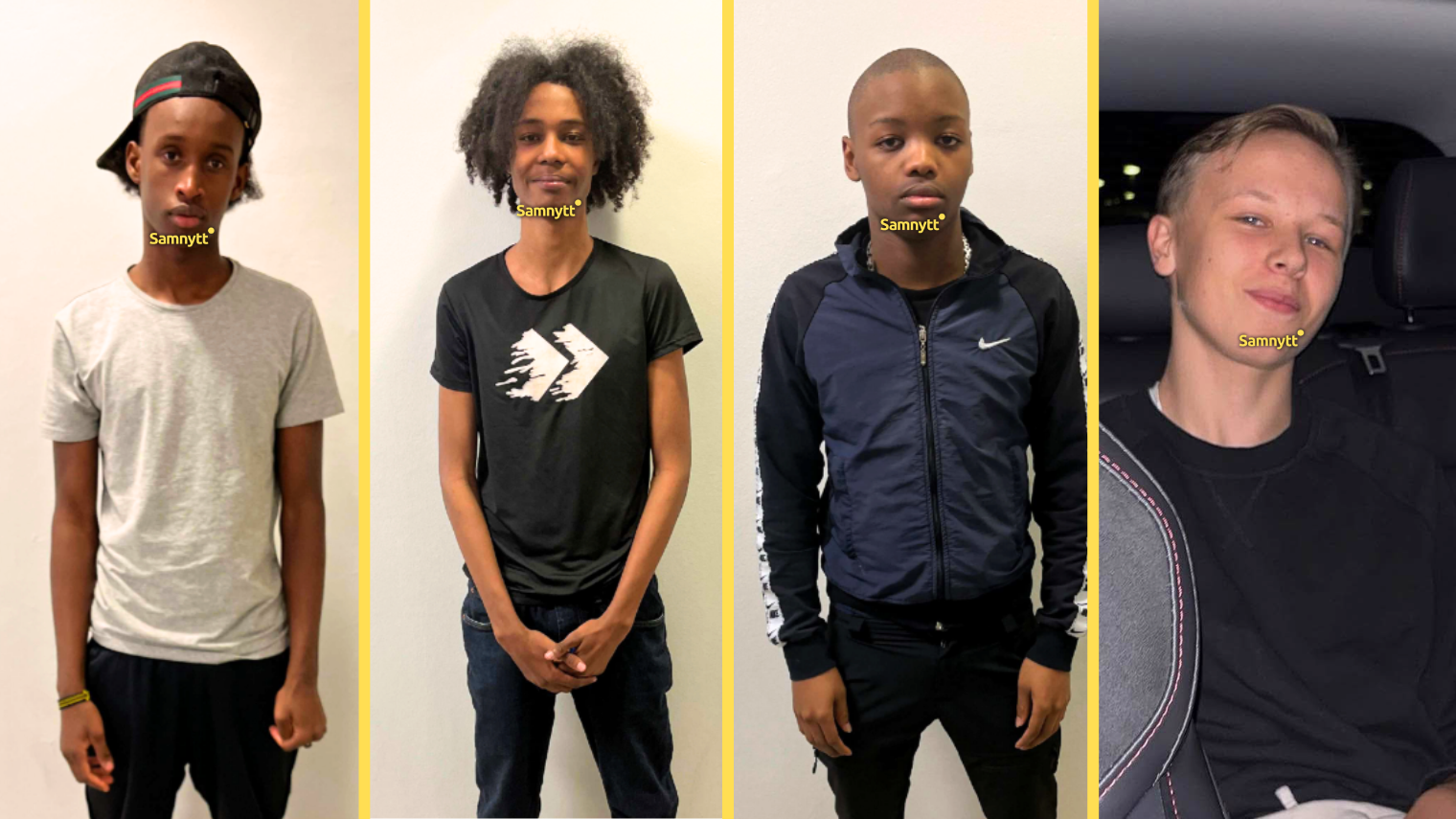
The court’s assessment was that the crime was proven and that they acted together and in concert. Nevertheless, the punishment was not prison—but youth care, and youth care plus community service—after the social board deemed them suitable for it.
The fact that they had already received the same sentence previously—with no effect—was not addressed by the court.
The case illustrates how Swedish migration policy has worked in recent decades, where repeated denials can quickly turn into approvals, and where residence permits can turn into citizenship in record time.
READ MORE: Bilal and Nima raped disabled girl in public toilets—avoid prison