Return migration is to be prioritized more highly than before as the government now decides on the Migration Agency’s appropriation directions for 2026. With more detention places, closer cooperation between authorities, and increased efforts for voluntary return, the government wants to see more deportation decisions enforced.
The government has made a decision on the Migration Agency’s appropriation directions for 2026, where a clear main line is established: more people who lack the right to remain in Sweden must leave the country. The focus is both on making forced returns more efficient and on strengthening incentives for voluntary return migration.
Return Migration at the Center of Governance
In the government’s direction for next year, return work is identified as the highest priority. To achieve the goal, a more coordinated effort between several authorities is required, according to the government. The Swedish Police Authority is therefore tasked with immediately ramping up its targeted efforts to identify people residing in the country without permission.
READ ALSO: Migration Agency: New laws reduce the number of asylum seekers
At the same time, the Migration Agency is to work more strategically with the use of detention places—a tool considered central to ensuring that deportations can be carried out. The authority is also to plan a rapid expansion of detention capacity, aiming to reach 1,000 places by 2029 at the latest.
– Since the government took office, returns have increased by more than 60 percent. This shows that our work is delivering results. With the government’s policies, Sweden will next year have the toughest regulatory framework for deportations on criminal grounds in all of the Nordics, says Minister for Migration Johan Forssell, emphasizing the Migration Agency’s key role in enforcing decisions made.
Order, Consequences and Clearer Signals
The importance of order and consistency in migration policy is also emphasized by the parliamentary parties supporting the government. The Sweden Democrats’ migration policy spokesperson Ludvig Aspling highlights the significance of actually locating more people who lack the right of residence.
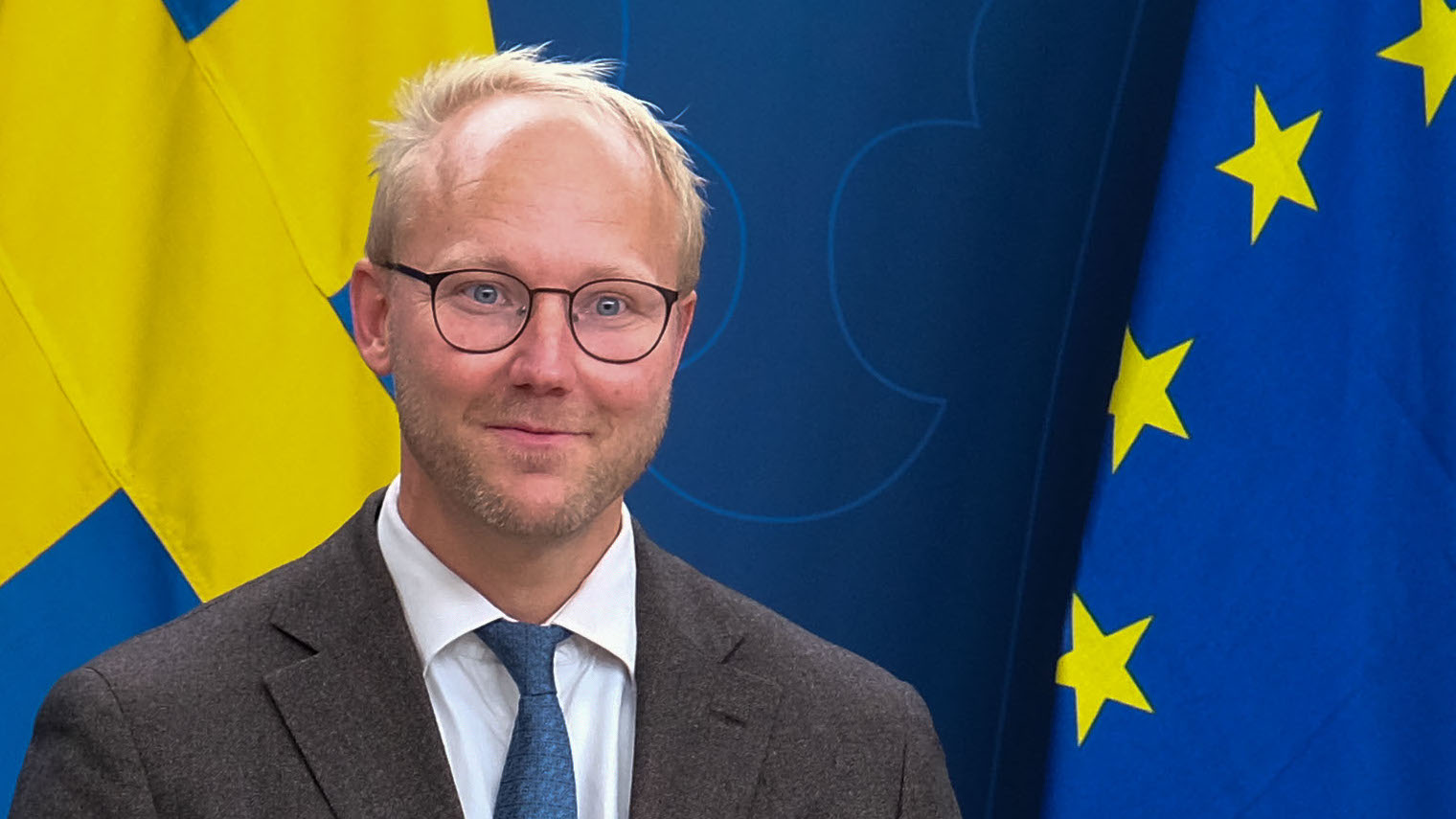
– Ensuring that those who lack the right to stay in the country are found and deported promptly is one of the most important migration policy measures, he says, underlining the central role of detention places in that work.
READ ALSO: INTERVIEW: SD leader talks about the new immigration rules – “Now we’re saying stop here”
He also emphasizes that information campaigns regarding voluntary return should continue and be reinforced, especially targeted at foreign-born individuals who have not established themselves in Sweden.
Stronger Support for Voluntary Return
The appropriation letter also includes several measures to make voluntary return more attractive. From January 1, 2026, the return migration grant will be significantly increased. The Migration Agency is tasked with cooperating with the national coordinator for voluntary return and intensifying the dissemination of information about the possibility to return on one’s own initiative.
READ ALSO: Confirmed: This is how the return migration grants will look
Similar information assignments are given to several other authorities, including the Public Employment Service, the Police Authority, the Social Insurance Agency, and the Prison and Probation Service, to reach more affected people.
At the Same Time, Open to Labor Force
Despite the stricter approach on returns, the government underscores that Sweden should remain attractive for workers who contribute to society, albeit with stricter requirements to prevent abuse. The Christian Democrats’ migration policy spokesperson Ingemar Kihlström highlights the balance in the assignment.
– Through the appropriation letter, the Migration Agency is among other things tasked both with a greater focus on returns but also to promote highly qualified labor immigration, he says.
READ ALSO: The Government and SD toughen requirements on labor migrants
The Liberals also emphasize the combination of clarity and openness. According to the party’s migration policy spokesperson Patrik Karlson, the new approach is about combating social exclusion, while at the same time Sweden should welcome those who work and contribute.
– A no should mean a no. At the same time, Sweden should be open to people who work, educate themselves, and contribute to our society and our competitiveness, he says.
More Assignments for the Migration Agency
The Migration Agency receives several assignments for 2026. The authority is to continue to promote highly qualified labor immigration, propose a time-limited voluntary return program for people from Ukraine with temporary protection, and develop an information leaflet about citizenship ceremonies to increase participation.
All in all, through the appropriation letter, the Tidö parties want to underscore a continuing, clear shift in migration policy, where return, control, and long-term sustainability are at the center—while the door remains open to labor force that strengthens Sweden’s competitiveness.