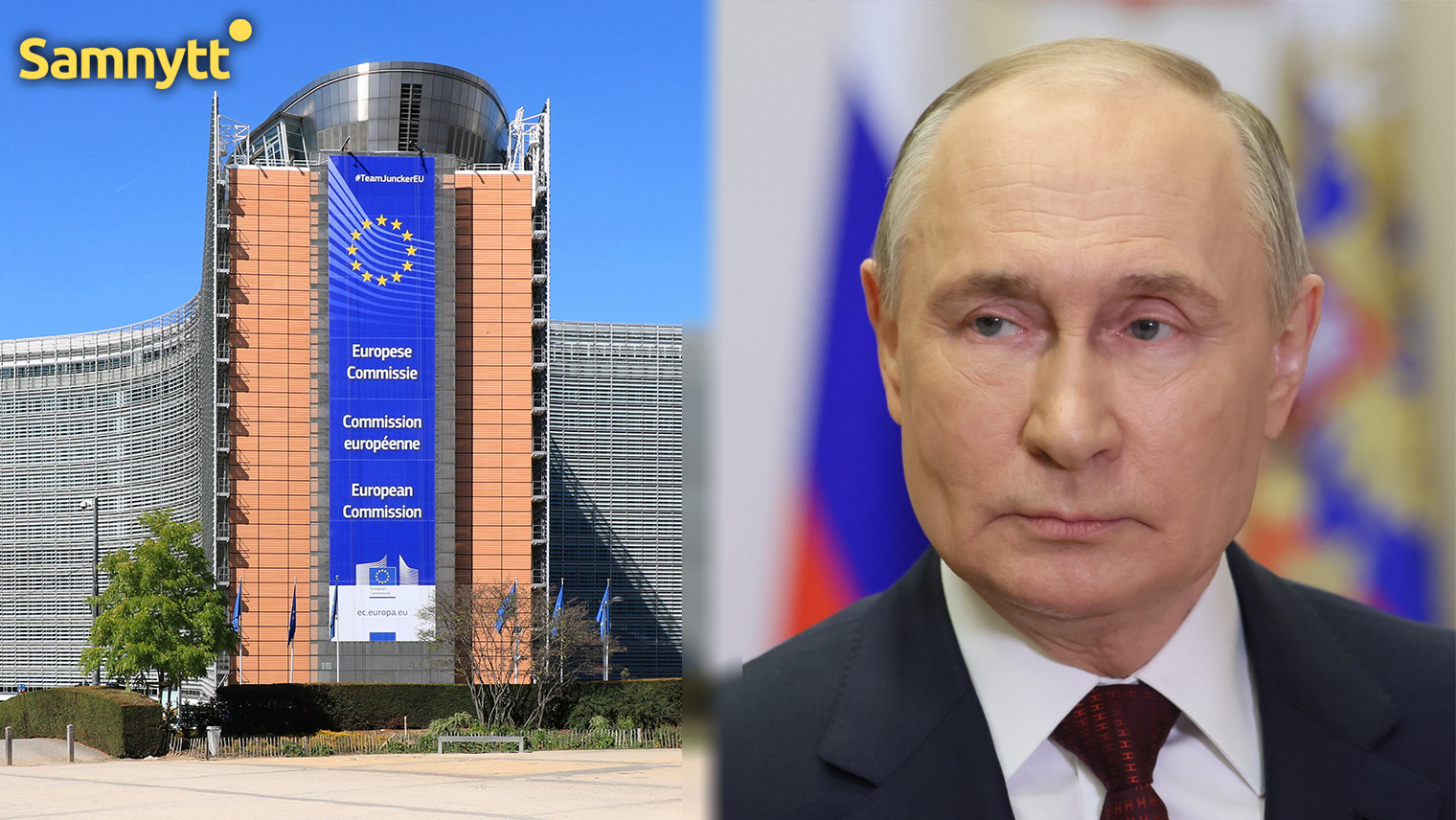
Support for the EU has never been as strong as it is now, according to the EU’s own Eurobarometer survey. Proponents of a more federal Europe see this as evidence that citizens want to grant Brussels more power. But a closer look reveals that public opinion is largely driven by heightened fears of war, geopolitical conflicts, and above all, the perceived threat from Russia. Increasingly, people are convinced that supranationalism is the main guarantee of security.
Historically, the EU integration process has often gained momentum in the wake of crises. The financial crisis led to increased economic coordination. The Covid-19 pandemic opened the door for joint borrowing. Russia’s invasion of Ukraine marked the beginning of extensive investments in a common defense and security policy. Federalists have been successful in using crises to advance their positions.
The latest Eurobarometer surveys—conducted on behalf of the European Commission—show the same pattern. While a majority of Europeans—58 percent—express pessimism about the future of the world, trust in the EU remains unusually high.
Three quarters believe that membership in the union is beneficial, and two thirds want the EU to play a greater role in protecting them against :censored:6:cdd6bbaa89: crises and security threats. The protection of peace and security is now cited as the main advantage of membership.
The more uncertain the world appears, the stronger the support becomes for shifting decisions from the national level to Brussels. Those advocating such a development have once again been successful in depicting the world as extremely dangerous, though not without opposition warning of exaggerations and hidden agendas.
Threat Perceptions Shift Public Opinion
Since 2022, European citizens have been confronted daily by reports of the war in Ukraine, Russian nuclear threats, cyberattacks, and the risk of the conflict spreading to other countries. At the same time, uncertainty regarding the future of U.S. engagement in European security has grown.
In this climate, many politicians and opinion leaders have argued that Europe must speak with one voice, build a joint defense, and make more decisions at the EU level. The message is simple: individual nations are too small to face today’s threats.
This has been reflected in public opinion polls. Many Europeans—three out of four—perceive the EU as a guarantor of stability in an increasingly chaotic world. Trust in the union in this regard has risen by eight percentage points since autumn 2025, while pessimism about the outside world has also increased.
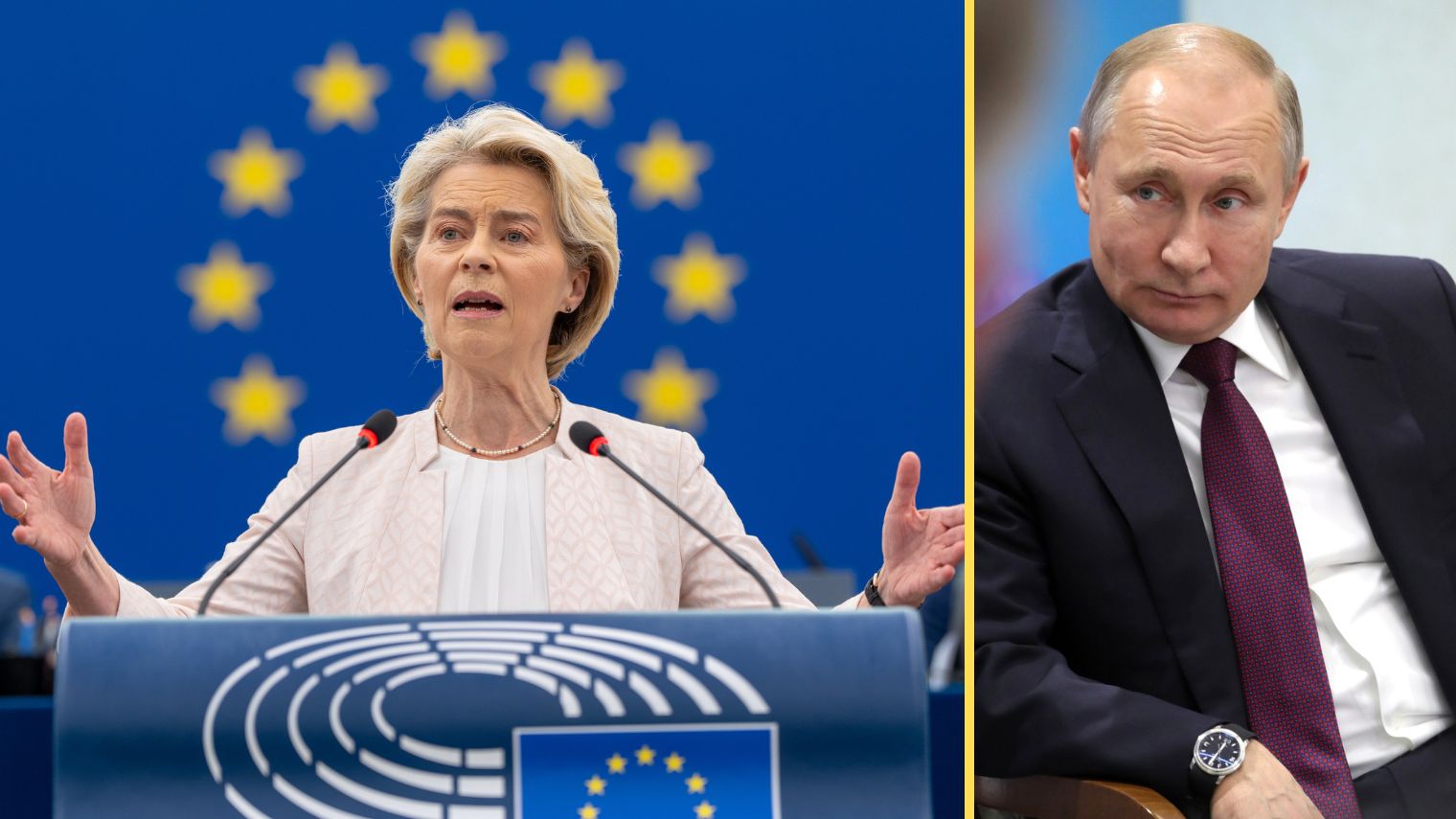
A Counter-Movement is Growing Simultaneously
However, not everyone agrees that this should be interpreted as Europeans having become convinced federalists. The picture is more complex, as illustrated by the fact that parties seeking to limit the EU’s power still have strong and growing support in many member states.
In Sweden, France, Italy, the Netherlands, Austria, and several Central and Eastern European countries, parties that emphasize national sovereignty continue to win significant voter support. The debate on returning power from Brussels to the member states is very much alive.