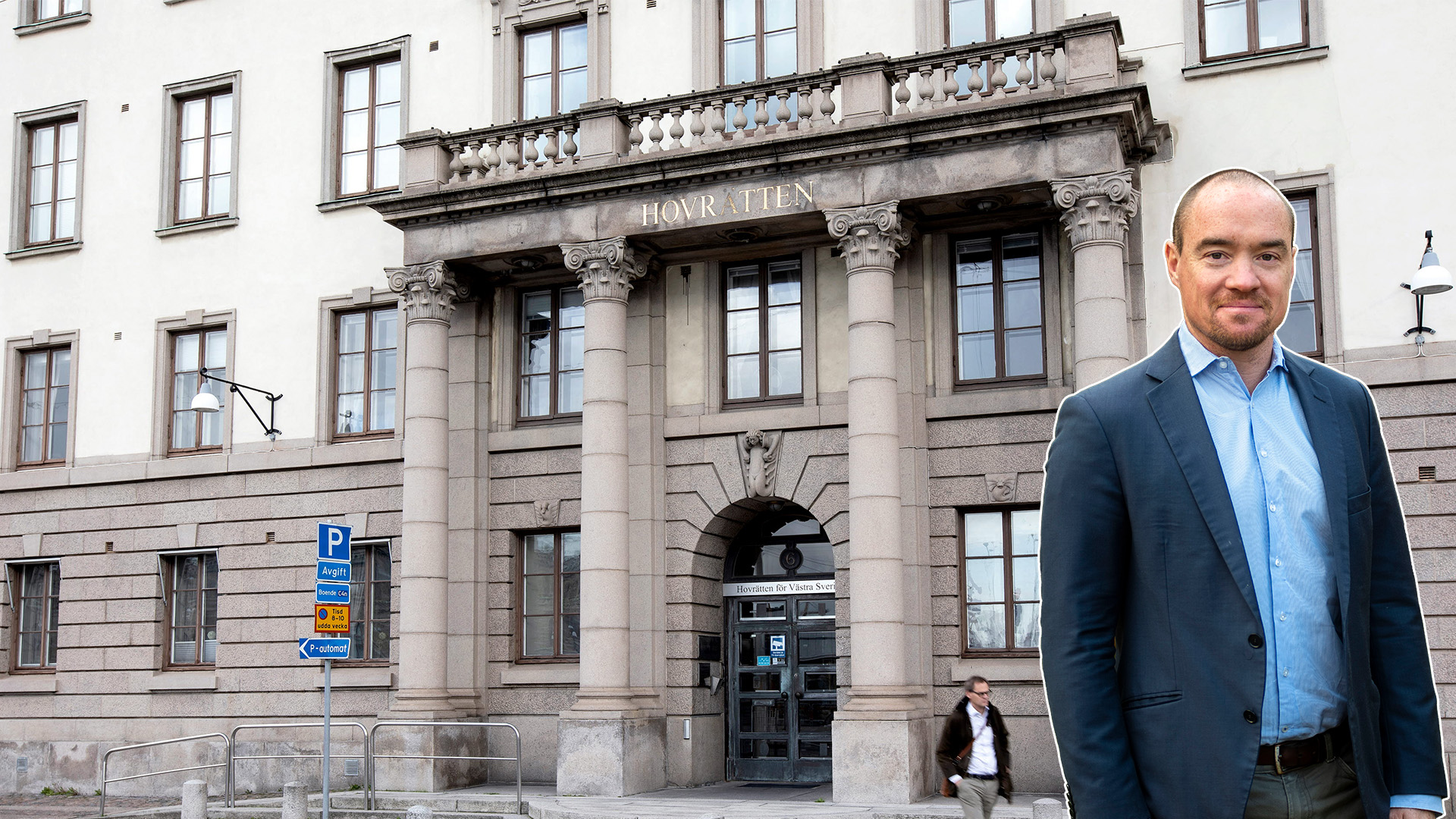
EDITORIAL • The situation in the Swedish judiciary has for quite some time now been, to say the least, worrying. Activism, feminization, and both the laws and their application have long borne witness to how perhaps our most important institution is slipping into some form of left-elitist power bubble—disconnected from the people it is supposed to serve. The latest protest from 26 prosecutors is yet another sign of this.
In the protest from these prosecutors, they oppose the government’s proposal to lower the age of criminal liability for particularly serious crimes from 15 to 13 years—a proposal aimed at giving the justice system tools to prosecute young gang murderers. Lowering the age was something I proposed to parliament 12-13 years ago.
But instead of welcoming such a reform as a necessary response to escalating gang crime, these legal professionals choose to protest and even consider leaving the profession because they refuse to lock up children. Murderous children, it should be added. Personally, I actually think it would be good if these people left the profession and made way for others who dare, want to, and understand the seriousness of present-day Sweden.
This is of course not just a legal issue but involves values, responsibility, and the role of institutions in a democratic society. Making it possible to exempt serious offenders from responsibility because of their age, when they consciously murder, bomb, and terrorize, is in practice undermining public safety. That prosecutors respond with protest lists rather than professional engagement is deeply problematic.
This protest list was started last Wednesday and is now being circulated among employees at the Swedish Prosecution Authority and various courts in Sweden, where prosecutors and judges are being encouraged to sign. The collected names will then be submitted to the government.
Wider Trend
This ties into a wider trend we’ve seen for a long time: a power monopoly among a legal elite that increasingly acts as political players rather than impartial arbiters of justice. The judiciary—courts, prosecution authority, and the legal profession—has in more and more cases shifted from being a guarantor of law and order to being a guarantor of an idea of society that is far removed from the reality of the majority. This is exactly the same criticism I directed at the constitutional amendments that in practice cement the very power and protection of this elite—a power that stands outside direct democratic control.
Ekeroth: “Serious Problems with the Constitutional Amendments Are Overlooked”
Samnytt has also, in several articles, highlighted the problem of how courts convict young men for sexual crimes on extremely flimsy grounds, not infrequently even though the woman filing the report shows a pattern of accusing men she has voluntarily had sex with.
READ ALSO: “When the Rule of Law Sacrifices Young Men”
But the problems don’t end there. For at the same time as the justice system on one hand makes completely bizarre decisions, locking up young men solely based on an accusation from a woman, they are ridiculously forgiving toward others, such as climate extremists who block traffic, citing an “urgent emergency due to today’s climate change.”
READ ALSO: Ekeroth: The Verdict on the Climate Activist Shows the Justice System Has Failed
Not to mention how judges, or prosecutors, ensure that we do not deport foreign rapists. The latest example was how Judge Mohamed, appointed by the Tidö government (!), decided not to deport an Iraqi man who raped a 100-year-old woman.
The Anarcho-Tyrannical Leftist Society
This is not the first time I refer to the anarcho-tyrannical society. The definition of the term: “a dysfunctional state where the government is anarchically hopeless at handling major issues but ruthlessly tyrannical in enforcing minor ones.” This is what we see in today’s Sweden, and activism and the feminization of the justice system is one of the reasons.
Society goes after people for trivialities; strange hate-crime processes against pensioners, bizarre verdicts against young men where no evidence of sexual assault exists, absurd resources directed toward a private individual for a Twitter post and much more.
But on important issues there is resistance: no deportations of serious violent offenders, bizarre reasoning to save people who seriously disrupt traffic—which can cost lives. There is resistance to tougher criminal policies despite an obvious need. Feminized politicians cry when immigration policy is to be tightened. The list is long.
Lost Grounding
When lawmakers try to give citizens more tools against crime, they are not met with expert analysis but with protests and appeals from a group that prefers to stand on the barricades rather than take responsibility for the safety of society. This is evidence that the justice system in certain respects has lost its grounding in reality.
One could argue that even prosecutors and judges have the right to participate in the debate over what should or should not be done in society, just like anyone else. They too have their perspective. We can and must have debate about sentencing levels, rehabilitation, and children in the justice system.
But it becomes telling when the legal profession time and time again, whether from judges or prosecutors, exhibits an activist doctrine that reflexively protects perpetrators under the cover of ideology, while so clearly targeting the “easy” victims; pensioners who have carelessly voiced their opinions online, young men who are considered guilty by default, and much more.
The rule of law is for the people—not for those who live in a bubble, shielded by academic titles and activist reflexes.
READ ALSO: Ekeroth: “The Supreme Court’s Acquittal of the Climate Extremists Is a Legal Disaster”