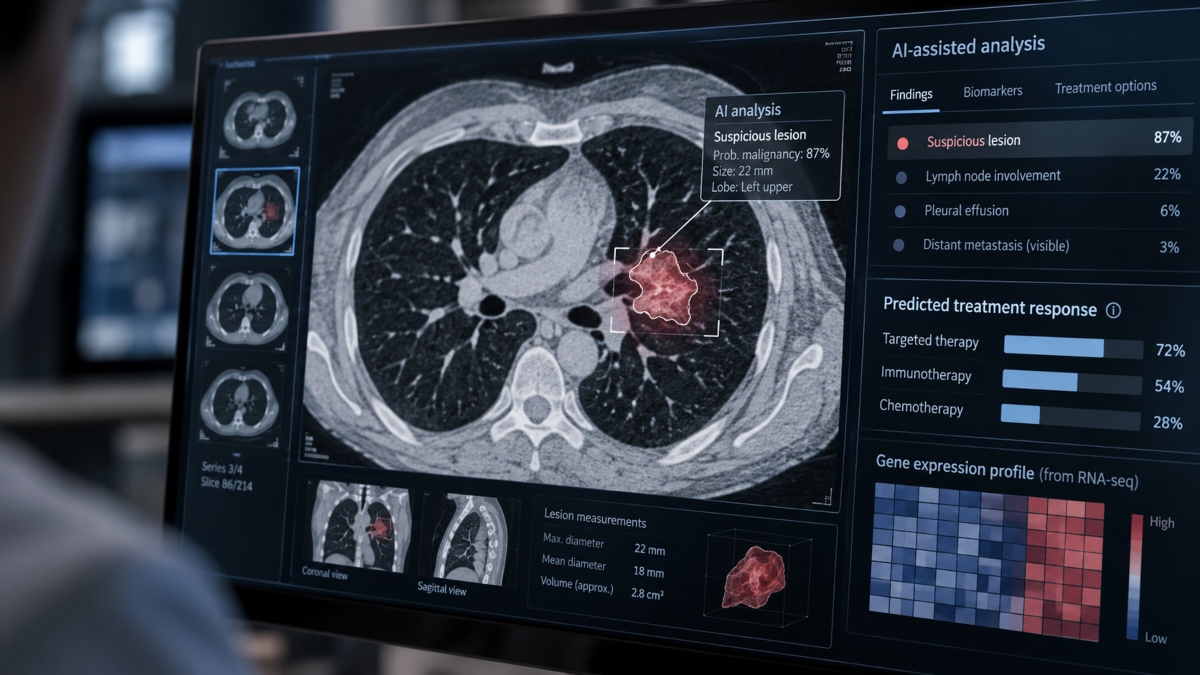
Imagine a cancer patient’s tumor being mapped cell by cell, an AI determining which treatments could kill that specific tumor, designing a new drug if no existing options work, and letting robots test the alternatives on a replica of the patient’s cancer before administering the treatment. It sounds like science fiction. But almost every part of this system already exists in some form – and by 2026, several concrete steps have been taken towards practical application.
Cancer has for decades been one of medicine’s toughest problems. One reason is that the word cancer actually refers to a broad range of different diseases grouped under the same name. Even more challenging, two people with the same cancer diagnosis can have tumors with entirely different genetic changes – and even individual cells within the same tumor can differ from one another.
This is exactly where artificial intelligence may have its most important medical application. Not necessarily by discovering a universal “cure for cancer,” but by making it possible to understand every tumor at a level of detail a human could never handle, and then construct or choose a treatment specific to it. And parts of that future are already here.
AI begins to analyze cancer cell by cell
Traditional genetic analysis of a tumor often relies on analyzing DNA or RNA from many cells together. The problem is that the result becomes a kind of average. A small group of particularly aggressive or drug-resistant cancer cells can be lost in the mix.
The U.S. National Cancer Institute, NCI, presented the PERCEPTION AI system in 2024, which instead uses RNA data from individual tumor cells to try to predict which drugs they will respond to. The researchers built models for 44 already approved cancer drugs. When the system was then tested on previous patient data, it was able to identify, among other things, treatment resistance.
One of the most important findings was that a small resistant cell population could be decisive. If only one clone of cancer cells survived a drug, the treatment could fail, even if most of the tumor cells were sensitive to it.
This is central because cancer essentially functions as an evolutionary system. Treatment kills sensitive cells, while those cells that happen to possess properties conferring resistance survive and reproduce.
In April 2026, another step was taken. An NIH-funded system called scSurvival also analyzed tumors at the single-cell level. The model was trained on data from hundreds of patients and tested on clinical data from over 150 people with, among other things, melanoma and liver cancer. The AI could not only identify patients with higher risk but also pinpoint which cell populations in the tumor were linked to risk.
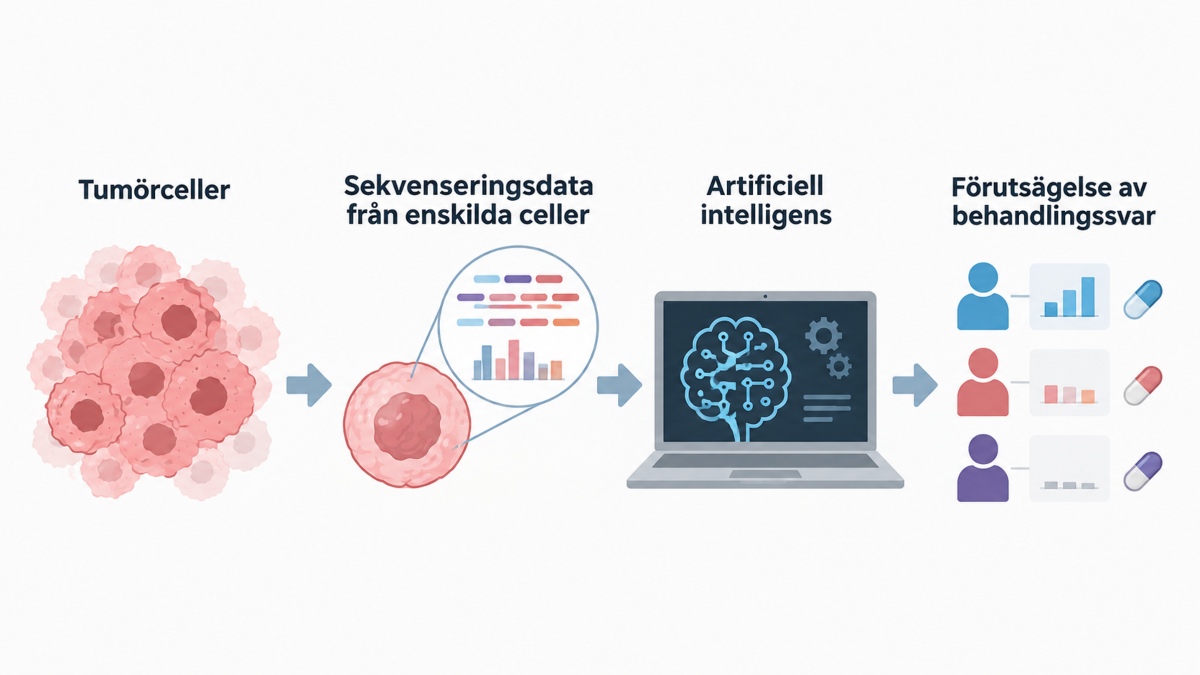
This is roughly where a truly individualized cancer treatment begins. Instead of the computer simply being told a patient has “lung cancer,” it receives an enormous biological map:
What mutations are present? Which genes are active? What proteins are produced? Which immune cells have entered the tumor? Which cancer cells are sensitive to treatment – and which ones already seem able to survive it?
From cancer diagnosis to a digital map
The progress does not stop at genetics. AI models are simultaneously being trained on digitized microscope images of tumors. In 2025, for example, the large pathology model TITAN was published in Nature Medicine. It was trained with over 335,000 digital tissue slides and information from pathology reports.
The model can recognize cancer patterns, extract information from tissue images, and perform prognostic tasks even for rare cancer diseases.
Other so-called foundation models for pathology have been trained on massive image datasets. The model Virchow demonstrated a high ability to distinguish cancer from other tissue in both common and rare types of cancer. Ultimately, the goal is not to choose between a microscope image, DNA, or blood test. AI can consider everything at once.
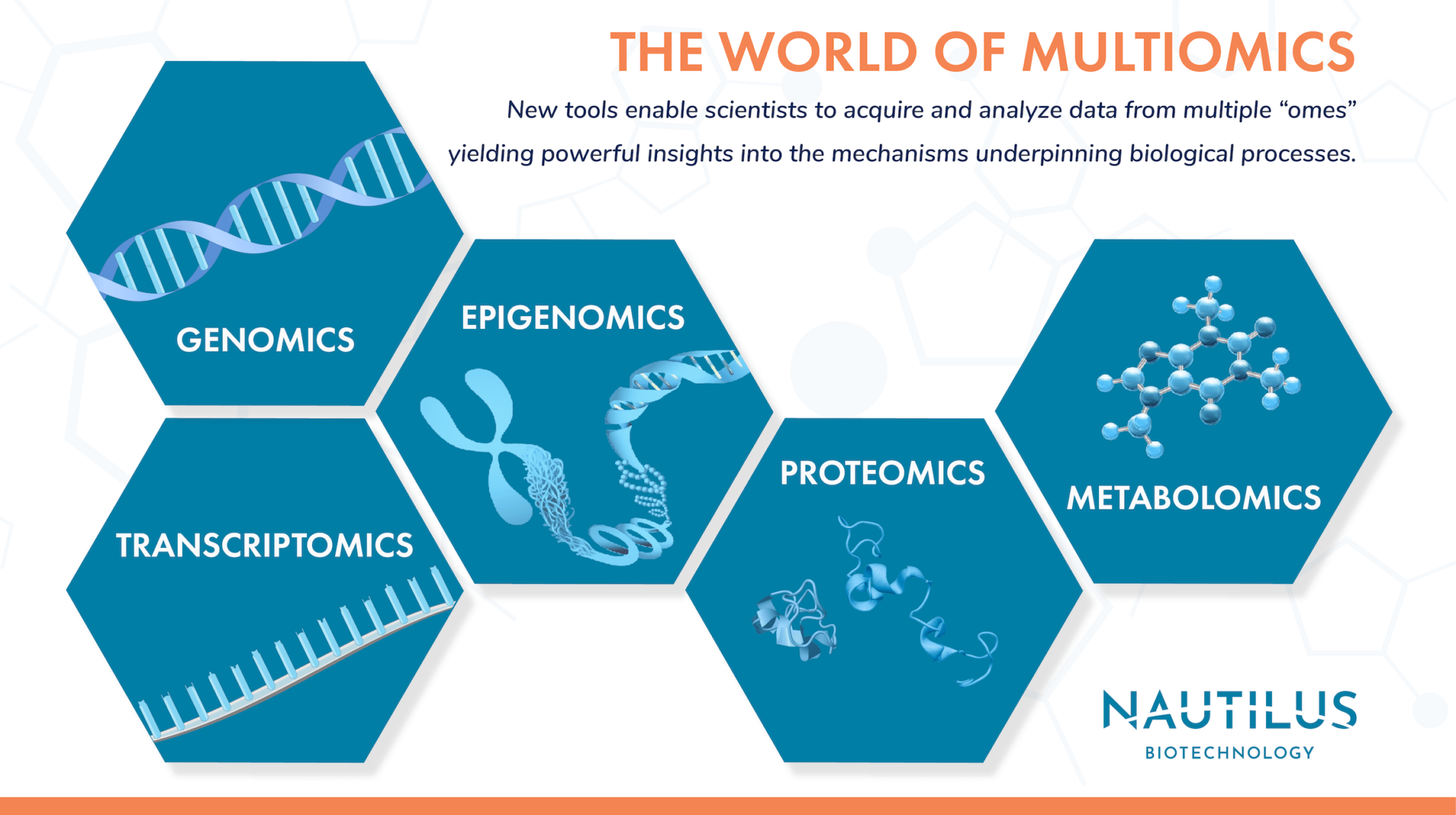
Genomics can reveal what mutations the cancer harbors. RNA shows which genes are actually used. Proteomics shows what the cells produce. Microscope images show what the cells look like and how they are organized. X-rays and MRI show the location of the disease in the body. Clinical records reveal what has previously worked for similar patients.
A review in Nature Reviews Cancer in April 2026 pointed specifically to the integration of so-called multi-omics with image data and clinical information as a key next step in AI-based cancer research. The result is something that starts to resemble a digital model of the disease itself.
Next step: AI calculates what needs to be disabled
Understanding the tumor, however, is only half the task. The next question is what to do with it. A cancer cell might depend on certain signaling pathways or proteins to continue dividing. If one of them is blocked, the tumor could halt. The problem is there are enormous numbers of possible combinations.
A drug might block protein A. The cancer then bypasses the obstacle via protein B. If both A and B are blocked, perhaps a third mechanism is activated.
Humans can examine such connections experimentally, but the possible combinations quickly become astronomical. This is where machine learning fits especially well.
The U.S. NCI already runs ComboMATCH, where patients receive combinations of targeted cancer therapies based on genetic alterations in their tumors. The aim is expressly to try to overcome the resistance that can arise when only a single target is addressed.
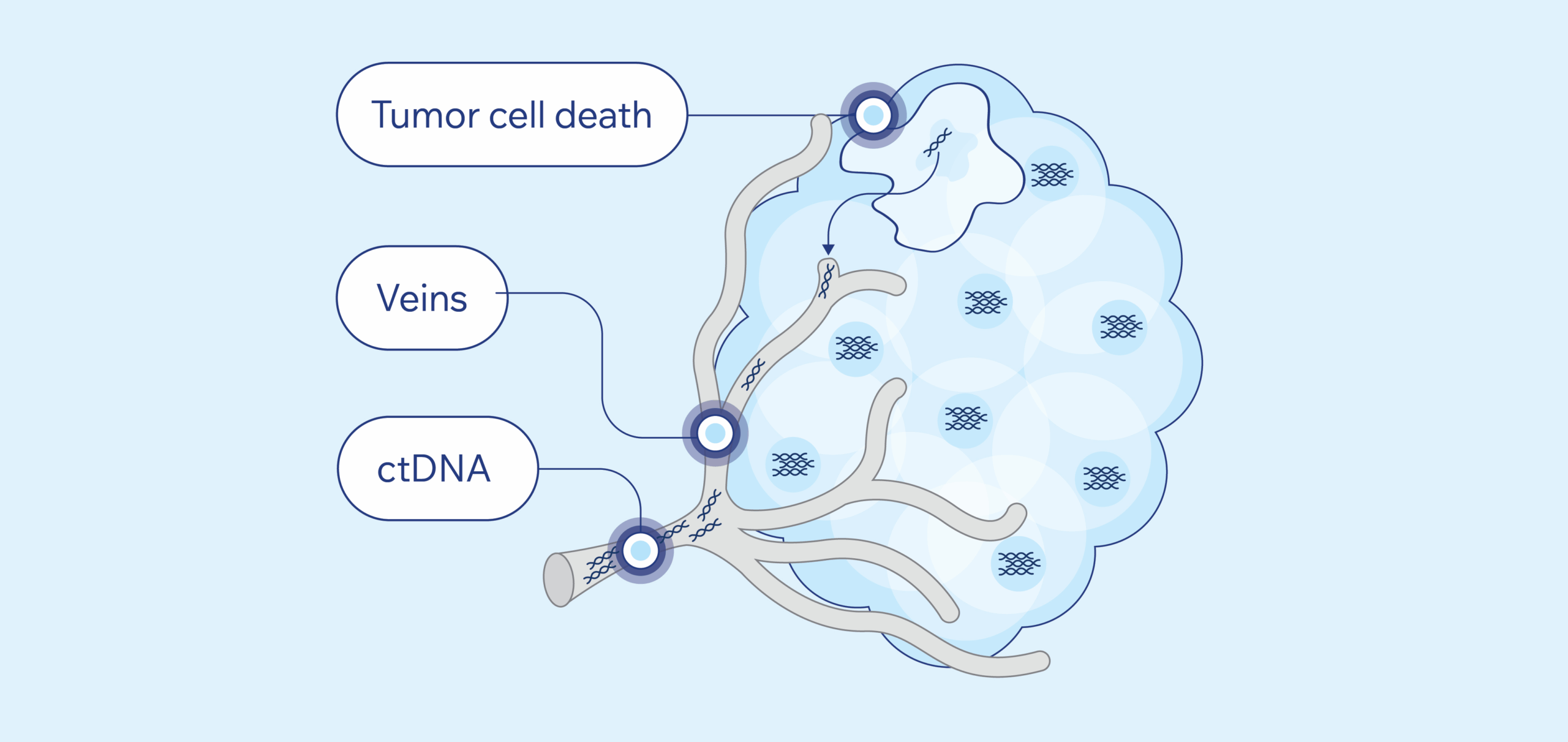
Since January 2026, circulating tumor DNA, so-called ctDNA, can also be used to find patients for the study. The tumor’s genetic traces can thus, in some cases, be read from a standard blood test instead of a new biopsy.
AI adds another level: the computer can search through large amounts of biological relationships and attempt to find combinations that humans would not have prioritized.
AI is already beginning to design cancer drugs
This also represents one of the greatest changes because AI does not have to settle for choosing among drugs that already exist. It can try to design a new one.
Google DeepMind’s AlphaFold became well-known for its ability to predict the three-dimensional structure of proteins. AlphaFold 3, presented in 2024, extended this to include interactions among, for example, proteins, DNA, RNA, antibodies, and small drug molecules. This matters because almost all drugs work through molecular interactions.
To block a cancer protein, for instance, a scientist needs to find a molecule that fits the right place on the protein and binds tightly enough – but at the same time, does not bind to any other important human protein and harm the patient. Previously, much of this required enormous amounts of laborious laboratory work, but a generative AI could be given an assignment that goes something like this:
Design a molecule that binds to this pocket on the cancer protein, can be absorbed by the human body, is not broken down too quickly, is not toxic to the liver, and ideally does not affect these thousands of other human proteins.
The computer can then generate and rank vast numbers of candidates before the most promising are actually produced.
AI-designed drugs have reached humans
This is no longer just theoretical. In April 2026, the biotech company Recursion announced that the first patient had received REC-4539, formerly EXS74539, in a phase 1 study for several forms of advanced cancer. The company describes the substance as AI-designed and reports that the candidate could be generated in about 20 months using their AI-based platform.
The registered study includes small cell lung cancer, prostate cancer, ovarian cancer, kidney cancer, liver cancer, and triple-negative breast cancer. It started on April 13, 2026.
Another AI-based drug company, Insilico Medicine, has simultaneously brought the cancer molecule ISM6331 into a phase 1 study for, among other things, mesothelioma and other advanced solid tumors. The company also describes it as AI-designed. Initial human results have been accepted for presentation at the ESMO cancer congress in October 2026.
Google DeepMind spin-out Isomorphic Labs is also working on an internal drug pipeline focused on cancer and immunology. The company’s new system IsoDDE is developed for both structural analysis and drug design. Founder Demis Hassabis stated earlier this year that the company expects to begin its first clinical trials by the end of 2026, according to Reuters.
This does not mean that AI has already solved drug development. A large review in Nature Reviews Drug Discovery has on the contrary pointed out that the clinically proven benefit still lags behind the rapid technology progress. Finding a promising molecule with AI is one thing; proving that the same molecule actually cures humans with tolerable side effects is quite another.
But an important threshold has been crossed: drugs developed with advanced AI platforms are now in real cancer patients.
Patient’s cancer is already being grown outside the body
Another puzzle piece can make individualization much more concrete: nowadays, tumor cells from a patient can be grown as small three-dimensional structures, so-called organoids.
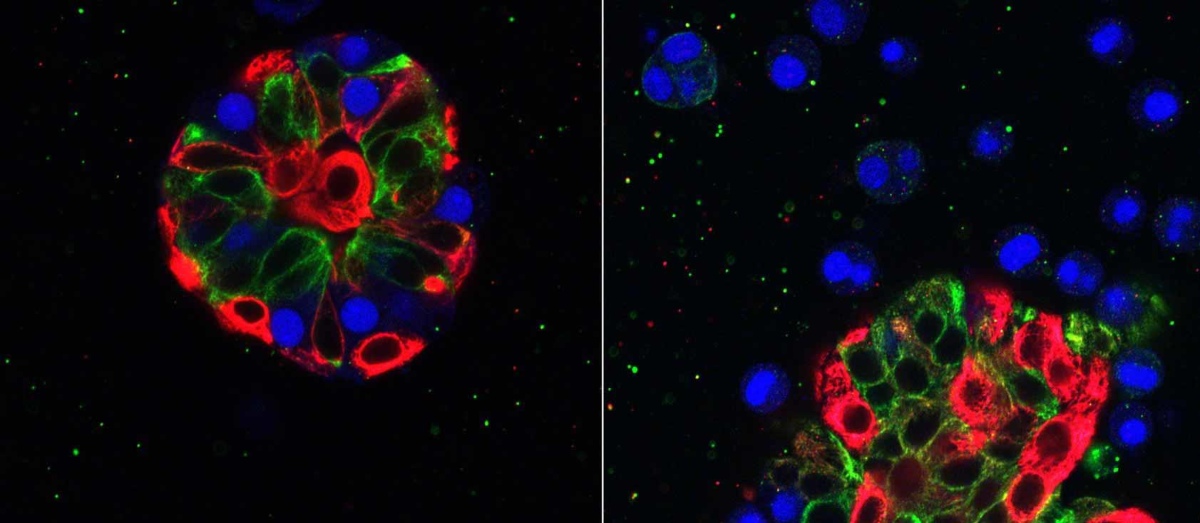
They do not function as perfect human copies but can preserve important properties from the original tumor. This means that researchers can in principle test several drugs on the patient’s own cancer before the patient receives them.
For example, in 2026, research was published in which robotics technology was used to automate the handling of very small amounts of patient-derived tumor organoids. In the study, researchers could test drug responses with less tissue than before, and the results were correlated with how patients later responded to treatment. The study is published via PubMed.
This is starting to resemble what not so long ago would have been considered science fiction: Take a sample from the patient – create models of the cancer – test treatments outside the patient’s body – then choose the option that works best.
The big change: when everything is connected
The real leap, however, comes when the technologies are combined, which is what research is beginning to indicate.
An article in Nature Reviews Cancer describes how current models still cannot reliably predict exactly how an individual cancer will develop. The authors instead point towards a future where advanced tumor models and artificial intelligence are connected in an iterative feedback process.
In practice, it might work something like this:
The patient’s tumor is mapped genetically and at the single-cell level. AI builds a model of which biological mechanisms drive the disease. The system suggests drugs or combinations. The patient’s tumor cells are grown as organoids. Robots test the most promising options. Results are fed back into the AI. The model is updated. New experiments are selected automatically.

This is often called a closed loop, a closed feedback cycle. Instead of the researcher first formulating a hypothesis, conducting the experiment, analyzing the results, and then planning the next experiment, parts of the whole process can be automated.
AI generates hypotheses. The robot conducts the experiments. The results go back into the model. AI decides which experiment will yield the most new information next. And the cycle starts again.
This is where artificial intelligence could potentially do something that a human research group could never achieve at the same scale. The computer can weigh thousands of genetic changes, signaling pathways, protein interactions, drugs, and possible combinations against each other simultaneously and choose which experiments should be run first.
Cancer treatment can change while ongoing
The next step is for the same principle to continue after treatment has started. Cancer is not static; the tumor changes when subjected to treatment.
A drug can, for example, wipe out 99 percent of cancer cells. But if the last percent consists of cells with a mutation that makes them resistant, these cells can then begin multiplying and form a new dominant tumor. That is one reason why a treatment can work very well initially and then suddenly stop working.
The treatment of the future could therefore become much more dynamic. Recurring blood tests can allow so-called circulating tumor DNA, ctDNA, to provide information about which genetic variants of the cancer remain. The technique is already used in research and clinical trials. NCI’s ComboMATCH has, for example, begun to use ctDNA as one way to genetically match patients with therapies.
AI could then compare a new blood test to the patient’s prior data and detect a small resistant cell population starting to increase – potentially before it grows into a large tumor. Treatment could then be changed.
Instead of today’s process, where you first diagnose, start treatment, and then wait to see if it works, future care could be built on a continuous flow where you measure the effect, treat, analyze the results, and model the next step. The treatment can then be adjusted based on the new measurements, and the process repeats.
The cancer is then treated more as a continually changing adversary than as a static target.
Personalized cancer vaccines
The same individualization is underway within immunotherapy. Cancer cells often carry mutations that create altered proteins, so-called neoantigens, which do not exist in normal cells in the body. If the immune system can be taught to recognize these, in principle it gets a list of which cells to destroy. The challenge is that each patient’s mutations are different.
Therefore, the tumor’s DNA must be sequenced and large numbers of potential neoantigens analyzed to select which ones the immune system is likely to learn to attack. This is a typical problem well-suited to advanced computational models and AI.
For example, in 2026, results were published in Nature from a small study in which women with triple-negative breast cancer received individually designed mRNA vaccines after treatment. Almost all developed T cell responses against several of the selected tumor targets, and the immune responses could persist for a long time.
The study was small and does not mean the method generally cures cancer. But it demonstrates the principle: the patient’s tumor is analyzed, individual targets are identified, and a therapy is built specifically for that patient.
In the future, AI could help not just to select which tumor targets to attack, but also to optimize the vaccine itself, the antibody, or a genetically modified immune cell.
Already exists
If development continues, it is possible to imagine a treatment process that looks entirely different from today’s. A patient gives a biopsy and blood test; the tumor’s DNA, RNA, and proteins are then analyzed while the cells are studied individually and the tissue is digitized. Within hours or days, AI systems construct a biological model.
For example, the system could compare the tumor to data from millions of previous cancer cases and experiments and identify five possible vulnerabilities. Three existing drugs and two new molecules are deemed promising. Tumor cells from the patient are simultaneously cultivated in hundreds of miniature models. The robot lab tests different combinations and finds that treatment number 37 kills 99.9 percent of the cancer cells, but a small group survives.

AI then analyzes the survivors and identifies their common vulnerability. A new combination is tested and manages to even eliminate these cells without causing corresponding harm to healthy cells in the lab model. Doctors get the results and select a therapy.
In the following months, tumor DNA in the blood is monitored. As soon as signs of a resistant clone appear, the model is updated, and treatment is changed.
Today, there is no system that can execute this entire process safely and reliably, but the remarkable thing is that almost every individual component already exists separately.
How far off is the future?
It is important to distinguish between different parts of the development. In the next five years, AI is likely to become much more common as support for pathologists, radiologists, molecular diagnostics, clinical trials, and choosing among already available treatments.
AI is already used to analyze digital tissue images and attempt to predict treatment responses. In 2024, NCI presented the PERCEPTION AI system, which uses data from single tumor cells to predict how cancer will react to different drugs.
In five to ten years, advanced cancer centers can increasingly begin to combine genomics, single-cell data, digital pathology, blood-based tumor monitoring, and AI in the same decision support systems. Organoid testing could also become practically useful for more tumor types if the methods get faster, cheaper, and more standardized.

In ten to twenty years, a truly closed system – where AI analyzes a patient’s tumor, suggests or constructs treatments, automated labs test them, and new measurements are continuously fed back – is technically and biologically conceivable.
AI can’t make biology go any faster
There is also an important brake that’s easily forgotten in AI enthusiasm. A computer can test a billion molecules virtually in a short time, but a human body cannot be fast-forwarded.
A drug still needs to be shown to be properly absorbed in the body, reach the tumor, work in real patients, and not cause severe side effects, which requires clinical studies. Thus, AI can greatly accelerate the search for the right molecule without automatically making the last steps of drug development just as fast.
Recursion’s AI-developed cancer candidate REC-4539 illustrates the difference. The company could use its platform to rapidly find a candidate, but the clinical trial must still establish dosage, safety, and any clinical effect step by step in humans.
The quest for a cure can still fundamentally change
Perhaps the biggest shift is not that AI finds a magic pill for cancer, but that the research method itself changes. Traditional cancer research has had to reduce the disease to manageable questions: a mutation, a pathway, or one drug at a time. An advanced enough AI could instead attempt to handle the entire system simultaneously.
If this works, the ultimate goal might not be a single “cure for cancer” but rather a general technology capable of finding a treatment – or in the best case, a cure – for the particular cancer present in front of it, time and again.
This is still a vision, but the difference from just a few years ago is that several of the machines needed to build it are already running.