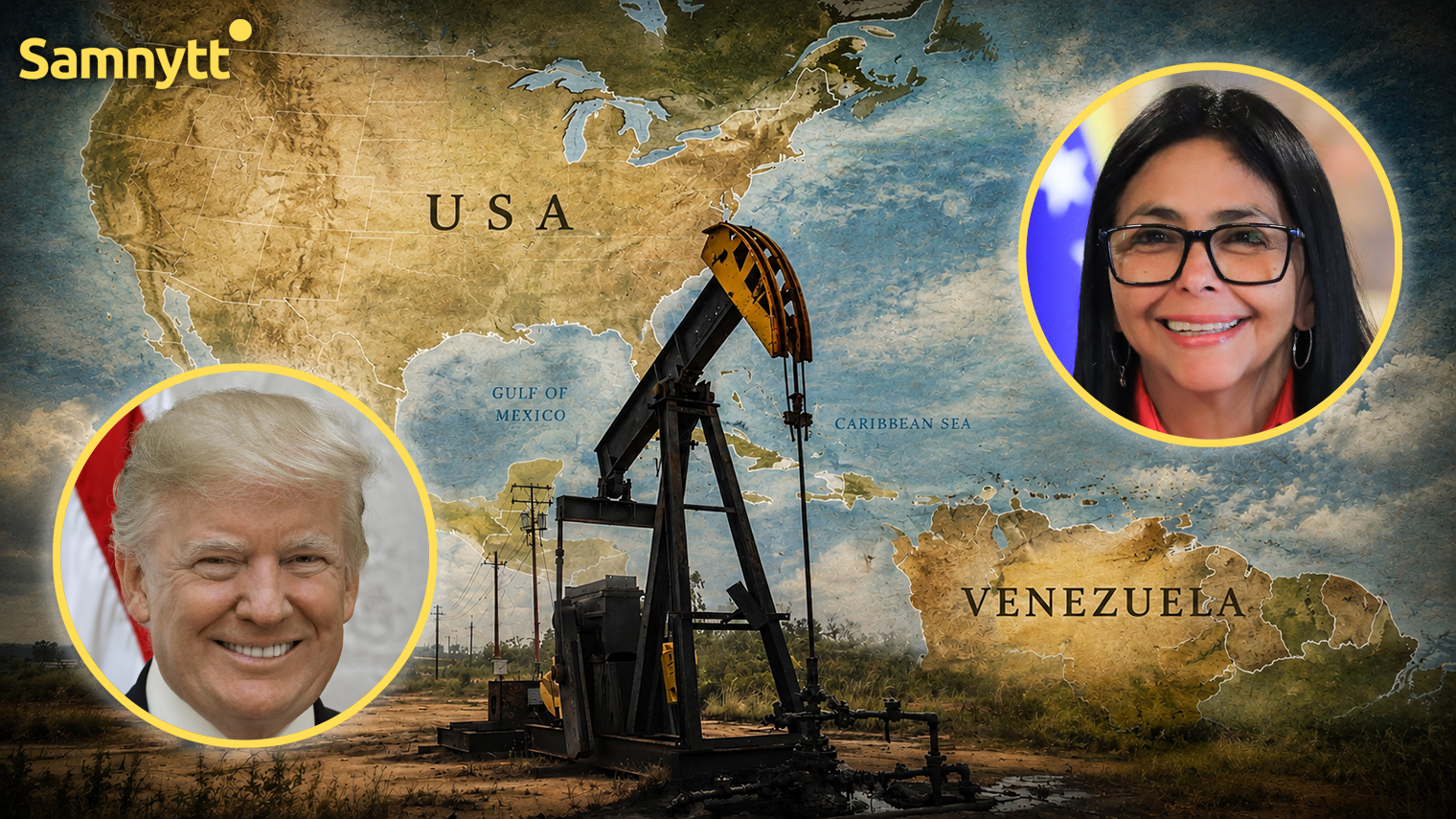
The United States is set to take control of more than 65 billion barrels of Venezuela’s oil reserves through what Donald Trump describes as “the biggest oil deal in world history.” The agreement has been reached with interim president Delcy Rodríguez’s government, which Washington backed after the American military intervention where Nicolás Maduro was arrested and taken to the US. Rodríguez calls the deal historic – but accusations of constitutional violations, plundering, and national betrayal are coming from both the opposition and former representatives of the chavista power structure.
US President Donald Trump is presenting the new oil deal with Venezuela as a historic achievement. According to him, the settlement will give US interests majority control over just over 65 billion barrels of proven Venezuelan oil reserves – more than a fifth of the country’s vast reserves.
– The biggest oil deal in world history, Trump calls the agreement.
The deal includes 17 oil fields and, according to US sources, will be implemented through a new joint venture between the USA and a private Venezuelan oil actor.
That actor is now said to be North American Blue Energy Partners, NABEP, a company linked to Venezuelan businessman Alejandro Betancourt. The company has quickly become one of the largest private oil producers in Venezuela, and Betancourt has established himself as a key intermediary in the new economic relations between Caracas and Washington.
Controversial Choice of Partner
The choice of partner is also controversial. Betancourt belongs to the group of wealthy businessmen who emerged under Hugo Chávez’s rule and who in Venezuela have been referred to as “bolichicos.” He has had extensive business dealings with the chavista state and has over the years been involved in investigations in, among other places, the US and Europe regarding suspicions of corruption, money laundering, and tax fraud. Betancourt has denied any wrongdoing and has not been convicted of the allegations.
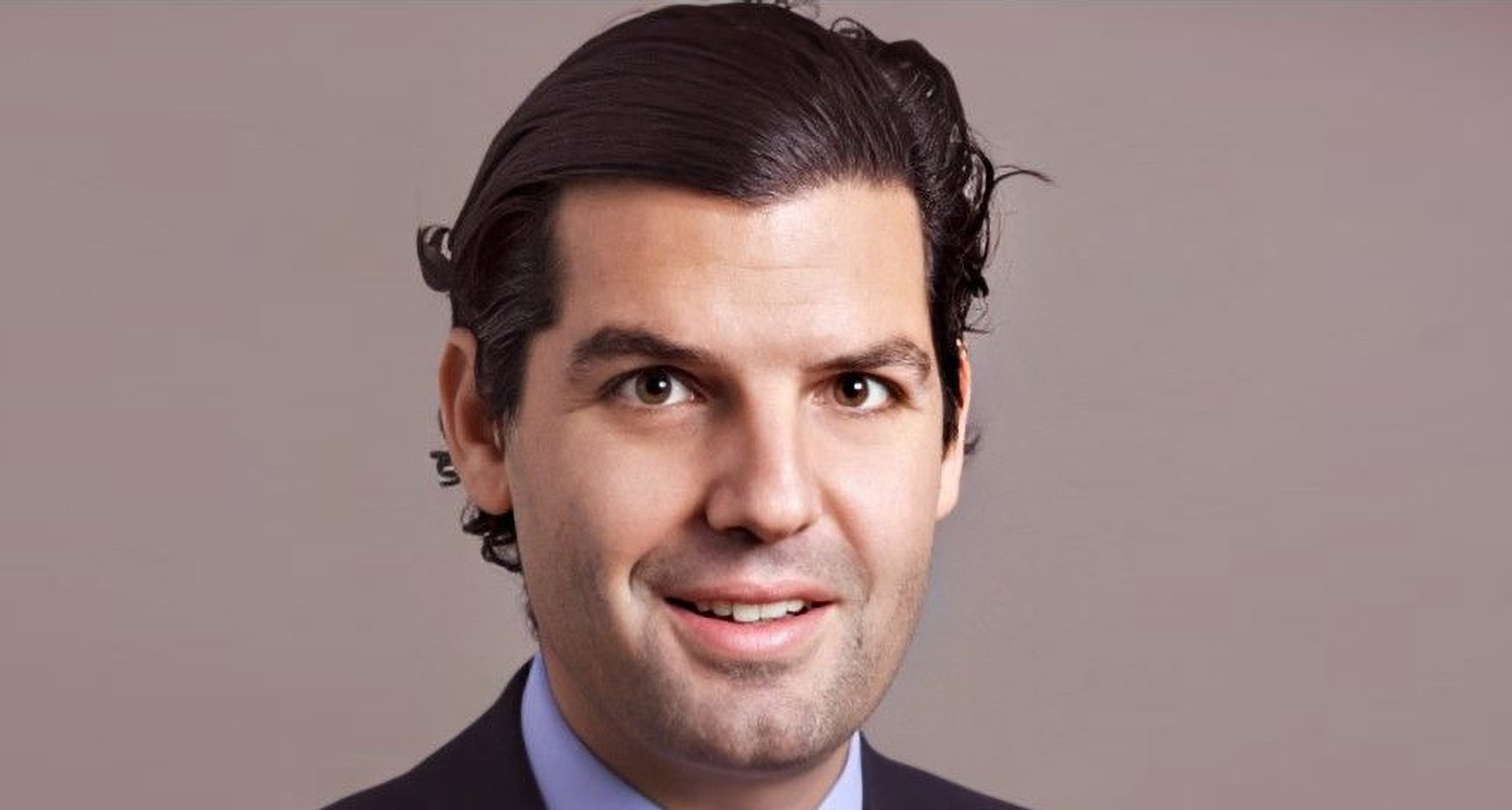
The fact that a businessman with close ties to the previous Venezuelan power structure is now becoming a central partner as the Trump administration seeks to take control over a significant part of the country’s oil production thus adds another politically sensitive dimension to the deal.
SEE ALSO: US Has Confiscated 13 Billion Venezuelan Oil Dollars – No One Knows Where They’ve Gone
The US is reported to get effective control of 55 percent, both through ownership and guaranteed access to oil at cost price. The company is said to have received a hundred-year concession for the relevant oil fields. However, there is controversy over whether they have the authority to sign ownership shares.
The Agreement Made with Rodríguez
The settlement has been negotiated by Secretary of State Marco Rubio and Secretary of Defense Pete Hegseth together with Venezuela’s interim president Delcy Rodríguez and private actors.
Rodríguez was vice president under Nicolás Maduro and took over the country’s leadership after American forces conducted a military operation in Caracas on January 3, arrested Maduro and his wife Cilia Flores, and brought them to the US.
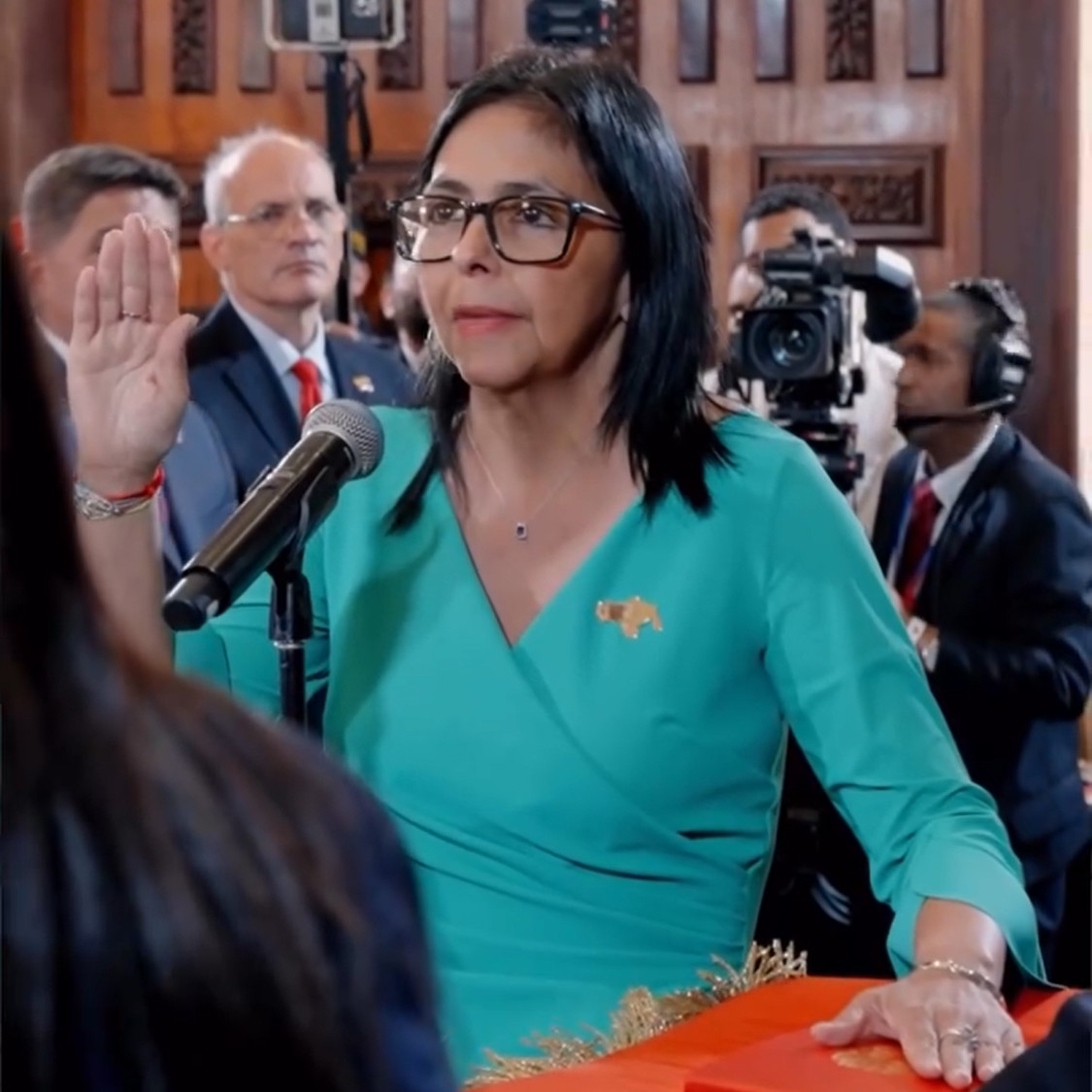
Maduro has since been imprisoned in New York awaiting trial for, among other things, drug offenses. Washington quickly gave its support to Rodríguez as interim leader after the intervention.
The new government has since opened Venezuela’s previously tightly state-controlled oil and mining sectors to significantly larger foreign and private participation.
SEE ALSO: Trump: US Will Control Venezuela
Rodríguez says the oil deal with the US will be valid for 25 years and will help boost the country’s oil production to 1.5 million barrels per day. The American claims about a hundred-year concession appear to refer to the rights for the new joint venture itself.
She, like Trump, describes the agreement as historic. According to the Venezuelan government, more than 100 billion dollars in investments and, in the long term, over 200 billion dollars in tax revenues to Venezuela are expected.
Trump: Will Lower Gas Prices
For Trump, there is a clear American goal to the deal. The president claims that access to the Venezuelan reserves will more than double US oil reserves and, in the long run, help lower fuel prices. The US has faced sharply rising gasoline prices in the wake of the war with Iran and disruptions to oil shipments through the Strait of Hormuz.
SEE ALSO: Trump: Venezuela Will ONLY Buy American Products
Some of the oil is also intended to be used to refill the US strategic petroleum reserve and supply the US military. Rubio describes the agreement as a win for Venezuelans as well through investments, jobs, and rebuilding of the country’s badly run-down oil industry.
But experts warn that the path from 65 billion barrels in the ground to cheaper gasoline at American pumps is a long one. Venezuela’s oil infrastructure has deteriorated after decades of mismanagement, lack of investment, and US sanctions. The country’s production has fallen from around three million barrels per day at its peak to just over one million today.
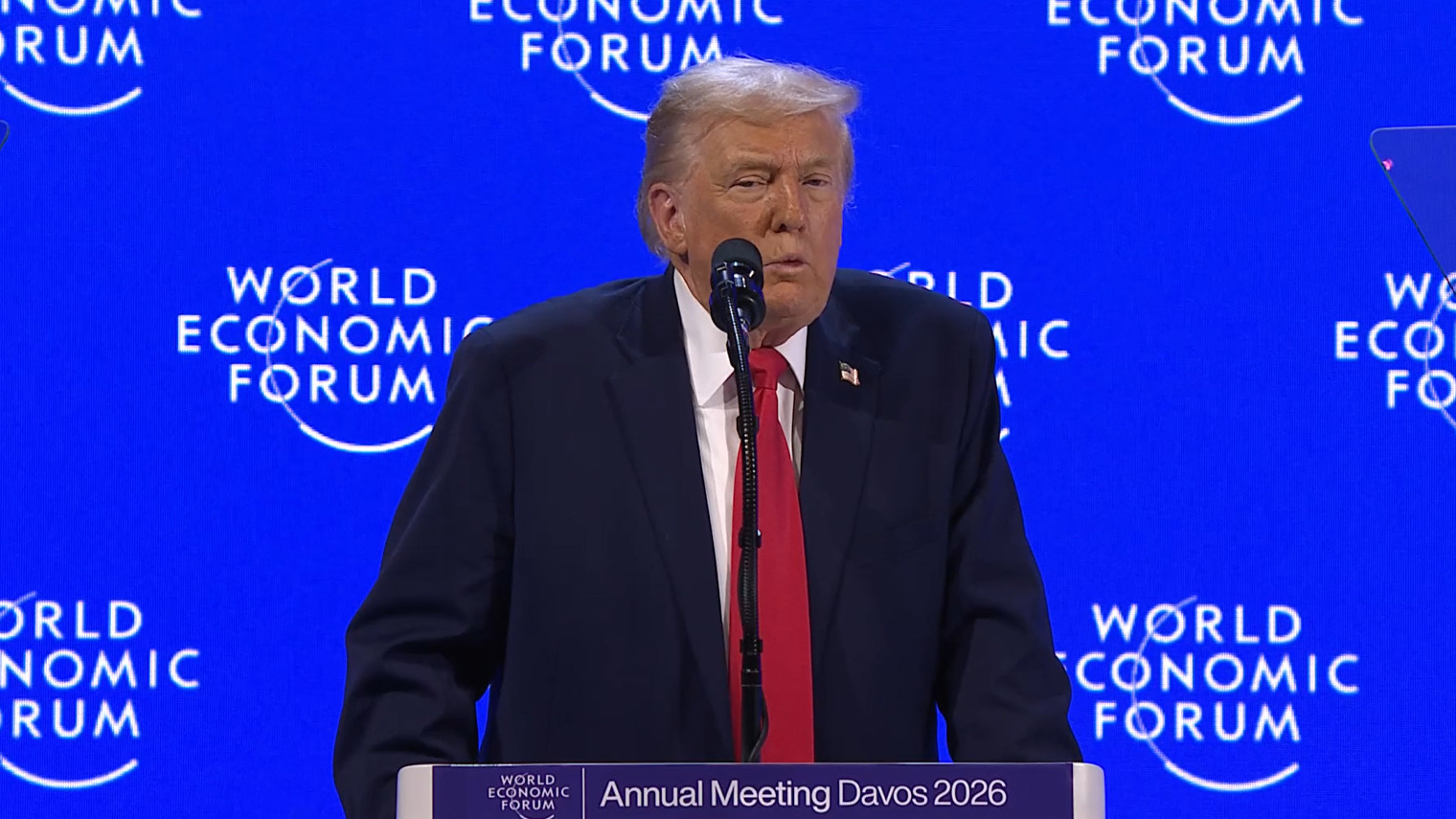
Additionally, a large part of the reserves consists of heavy, sulfur-rich crude oil, which is significantly more complicated and expensive to extract and refine than the lighter American crude oil.
Trump: Venezuela “Stole” American Oil
The deal also has a historical dimension in Trump’s own description. After Maduro’s arrest, the president claimed that Venezuela had previously “stolen” American oil and assets, and that the US therefore had the right to reclaim what the country had lost.
The background is the nationalization of Venezuela’s oil industry. It began as early as 1976 and was extended much further under the socialist president Hugo Chávez. In 2007, foreign oil companies were forced to accept that the state oil giant PDVSA would have majority control of the projects. Chevron accepted the new conditions, while Exxon Mobil and ConocoPhillips, among others, refused and had their Venezuelan assets expropriated.
READ MORE: Trump Demands Venezuela’s Oil – “It Was Stolen from the USA”
To describe this as Venezuela “stealing American oil” is, however, an oversimplification. The American companies lost investments and property, which also resulted in extensive international compensation claims, but Venezuela’s oil in the ground did not belong to the American state or companies. Nevertheless, Trump has repeatedly framed the story in just such terms.
– We built Venezuela’s oil industry with American talent, drive, and skill, and the socialist regime stole it from us, he said after the operation against Maduro.
“The Greatest Plundering in Our History”
The new deal is now facing strong criticism inside Venezuela – and not just from one political camp. Opposition politician Henrique Capriles demands that the government disclose the constitutional basis for the agreement and what exactly Venezuelans are getting in exchange. He also points to the country’s long history of corruption and lack of transparency.
Opposition politician Juan Pablo Guanipá, while agreeing that Venezuela needs foreign investment to rebuild the oil industry, questions whether the same political apparatus that helped run PDVSA into the ground should now manage the revenues from the agreement.
The criticism is even harsher from some former representatives of chavismo. Rafael Ramírez, who led PDVSA between 2004 and 2014 and was Chávez’s energy minister for many years, calls the agreement “the greatest plundering in our nation’s history.”
Former cabinet member William Rodríguez, in turn, describes it as “the biggest oil betrayal in the country’s history” and claims the agreement violates the constitution and should have been addressed by parliament.
Leftist groups demonstrated in Caracas on Saturday against what they describe as American tutelage. Signs included slogans such as “Yankees out of Venezuela.”
Unclear if the Agreement Holds Legally
Even outside Venezuela, questions are being raised about what Trump and Rodríguez have really agreed on. No full contract text has yet been published. It is still unclear exactly how ownership will be structured, what role the state oil company PDVSA will play, and where the promised investments of around 100 billion dollars will come from.
There are also questions about whether a foreign government can be given the control over Venezuelan oil reserves that Washington is describing, without violating the country’s constitution and oil laws.
Indeed, earlier this year, Venezuela carried out a comprehensive reform granting private and foreign companies greater opportunities to operate oil fields and sell production themselves. But the arrangement that Trump now presents goes significantly further.
Energy consultant David Goldwyn notes that there are no previous examples of the US government entering into this kind of arrangement to control foreign oil fields.
Oil Deal After Military Intervention
The timing also makes the agreement politically sensitive. First, the US carried out a military operation on Venezuelan territory and arrested the country’s president. Then, Washington gave its support to Vice President Rodríguez as interim leader. Less than eight months later, her government has signed a deal that, according to Trump, gives the US majority control over 65 billion barrels of the country’s most important natural resource.
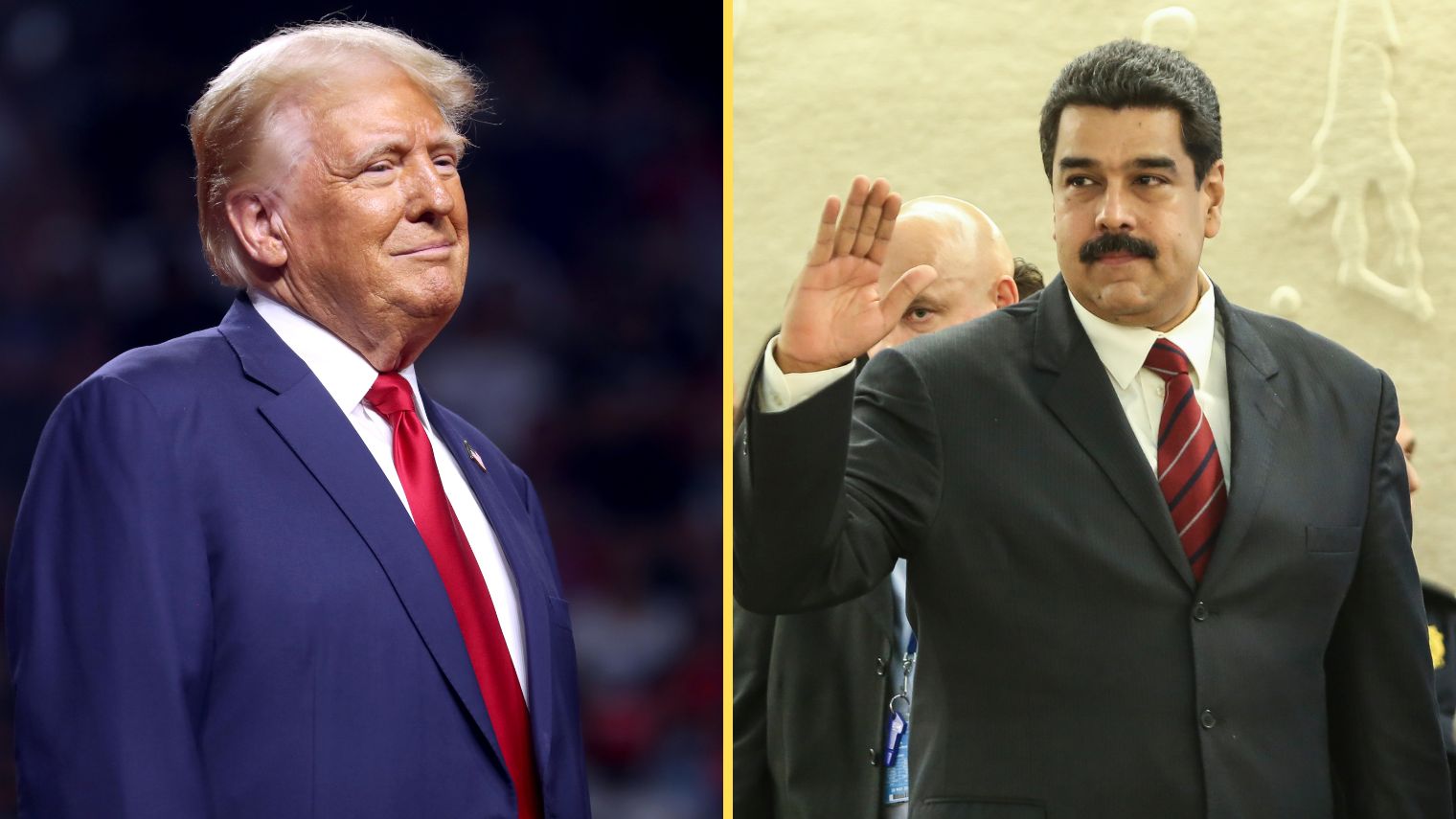
For the opposition, this also raises concerns that Washington now has an interest in Rodríguez staying in power. The government and opposition have recently started talks about future elections. According to the Financial Times, opposition representatives fear that the US will be less eager for a change of power when the implementation of the lucrative oil deal depends on the incumbent government.
SEE ALSO: Maduro in New York Court: “I Am Innocent and Kidnapped”
The Trump administration sees the matter differently. The president emphasizes the agreement as a way to both rebuild Venezuela and secure US energy supply – at no cost to American taxpayers.
Whether the 65 billion barrels will actually be able to be extracted on the terms now promised is another matter. Several oil analysts predict that any major production increase is several years away.
The historic agreement is, in other words, so far much more concrete on paper – and in Trump’s rhetoric – than at Venezuela’s oil wells.