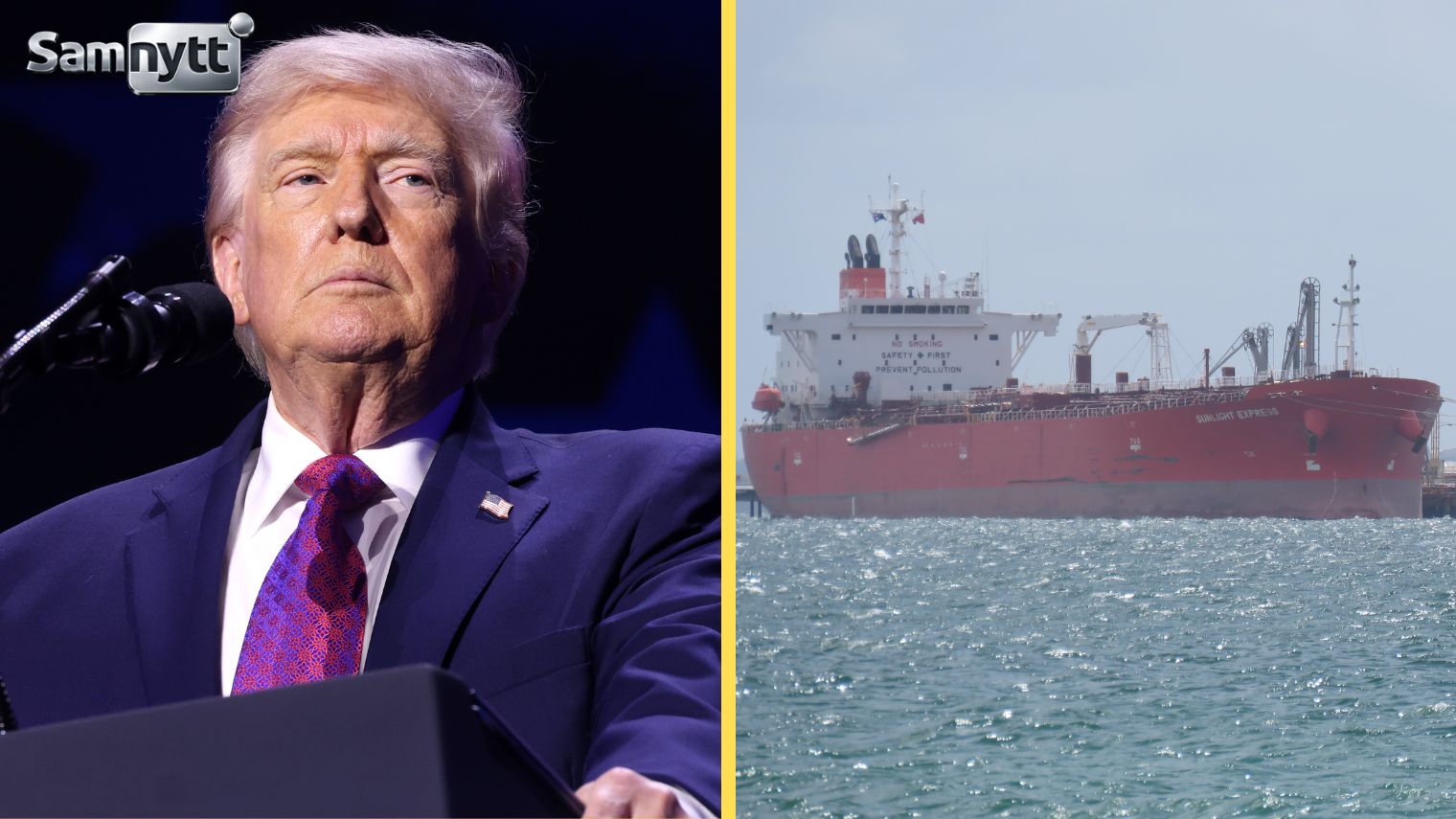
In recent days, tensions between Iran and the US have once again intensified in the Strait of Hormuz, one of the world’s most critical chokepoints for oil and gas shipments, and the possibility of a breakthrough seems more distant than ever.
The situation escalated when the Iranian Revolutionary Guard carried out new attacks on commercial vessels, according to US and regional sources. The methods of attack have varied from drones and anti-ship missiles to small boats, reflecting Iran’s established strategy of pressuring the US and its allies through asymmetric naval warfare.
The US has responded by reinforcing its military presence in the area and has carried out several defensive operations. American ships have shot down Iranian drones and thwarted attempts to board tankers. The Pentagon has also confirmed that US forces have struck Iranian military installations deemed directly linked to the attacks. The US describes these actions as necessary to maintain free navigation and protect international trade.
READ ALSO: Continued tension between the US and Iran with attacks in the Strait of Hormuz
Iran, for its part, claims that the US is provoking confrontations and that Iranian actions are a response to what Tehran describes as US violations of previous agreements on security in the strait. Iranian representatives have also accused the US of supporting “hostile actors” in the region and trying to further militarize the Strait of Hormuz. The rhetoric has become harsher, with both sides accusing each other of violating informal de-escalation lines.
The situation has also had significant economic consequences. Oil prices have risen as the market worries about disruptions to shipments through the Strait of Hormuz, where about 20 percent of the world’s oil passes through. Several shipping companies have started rerouting vessels or implemented temporary safety stops, which further strains logistics chains. Analysts warn that continued escalation could have :censored:6:cdd6bbaa89: repercussions.
“Unacceptable”
Both the US and Iran signal that they are not seeking a full-scale war, but their actions on the ground show how quickly the situation could deteriorate. The coming days are expected to be decisive in determining whether the parties can return to diplomacy or if the strait is heading for a new period of escalating confrontation.
Alongside the military developments, diplomatic contacts are ongoing. According to several reports, the US has presented a new peace proposal aimed at restoring stability in the strait and reducing the risk of a broader conflict. The negotiations are sensitive, and both sides are trying to balance domestic political demands with the risk of open confrontation.
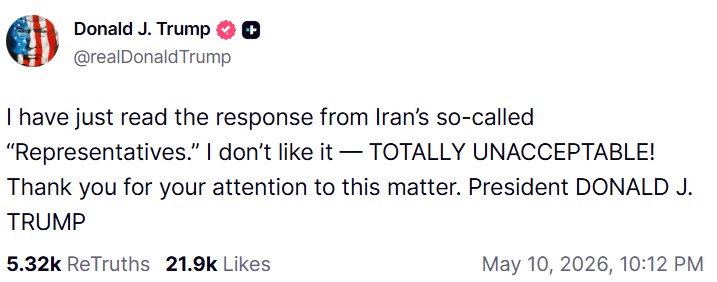
Iran is said to have responded to the proposal in a way that Trump is not pleased with. On Truth Social, the American president wrote that he “doesn’t like it” and that “it is completely unacceptable.” Reportedly, Iran demanded that the wars “on all fronts, especially in Lebanon” come to an end and refused to dismantle its nuclear facilities.
Since the US and Israel began their attacks on Iran on February 28, 2026, plus the killing of Iran’s highest leader Ali Khamenei, Iran has responded with extensive drone and missile strikes against targets throughout the region, and at least eleven ships have been attacked in the Strait of Hormuz.
The conflict led to traffic through the strait coming almost to a complete halt, with nearly 2,000 ships trapped, sharply increased insurance premiums, and rising oil prices, while the US launched Project Freedom and stated that it has sunk several Iranian boats.
In April, a ceasefire was reached but the situation remains tense: Iran has periodically opened the strait according to the agreement, while the US maintains a blockade against Iranian vessels and both sides warn of new military measures.